
Can Bearded Dragons Eat Stink Bugs? (Understanding the Risks and What to Do)
Published on: February 1, 2026 | Last Updated: February 1, 2026
Written By: Beardie Joe
If you’ve ever spotted a stink bug crawling near your bearded dragon’s tank, you’ve probably wondered if it’s a safe snack.
As a long-time owner of multiple bearded dragons with a background in reptile care, I’m here to help you navigate this common concern and prioritize your pet’s health.
We’ll explore why stink bugs are dangerous, what immediate steps to take if your dragon eats one, and how to provide safer feeding alternatives.
Why Stink Bugs Are Dangerous for Your Beardie
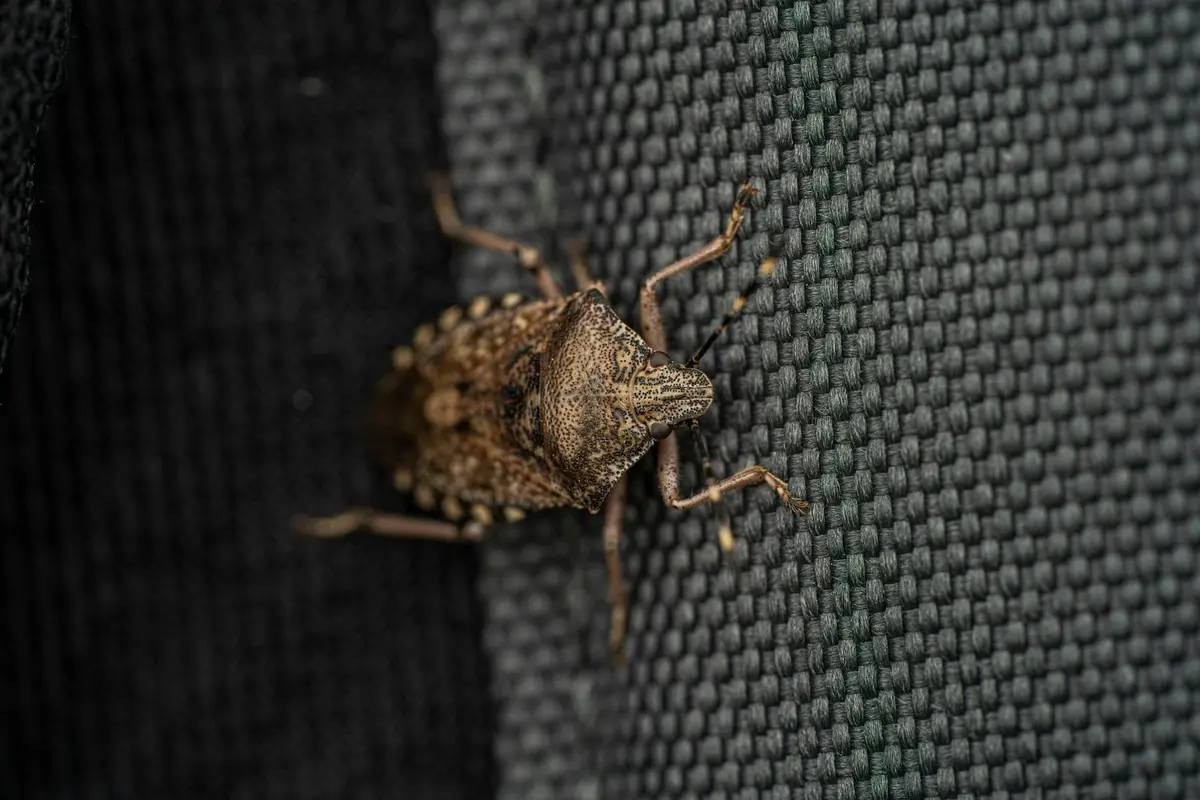
Finding an unexpected bug scurrying across the floor can be exciting for your dragon, but not all insects are a safe snack. Stink bugs pose a triple threat to your bearded dragon’s health that I’ve learned to respect through years of keeping my own reptiles.
- Toxic Chemical Defenses: That infamous “stink” is a chemical cocktail released from glands on their thorax. This liquid is an irritant designed to deter predators, and it can cause significant mouth irritation and digestive upset in your beardie.
- Pesticide Exposure: Stink bugs are common pests in homes and gardens, making them highly likely to have come into contact with toxic chemicals. These residues can poison your pet, leading to neurological issues or organ failure.
- Choking and Impaction Hazards: Their hard, shield-like exoskeleton is difficult to digest. I’ve seen my dragons struggle with similar hard-shelled bugs. This can lead to a dangerous gut impaction, where their digestive tract gets blocked.
- Gut Health Disruption: Even if not immediately toxic, the unusual compounds can disrupt the delicate balance of healthy gut flora, leading to a loss of appetite and poor nutrient absorption.
- Allergic Reactions: Every animal is different. Your dragon could have a unique sensitivity to the bug’s compounds, resulting in swelling or difficulty breathing.
The acrid, bitter smell they emit is your first clue that this is not a suitable food item. That pungent odor is a direct warning sign of the internal chemical warfare you’re introducing to your pet’s system.
Common Toxins and Their Effects
Stink bugs produce a variety of compounds like aldehydes and alkanes. While the exact blend varies by species, the effect on your bearded dragon is consistently negative. In terms of odor, a clean, well-ventilated enclosure helps keep your dragon from smelling unpleasant. Prevent pest exposure and maintain routine hygiene to manage any odor effectively.
- These chemicals are severe irritants to the mucous membranes lining your dragon’s mouth, throat, and stomach.
- Inside the gut, they can damage the lining, preventing proper absorption of water and nutrients from other food.
- This leads to inflammation and pain, which is why one of the first symptoms you might see is a refusal to eat their normal, healthy prey.
Watch for subtle changes like lethargy, a lack of interest in food, or excessive gulping-these are early signs that their system is distressed. In more severe cases, you might see drooling or pawing at the mouth due to the foul taste and irritation.
What to Do If Your Bearded Dragon Eats a Stink Bug
Don’t panic. I’ve been in this situation, and a calm, observant approach is your best tool. Here is your step-by-step action plan.
- Assess the Situation Immediately. How many did they eat? One bug is less concerning than several. Was it a wild-caught bug or one from your home? Wild-caught carries a higher pesticide risk.
- Monitor Closely for the Next 24-48 Hours. Keep a watchful eye on their behavior, appetite, and bowel movements. Note any deviations from their normal routine.
- Encourage Hydration. Offer a fresh bowl of water and consider giving them a warm bath. This can help dilute any irritants in their system and promote hydration, which aids in passing the bug.
- Stick to a Simple, Easy-to-Digest Diet. For the next day or two, offer their favorite, easily digestible greens like collard greens or butternut squash. Avoid fatty insects like waxworms.
- Handle with Care. If you need to check on them, be gentle. Stress can worsen their condition. Support their body fully and avoid sudden movements.
The first few hours are critical for observation, so make sure your dragon is in a quiet, warm, and comfortable environment to recover. From my experience, most dragons who eat a single bug will show mild symptoms at most, but your vigilance is what keeps them safe.
Signs That Require Immediate Attention
While many incidents are mild, some symptoms are red flags that demand a vet’s help right away.
- Vomiting or regurgitation
- Swelling around the mouth, throat, or face
- Wheezing, labored breathing, or gasping
- Persistent lethargy or inability to move normally
- Signs of severe pain, like a black, stressed beard that lasts for hours
- No bowel movement for more than three days, combined with a bloated abdomen
If you see any of these symptoms, do not wait-contact your exotic veterinarian immediately. For transport, place your dragon in a secure, well-ventilated carrier with a soft towel on the bottom. Bring a heat pack wrapped in a towel if the journey is cold, as maintaining their body temperature is vital during stress.
Safe Insect Alternatives for a Balanced Diet
If your bearded dragon is eyeing a stink bug, redirect their attention to something safer and more nutritious. I always keep a variety of reliable feeder insects on hand to satisfy my dragons’ hunting instincts without the risks. Be mindful that mealworm beetles can carry safety risks for bearded dragons, such as high fat content and tough shells that are harder to digest. To minimize these risks, offer safer alternatives like gut-loaded crickets, dubia roaches, or silkworms as part of a balanced feeding plan.
- Crickets: A fantastic staple, packed with protein. I buy them from reputable suppliers to ensure they haven’t been exposed to pesticides.
- Mealworms: A good treat, but offer them in moderation due to their higher fat content. My dragons go crazy for the wriggling movement.
- Waxworms: The ultimate “junk food” reward-high in fat, so I use them sparingly to avoid weight gain.
Sourcing your insects from trusted breeders or pet stores is non-negotiable for safety. Wild-caught bugs can carry parasites or chemical residues that are invisible to the eye but dangerous for your pet.
Gut Loading and Feeding Tips
Gut loading is simply feeding your feeder insects a nutrient-rich diet before offering them to your dragon. This process supercharges the insects, turning them into vitamin-packed meals for your pet.
Here’s how I do it for my colony:
- Place your feeder insects in a separate container 24-48 hours before feeding time.
- Provide them with fresh veggies like carrots, leafy greens, or commercial gut-load food.
- Watch them munch away-this loads their guts with extra nutrients your dragon will benefit from.
When it’s time to feed, I always dust the insects with a calcium supplement. A light coating helps prevent metabolic bone disease, a common issue in captive bearded dragons. For bearded dragons that eat moths or caterpillars, this safety guide covers safe prey choices and proper preparation.
Preventing Stink Bug Exposure in Captivity
Keeping stink bugs out of your dragon’s home is easier than you might think. Regular, quick inspections of the enclosure can stop a small problem from becoming a big one.
I make it a habit to check the tank every time I clean it or change the water. Look for any cracks or gaps where pests could sneak in. Sealing these spots with aquarium-safe silicone keeps unwanted visitors outside where they belong.
For pest control, never use chemical sprays anywhere near the enclosure. I’ve found that simple, physical methods are the safest and most effective.
- Use sticky traps placed well outside the tank to catch wandering insects.
- Maintain a clean habitat-remove uneaten food quickly so it doesn’t attract pests.
- Consider a fine mesh screen on the tank lid to act as a physical barrier.
From my experience, a clean and secure habitat is your best defense. It not only prevents stink bug encounters but also promotes overall health for your scaly friend.
When to Consult a Reptile Veterinarian
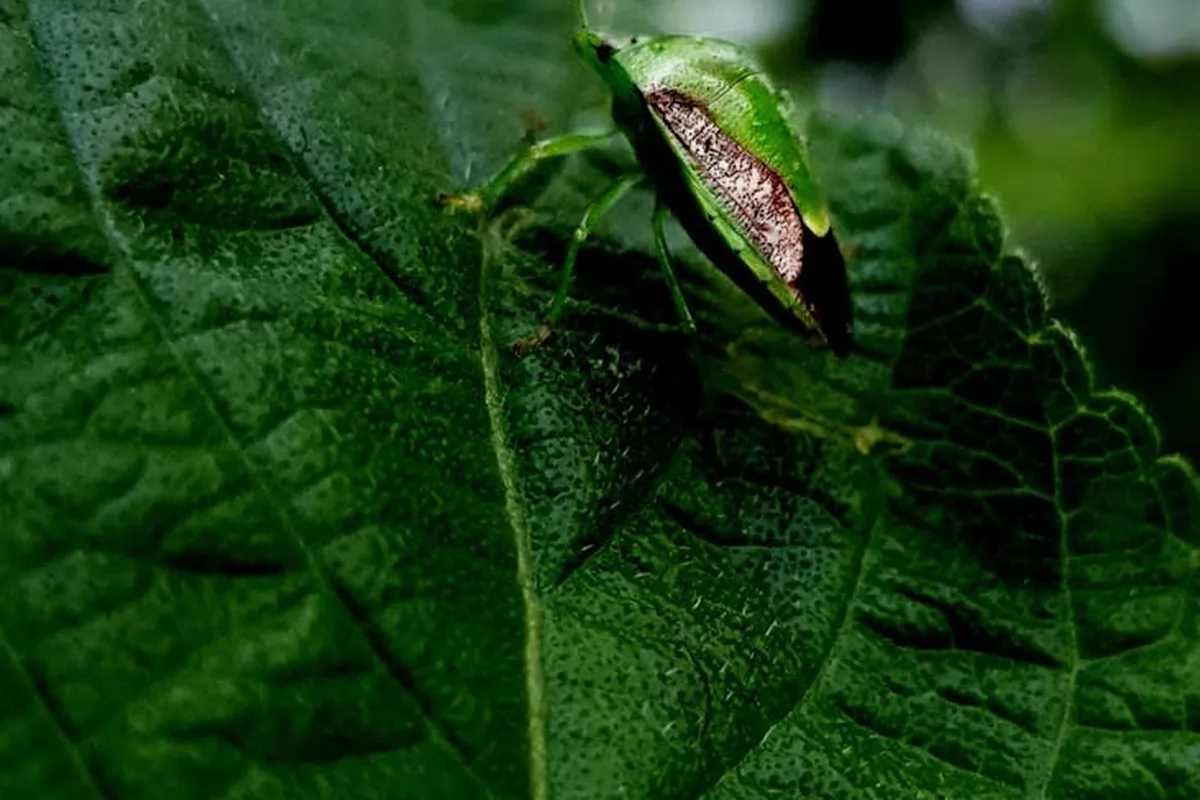
Even with the best care, accidents can happen. If your bearded dragon ever eats a stink bug, watch them closely for any changes in behavior. If you notice signs of illness, refer to a sick or dying emergency care guide and contact a reptile veterinarian immediately. Being prepared with this guide helps you act quickly and calmly.
You should call a reptile vet immediately if you notice persistent symptoms like lethargy, vomiting, or loss of appetite. These signs can indicate a reaction to the bug’s defensive chemicals and need professional assessment.
When you visit the vet, come prepared to help them help your dragon. I always bring a fresh stool sample and a list of everything my pet has eaten recently. If your dragon is constipated, I mention that I’m trying to help my bearded dragon poop. I also share any observed symptoms to guide the exam.
Here are some questions I ask to get the most out of the appointment:
- What specific tests should we run to check for toxicity or blockage?
- Are there any home care steps I can take while we wait for results?
- How can I adjust their diet to support recovery?
Expert care is invaluable for your dragon’s long-term welfare. A good reptile vet doesn’t just treat illness-they help you build a lifestyle that keeps your pet thriving for years.
Frequently Asked Questions
Can bearded dragons safely consume any type of stink bug?
No, all stink bug species are unsafe due to their toxic chemical defenses and potential pesticide exposure, which can cause digestive issues or poisoning in bearded dragons. Bearded dragons don’t eat every bug; some insects are safe, others dangerous. Focus on known-safe feeders and avoid insects with toxins or strong defenses.
What immediate actions should I take if my bearded dragon accidentally eats a stink bug?
Monitor your pet closely for symptoms like lethargy or loss of appetite over 24-48 hours, provide fresh water to encourage hydration, and seek veterinary care if severe signs like vomiting occur.
Why does my bearded dragon have an unusual odor after eating a stink bug?
The foul smell often results from the stink bug’s defensive chemicals, which can irritate your dragon’s mouth and digestive tract, leading to bad breath or drool with a lingering scent. Bearded dragons can’t safely eat everything, and some insects can carry toxins or irritants. Always consult a reputable bearded dragon diet guide and avoid toxic foods.
Final Verdict
So, can bearded dragons eat stink bugs? The simple, definitive answer is no. Stink bugs pose a dual threat to your dragon, combining potential toxicity with the ever-present risk of harmful pesticide exposure. From my own experience, it’s just not a gamble worth taking with your pet’s health. In an insects bearded dragons eat guide, you’ll find a clear list of safe bugs and toxic ones to avoid. Stink bugs are a prime example of why that guidance matters.
Stick to a diet of well-researched, safe feeder insects like dubia roaches and crickets. Your dragon’s vibrant health and long life are built on the foundation of a consistent, safe, and nutritious diet. When it comes to stink bugs, it’s always better to be safe and simply steer clear. A daily bug intake guide for all life stages helps you tailor portions as your dragon grows. Following that guide supports steady growth and keeps your dragon thriving across life stages.
Further Reading & Sources
- Can Bearded Dragons Eat Stink Bugs? Vet-Reviewed Safety Facts | Hepper Pet Resources
- Can Bearded Dragons Eat Stink Bugs? Expert Answers & Advice
- I have a bearded dragon and he just ate a stink bug 5 minutes ago. The internet says they’re poisonous. What should I do? – Quora
Bearded Dragon Lair is the ultimate resource for bearded dragon enthusiasts, offering expert advice and practical tips to ensure the health and happiness of your scaly companion. With years of experience in reptile care, we are dedicated to providing accurate, up-to-date information to support your bearded dragon journey.
Insects vs. Vegetables