
Best Bearded Dragon Starter Kits of [Current Year]: Reviewed & Compared
Published on: October 30, 2026 | Last Updated: October 30, 2026
Written By: Beardie Joe
Getting your first bearded dragon is thrilling, but picking the right starter kit from the sea of options can leave you scratching your head.
As a long-time beardie owner with multiple scaly friends, I’ve tested countless setups and I’m here to cut through the noise with hands-on, welfare-focused advice.
I’ve personally examined the top kits to give you a clear breakdown of what works, what doesn’t, and which one will set you and your new pet up for success.
Why a Proper Starter Kit is Vital for Bearded Dragon Health
Your bearded dragon’s habitat directly shapes their wellness and daily behavior. A well-designed enclosure reduces stress by providing secure hiding spots and proper temperature gradients, which prevents common issues like metabolic bone disease or respiratory infections. I have seen dragons in poor setups become lethargic or aggressive, while those in correct environments, such as a bioactive enclosure, thrive with curiosity and energy.
Key points for avoiding stress include maintaining consistent basking areas and ensuring UVB exposure mimics their natural habitat. Common health problems often arise from incorrect humidity or inadequate lighting, leading to avoidable vet visits.
- Supports proper bone growth and digestion
- Encourages natural behaviors like climbing and basking
- Promotes a longer, happier life with minimal health setbacks
The Role of a Starter Kit in Early Bearded Dragon Care
Starter kits offer incredible convenience for new owners by bundling essential items. When I first started, having a kit ensured I didn’t forget critical components like a thermometer or UVB bulb, which are easy to overlook when buying separately. This all-in-one approach lets you focus on learning feeding schedules, handling techniques, and habitat maintenance without the guesswork.
It builds your confidence in reptile care basics, setting a solid foundation for your dragon’s lifelong health.
Top Bearded Dragon Starter Kits: Unbiased Reviews
Based on my hands-on experience with various setups, here are summaries of leading kits that cater to different needs. Each kit varies in UVB lighting quality and enclosure size, which are non-negotiable for your dragon’s vitality. In this bearded dragon wattage guide, you’ll find recommended basking bulb wattages and UVB light options, plus tank size guidelines to ensure proper heat, light, and space for your dragon.
- Basic Economy Kit
- Highlights: Low initial cost, includes fundamental items
- Kit Contents: 20-gallon glass tank, simple dome heat lamp, shallow food dish
- UVB Lighting: Compact coil bulb, often requires upgrading
- Enclosure Size: Suitable only for juvenile dragons
- Standard Starter Kit
- Highlights: Balanced price, better lighting system
- Kit Contents: 40-gallon front-opening terrarium, T8 UVB tube, analog thermometer, resin basking decor
- UVB Lighting: Linear tube for improved coverage
- Enclosure Size: Accommodates growth into sub-adulthood
- Enhanced Habitat Kit
- Highlights: Reliable components, includes monitoring tools
- Kit Contents: 50-gallon PVC enclosure, T5 HO UVB fixture, digital hygrometer, multiple climbing branches
- UVB Lighting: High-output bulb for optimal calcium absorption
- Enclosure Size: Roomy for active adults
Budget-Friendly Reptile Starter Kit Options
Budget kits are accessible for those starting out with limited funds. You typically get a basic glass tank, a heat lamp, and a food dish, but I have noticed the UVB lighting is often weak and may need replacement quickly. These kits help you begin, but plan for upgrades as your dragon grows. In a bearded dragon tank setup guide, you’ll learn about essential equipment, decor ideas, and safety tips to keep the enclosure healthy and secure.
- Typical components: Small enclosure (20-30 gallons), dome light fixture, calcium supplement sample
- Common shortcomings: Inadequate UVB output, lack of accurate thermometers, minimal decor for enrichment
Mid-Range Bearded Dragon Habitat Kits
Mid-range kits deliver better value with more durable equipment. In my use, these often include linear UVB lights and decor that encourages natural basking and exploration, which I have seen reduce stress in new dragons. They strike a balance between cost and quality, making them a popular choice.
- Included items: 40-50 gallon terrarium, T8 or T5 UVB light, digital thermometer, sturdy basking platform
- Comparison: Improved temperature accuracy and more engaging accessories than budget options
Premium Enclosure Terrarium Kits
Premium kits feature advanced elements for optimal care. With integrated temperature control systems and extras like LED lights, these setups support both health and mental stimulation, something I prioritize for my own dragons’ well-being. They are ideal for owners committed to providing a top-tier habitat from day one.
- High-end features: Programmable thermostats, dual lighting zones, built-in ventilation
- Extras: Full-spectrum LED canopy lights, artificial plants, puzzle feeders for enrichment
Comparing Bearded Dragon Starter Kit Features
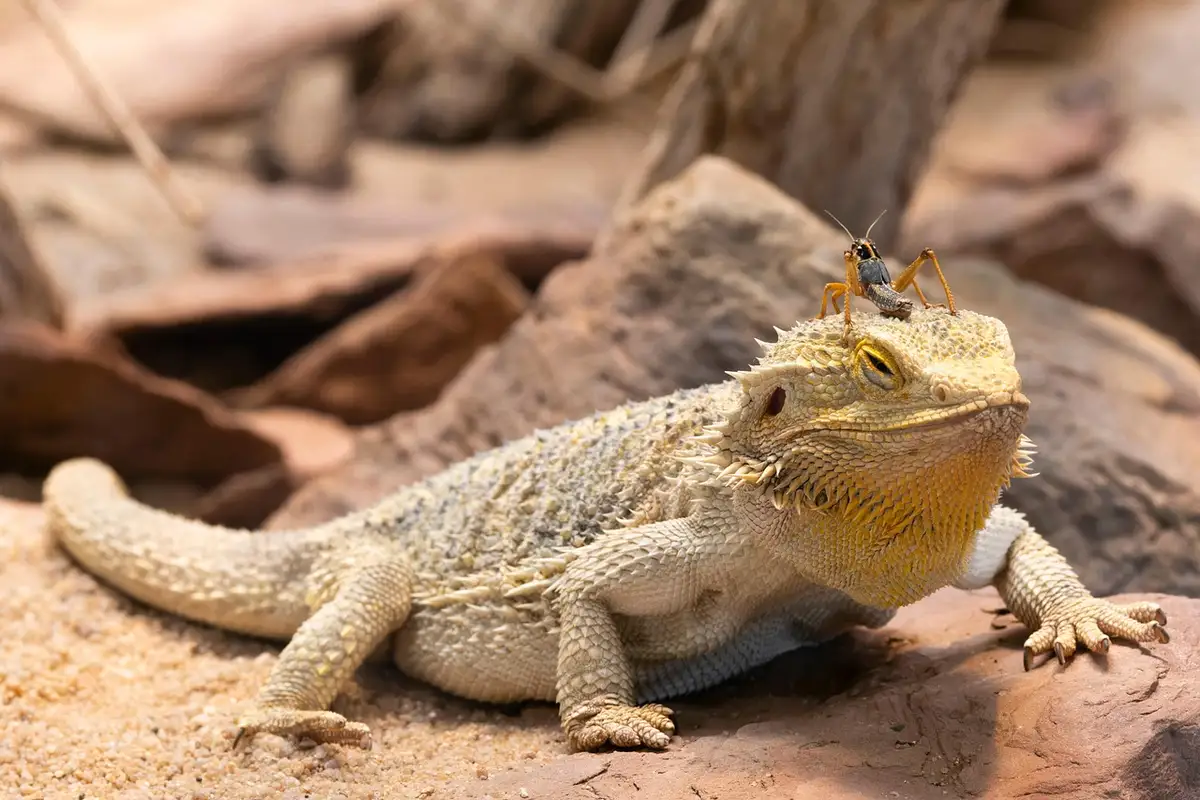
I’ve set up more than a few habitats over the years, and I can tell you that not all starter kits are created equal. Looking at the key features side-by-side saves you from costly and potentially dangerous mistakes. Here’s a breakdown of what to scrutinize.
- UVB Lighting Type
- Compact Coil Bulbs: Often included in budget kits. Their UVB output is weak and doesn’t spread far. I’ve found they often lead to metabolic bone disease if used long-term.
- T5 HO Linear Tubes: The gold standard. They provide a wide, strong gradient of UVB that mimics natural sunlight. This is the only type I use for my own dragons now.
- Basking Lamp Wattage
- Fixed Low Wattage (e.g., 50-75w): A major red flag. These rarely get the basking spot hot enough (100-110°F for babies). You’ll end up buying a new bulb immediately.
- Variable Wattage or Higher (100w+): Much better. Allows you to adjust the temperature by raising/lowering the lamp or using a thermostat. This is a sign of a thoughtful kit.
- Substrate Options
- Calcium Sand or Vita-Sand: Avoid these at all costs. They clump when wet and are a well-known impaction risk if ingested. I would never use this with any of my dragons.
- Reptile Carpet or Shelf Liner: A safe, beginner-friendly option included in many kits. Easy to clean but needs frequent washing.
- Tile or Slate: Rarely included in kits, but the best DIY option. It’s safe, easy to clean, and files down nails naturally.
Enclosure Size and Material Breakdown
Your dragon’s tank is its entire world. Getting this right from the start prevents stress and promotes healthy growth. Buying an adult-sized enclosure immediately is the most cost-effective and least stressful path for you and your pet. A bearded dragon tank size guide that covers baby to adult requirements helps you plan for growth. Knowing the exact dimensions at each stage keeps housing comfortable and safe.
Minimum Dimensions:
- Juveniles: 40-gallon breeder (36″ x 18″ x 18″) is the absolute starting point.
- Adults: 120-gallon (48″ x 24″ x 24″) is the new recommended minimum. They use every inch of space.
Glass vs. PVC Enclosures:
- Glass Tanks (Most Common in Kits)
- Pros: Great for viewing, readily available, often less expensive.
- Cons: Poor insulation, harder to maintain heat and humidity, can stress dragons who see their reflection.
- PVC Enclosures (The Upgrade)
- Pros: Excellent heat retention, lightweight, no reflective stress, front-opening doors are easier for maintenance.
- Cons: Higher initial cost, not typically found in all-in-one kits.
Lighting and Heating Equipment Analysis
This is the heart of your dragon’s health. Proper lighting is non-negotiable. A kit that cheaps out on lighting is a kit that will cost you more in vet bills later.
- UVB Bulb Types: Linear T5 HO tubes are superior to compact coils. They should be ⅔ to ½ the length of the enclosure and replaced every 6-12 months.
- Basking Lamp Setups: A simple dome lamp with a ceramic socket is standard. The best kits might include a dimmable dome or a fixture that can handle the necessary wattage.
- Included Thermometers: Many kits come with analog stick-on gauges. These are notoriously inaccurate. A digital thermometer with a probe or an infrared temperature gun is a mandatory immediate upgrade for monitoring the basking spot.
Creating a temperature gradient is vital. Your dragon needs a hot basking spot (105-110°F for babies, 95-105°F for adults) on one end and a cooler zone (80-85°F) on the other. This allows them to thermoregulate their body temperature effectively. For more detailed information, refer to our Bearded dragon temperature guide, which covers the necessary requirements. Keep the basking spot clearly defined and accessible, and monitor nighttime temps to prevent drops that could stress your dragon. A proper setup also includes appropriate enclosure size, substrate, and humidity to support these temperature needs.
Accessory and Substrate Comparisons
The little things matter. Unsafe decor or missing essentials can turn a convenient kit into a headache. Always prioritize your dragon’s safety over the aesthetics of a piece of decor.
- Substrate Safety: As mentioned, reject any kit that includes loose, sandy substrates. Opt for kits with reptile carpet, tile, or non-adhesive shelf liner.
- Decor: Look for a sturdy basking platform (like a rock or branch) and at least one secure hide on both the warm and cool sides. Smooth surfaces are best to prevent foot injuries.
- Dishes & Supplements: Few kits include a shallow water dish and a food bowl. Even fewer include calcium powder. Assume you will need to purchase a calcium supplement with D3 and a multivitamin separately, as they are critical for health.
Essential Components Every Bearded Dragon Kit Needs
If a kit is missing any of these core items, it’s incomplete. A true “starter kit” should provide the foundation for a healthy life, not just a bare-minimum enclosure. Based on my experience, here is the non-negotiable checklist.
- Appropriately Sized Enclosure: A 120-gallon tank or larger is the goal for an adult dragon.
- High-Output UVB Lighting: A T5 HO linear fluorescent light fixture and bulb that covers half the tank’s length.
- Proper Basking Equipment: A dome lamp and a high-wattage halogen or basking bulb to create the necessary heat.
- Accurate Thermometers: At least two digital thermometers or a temperature gun to monitor both the hot and cool sides.
- Safe Substrate: Reptile carpet, tile, or paper towel for beginners.
- Hides & Climbing Structures: One hide on the warm end, one on the cool end, and branches or rocks for enrichment.
- Food and Water Dishes: A shallow water dish and a sturdy bowl for salads.
Critical Lighting and Heating Elements
Let’s get specific about the sun and heat inside your tank. Getting this wrong is the fastest way to a sick dragon. Your UVB and basking lights are the most important investments you will make for your bearded dragon’s long-term health. In a bearded dragon lighting guide, we’ll cover UVB requirements and heat lamp setup. We’ll also explain how to establish a consistent daily light cycle.
- UVB Requirements: You need a T5 HO linear tube, like the Arcadia 12% or Zoo Med ReptiSun 10.0. The fixture should be placed inside the screen top or mounted inside the tank, as mesh blocks up to 50% of the crucial UVB rays.
- Basting Lamp Setup: A simple halogen flood bulb from a hardware store often works better than expensive “reptile” bulbs. Use it in a ceramic-based dome lamp. The wattage will depend on your home’s ambient temperature, but 100-150w is a good starting point.
- Positioning for Gradient: Place your UVB lamp and basking lamp right next to each other at one end of the tank. This creates a sun-bathed basking area. The other end, with no direct heat, becomes the cool retreat. This gradient is essential for their digestion and comfort.
Feeding and Supplementation Must-Haves
You can have the perfect tank, but without proper nutrition, your dragon won’t thrive. Proper supplementation is not optional; it’s the key to preventing debilitating nutritional deficiencies.
- Calcium Powder: You need two kinds: Calcium with D3 (for days you don’t use the multivitamin) and Calcium without D3 (if using a T5 HO UVB light, as they produce enough D3). Dust insects daily for juveniles, less for adults.
- Reptile Multivitamin: A phosphorus-free powder containing Vitamin A and other essential nutrients. Use this once or twice a week according to the schedule.
- Live Insect Supplies: A dedicated escape-proof feeding container or tongs for handing insects. You’ll also need a separate habitat (like a small critter keeper) to gut-load your feeder insects with nutritious veggies before feeding them to your dragon.
- Proper Dishes: A shallow, heavy ceramic bowl for daily salads that won’t tip over. A separate, smooth-sided bowl for worms helps prevent escapes.
Habitat Enrichment and Safety Gear
A bare tank is a bored and stressed dragon. Enrichment makes them active and engages their natural behaviors. Creating a stimulating environment is a core part of responsible reptile guardianship and directly impacts their mental well-being.
- Safe Substrate Options:
- Reptile Carpet (easy for beginners)
- Ceramic or Slate Tile (my personal favorite for ease of cleaning)
- Non-adhesive Shelf Liner
- Paper Towel (great for quarantine periods)
- Hiding Spots: Provide at least two-one in the warm end and one in the cool end. They should be snug, dark, and have smooth edges.
- Climbing Accessories: Sturdy branches, driftwood, and ramps. Bearded dragons are semi-arboreal and love to climb and perch up high.
- Warn Against: Avoid anything with sharp edges, loose particles like sand, or sticky surfaces. Steer clear of decor with small holes where toes or claws could get trapped and injured.
Step-by-Step Guide to Setting Up Your Starter Kit
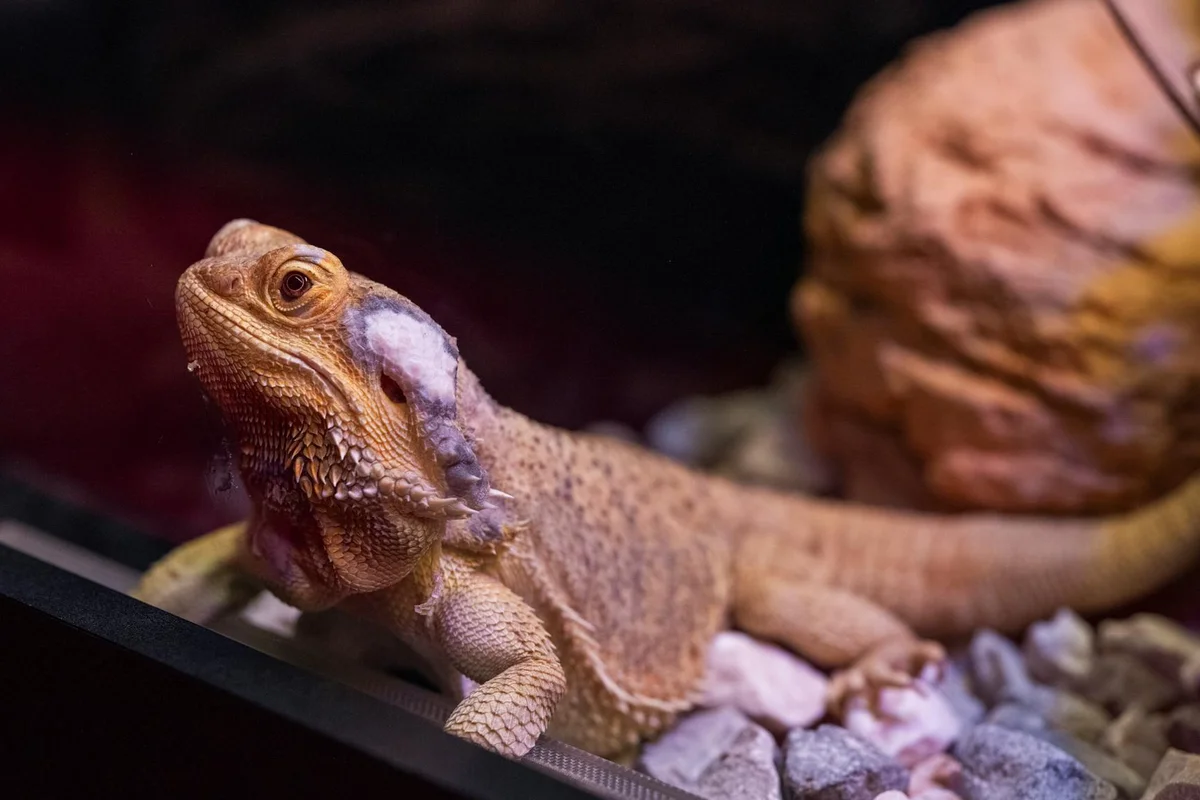
- Unbox your kit on a clean, flat surface and inspect every item for damage or missing parts.
- Assemble the terrarium frame carefully, following the manufacturer’s guide to avoid gaps.
- Add substrate evenly across the bottom, aiming for a depth that supports natural burrowing instincts.
- Install UVB lighting and basking lamps to create distinct warm and cool zones.
- Test all equipment-lights, heaters, thermometers-for at least 24 hours before your dragon moves in.
- Arrange hides, branches, and dishes to mimic a natural habitat while allowing easy access for cleaning.
I always test my setups for a full day to catch any issues early, which saves stress for both you and your dragon.
Assembling the Enclosure and Base Setup
- Place the terrarium on a sturdy, level surface away from drafts or direct sunlight.
- Secure all panels and locks firmly to prevent escapes-a wobbly tank is a safety hazard.
- Add substrate like reptile carpet or tile, which I use for my dragons because it’s safe and simple to clean.
- Check ventilation slots are unobstructed to promote air flow and reduce humidity buildup.
Proper ventilation keeps the air fresh and helps prevent respiratory infections, something I’ve seen in poorly set up enclosures.
Installing Lighting, Heating, and Monitors
- Position the UVB light to cover most of the enclosure, but leave a shaded area for retreat.
- Set up the basking lamp at one end, aiming for a spot temperature of 95-110°F for optimal digestion.
- Place digital thermometers on both warm and cool sides to monitor the gradient accurately.
- Use a hygrometer to track humidity, keeping it between 30-40% for a healthy arid environment.
Correct basking temperatures are non-negotiable-I use infrared thermometers to double-check and avoid guesswork.
Adding Decorations and Final Touches
- Provide at least two hides: one in the warm zone and one in the cool area for thermoregulation.
- Add climbing branches or rocks to encourage exercise and natural perching behaviors.
- Place a shallow water dish away from heat sources to maintain cleanliness and prevent spills.
- Leave open spaces for movement and ensure decor is stable to avoid tipping injuries.
Well-placed hides give your dragon security, and I’ve noticed mine are much calmer with multiple options to retreat.
Avoiding Common Starter Kit Mistakes in Bearded Dragon Care
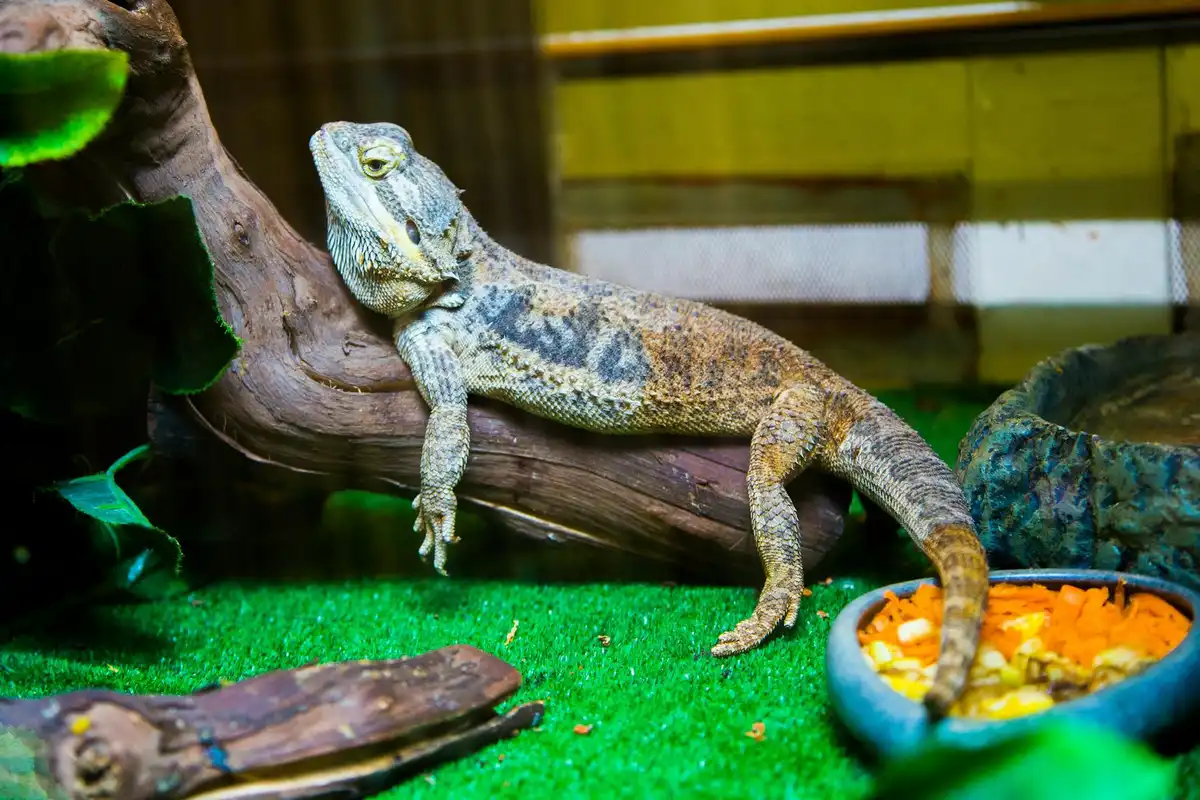
- Using loose substrates like sand, which can cause impaction if ingested during feeding.
- Placing UVB lights too far away or using expired bulbs that fail to emit adequate rays.
- Ignoring temperature gradients, leading to overheating or chilling on one side of the tank.
- Selecting decor with sharp edges or small parts that pose injury risks.
- Skipping calcium dusting on insects, which can result in metabolic bone disease over time.
Most errors stem from rushing the setup-taking your time pays off in your dragon’s long-term health.
Lighting and Heating Missteps
Inadequate UVB exposure weakens bones and immune function, a issue I corrected early in my reptile-keeping journey. Always replace UVB bulbs every 6-12 months, even if they still light up, because their effectiveness fades. Use hygrometers to monitor humidity and adjust with minimal misting or added ventilation if levels creep too high. For bearded dragons, nighttime care centers on stable heating and a dark sleeping period. A ceramic heat emitter with a thermostat helps maintain safe night temperatures without adding light. For bearded dragons, nighttime care can be further explored in this guide on nighttime care.
Substrate and Safety Oversights
Loose substrates may look natural but often lead to vet visits for impaction. I stick to solid options like slate tiles or reptile carpet, which are easy to wipe down and eliminate ingestion risks. Avoid decor with loose parts or toxic materials; smooth, weighted items prevent accidents and support your dragon’s curiosity safely. That aligns with a bearded dragon substrate guide: prioritize safe options and avoid unsafe materials. Following best practices helps prevent impaction and makes cleanup easier.
Feeding and Maintenance Errors
Forgetting to dust insects with calcium powder is a common oversight that affects growth. Establish a routine: dust feeders with calcium 5 times a week and a multivitamin twice weekly for juveniles. Clean food and water dishes daily to prevent bacteria-I use a vinegar solution for a natural disinfectant that’s reptile-safe.
Frequently Asked Questions
How cost-effective are bearded dragon starter kits compared to buying items separately?
Starter kits offer initial savings and convenience, but often require upgrades or additional purchases for optimal health, like better UVB lighting or larger enclosures, which can increase long-term costs.
When should I consider upgrading from a starter kit as my bearded dragon grows?
Plan to upgrade the enclosure within the first year, as juveniles quickly outgrow small tanks; aim for a 120-gallon or larger habitat to support an adult’s activity and well-being.
What essential items are often missing from starter kits that I need to purchase additionally?
Many kits lack critical supplies like calcium and multivitamin supplements, digital thermometers for accurate temperature monitoring, and extra hides or climbing decor to reduce stress and encourage natural behaviors.
Final Thoughts
After years of caring for my own scaly crew, I can tell you that starting with a high-quality kit is the single best decision you can make. Choosing a complete habitat that’s thoughtfully designed from the start saves you money, time, and a whole lot of stress. For bearded dragons, size matters from day one—select a terrarium with enough length, width, and height to support a proper basking site, heat gradient, and room to roam. You’re not just buying a tank and some accessories; you’re investing in a solid foundation for a long, healthy, and happy life for your new dragon.
Remember, the best kit is the one that meets all the essential needs for heat, light, and space. Your thoughtful preparation now is what builds the trust and well-being that makes bearded dragon ownership so incredibly rewarding. Do your research, pick the kit that feels right for your situation, and get ready for an amazing journey with your new pet. If you’re new to bearded dragons, a complete beginner’s setup guide can help you cover all the basics. It breaks down what you need—from enclosure to lighting and temperature—in simple steps.
Further Reading & Sources
- Bearded Dragon Starter Kits | Next Day Delivery | Internet Reptile
- Bearded Dragon starter kits range | Swell Reptiles
- r/BeardedDragons on Reddit: future beardie mom here, thoughts on this starter kit?
Bearded Dragon Lair is the ultimate resource for bearded dragon enthusiasts, offering expert advice and practical tips to ensure the health and happiness of your scaly companion. With years of experience in reptile care, we are dedicated to providing accurate, up-to-date information to support your bearded dragon journey.
Essential Gear