
Bearded Dragon Cost: A Realistic Breakdown of Initial & Ongoing Expenses
Published on: October 21, 2026 | Last Updated: October 21, 2026
Written By: Beardie Joe
Thinking about bringing home a bearded dragon but worried about the price tag? You’re asking the right questions before you commit.
As a long-time owner of multiple beardies, I’ve learned exactly what it takes to budget for their health and happiness, and I’m here to share that real-world experience with you.
We’ll cover the initial purchase price, the full setup cost for a proper habitat, and the predictable monthly expenses to keep your new friend thriving.
The Initial Purchase: Bringing Your New Pet Home
Your first big decision is where to get your dragon. The price tag can vary wildly.
You can find them at large chain pet stores for around $40 to $80. While the price is tempting, these dragons often come with unknown genetics and a higher risk of health issues. To find reputable options, check online pet stores and your local reptile shops. This helps you compare genetics, health guarantees, and prices before purchasing.
Reputable breeders are my go-to. Expect to pay between $100 and $300 for a standard, healthy baby. You’re paying for known lineage, a healthy start, and expert advice.
Then there are the specialty color morphs. For stunning variations like Zero, Witblits, or Leatherback, prices jump to $300 and can easily exceed $800. The rarer the morph, the higher the cost.
Don’t overlook adoption! Reptile rescues are full of bearded dragons needing a second chance. Adoption fees are typically $50 to $150, often including some starter supplies. Adopting my second dragon, Spike, was one of the most rewarding experiences; he was a surrendered adult who became the gentlest member of my crew. This is the kind of path a bearded dragon adoption rehoming guide outlines—where to adopt, how surrender works, and what to know before bringing a dragon home. Whether you’re adopting, surrendering, or seeking a new home for a dragon, careful planning and reputable rescues help ensure the best outcomes.
Age also plays a role. Babies cost less than juveniles, and adults are often the cheapest to acquire.
My advice? Invest in a healthy dragon from a good source. I learned the hard way that a cheap, sickly dragon from a questionable pet store can lead to vet bills that dwarf the initial savings.
Essential Setup Costs: Building the Perfect Terrarium
Enclosure and Base Requirements
Think of the terrarium as your dragon’s entire world. Getting this right is non-negotiable for their well-being.
A baby can start in a 40-gallon tank, but an adult needs a 120-gallon (4x2x2 feet) enclosure as a minimum. A proper-sized home prevents stress, encourages natural behaviors, and is the single most important purchase you will make.
- Enclosure: A front-opening 120-gallon PVC or wood terrarium is ideal. Cost: $300 – $600. Screen-top aquariums are cheaper ($150 – $300) but are harder to maintain proper heat and humidity.
- Substrate: For beginners and juveniles, I always recommend a solid substrate.
- Slate or ceramic tile: $20 – $50. Easy to clean, files down nails naturally.
- Reptile carpet: $15 – $30. Needs frequent washing to avoid bacteria.
- Avoid loose substrates like sand for young dragons, as it can cause fatal impaction.
- Basic Decor:
- At least two hides (one on the warm side, one on the cool side): $15 – $40 each.
- A basking platform (a flat rock or piece of wood): $10 – $30.
Skimping on the enclosure size leads to a stunted, unhappy, and often unhealthy dragon. It’s a long-term investment that pays off in their quality of life.
Lighting and Heating Equipment
This is the engine of your dragon’s health. They can’t live without specific light and heat.
You cannot use regular household bulbs for this. You need specialized reptile equipment.
- UVB Fluorescent Tube Light: A T5 HO linear tube that spans half the tank’s length. Cost: $40 – $60 for the fixture, $30 – $50 for the bulb. This is non-negotiable for calcium absorption and preventing Metabolic Bone Disease.
- Basking Bulb & Dome Fixture: A simple halogen flood light works perfectly. Cost: $10 – $20 for the bulb, $15 – $25 for the ceramic dome fixture.
- Thermostat: A must for the heat lamp to prevent burns and overheating. Cost: $30 – $50.
- Timer: To automate a 12-hour day/night cycle. Cost: $10 – $20.
The ongoing costs here are real. UVB bulbs must be replaced every 6-12 months, even if they still look lit, as their invisible UV output diminishes. Budget $50-$60 annually for this.
Your electricity bill will see a slight increase. Running the lights and heat for one tank might add $10-$15 to your monthly bill.
I once tried to stretch the life of a UVB bulb to save money. I quickly noticed one of my dragons, Puff, becoming lethargic and losing her appetite. The moment I installed a fresh UVB bulb, she was back to her active, hungry self within two days. I never made that mistake again.
Decor and Enrichment Add-Ons
Once the essentials are covered, you can create a stimulating environment. A bare tank is a boring tank.
These items aren’t strictly for survival, but they are for thrival.
- Climbing Branches: Manzanita or grapewood branches provide exercise and basking spots. Cost: $20 – $60.
- Live Plants: Hibiscus, aloe, and succulents (in a separate pot) add beauty and humidity. Cost: $10 – $20 per plant.
- Background Scenery: A 3D foam background gives the tank depth and gives your dragon more surfaces to explore. Cost: $50 – $150.
You don’t have to break the bank. Get creative with budget-friendly decor.
I’ve used bricks from a hardware store to build a basking ledge. I’ve collected, baked, and sanitized sturdy branches from my backyard. A simple cardboard box can become a fun, temporary hide that they love to clamber over and shred. Your dragon doesn’t care about the price tag, just the opportunity to explore.
Monthly Food and Supplement Expenses
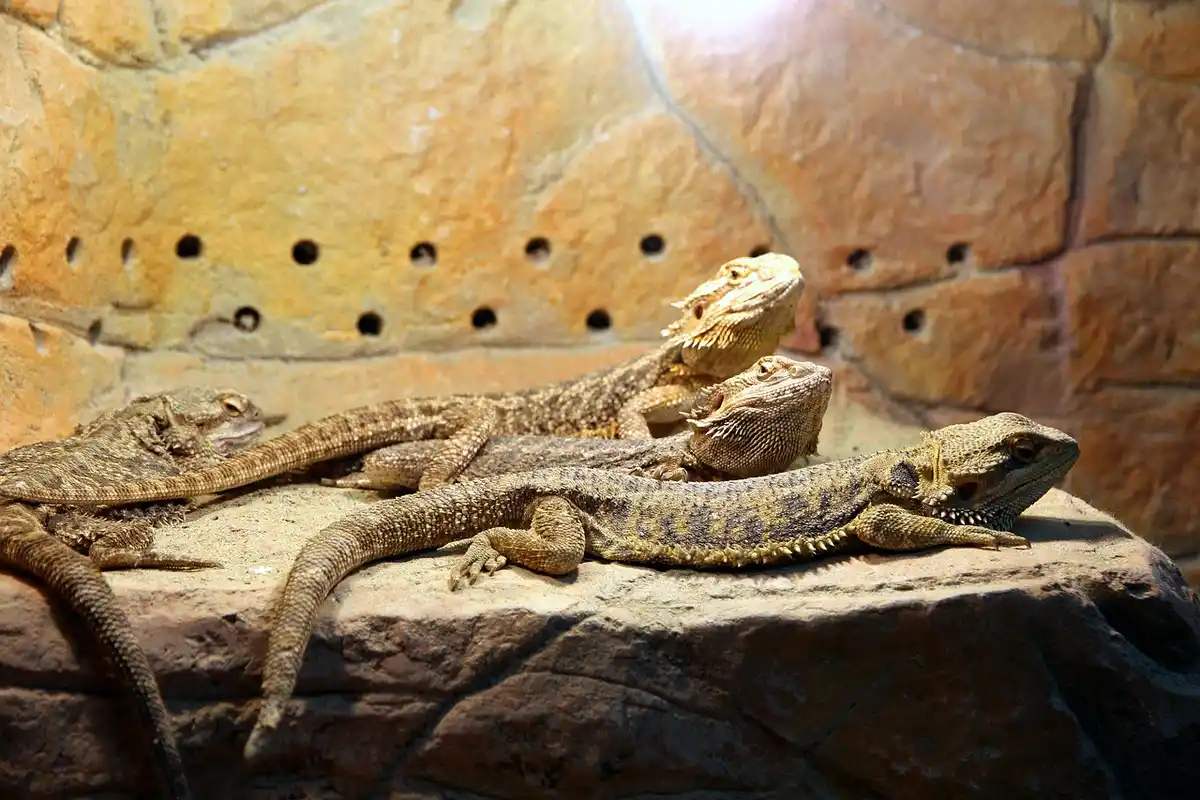
Feeding a bearded dragon is where the ongoing budget really takes shape. You’ll quickly learn that their appetite is both impressive and a significant line item in your monthly expenses. I’ve found that planning this part of the budget carefully makes everything much smoother. That’s where a daily feeding routine comes in. If you’re wondering, should I feed my bearded dragon daily, a complete feeding guide can help.
Staple Insect Costs
Live insects are the cornerstone of a bearded dragon’s diet, especially for juveniles who are eating machines.
- Crickets: A juvenile can easily eat 30-50 small crickets a day. A tub of 500 crickets costs me around $15-$20 and lasts about a week and a half.
- Dubia Roaches: These are a more nutritious option. A colony of 100 medium roaches is about $25, but they breed easily, making them a great long-term investment.
- Mealworms & Superworms: I use these as treats, not staples. A cup of 500 is roughly $5-$10 and lasts a long time.
Fresh Vegetable & Greens Costs
As your dragon grows, their diet shifts to mostly greens. This is the more predictable part of the food budget.
- Collard, mustard, and dandelion greens are fantastic staples. A large bunch costs me about $2-$3 and lasts several days.
- Butternut squash, bell peppers, and occasional berries are great additions. I budget about $10-$15 a week for a nice variety of fresh produce.
Essential Supplement Costs
This is non-negotiable for their health. Without proper supplements, dragons develop serious metabolic bone disease.
- Calcium Powder (with D3): You’ll dust almost every insect feeding. A good-sized container is around $10 and lasts me 2-3 months.
- Multivitamin Powder: This is used a couple of times a week. A container is also about $10 and lasts even longer.
Smart Tips to Reduce Your Food Bill
You don’t have to break the bank. Getting creative with your insect sources can cut your monthly costs in half. I’ve done all of these to save money.
- Breed your own Dubia roaches or crickets. The initial setup is a bit of work, but it eliminates the weekly insect bill.
- Buy insects in bulk online. The per-insect cost is far lower than pet store prices.
- Grow your own dragon-safe greens like collards or squash in a patio garden. It’s rewarding and cost-effective.
Routine Maintenance and Utility Costs
Beyond food, the habitat itself has recurring costs. Consistent maintenance is the secret to a healthy dragon and avoiding catastrophic vet bills down the road. I treat these costs as a form of health insurance—especially since they don’t cover regular checkups and emergencies.
Monthly Electricity Impact
Those lights run 12-14 hours a day, every day. They do add to your power bill, but it’s manageable.
- A high-output UVB tube and a basking bulb typically use between 100-150 watts combined.
- Based on my own bills, running this setup adds roughly $10-$20 to my monthly electricity cost, depending on local rates.
- Using a timer is essential-it protects your dragon from human error and doesn’t cost extra to run.
Recurring Habitat Maintenance
Keeping the tank clean is a weekly, sometimes daily, task. These are the supplies you’ll always need on hand.
- Substrate: If you use a loose substrate like a soil/sand mix, you’ll do a full change every 2-3 months, costing about $20. For tile or shelf liner, the cost is a one-time purchase.
- Cleaning Supplies: A dedicated spray bottle of vinegar/water solution and paper towels are cheap. A more robust reptile-safe disinfectant is about $15 and lasts for months.
- Water: You’ll be misting your dragon and refreshing their water dish daily. The cost of water is negligible, but it’s a constant part of the routine.
Never skip on maintenance to save a few dollars. A clean tank with proper lighting prevents parasites, respiratory infections, and skin issues. To stay on top of it, follow a bearded dragon tank cleaning guide with a regular schedule, proven methods, and safe cleaning solutions. This approach keeps care predictable and thorough. I’ve seen too many dragons suffer because an owner tried to cut corners, leading to a vet bill that was ten times the cost of simple upkeep.
Veterinary Care and Emergency Fund Planning
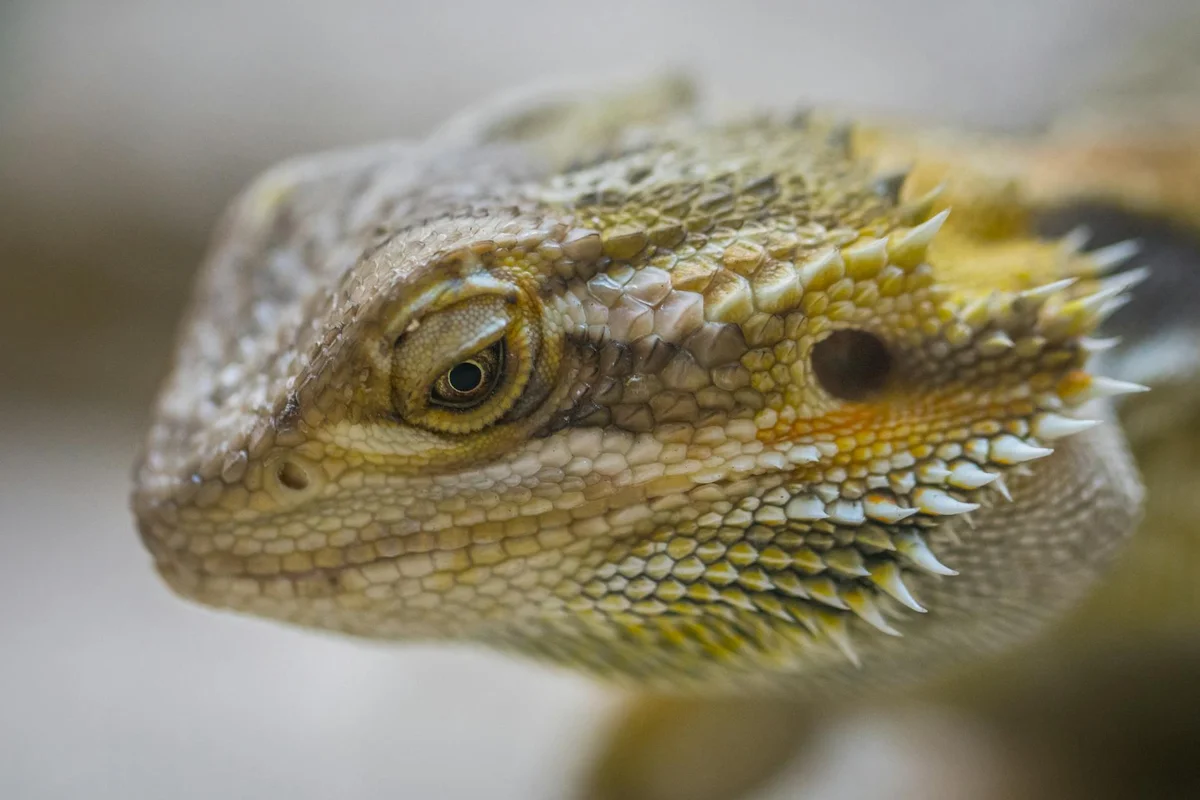
Thinking about vet bills isn’t fun, but it’s a core part of being a responsible owner. Planning for their health is as important as buying their first tank. I learned this the hard way, and it changed how I budget for all my reptiles.
Typical Routine Vet Costs
You should plan for at least one vet visit per year for a healthy adult. Here’s a breakdown of what you can expect to pay.
- Annual Wellness Check-up: $50 – $100
- Fecal Exam (to check for parasites): $25 – $50
- Common Treatments for parasites or minor infections: $30 – $100
These are baseline numbers. Costs vary widely based on your location and the clinic’s expertise with reptiles. Always call ahead for pricing.
The Non-Negotiable Emergency Fund
Beyond routine care, you must have a safety net. Beardies are experts at hiding illness until it becomes serious.
- Unexpected surgeries (like egg-binding or impaction) can cost $400 – $1,500+.
- Diagnostic tests like X-rays or bloodwork can add $150 – $300.
- Hospitalization and supportive care can run hundreds more.
I strongly advise setting aside a minimum of $500 in a dedicated “dragon fund.” This emergency fund is your single best tool for handling a crisis without panic. It brings immense peace of mind.
A Personal Lesson in Preparedness
One of my first beardies, Puff, suddenly became lethargic and stopped eating. I thought it was just a phase. It wasn’t. The vet diagnosed a nasty parasitic infection that required immediate treatment. The bill for the emergency visit, tests, and medication was over $300. I was prepared, but it was a stark reminder. That experience taught me that their quiet suffering is often a silent call for expensive help. Without that fund, I would have been making heartbreaking decisions based on money, not medicine.
Annual and Lifetime Cost Overview
Let’s pull all these numbers together. Seeing the big picture helps you make an informed decision. Owning a bearded dragon is a long-term financial commitment, not just a one-time purchase. Ongoing care requirements—proper heating, lighting, enclosure maintenance, and regular feeding—mean maintenance costs accumulate over time. Planning for these needs helps you budget effectively.
Your Annual Dragon Budget
Here’s a realistic look at what you’ll spend each year after the initial setup.
- Food (Insects & Greens): $300 – $600
- Substrate/Bedding: $50 – $150
- Electricity for lights/heat: $75 – $150
- Veterinary Care (Check-up & Fecal): $100 – $200
- Miscellaneous Replacements: $50 – $100
Adding this up, the ongoing annual cost typically falls between $575 and $1,200. Your specific choices will determine where you land in that range.
Initial Outlay vs. The Long Haul
This is where perspective is key. Let’s compare the two phases of spending.
- Initial Setup (First Year): $300 – $800+ for the enclosure, lights, and decor. This is your biggest single investment.
- Ongoing Annual Costs (Years 2-10+): $575 – $1,200 per year. This is the steady, recurring cost of care.
The initial cost is a steep hill, but the recurring expenses are the marathon. You pay a premium to get started, but the yearly cost is what sustains their quality of life.
Projecting the Lifetime Cost
With a lifespan of 10-15 years, the total cost of ownership is significant. Using our annual estimates, the total cost over a dragon’s life can easily range from $6,000 to over $15,000. This isn’t meant to scare you, but to empower you. Seeing this total underscores why budgeting from day one is not just smart, it’s essential for their well-being. If you’re a first-time owner, you may be wondering if you need to know more before you start. A dedicated bearded dragon first-time owners guide can walk you through the basics you should know. Proper planning transforms a seemingly large financial burden into a completely manageable and profoundly rewarding experience.
Smart Ways to Save on Bearded Dragon Care
Raising a bearded dragon is a joy, but the costs can add up quickly. The good news is that with a little creativity, you can provide a fantastic life for your dragon without draining your wallet. I’ve raised multiple happy, healthy dragons over the years while being mindful of my budget, and I’m excited to share what truly works. To keep your dragon engaged, here are budget-friendly enrichment ideas that mimic natural behaviors and boost well-being.
DIY Solutions for Decor, Upgrades, and Food
You don’t need to buy everything from a pet store. Some of the best enclosure items are things you can make or find yourself.
- For Decor: Thoroughly cleaned and baked rocks and large branches from your yard make excellent, natural basking spots and climbing structures. Just bake them at 250°F for about an hour to kill any pests.
- For Hideaways: An old, clean terracotta pot with a chipped edge turned on its side makes a perfect, cheap hide. I’ve also used small cardboard boxes (replaced frequently) for my younger dragons.
- For Food Sourcing: Grow your own salad bar! A small planter with collard greens, mustard greens, and dandelion greens is inexpensive and ensures a constant supply of fresh, pesticide-free greens. For bugs, consider starting a small dubia roach colony-it’s a bigger initial investment but saves a massive amount long-term.
Where to Splurge Versus Where to Save
Your dragon’s health and welfare must always come first. Knowing where you cannot compromise is the key to saving money responsibly. This is the rule I live by with my own pets.
- SPLURGE on the Enclosure Itself: A high-quality, front-opening 4x2x2 foot PVC or wood enclosure is worth the cost. It holds heat and humidity better than glass tanks and provides the permanent adult space your dragon needs.
- SPLURGE on Lighting: Never, ever cheap out on your UVB bulb. A linear T5 HO tube light from a reputable brand like Arcadia or Zoo Med is non-negotiable for preventing Metabolic Bone Disease. This is the hill I will die on for their health.
- SAVE on Substrate: For beginner owners or dragons under a year old, use non-adhesive shelf liner or tile. It’s incredibly cheap, easy to clean, and eliminates the risk of impaction from loose substrates.
- SAVE on Food Dishes: A simple, shallow ceramic bowl from a kitchenware store works just as well as a branded “reptile” dish for salads and bugs, and it’s much easier to clean.
My Personal Money-Saving Tricks
These are the little habits I’ve developed that have kept my costs down without ever cutting corners on care.
- Buy Insects in Bulk Online: Ordering your dubia roaches, black soldier fly larvae, and crickets from dedicated online feeders is dramatically cheaper than buying them cup-by-cup at a pet store.
- Use a Timer for Lights: A simple, cheap outlet timer for your basking and UVB lights ensures a consistent day/night cycle and prevents you from accidentally running them 24/7, which burns out bulbs and runs up your electric bill.
- Repurpose Household Items for Cleaning: A dedicated spray bottle with a 50/50 mix of white vinegar and water is my go-to, vet-approved cleaning solution for wiping down surfaces. It’s safe, effective, and pennies per bottle.
- Shop Second-Hand for Non-Essentials: I’ve found beautiful, solid wood stands for my enclosures on Facebook Marketplace for a fraction of the retail price. Just avoid buying used heating or lighting elements, as their lifespan is uncertain.
Frequently Asked Questions
How can I minimize the ongoing electricity costs for my bearded dragon’s habitat?
Use energy-efficient bulbs and a timer to automate the light cycle, which reduces power waste without compromising your dragon’s health. Additionally, ensuring your enclosure is well-insulated can help maintain heat, lowering overall energy usage. For bearded dragons, UVB lighting is essential for calcium metabolism, and a consistent daily light cycle with a warm basking area supports natural behavior.
What are the most common health problems in bearded dragons that lead to high vet bills?
Metabolic bone disease from inadequate UVB lighting and parasitic infections from poor habitat hygiene are frequent issues. Regular preventive care, such as proper lighting and clean enclosures, can help avoid these costly treatments.
Should I consider pet insurance for my bearded dragon, and is it worth it?
Pet insurance can be beneficial for covering unexpected vet emergencies, but it’s essential to compare premiums with potential out-of-pocket costs. If you maintain a dedicated emergency fund, insurance might not be necessary, but it provides peace of mind for major incidents.
Final Thoughts
Bringing a bearded dragon home is more than just buying a pet; it’s a commitment to a living creature that relies on you for everything. The initial setup is the most expensive part, but the ongoing monthly costs are what truly define the long-term responsibility. When you count the costs of ownership, include lighting, heating, enclosure, food, and vet care. From my own experience, you can’t just focus on the price tag of the dragon itself.
Plan for the full picture-the proper enclosure, quality lighting, and a steady supply of fresh food. Budgeting realistically from the start prevents stressful surprises and ensures you can always provide the excellent care your scaly friend deserves.
Further Reading & Sources
- Bearded Dragon Price & Keeping Costs (a Detailed Breakdown)
- Bearded Dragon Cost – The Critter Depot
- Budgeting for a Bearded Dragon: What Is the Real Cost? – Dragon’s Diet
Bearded Dragon Lair is the ultimate resource for bearded dragon enthusiasts, offering expert advice and practical tips to ensure the health and happiness of your scaly companion. With years of experience in reptile care, we are dedicated to providing accurate, up-to-date information to support your bearded dragon journey.
Essential Gear