
What Soap Is Safe for Bearded Dragons? (And Other Common Product Questions Answered)
If you’re worried about cleaning your bearded dragon’s home or your hands without harming them, you’ve come to the right place.
I’ve cared for many bearded dragons over the years, and my experience in reptile care means I can guide you toward safe, animal-friendly choices.
In this guide, I’ll cover safe soaps for tanks and handling, dangerous chemicals to avoid, and answers to other common product dilemmas.
Why Soap Safety Is Critical for Bearded Dragons
Your bearded dragon’s skin is not like ours. It’s a living, breathing organ that can readily absorb substances directly into their bloodstream. Applying the wrong soap means those harsh chemicals and fragrances aren’t just sitting on the surface; they’re going straight into your pet’s system. This can lead to anything from mild skin irritation and dryness to severe internal toxicity that can affect their health differently from humans.
I learned this the hard way with my first dragon, Ember. A tiny bit of a “natural” hand soap got on her during a quick handling session, and she developed a small, flaky patch of skin. It was a minor scare, but it taught me to be incredibly vigilant about any product near my pets.
Soap should be a last resort, not a routine part of care. You should avoid it for general cleaning. For most messes, a simple lukewarm water rinse is more than enough to get your dragon clean and keep them safe. The only times I ever consider using soap are for serious situations, like if they get into something oily, sticky (like sap), or potentially toxic that water alone can’t remove—especially when cleaning their enclosure. Using soap in your bearded dragon’s tank requires caution to avoid harming your pet.
Choosing the Right Soap: Safe Options for Your Dragon
If you absolutely must use a cleanser, your choices are very limited. The goal is to use the mildest, most neutral product possible.
- Dawn Original Dish Soap: This is my go-to in an emergency. It’s the same formula used by wildlife rescuers to clean oil from birds and animals. Its key feature is that it’s effective yet gentle and rinses completely away.
- Unscented, Dye-Free Baby Shampoos: Look for brands with the shortest, simplest ingredient lists. Avoid anything with added moisturizers or “tear-free” formulas that contain numbing agents.
- Veterinary or Reptile-Specific Cleansers: Products like Chlorhexidine solution, when diluted properly as per your vet’s instructions, are safe for disinfecting wounds. Avoid over-the-counter reptile “shedding aids” or “bath soaps” unless explicitly recommended by a professional.
No matter what you choose, dilution is non-negotiable. For Dawn or baby shampoo, I use a ratio of about one drop of soap to one cup of water-it should barely create any suds. Before you even think about applying it to your dragon, test a tiny amount of the diluted solution on a small patch of their skin and wait to see if there’s any reaction.
For skin issues or difficult sheds, soap is rarely the answer. Stubborn shed is best helped by increasing habitat humidity and providing rough surfaces like rocks and logs for them to rub against. If you suspect a skin infection, a visit to a reptile veterinarian is the only safe course of action-they will prescribe the correct medicated baths if needed.
Step-by-Step Guide to Bathing Your Bearded Dragon
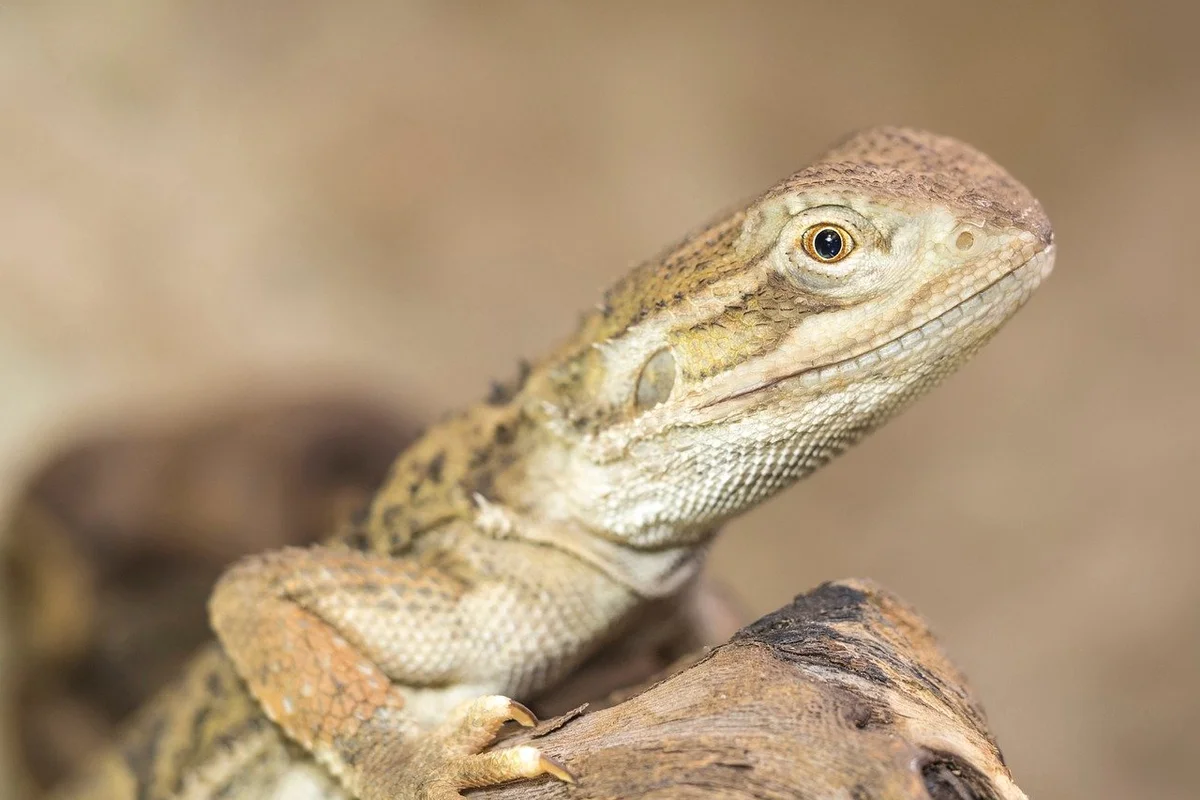
Bath time can feel a little intimidating, but it doesn’t have to be a struggle for you or your dragon. I’ve bathed my fair share of squirmy beardies, and a calm, methodical approach makes all the difference. The goal is a clean, stress-free dragon, not a perfectly choreographed event.
Preparing for Bath Time
Setting the stage is 80% of the battle. A good setup prevents panic and keeps your pet secure.
- Choose Your Tub: I always use a clean plastic tub or bin reserved just for this purpose. A sink can work, but it often has residual chemicals.
- Check the Water: The water should be lukewarm-test it with your wrist, like you would for a baby. It should feel warm but not hot. The depth should never be deeper than your dragon’s armpits when standing.
- Gather Your Gear: Have everything within arm’s reach: a dedicated soft-bristled toothbrush for gentle scrubbing, a clean towel, and your vet-approved cleanser (if needed).
- Pre-Bath Health Check: Quickly look your dragon over. If they have any open wounds, sores, or seem unusually lethargic, skip the bath and consult your vet.
The Bathing Process
Now for the main event. Move slowly and talk to your dragon in a soothing voice.
- Gently place your bearded dragon in the shallow, lukewarm water. Let them get their bearings for a minute.
- Use your hands or a cup to slowly pour water over their back and body. Keep all water away from their face, eyes, and nostrils.
- If you must use a cleanser, put a tiny drop on the soft toothbrush. Gently scrub their body, focusing on dirty scales. You truly need a minuscule amount.
- Thoroughly rinse them by pouring clean water over their body until all soap residue is gone. Any leftover product can irritate their skin and be ingested when they lick themselves.
After-Bath Care and Drying
Getting them dry and cozy is the final, crucial step.
- Immediately wrap your dragon in a soft, dry towel. Gently pat and blot them dry. Don’t rub vigorously.
- I always hold them for a few extra minutes in the towel to ensure they are completely dry and have warmed up.
- Return them to their warm habitat. A nice, dry basking spot is perfect for them to finish regulating their temperature.
- Watch for any signs of stress or adverse reactions over the next few hours, like prolonged hiding, lack of appetite, or unusual skin redness.
Hazardous Products to Avoid Around Your Bearded Dragon
Their world is small, and everything in it can affect them. I’m very strict about what comes into my reptile room because their health is so delicate.
- Household Cleaners: Bleach, ammonia, phenols, and other disinfectants are extremely toxic. Fumes alone can cause serious respiratory infections. Always clean their enclosure with a reptile-safe disinfectant or a diluted vinegar solution, and rinse thoroughly.
- Soaps with Additives: Avoid any soap containing essential oils, heavy fragrances, or deodorants. These chemicals are not meant for reptile skin and can be absorbed, causing systemic issues.
- Human or Pet Shampoos: The pH balance is completely wrong for their skin and will strip their natural, protective oils, leading to dry, cracked scales.
I once made the mistake of using a “natural” citrus-scented spray near my first dragon’s tank, and he spent the whole day glass-surfacing and stressed. Their respiratory systems are highly sensitive, and what smells fresh to us can be overwhelming and harmful to them. The safest rule is to keep all scented products, candles, and air fresheners out of the room they live in. Bearded dragons themselves don’t smell bad when their enclosure is clean. Any odor usually comes from waste or dirty substrate, so regular cleaning and good ventilation will help manage their odor.
Gentle Alternatives to Soap for Cleaning

Soap might seem like a quick fix, but your bearded dragon’s skin is far more sensitive than ours. I’ve found that skipping soap altogether and sticking to gentler methods keeps my dragons healthier and happier. Their skin can absorb chemicals easily, so why risk it?
Water-only baths are my go-to for routine cleaning. A simple soak in lukewarm water works wonders for removing light dirt and encouraging hydration. I give my dragons a bath like this once a week, or after they’ve had a particularly messy meal. It’s perfectly sufficient for everyday grime and helps them relax. To dial in the right frequency, you might consult a complete soaking guide. It explains when to adjust the bathing schedule based on age, health, and environment.
- Use a shallow container filled with water that feels warm but not hot to your wrist. Let them soak for 10-15 minutes while you supervise.
- This method is ideal for general maintenance, after handling, or when they just need a little hydration boost.
- If your dragon has dried food or minor debris, the water will soften it, and you can gently wipe it away with your fingers.
For quick clean-ups between baths, soft cloths or reptile-safe wipes are lifesavers. I always keep a stack of clean, soft cloths dampened with water for spot cleaning faces, feet, or tails. It’s immediate, safe, and doesn’t require any rinsing.
- Choose cloths made from microfiber or other non-abrasive materials to avoid scratching their scales.
- Reptile-specific wipes are available, but check the label for alcohol, fragrances, or other irritants. I prefer plain water on a cloth for total control.
- Gently dab or wipe the soiled area-never scrub hard, as this can stress your pet or damage their skin.
When shedding time comes around, natural aids can make a big difference. Sticking to chemical-free methods prevents irritation and supports a smooth shed. I’ve helped many dragons through sticky sheds with just warm water and patience. Sometimes a shed gets stuck, and I help my bearded dragon by soaking and gently loosening the stubborn area. Patience and chemical-free methods help prevent irritation while getting the shed moving again.
- Increase the frequency of warm water baths during shedding to help loosen the old skin. The hydration is key.
- After a soak, you can use a soft-bristled toothbrush or your fingers to very gently rub areas where skin is clinging, but never pull.
- Ensure their habitat has proper humidity and rough surfaces like rocks or logs for them to rub against naturally.
Safely Cleaning Your Bearded Dragon’s Environment
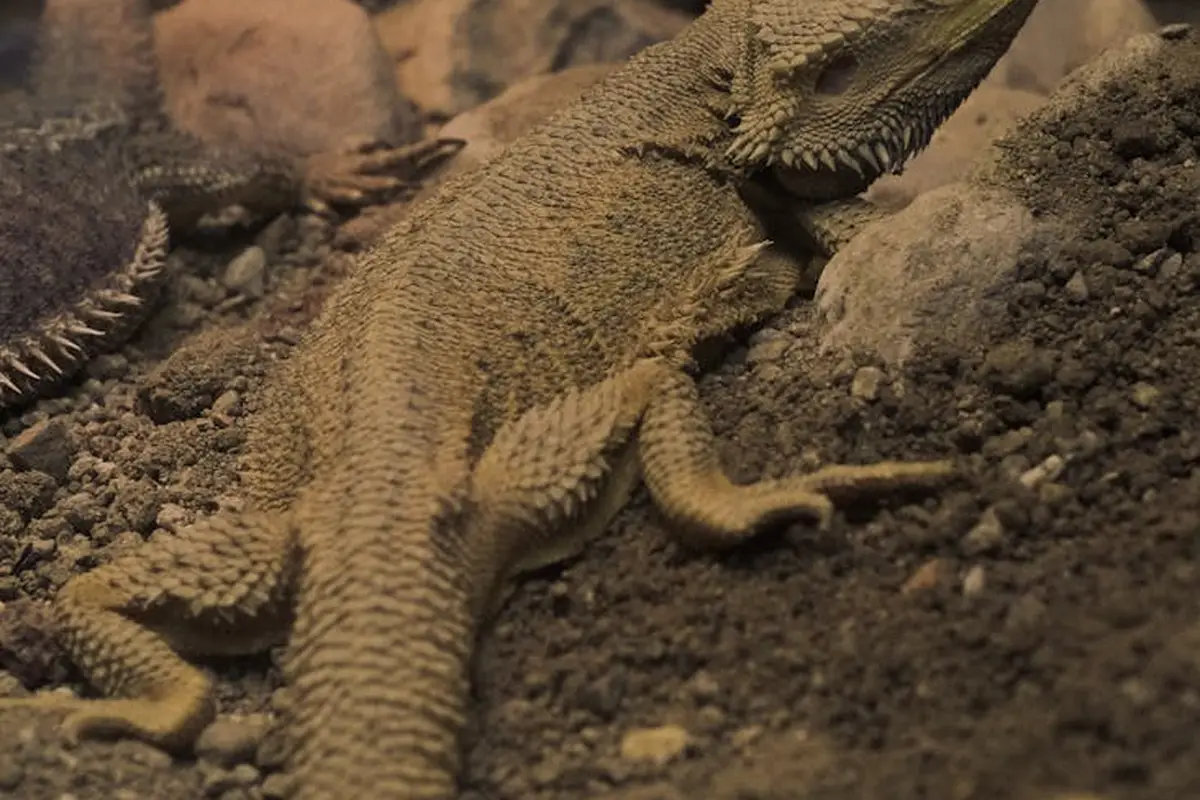
Your dragon’s tank is their whole world, so keeping it clean without toxic residues is non-negotiable. I’ve learned that a clean habitat prevents illness and reduces stress for your pet. Harsh chemicals have no place in their space. For a healthy bearded dragon tank setup, follow a guide that covers essential equipment, safe decor, and overall safety. A good setup also means regular checks on temperature, UVB lighting, and secure enclosure placement.
Stick to safe, non-toxic cleaners for all surfaces and accessories. White vinegar diluted with water is my top choice because it disinfects effectively and breaks down waste without harsh fumes. A 50/50 mix in a spray bottle does the job for glass, plastic, and decor.
- For tougher jobs or disinfecting after illness, a diluted bleach solution (one part bleach to ten parts water) can be used, but rinse everything multiple times.
- Commercial reptile-safe cleaners are available, but I always read ingredients to avoid hidden chemicals. Simpler is often better.
- Avoid all-purpose household cleaners, aerosols, or products with pine or citrus oils, as these can be toxic to reptiles.
Preventing residue is critical for your dragon’s safety. Thorough rinsing is the most important step to remove any cleaning solution traces. I rinse everything at least twice with fresh water and let it air dry completely.
- Use separate cloths or sponges dedicated only to tank cleaning to avoid cross-contamination from other household chemicals.
- After cleaning, run your hand over surfaces to check for any slickness or smell; if present, rinse again.
- Allow accessories and the tank to dry fully in a well-ventilated area before reintroducing your dragon to prevent moisture-related issues.
Establishing a routine keeps the habitat consistently healthy. Daily spot cleaning and weekly deep cleans prevent waste buildup and harmful bacteria. This habit has kept my dragons thriving for years.
- Remove feces and uneaten food daily with a scooper or paper towel to maintain freshness.
- Once a week, do a full tank clean: remove everything, clean with your safe solution, rinse well, and replace substrate if used.
- Monthly, inspect and clean hard-to-reach spots like under hides or in corners where mold or mites might hide.
Frequently Asked Questions
How often is it safe to use soap on my bearded dragon?
Soap should only be used in rare emergencies, such as removing oily or toxic substances, and not for regular baths. For routine cleaning, rely on lukewarm water soaks to prevent skin irritation and chemical absorption.
What should I do if my bearded dragon shows signs of a reaction to a cleaning product?
Immediately rinse the affected area with water and contact a reptile veterinarian for guidance. Watch for symptoms like redness, swelling, or lethargy, as these could indicate toxicity or an allergic response.
Can I use soap to clean my bearded dragon’s food and water dishes?
Avoid using soap on their dishes; instead, clean them with hot water and a reptile-safe disinfectant or diluted vinegar solution. Always rinse thoroughly to eliminate any residue that could harm your dragon if ingested, especially when feeding them or placing food in the dish.
Final Thoughts
When it comes to soap and your bearded dragon, the safest choice is always to avoid it entirely. Their unique skin simply can’t handle the chemicals and detergents we use. A simple, warm water bath is the most effective and safest way to get them clean. For a complete guide, safety, shedding, and tap water usage are covered. It explains when baths are needed and how to bathe safely at home.
Extending this “less is more” mindset to all the products in your dragon’s life will keep them healthy and stress-free. Stick to reptile-specific cleaners for their habitat and always double-check the ingredients in anything that comes near your scaly friend.
Further Reading & Sources
- r/BeardedDragons on Reddit: Is there a good soap for beardies?
- Safe beardie soaps? | General Discussion
- Natural Dragon Wash Soap – BeardedDragon.co
Bearded Dragon Lair is the ultimate resource for bearded dragon enthusiasts, offering expert advice and practical tips to ensure the health and happiness of your scaly companion. With years of experience in reptile care, we are dedicated to providing accurate, up-to-date information to support your bearded dragon journey.
Bath Time Fun