Why Do Bearded Dragons Sleep Standing Up?
Published on: September 15, 2026 | Last Updated: September 15, 2026
Written By: Beardie Joe
If you’ve ever walked into your reptile room late at night to find your bearded dragon sleeping in a bizarre, upright position, you know how strange-and slightly concerning-it can look.
As a long-time beardie owner, I’ve seen all their quirky sleep habits firsthand, and I’m here to help you understand what’s normal and what might need a second look.
We’ll explore the reasons behind standing sleep, decode other weird positions like glass surfing and pancaking at night, and I’ll tell you the one sign that means you should call your vet.
Decoding Bearded Dragon Sleep Postures
You might walk past your dragon’s tank one night and do a double-take. Is he sleeping like that? Bearded dragons have a repertoire of sleep positions that can seem bizarre to us. The most common ones you’ll see are standing up, often pressed against the glass or a branch; perching up high on a favorite piece of decor; or completely hidden away in a cave. Sometimes they even sleep on the glass, which can be puzzling.
Seeing your dragon frozen in a standing position can be startling at first. I remember the first time I saw my dragon, Spikes, asleep on his tallest branch, standing tall with his eyes shut. My initial thought was pure panic, wondering if something was terribly wrong. Seeing such varied postures is typically just normal, fascinating reptile sleep behavior. Their instincts run deep, even in the safety of our homes.
The Reasons Behind Sleeping Upright
So, why do they choose such an awkward-looking position? The reasons are rooted in their biology and wild ancestry.
- Evolutionary Behavior and Safety: In the wild, a sleeping dragon is a vulnerable dragon. Sleeping upright, often in a elevated spot, allows them to appear larger and more alert to potential predators. It’s a built-in survival mechanism. This posture lets them spring into action faster than if they were sprawled out flat.
- Thermoregulation Needs: Your dragon’s body temperature is critical. The spot where they fall asleep might be the perfect temperature, and moving could mean getting too cold. I’ve noticed Spikes will often sleep standing right on the edge of his basking platform, soaking up the residual heat long after his lights have turned off for the night.
- Natural Roosting Instincts: Bearded dragons are semi-arboreal, meaning they naturally climb and perch in trees and shrubs. Sleeping upright on a branch or hammock is simply them following a deep-seated instinct to roost up high, away from ground-level dangers.
- Circadian Rhythm and Light: Their sleep cycles are heavily influenced by light. A dragon sleeping pressed against the glass might be following the last sliver of moonlight or a dim light from another room. Ensuring their tank is in a dark, quiet place at night helps mimic their natural environment and promotes deeper, more relaxed sleep.
Other Common Weird Sleeping Habits
Sleeping with Eyes Open or Closed
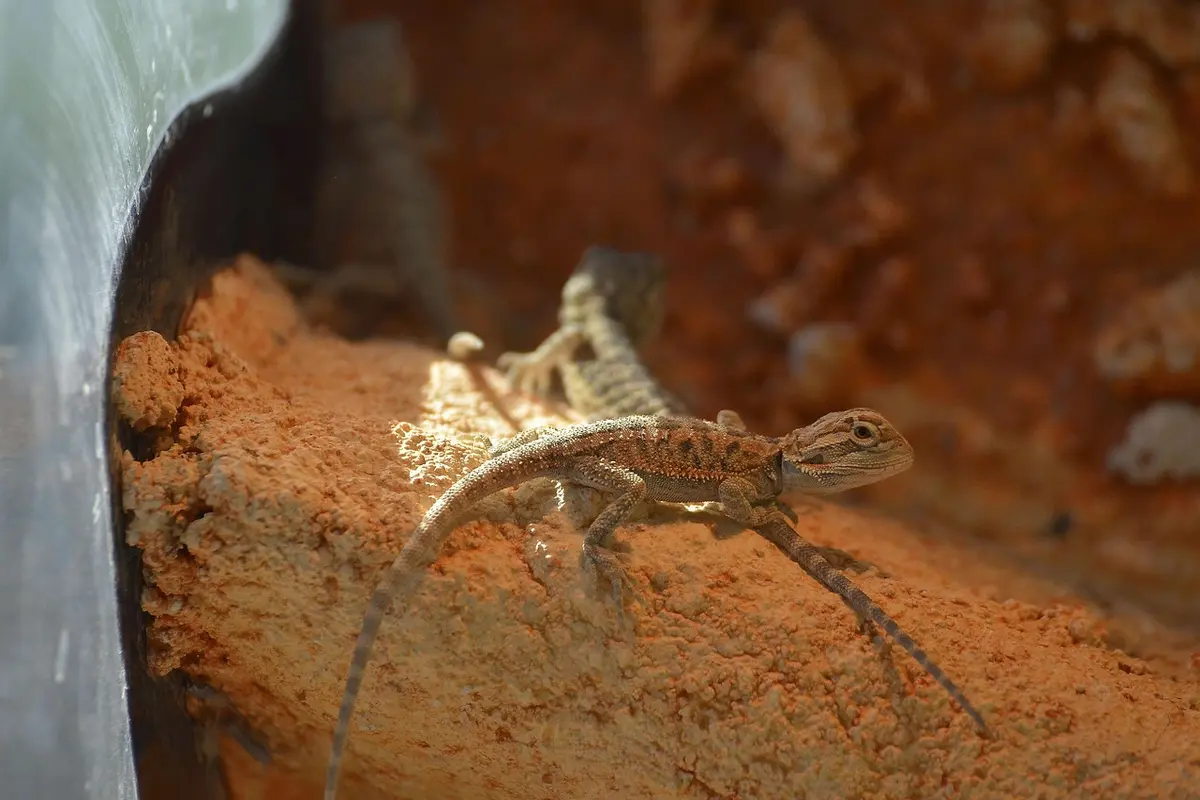
It can be startling to see your bearded dragon sleeping with its eyes partially or fully open. This is often completely normal and is a leftover instinct from the wild, allowing them to stay alert for predators. They have a semi-transparent third eyelid, called a nictitating membrane, that they can see through while keeping their eye moist and protected. You can learn more about their third eye and its function on their third eye explained page.
Reptiles don’t experience sleep cycles exactly like mammals do, but they do have periods of deeper rest. A dragon with its eyes fully closed is likely in a deeper, more restful state of sleep. The real concern is if the eyes appear sunken, are crusted shut, or if the dragon is struggling to open them when awake, as this can signal dehydration or illness.
Sleeping in Hides or Buried
Finding your dragon completely vanished at bedtime can be a mini heart attack, until you spot a lump under the substrate or a tail poking out of a hide. This burrowing or hiding behavior is a powerful instinct for security and comfort. In the wild, a hidden dragon is a safe dragon, protected from nighttime predators and harsh elements. When you’re worried and your dragon seems to hide more than usual, that hiding can be a cue that something at home is stressing him—so it’s a good moment to check the enclosure, lighting, temperature, and daily routine. Understanding when hiding is normal versus a sign of concern helps you respond appropriately.
My own dragon, Puff, would meticulously dig a little divot in his corner to sleep in every single night. Providing a snug hide on both the warm and cool sides of the enclosure is crucial. It gives them a choice and allows them to self-regulate their sense of safety, leading to much better quality sleep.
Unusual Positions: On Back or Side
While a dragon sleeping upright is common, finding one completely on its back or side is more alarming. Seeing a bearded dragon on its back is almost always a serious medical emergency and requires an immediate vet visit. They lack the diaphragm mammals have and this position can severely compress their lungs. If you’re worried about why your dragon is sleeping so much, keep in mind that stress or illness can increase lethargy. Ensure your enclosure provides proper heat, UVB, and hydration, and consult a vet if the sleepiness continues.
Sleeping on their side, however, can sometimes be a harmless, quirky position for a deeply sleeping dragon, especially if they’ve just slid off their basking spot. I’ve seen Puff do this a handful of times and he was perfectly healthy. The key is context; if it’s a one-off and the dragon is otherwise active and eating, it’s likely fine. If it’s a new, frequent habit paired with lethargy, it’s a red flag.
Normal Sleep Patterns vs. Warning Signs
Understanding what’s normal for your bearded dragon is the first step in spotting problems. A healthy adult dragon will typically sleep for 8-12 hours each night, synced with the light cycle. They are diurnal, meaning they are active during the day and sleep at night. Unlike when they brumate, they usually have consistent sleep patterns.
You need to watch for these specific red flags that suggest a vet visit is needed:
- Lethargy that continues into the daytime hours.
- A sudden, drastic change in their established sleep routine.
- Combining multiple odd behaviors, like sleeping all day, refusing food, and sleeping in strange positions.
- Any signs of labored breathing or weakness.
I strongly advocate for keeping a simple journal to track your dragon’s habits, as this provides your veterinarian with invaluable, objective data. Note down sleep times, eating habits, and any unusual behaviors. A pattern is much easier to see on paper than to recall from memory during a stressful vet appointment.
Environmental Factors Influencing Sleep
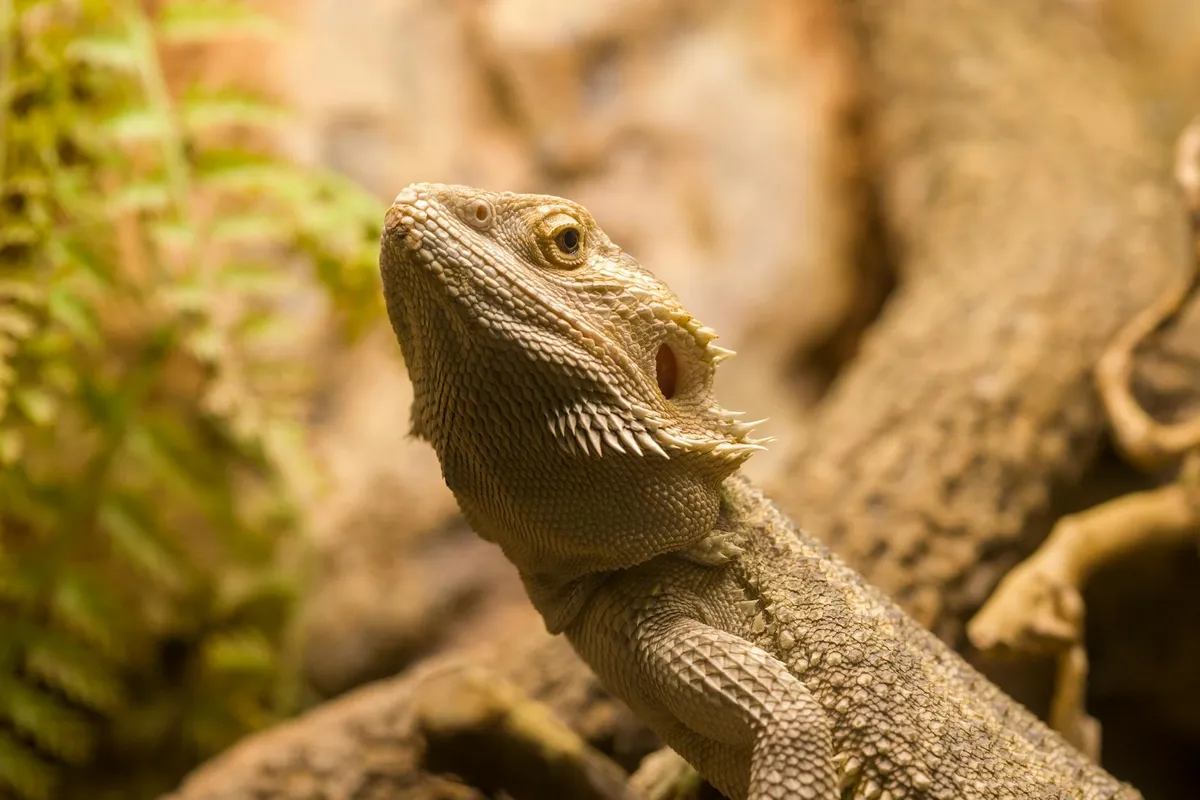
The quality of your bearded dragon’s sleep is directly tied to their habitat setup. Getting the environment wrong is a fast track to a stressed, sleep-deprived pet. A complete guide to their sleep behavior can help you understand whether they are nocturnal or diurnal and how to support their rest. Knowing their rhythm helps you tailor lighting and temperatures for better sleep.
- Temperature: A significant nighttime temperature drop is natural and necessary. Aim for 65-75°F (18-24°C). If your house gets colder, use a ceramic heat emitter which provides heat without light.
- UVB Lighting: Proper UVB exposure during the day is critical for their calcium metabolism and overall health. A dragon without adequate UVB can become lethargic and ill, disrupting its entire cycle.
- Light Cycles: Bearded dragons rely on a consistent day/night cycle to regulate their sleep. This cycle directly influences their production of melatonin, the hormone that promotes sleep. Use a timer for your lights to ensure they get 12-14 hours of consistent light and 10-12 hours of complete darkness and quiet.
To optimize their habitat for perfect sleep, ensure their enclosure is in a low-traffic area of your home. Covering the tank front with a breathable cloth at night can block out stimulating room lights and TV screens, mimicking the total darkness of their natural environment.
Health Concerns Linked to Sleep Issues
While a dragon snoozing on its feet is usually just being a dragon, some sleep habits are red flags. You need to pay close attention when their sleep patterns shift dramatically or are paired with other symptoms.
Sleep Problems That Signal Trouble
Look out for these behaviors. One on its own might be nothing, but a combination often means a vet visit is needed.
- Sleeping constantly during the day, even with the lights on.
- Struggling to find a comfortable position, or seeming restless.
- Sleeping entirely in the open for multiple nights in a row, refusing to use their hide.
- Labored breathing or gaping (holding their mouth open) while trying to rest.
- Sleeping pressed against the cool glass of the terrarium for extended periods.
When to Consult a Vet
Don’t wait and see. If strange sleep is combined with lethargy, loss of appetite, or discolored poop, it’s time for a professional opinion. Reptiles are masters at hiding illness, so by the time symptoms are obvious, they can be very sick. A good exotics vet can run tests for parasites, respiratory infections, or metabolic bone disease, all of which can cause these issues.
A Personal Story: My Dragon Jasper
My oldest dragon, Jasper, once started sleeping in a weird, contorted position in his cold corner. He was also ignoring his favorite roaches. I initially thought he was just being fussy. After two days, I knew it was more. The vet discovered a minor impaction. Catching it early meant a simple treatment and a quick recovery. That experience taught me to always trust my gut when my dragon’s normal behavior changes.
Tips for Supporting Healthy Sleep
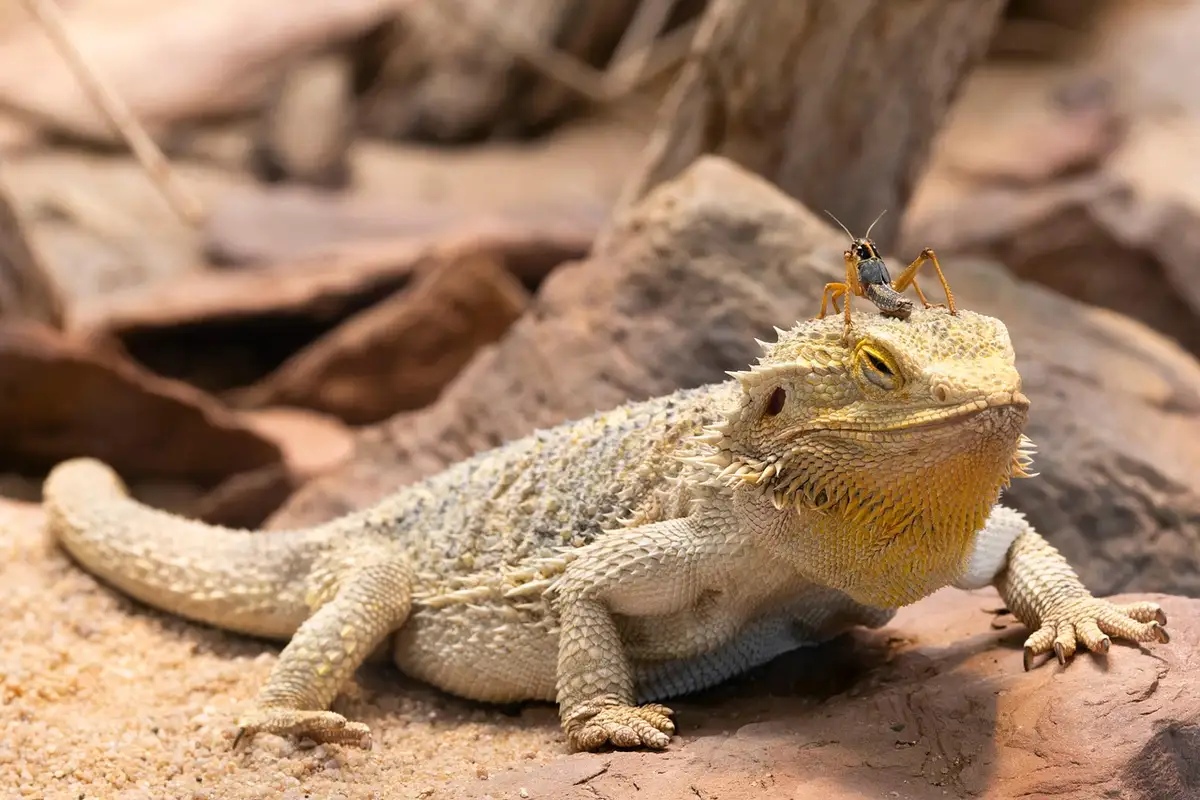
Creating the right environment is everything for a good dragon sleep. Think of their tank as their entire world. Your goal is to make that world safe, predictable, and comfortable. A stressed dragon is a sleep-deprived dragon.
Practical Steps for Better Dragon ZZZs
Provide Proper Hides
Your dragon needs at least one, but ideally two hides. Place one on the warm end and one on the cool end so they can choose based on their temperature needs. The hide should be just big enough for them to fit inside snugly, making them feel secure and hidden from view.
Maintain Consistent Lighting
Dragons thrive on routine. Use a timer for your heat and UVB lights to create a consistent day/night cycle of 12-14 hours of light and 10-12 hours of darkness. Complete darkness at night is crucial. If your room is never dark, consider a ceramic heat emitter for nighttime warmth instead of a light-based heat source. This aligns with a bearded dragon lighting guide by emphasizing UVB requirements and reliable heat lamps for a proper daily light cycle. A consistent routine supports healthy basking and overall well-being.
Create Safe Basking Areas
Their basking spot isn’t just for digesting food. It’s where they thermoregulate and often take quick naps. Ensure the basking platform is sturdy, wide, and positioned at the correct temperature for your dragon’s age. A wobbly branch or a spot that’s too hot will cause stress, not rest.
Monitor and Adjust for Your Dragon
Every bearded dragon has its own personality. The single best thing you can do is observe your pet and adjust their habitat to suit their unique preferences. One of my dragons loves a flat rock to sprawl on, while another will only sleep curled in a half-log. Watch where they choose to sleep and make that spot even better for them. Their well-being depends entirely on the care you provide. If you’re just starting out, this is the kind of practical care you’ll find in a complete beginners guide to taking care of bearded dragons. That guide walks you through setting up the right enclosure, lighting, feeding, and daily monitoring to keep your dragon healthy and happy.
Frequently Asked Questions
Is it normal for bearded dragons to change their sleep positions frequently?
Yes, varying sleep positions is normal as bearded dragons adjust for comfort and temperature, but sudden, frequent shifts paired with other symptoms like lethargy may signal stress or health issues. If you’re wondering why your bearded dragon is lethargic, you’re not alone. Common causes to watch for include improper lighting or basking temperatures, dehydration, and parasites.
How does diet affect bearded dragon sleep?
A proper diet supports healthy sleep by preventing digestive discomfort, while overfeeding or nutrient imbalances can lead to restlessness or increased basking needs that disrupt their rest.
Can bearded dragons sleep with other pets in the room?
They can sleep with other pets if the room is quiet and stress-free, but it’s best to place their enclosure in a low-traffic area to avoid disturbances that could interrupt their sleep cycle.
Final Thoughts
Seeing your bearded dragon sleep standing up can be startling, but now you know it’s usually just a quirky sign of a lizard feeling secure in its favorite spot. This unique posture is often a simple testament to their instinct to find the perfect, elevated sleeping nook. I’ve learned to see it as a compliment from my own dragons—it means they feel safe and content in their home. Some owners say they seem to drift into a dreamlike sleep when tucked into a secure bed. A safe sleeping nook with proper heat and space helps those dreams stay peaceful and keeps your dragon safe at night.
While most of their weird sleeping habits are harmless, always trust your gut as a pet owner. Your consistent observation is the single most powerful tool you have for ensuring their long-term health and happiness. When in doubt, a quick check-in with a reptile-savvy vet can give you the ultimate peace of mind.
Further Reading & Sources
- Bearded Dragon Sleep & 5 Surprising Sleeping Habits
- Zzz… Your Guide to Bearded Dragon Sleep – ABDRAGONS
- How Does a Bearded Dragon Sleep? Vet-Approved Facts | Hepper Pet Resources
Bearded Dragon Lair is the ultimate resource for bearded dragon enthusiasts, offering expert advice and practical tips to ensure the health and happiness of your scaly companion. With years of experience in reptile care, we are dedicated to providing accurate, up-to-date information to support your bearded dragon journey.
Heating and Lighting