
Can Bearded Dragons Eat Dead or Freeze-Dried Crickets? (Live vs. Prepared Options)
Published on: September 9, 2026 | Last Updated: September 9, 2026
Written By: Beardie Joe
If you’re staring at a container of dead or freeze-dried crickets and asking if they’re okay for your beardie, you’ve come to the right place. This is one of the most common feeding dilemmas I see, and it’s smart to question it.
I’ve raised several bearded dragons and learned through both study and hands-on care what keeps them thriving. My experience has taught me that their diet directly impacts their vitality and happiness.
We’ll break down the safety and nutrition of prepared crickets, compare them to live feeders, and give you clear options for a balanced diet.
Understanding the Safety of Dead Crickets for Bearded Dragons
So, can your bearded dragon eat a dead cricket? The short answer is yes, but with a massive, non-negotiable condition attached. The cricket must have been recently killed and properly stored, or it must be a commercially prepared, human-grade freeze-dried insect. A cricket that has been dead in your feeder bin for an unknown amount of time is a hard no. For a complete bearded dragons eat crickets guide, this topic covers live vs dead options and wild varieties, helping you decide what’s best for your pet.
Let’s break down the real risks of offering the wrong kind of dead cricket:
- Bacterial Growth: A dead cricket at room temperature is a tiny petri dish. Bacteria like Salmonella multiply rapidly, posing a serious health risk to your dragon. I’ve seen dragons get lethargic and refuse food after eating a questionable insect, and it’s a scary sight.
- Nutrient Spoilage: As a cricket decomposes, its nutritional value plummets. The fats become rancid, and key vitamins degrade. You’re essentially offering an empty, and potentially harmful, calorie.
- Parasite Transmission: While less common with captive-bred feeders, a dead cricket can still harbor parasites. The decaying process doesn’t necessarily kill them, and a compromised insect is easier for parasites to thrive on.
From my own experience, I’ve noticed my dragons show almost zero interest in a cricket that has died naturally in their enclosure. They’ll sniff it and walk away, which tells me their instincts are smarter than we sometimes give them credit for. Their natural hunting drive is triggered by movement, and a still, dead insect simply doesn’t register as food to them in the same way.
Nutritional Breakdown: Live vs. Freeze-Dried Crickets
When you look at the raw numbers, the differences between live and prepared crickets are stark. It’s not just about protein; it’s about the entire nutritional package your dragon needs to thrive.
Here is a simple comparison to illustrate the key differences:
| Nutrient Factor | Live Cricket | Freeze-Dried Cricket |
|---|---|---|
| Protein Content | High and bioavailable | High, but less bioavailable |
| Moisture Level | ~70% – Hydrating | ~5% – Dehydrating |
| Gut Loading Potential | Excellent – you control the nutrients | None – nutrients are fixed at processing |
The moisture level is a huge deal that many new owners overlook. Bearded dragons get a significant portion of their hydration from their live food, so a diet heavy in freeze-dried insects can quickly lead to dehydration. You must always have a fresh water bowl available and may need to assist with hydration if you use them. Learn how to hydrate a bearded dragon and what to do if it’s dehydrated.
Gut loading is where live crickets truly shine. I spend 24-48 hours before feeding my dragons, packing my crickets with nutritious greens and commercial gut-load food. This process transfers those vital vitamins and minerals directly to my pets. With freeze-dried crickets, what you see is what you get; there is no way to enhance their internal nutrient profile.
Calcium supplementation is also trickier with freeze-dried options. The dust often doesn’t stick as well to the dry, brittle exoskeletons. More importantly, you must be vigilant about the calcium-to-phosphorus ratio. An imbalance, specifically too much phosphorus, can prevent your dragon from absorbing calcium, leading to metabolic bone disease, a devastating and preventable illness. Always check the packaging of prepared insects for this ratio.
Pros and Cons of Prepared Cricket Options
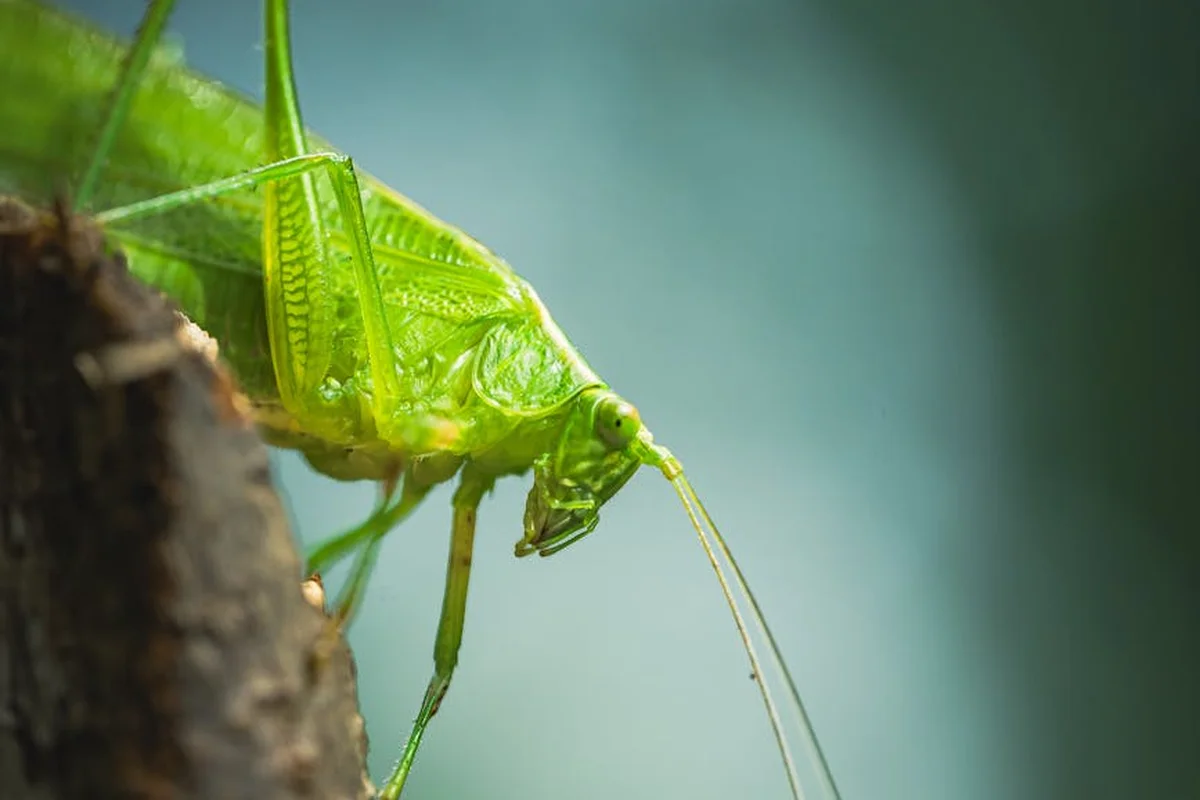
Let’s be real, the idea of not having to deal with a chirping, hopping cricket bin is pretty appealing. I’ve been there. Prepared crickets offer some genuine perks for our busy lives.
Advantages of Dead or Freeze-Dried Crickets
- Convenience is King: You can grab a tub and feed instantly. No chasing, no maintenance. It’s a lifesaver when you’re short on time.
- Longer Shelf Life: A sealed container of freeze-dried crickets can last for months in your pantry. You’ll never have to worry about a colony dying off unexpectedly.
- Zero Escape Risk: This is a big one in my house. No more finding rogue crickets behind the furniture or listening to them chirp all night.
Disadvantages of Prepared Crickets
- Lower Hydration: This is the biggest trade-off. Bearded dragons get a lot of their water from their live food. Feeding only dry insects can quickly lead to dehydration.
- Potential for Lower Nutrition: The freeze-drying process can degrade some heat-sensitive vitamins. They just aren’t as nutritionally complete as a gut-loaded live cricket.
- Lack of Enrichment: The hunt is gone. Live prey stimulates your dragon’s natural instincts and provides mental and physical exercise. A motionless bug doesn’t offer that.
Using these as a staple severely limits diet variety. Your dragon misses out on the hydration and the nutritional benefits of a fresh, gut-loaded insect. I treat them like the reptile-care equivalent of a frozen pizza-fine in a pinch, but not a balanced diet.
Health Risks and Feeding Safety with Prepared Crickets
Safety first, always. While convenient, these prepared options come with specific risks you need to manage.
- Choking and Impaction Hazards: Dry, brittle insects can be difficult to swallow and digest. Without enough moisture, they can swell inside your dragon’s gut, leading to a serious impaction. This is a primary reason I always rehydrate them.
- Bacteria and Parasites: The risk is lower than with poorly kept live feeders, but it’s not zero. Reputable brands that use proper processing are your best defense. Always check the packaging for quality assurance.
How to Assess Cricket Quality Before Feeding
- Smell Them: They should have a mild, almost nutty scent. If they smell foul, rancid, or dusty, toss the entire container immediately.
- Check the Color: They should look like a normal cricket, not faded or discolored. Avoid any batches with a lot of debris or crushed insects.
- Inspect the Package: Ensure the seal is intact and the packaging isn’t damaged. Moisture is the enemy of freeze-dried products.
How to Properly Feed Dead or Freeze-Dried Crickets
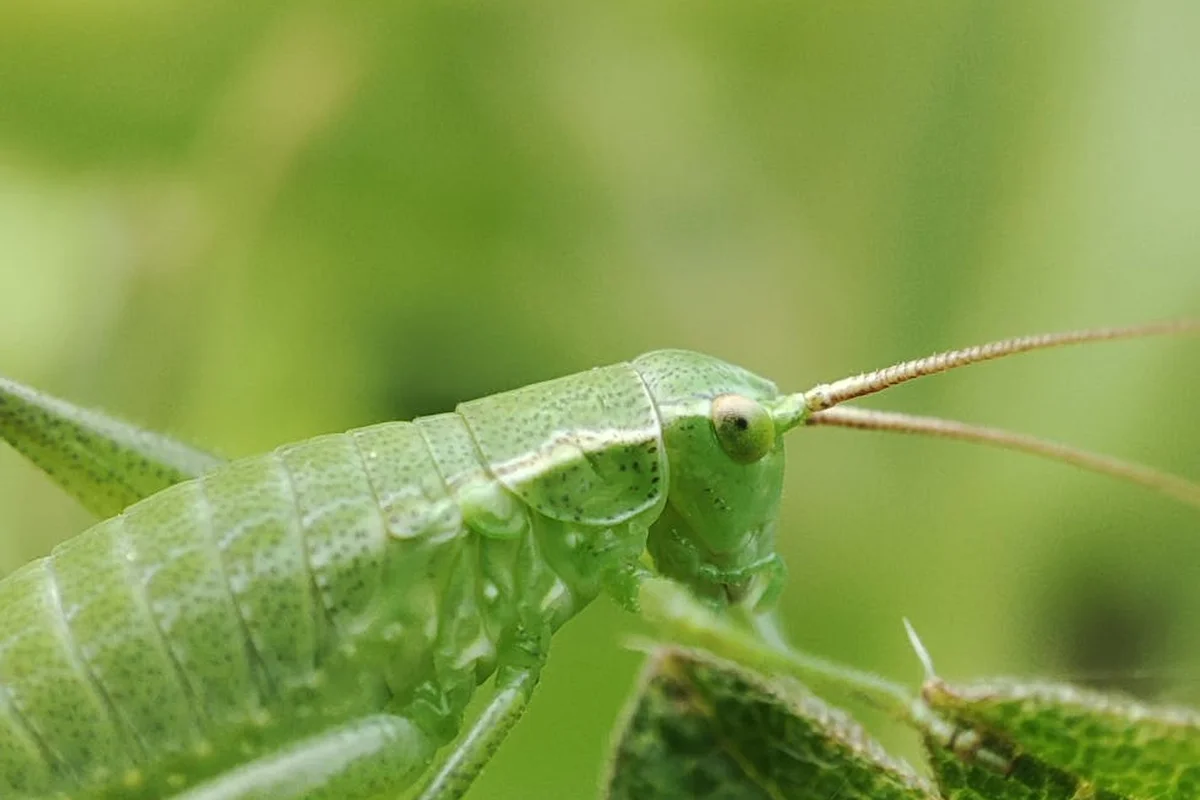
If you’re going to use them, doing it right makes all the difference for your dragon’s health. Here is my personal routine.
Steps for Rehydrating Freeze-Dried Crickets
- Place the desired number of crickets in a small, shallow dish.
- Add just enough warm (not hot) water to barely cover them.
- Let them soak for 5-10 minutes. You’ll see them plump up.
- Drain off all excess water thoroughly. You want them moist and soft, not sitting in a puddle.
Dusting with Calcium and Vitamins
This step is non-negotiable. Place the rehydrated crickets in a plastic bag or a dedicated dusting container with your calcium or multivitamin powder. Gently shake until they are lightly coated. The moisture helps the powder stick much better than it would to a dry cricket.
Feeding Frequency and Portion Sizes
I strictly use prepared crickets as an occasional supplement or emergency meal. A good rule is to offer them no more than once or twice a week, and never as the only insect in a feeding. For adults, aim for daily feedings with a balanced diet of insects and greens. Keep prepared crickets as a supplement rather than the main daily insect source. For portion size, offer the same number you would of live crickets, but always monitor to ensure your dragon is swallowing them easily and drinking water regularly.
Choosing Between Live and Prepared Crickets for Your Bearded Dragon
Deciding what to feed your bearded dragon can feel overwhelming, but it boils down to their health and happiness. Live crickets should be your go-to for regular feeding because they offer unmatched mental stimulation and a more complete nutritional profile. I always prioritize live insects for my own dragons—watching them chase and catch prey is a joy, and it keeps their instincts sharp. Knowing how often to feed your bearded dragon crickets is essential for maintaining their health.
Use live crickets to encourage natural behaviors and ensure nutrient intake. The wiggling movement of live prey triggers your dragon’s hunting drive, providing essential exercise and preventing boredom. I’ve noticed my bearded dragons become more alert and active during live feedings, which supports their overall well-being. To keep handling minimal, you can feed crickets without touching them using long tweezers or a feeding wand. This method also helps reduce stress for sensitive dragons.
- Enrichment benefits: Live crickets make mealtime engaging, reducing stress and promoting physical activity.
- Nutrition balance: Gut-loaded live crickets deliver higher moisture, protein, and vitamins compared to dried options.
Prepared crickets have their place in specific situations. Dead or freeze-dried crickets work well for short-term needs like travel or unexpected shortages. When I took my dragons on a family vacation, freeze-dried crickets were a lifesaver-no escapes, no mess, and they still ate.
- Travel: Pack prepared crickets for convenience and portability.
- Emergencies: Keep a stash for times when live feeders aren’t available.
Insects are a cornerstone of bearded dragon nutrition. A varied insect diet provides the protein and energy your reptile needs to thrive, but it must be part of a balanced menu with vegetables and occasional fruits. I rotate feeders to mimic the diversity they’d find in the wild, which helps prevent nutritional gaps, ensuring they get what they need as outlined in this comprehensive feeding guide for pets and wild dragons.
Sourcing and Storing Prepared Feeder Insects
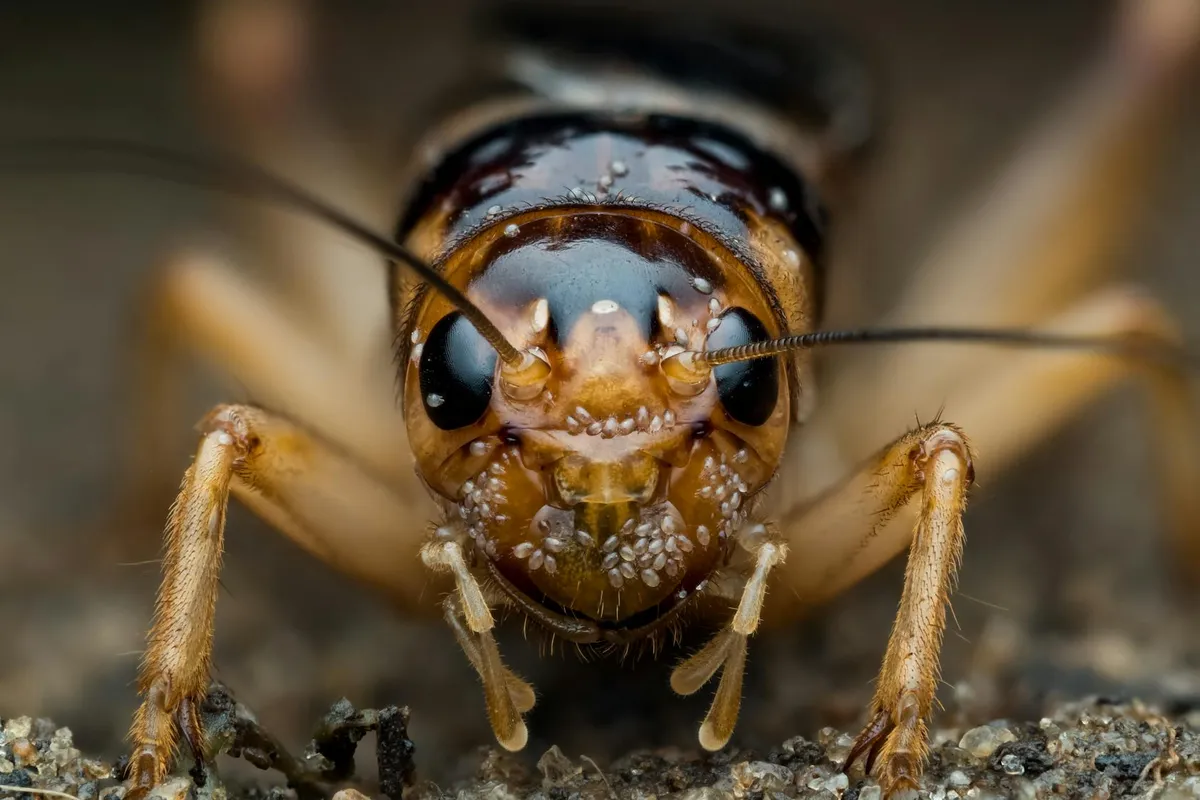
Finding good prepared crickets starts with trusted suppliers. Select freeze-dried or dead crickets from reputable brands that focus on reptile nutrition to avoid contaminants and poor quality. I stick with well-known companies and read ingredient labels-nothing should be added except the insects themselves.
- Look for products with a fresh smell and intact bodies; avoid any with dust, mold, or odd colors.
- Buy from specialty pet stores or online retailers with positive reviews from reptile owners.
Storage is crucial to keep prepared crickets safe and nutritious. Store them in airtight containers in a cool, dark place to preserve protein and prevent spoilage from moisture or pests. In my experience, a sealed jar in the pantry works best, and I always use them before the expiration date.
- Keep containers closed tightly to maintain freshness and nutrient levels.
- Check regularly for signs of degradation, like clumping or off odors, and discard if unsure.
Comparing store-bought to live-reared options highlights key differences. Store-bought prepared crickets are convenient and reduce parasite risks, but live-reared insects you grow yourself can be gut-loaded for superior nutrition. I’ve raised my own crickets before, and while it takes effort, the health benefits for my dragons are worth it.
- Store-bought: Safer and easier, but may have lower moisture and vitamin content.
- Live-reared: More work, but you control their diet, leading to healthier feeders for your pet.
Frequently Asked Questions
How do I know if my bearded dragon is dehydrated from eating freeze-dried crickets?
Watch for signs like sunken eyes, lethargy, or wrinkled skin, and always provide a fresh water bowl to help prevent dehydration when using dry insects.
Are there any vitamins or supplements I should avoid when feeding prepared crickets?
Avoid supplements with high phosphorus levels, as this can hinder calcium absorption and increase the risk of metabolic bone disease in your bearded dragon. This is especially important when feeding them vegetables like spinach, which contain calcium oxalate that further reduces calcium availability.
Can I mix live and prepared crickets in the same feeding?
Yes, combining them occasionally can add variety, but prioritize live crickets for most feedings to ensure proper hydration, nutrition, and enrichment for your pet.
The Final Scoop
At the end of the day, live, gut-loaded crickets are the unbeatable champions for your bearded dragon’s health and happiness. They provide essential hydration and trigger your dragon’s natural hunting instincts, which is vital for their mental and physical well-being. In a complete feeding guide, you’ll learn how many crickets to feed at each life stage—babies, juveniles, and adults. From hatchlings to full-grown adults, the number and size of crickets you offer will change, so following a life-stage feeding guide is essential.
Think of dead or freeze-dried crickets only as a very occasional plan B when live feeders are truly unavailable. They lack moisture and nutritional completeness, so they should never become a staple in your dragon’s diet. From my own experience, watching them hunt is half the joy of keeping these amazing pets! In a bearded dragon complete care guide, you’ll learn how to keep crickets alive longer and how to feed them properly to maximize their benefits for your dragon. This practical how-to keeps live feeders viable and your pet thriving.
Further Reading & Sources
- r/BeardedDragons on Reddit: Should I feed him crickets?
- Crickets – Bearded Dragon Advice
- How Many Crickets to Feed a Baby Bearded Dragon?
Bearded Dragon Lair is the ultimate resource for bearded dragon enthusiasts, offering expert advice and practical tips to ensure the health and happiness of your scaly companion. With years of experience in reptile care, we are dedicated to providing accurate, up-to-date information to support your bearded dragon journey.
Insects vs. Vegetables