Why Is My Bearded Dragon’s Poop White? A Guide to Healthy Poop
If you’ve just spotted a white deposit in your bearded dragon’s tank, you’re probably wondering if something is wrong.
As a long-time beardie owner, I’ve cleaned my fair share of enclosures and I’m here to help you understand what you’re seeing.
We’ll cover what that white part actually is, when it’s perfectly normal, and the specific signs that mean it’s time for a vet visit.
What Healthy Bearded Dragon Poop Should Look Like
Getting to know your dragon’s “business” is one of the most useful skills you can develop as an owner. I’ve learned over the years that a quick daily check of the tank floor tells me almost everything I need to know about my dragon’s well-being. That awareness naturally leads to a practical bearded dragon tank cleaning guide—covering a simple schedule, effective methods, and safe cleaning solutions for the enclosure. A clean tank supports health and reduces stress for your dragon.
A healthy bearded dragon poop has two distinct parts that you should see.
- The Feces: This is the brown part. It should be a firm, log-shaped brown, often tinged slightly green depending on what they’ve eaten.
- The Urates: This is the white part. It should be a soft, chalky white, similar in consistency to toothpaste.
The combination of formed brown feces and soft white urates is the gold standard for healthy poop colors.
Stool consistency is key. It should be solid enough to pick up without leaving a smeary mess. If it’s too runny or too hard, it’s a signal that something is off.
For stool frequency, adults are less frequent poopers. My adult dragons might only go once every day or two, sometimes even less. Juveniles, who eat more insects, will often poop once or even twice a day. Any sudden, major change in their routine is more concerning than the schedule itself. In a quick poop guide for all ages, you’ll see what’s normal at each life stage. It also helps owners know when a change warrants veterinary attention.
Understanding White Poop: Urates and Common Causes
Seeing white in your dragon’s poop is completely normal-it’s the urates! Reptiles excrete uric acid instead of liquid urine, which forms those pasty white blobs. The concern isn’t the presence of white, but its condition and what accompanies it.
Problems arise when the urates become hard, chalky, and yellow, or when the brown fecal part is missing entirely and you only see white. This is your dragon’s way of sending you an SOS.
Dehydration and Its Impact
This is the most common reason I see for abnormal urates. When a dragon isn’t taking in enough water, their body conserves it, leading to highly concentrated, hard urates.
Watch for these dehydration signs:
- Sunken eyes
- Loose, wrinkly skin
- Loss of appetite
- Lethargy and lack of energy
Proper hydration is the simplest and most effective fix for a huge number of health issues. If your bearded dragon seems dehydrated, address hydration promptly. To rehydrate your bearded dragon, try these steps:
- Offer a warm bath for 15-20 minutes. They often drink from the bathwater.
- Mist their salad greens thoroughly with water before serving.
- Drip water slowly onto their snout with a dropper.
- Consider offering water-rich foods like watermelon or cucumber as a hydrating treat.
Diet Imbalances and Nutrient Issues
What goes in directly affects what comes out. A diet too high in phosphorus can bind to calcium and prevent your dragon from absorbing it, leading to a deficiency.
Signs of calcium deficiency can include:
- Weak, rubbery jaw
- Trembling limbs
- Lethargy
- Seizures in severe cases
Getting the calcium to phosphorus ratio right is non-negotiable for long-term health. You want to feed more foods where the calcium content is higher than the phosphorus. I always dust my feeder insects with a high-quality calcium powder (without Vitamin D3 if using a UVB light, with D3 if not).
Here’s a quick guide to some common foods:
| Food Item | Calcium to Phosphorus Ratio |
|---|---|
| Collard Greens | 14.5:1 (Excellent) |
| Butternut Squash | 2:1 (Good) |
| Bell Peppers | 1:1 (Okay in moderation) |
| Banana | 1:3 (Poor – high in phosphorus) |
Other Health Concerns
Sometimes, white or abnormal poop points to something more serious. Gut parasites are a common culprit, especially if you notice other symptoms.
Be on the lookout for these parasitic infection signs:
- Smelly, runny, or bloody poop
- Weight loss despite a good appetite
- Lethargy that doesn’t improve with hydration
A fecal test from your exotic vet is the only way to truly rule out parasites. A fecal exam is essential for detecting parasites that may not show obvious symptoms, and you can learn more about how to perform this test at this link. I get a routine check done for all my new dragons. If you see consistently hard, gritty, or yellow urates, it can also be a sign of potential kidney issues, as the kidneys are responsible for processing uric acid. This is a definite signal to seek veterinary care.
Other Poop Color Changes and What They Mean
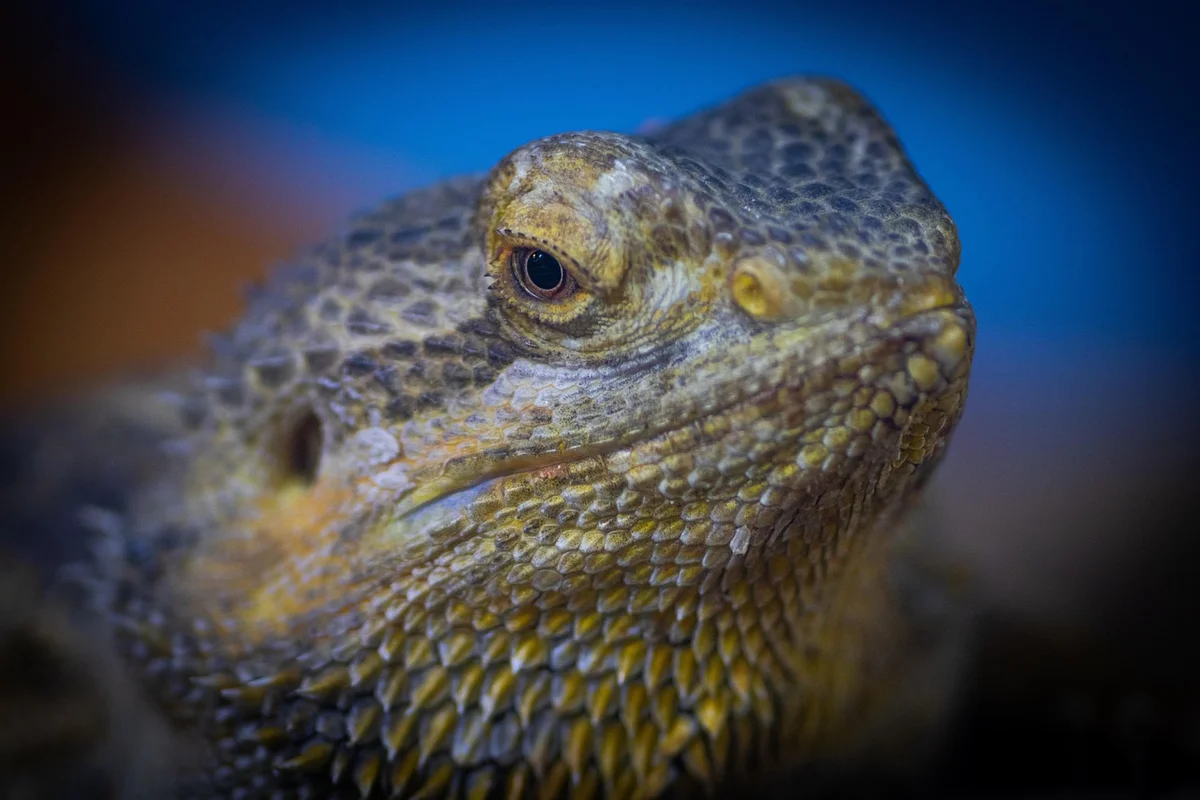
While white poop is common, other colors can pop up and cause a bit of a panic. I’ve seen my fair share of rainbow droppings over the years, and knowing what to look for brings so much peace of mind.
A Quick Guide to Feces Color Changes
- Green Feces: This often just means your dragon has been eating a lot of leafy greens, like collards or mustard greens. It’s usually a harmless sign of a veggie-heavy diet. But if the green is very bright, slimy, or coincides with lethargy, it could point to a parasite issue.
- Black or Very Dark Feces: Pay close attention to the consistency here. If it’s well-formed, the dark color is likely from eating insects with dark exoskeletons, like black soldier fly larvae. If the black poop is runny or tar-like, it can indicate digested blood and requires an immediate vet visit.
- Yellow or Orange Feces: This can be a fun one! It frequently happens after they eat foods like yellow squash or bell peppers. I see this often in my crew. As long as the poop is otherwise normal, it’s typically just a colorful side effect of lunch.
- Red Streaks: Never ignore red. This is a sign of fresh blood and can stem from impaction, a prolapse, or internal injury. This is a straight-to-the-vet situation.
Consistency is Key: Diarrhea and Constipation
The form of the poop is just as telling as its color. A healthy bearded dragon’s poop should be firm and well-shaped. This is a key detail in a healthy bearded dragon poop visual identification guide. By comparing size, shape, and texture, you can quickly spot deviations that may indicate digestive issues.
Spotting Diarrhea Signs
Runny, watery, or overly smelly poop isn’t normal. Chronic diarrhea can quickly lead to dangerous dehydration and often signals parasites, an infection, or a serious dietary imbalance. If it lasts more than a couple of days, a fecal test from your vet is your best bet.
Identifying Constipation Signs
If your dragon is straining to go, hasn’t pooped in a week, or passes hard, pebble-like droppings, they are likely constipated. This is often linked to dehydration, a lack of fiber in their diet, or an enclosure that is too cool for proper digestion. If you’re asking how I help my constipated bearded dragon poop, these steps have worked for me. A warm bath and a drop of olive oil on their nose to lick off can often help get things moving. If it doesn’t improve, consider consulting a vet.
How Diet and Habitat Influence Poop Health
I truly believe that perfect poop is a direct reflection of perfect care. Getting the basics of diet and habitat right solves about 90% of abnormal poop issues before they even start.
The Role of a Balanced Diet
What goes in must come out, and the quality of what goes in dictates the health of what comes out.
- Leafy Greens Diet: A variety of fresh, dark leafy greens like dandelion greens, endive, and escarole should be the staple for adult dragons. These greens provide essential fiber that keeps their digestive system moving smoothly and forms solid poop. I make a “salad bar” mix for my dragons every single morning.
- Appropriate Insect Diet: Feeder insects are protein powerhouses but need to be chosen wisely. Gut-loaded crickets, dubia roaches, and black soldier fly larvae are excellent staples. Always offer insects that are smaller than the space between your dragon’s eyes to prevent impaction. I never skip dusting them with calcium and vitamins.
Creating a Habitat for Healthy Digestion
Your dragon could be eating the best food in the world, but without the right habitat, they can’t process it. Their environment is their digestive engine. For bearded dragons, vegetables are a key part of their diet. Our complete feeding guide explains which greens to offer and how to portion them.
- Provide Proper UVB Lighting: A high-output, tube-style UVB light is non-negotiable. UVB allows your dragon to synthesize vitamin D3, which is critical for absorbing calcium from their food. Without it, their entire metabolic system, including digestion, falters. Replace the bulb every 6-12 months, even if it still looks bright.
- Ensure Correct Basking Temperatures: Bearded dragons need heat to digest. Their basking spot surface temperature should be between 95-110°F for adults. If the basking area is too cool, food will sit in their gut undigested, leading to fermentation, constipation, and illness. I use a digital thermometer with a probe to check the spot where my dragon actually sits.
- Maintain Overall Hydration: While they get moisture from their greens, many dragons don’t drink from a water bowl. I provide hydration by misting their greens with water and giving them a warm bath 2-3 times a week, which often encourages them to drink and poop. Proper hydration keeps everything flowing as it should.
Signs You Need a Vet and How to Prepare
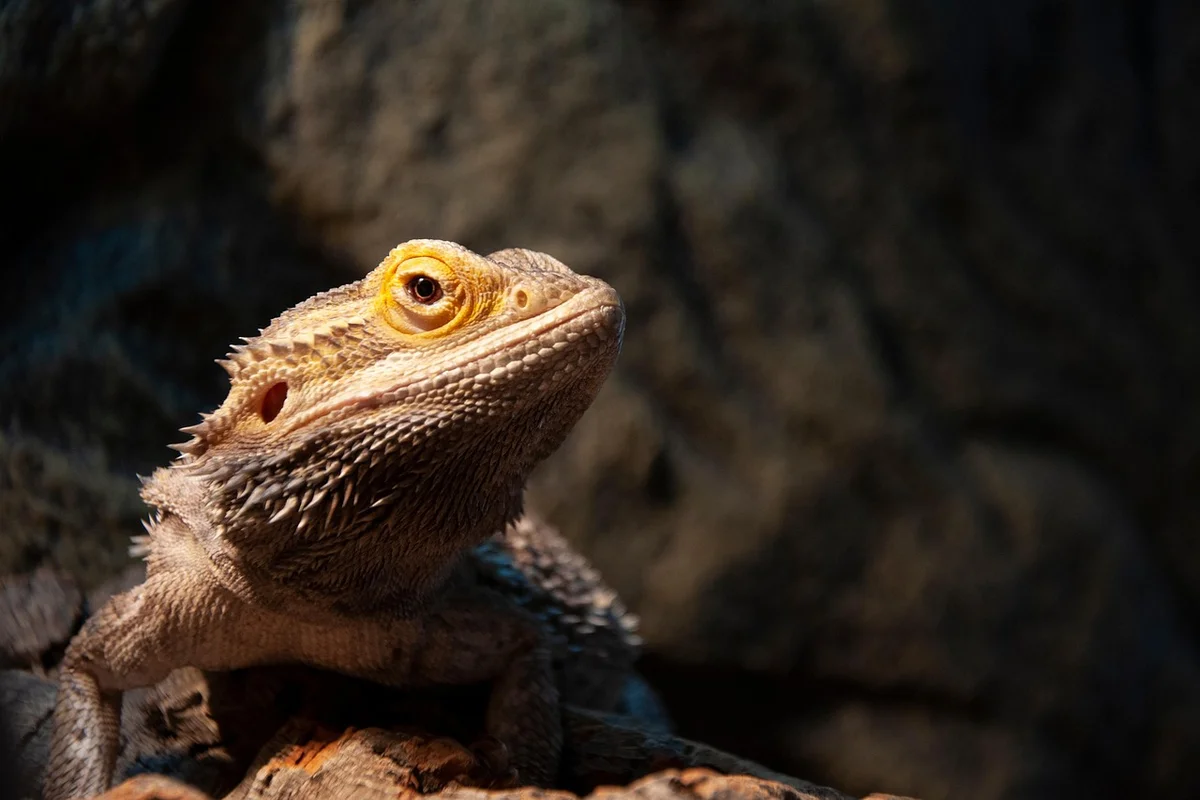
Seeing white in your dragon’s poop isn’t always a crisis, but some signs demand a professional opinion. Trust your gut-if something feels off, it’s better to be safe and get it checked out. I’ve made that call myself a few times over the years.
Red Flags in Poop and Behavior
Watch for these warning signs that accompany white poop. One alone might be okay, but a combination is a clear signal.
- Persistently Runny or Watery Stool: The urate is white, but the fecal part has no solid form.
- Blood: Any red or dark, tarry blood in the poop or urate is an immediate vet situation.
- Mucus or a Weird Smell: A jelly-like coating or an unusually foul odor can indicate infection.
- Your dragon acts lethargic, hides constantly, or has sunken eyes.
- A significant loss of appetite or sudden weight loss.
- They haven’t produced any poop at all for more than a week, despite being warm and hydrated.
The Importance of a Vet Check and Fecal Exam
An exotic vet is your best ally. They don’t just guess; they run tests. A simple fecal exam can identify microscopic parasites that are invisible to our eyes. I have a standing rule with my vet for a yearly check-up and fecal test for all my dragons, healthy or not. It’s a small price for huge peace of mind. If you’re unsure about when to take your bearded dragon to a vet, check out this guide for essential check-up tips.
How to Collect a Poop Sample for the Vet
Your vet will need a fresh sample. It’s not glamorous, but it’s simple.
- As soon as your dragon poops, use a clean zip-top bag or a container your vet provides.
- Turn the bag inside out over your hand like a glove, scoop up the sample, and seal it.
- Get it to the vet within a few hours. Keep it at room temperature; do not refrigerate or freeze it, as this can kill some parasites and skew the results.
Practical Tips for Maintaining Healthy Digestion
Prevention is the absolute best medicine. A few simple daily habits can keep your bearded dragon’s digestive system running like a champ. Bearded dragons can’t eat everything, and some foods are toxic. Our eat guide highlights toxic foods to avoid and safer, healthy alternatives.
Daily and Weekly Monitoring
Make a quick check part of your routine. When you spot-clean the tank, take five seconds to look at the poop. This casual habit lets you spot subtle changes before they become big problems. I keep a small notepad on the fridge to jot down anything unusual I see.
Hydration is Everything
Dehydration is a common culprit behind digestive issues.
- Offer a shallow bath 2-3 times a week. Many dragons drink while they soak.
- Spray their fresh greens with water before serving.
- Gut-load your feeder insects with water-rich veggies like cucumber and zucchini.
Proper hydration keeps everything moving smoothly and helps form those healthy, firm white urates.
Smart Feeding for a Happy Gut
What goes in directly affects what comes out.
- Provide a varied diet of safe greens and appropriately-sized insects.
- Dust insects with a quality calcium powder and a multivitamin as recommended for your dragon’s age.
- Ensure their basking spot is hot enough (around 95-110°F for adults). Without proper heat, they cannot digest their food, no matter how perfect it is.
Create a Clean and Calm Home
Stress is a silent gut-killer. A clean tank reduces bacterial load and stress.
- Remove poop and uneaten food daily.
- Do a deep clean of the entire enclosure monthly.
- Make sure your dragon has plenty of hiding spots to feel secure.
A consistent and calm environment is one of the most overlooked aspects of reptile wellness. It’s a simple act of care that makes all the difference.
Frequently Asked Questions
Why are my bearded dragon’s urates yellow instead of white?
Yellow or chalky urates are a common sign of dehydration. If increasing their water intake doesn’t resolve it, it can also indicate a potential kidney issue, and a vet visit is recommended.
What does it mean if my bearded dragon’s poop is completely white and runny?
White, runny stool is not normal urates and can be a sign of a serious gut infection or severe parasite overload. You should collect a fresh sample and consult your exotic veterinarian.
Can stress cause changes in my bearded dragon’s poop?
Yes, stress from a new environment, improper handling, or tank mates can disrupt digestion, leading to changes in poop frequency or consistency. Ensuring a calm, secure habitat is key to resolving this.
Final Thoughts
Seeing white in your bearded dragon’s poop is usually a completely normal sign of a healthy system at work. That firm, white paste is the urate, and its presence means their body is efficiently processing protein. You only need to become concerned if the urate is consistently hard and chalky or if the entire dropping is an abnormal, runny white. If you’re curious about whether bearded dragons pee and about excretion health, our complete guide covers urine and urates and what normal output looks like. It also explains how hydration and diet influence output and when to seek veterinary care.
Trust your gut as a pet parent. When in doubt, the best course of action is always a quick check-in with a qualified reptile veterinarian. Keeping a close, caring eye on their droppings, alongside providing fresh water and a balanced diet, is one of the simplest and most effective ways I monitor the well-being of my own dragons.
Further Reading & Sources
- What Does Bearded Dragon Poop Look Like? | Reptile Supply
- r/BeardedDragons on Reddit: My Lizard has this White poop is this normal this is my first bearded dragon btw
- Bearded Dragon Poop Guide: The Ins and Outs of Poop
Bearded Dragon Lair is the ultimate resource for bearded dragon enthusiasts, offering expert advice and practical tips to ensure the health and happiness of your scaly companion. With years of experience in reptile care, we are dedicated to providing accurate, up-to-date information to support your bearded dragon journey.
Signs of Illness