
Can Bearded Dragons Fart, Sneeze, and Hiccup? A Guide to Their Bodily Functions
Published on: September 21, 2026 | Last Updated: September 21, 2026
Written By: Beardie Joe
Have you ever heard a strange little sound from your bearded dragon and wondered what on earth it was? As a fellow owner, I’ve had my own dragons surprise me with unexpected noises that made me stop and listen closely.
With years of hands-on experience caring for multiple bearded dragons and a solid background in reptile health, I’m here to give you clear, caring answers. My approach is always rooted in animal welfare, ensuring we understand our pets to keep them thriving.
We’ll look at the facts behind farting, sneezing, and hiccupping in bearded dragons, including what’s normal and when to take action.
Understanding Bearded Dragon Flatulence and Gas
You might be surprised to learn that yes, bearded dragons can and do pass gas. In my experience, it’s usually a silent but sometimes smelly affair, often noticed during a warm bath or when they’re stretching out their back legs. It’s a normal part of digestion, but paying attention to the frequency and context is key to keeping your dragon healthy. Usually they don’t smell bad, but a noticeable odor can signal a dirty enclosure or digestion issues. Keeping the tank clean and watching diet helps manage odor.
Signs Your Bearded Dragon is Experiencing Gas
Since you won’t often hear a tell-tale sound, you have to watch for physical cues.
- A visibly swollen or distended abdomen that feels firm to the gentle touch.
- They might arch their back strangely or press their belly against the cool floor of their enclosure.
- You may notice a slight loss of appetite or general restlessness.
- Occasionally, a small, audible puff of air might escape, but this is rare.
Common Causes of Farting in Bearded Dragons
Gas doesn’t just appear out of nowhere. It’s almost always linked to their diet or eating habits.
- Dietary Triggers: High-fiber vegetables like broccoli, cauliflower, and cabbage are famous for causing gas. I always feed these in strict moderation.
- Food that is too large or difficult to digest can ferment in their gut.
- Dehydration is a huge factor. A dry gut slows digestion, allowing food to sit and produce more gas.
- Eating too quickly can cause them to swallow air, which has to come out somewhere.
When Flatulence Signals a Health Problem
Occasional gas is normal. Consistent issues are a red flag. You need to become a detective for your dragon’s health, noting what’s normal for them versus what’s new and worrying.
- If the bloating is severe and doesn’t go down, it’s time to call the vet.
- Lethargy that lasts more than a day is a major concern.
- Watch for changes in their feces, like diarrhea or a complete lack of pooping, which can signal impaction.
- If the gas is frequent and accompanied by any of these symptoms, don’t wait it out.
For prevention, focus on simple adjustments. Chop veggies into small, manageable pieces. I always keep a shallow water dish for drinking and provide regular baths for hydration. Ensure their basking spot is the correct temperature to support healthy digestion. A clean and properly heated home is their first line of defense.
Decoding Bearded Dragon Sneezing and Respiratory Health
A sneezing bearded dragon can be startling. It typically looks like a quick, forceful jerk of the head, sometimes with a fine mist of liquid. A single, occasional sneeze is often just their way of clearing a dust particle from their nose, much like we do. But a pattern of sneezing demands your attention, especially if it’s related to bearded dragon allergies or other health issues.
What Triggers Sneezing in Bearded Dragons
Their environment plays the biggest role in respiratory irritation.
- Loose, dusty substrate like sand or crushed walnut is a very common culprit.
- Low humidity levels can dry out their nasal passages, making them irritable.
- On the flip side, humidity that is consistently too high can promote bacterial growth.
- Respiratory infections, often started by poor tank conditions, cause frequent, wet-sounding sneezing.
- Even strong chemical cleaners or air fresheners used near their enclosure can be an irritant.
Assessing Normal vs Concerning Sneezing
Context is everything. I judge it by frequency and what comes with it.
- Normal: A random sneeze here and there with no other symptoms. My dragon might sneeze once after I’ve added new bedding.
- Concerning: Sneezing multiple times a day, every day. This is your first warning sign.
- Vet Visit Needed: Sneezing that produces mucus or bubbles around the nostrils. This is a classic sign of a respiratory infection. Listen for any wheezing or popping sounds when they breathe. Lethargy and a gaping mouth when not basking are serious indicators of distress.
To support their respiratory health, spot-clean their enclosure daily to remove waste. I use a hygrometer to monitor humidity, keeping it between 30-40%. Avoid loose, dusty substrates; slate tiles or reptile carpet are safer choices. Good ventilation in the tank is a must to prevent stale, moist air from settling. For more details on maintaining the proper humidity levels, check out the bearded dragon humidity guide.
Making Sense of Bearded Dragon Hiccupping
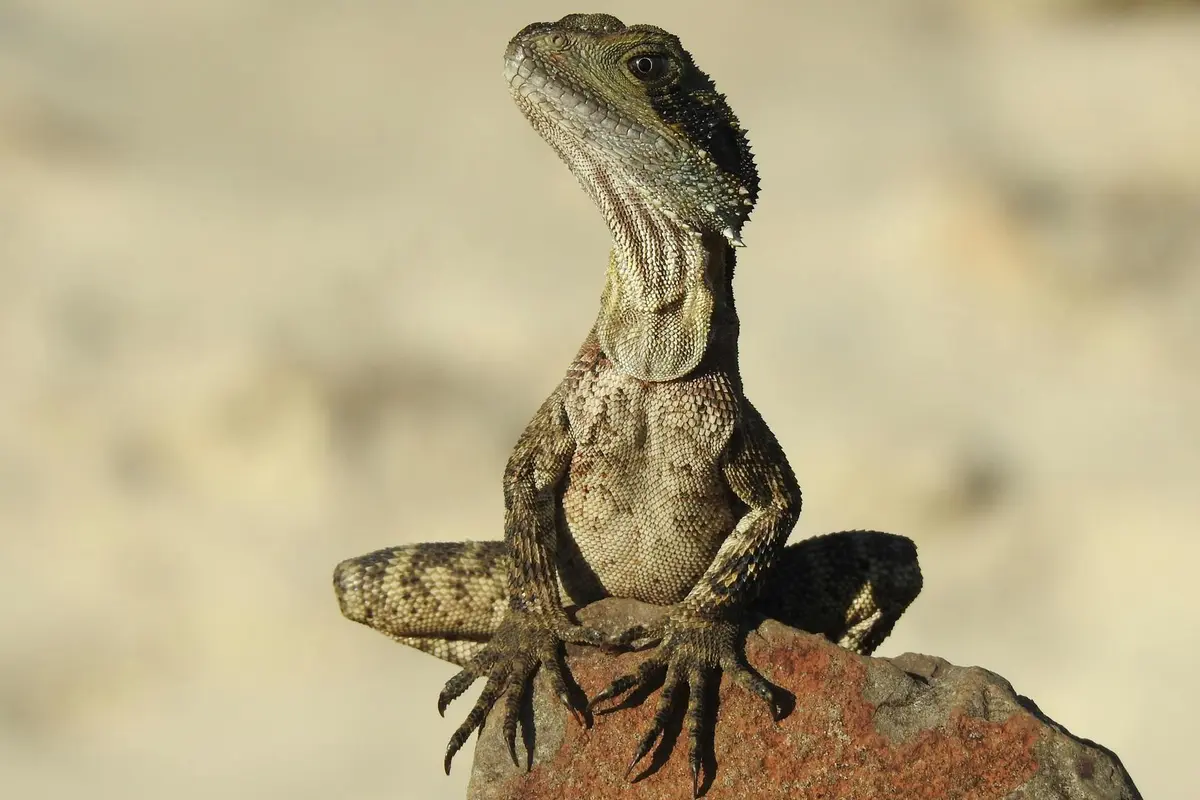
You might notice your bearded dragon’s body suddenly jerking in a small, repetitive motion. Sometimes, you can even hear a faint, soft “pop” or click. This rhythmic pulsing is the telltale sign of a bearded dragon hiccup. It looks quite different from the violent spasms we experience. If you notice coughing, gagging, or trouble breathing in addition to these movements, it could be choking rather than a hiccup. In that case, monitor for obstruction and seek veterinary care promptly. For more information, you can check out the signs of a bearded dragon choking signs.
Why Bearded Dragons Hiccup
Just like in humans, a hiccup is an involuntary spasm of the diaphragm. In bearded dragons, it’s often a simple response to a minor irritation. I’ve seen it most often right after a feeding frenzy. Eating too quickly or swallowing air along with their food are the most common culprits for these diaphragm spasms. A sudden temperature change, like moving from a cool hide to a hot basking spot, can also trigger their nervous system. Shaking can indicate a range of issues beyond hiccups. If you’re wondering ‘why is my bearded dragon shaking?’, this guide covers seven common causes and how to respond.
The texture of their food matters, too. A large, hard-to-swallow insect or a piece of greens can sometimes cause that reflexive hiccup as their body works to get it down.
Hiccupping as a Health Indicator
Brief, occasional hiccups after eating are usually nothing to lose sleep over. The problem starts when the hiccupping doesn’t stop. Persistent, long-lasting hiccups can be a red flag for a more serious issue like the beginning of a respiratory infection or digestive impaction. If the hiccupping continues for more than a few minutes or happens frequently throughout the day, it’s time to pay closer attention.
Watch for other symptoms that might accompany the hiccups:
- Lethargy or lack of appetite
- Wheezing or bubbles from the nose
- Swollen abdomen or straining
If you see any of these signs alongside the hiccupping, a vet visit is a must. It’s always better to be safe and get a professional opinion.
To prevent most hiccups, focus on calm, stress-free feedings. I always make sure the feeder insects are an appropriate size-no bigger than the space between my dragon’s eyes. Creating a consistent and proper temperature gradient in their enclosure is one of the simplest ways to prevent stress-related bodily functions, including hiccups.
Supporting Your Bearded Dragon’s Overall Health
Whether it’s a fart, a sneeze, or a hiccup, these bodily functions are all connected to one thing: overall wellness. Supporting your dragon’s health is a holistic process where diet, habitat, and observation work together. From my years of caring for these amazing reptiles, I’ve found that consistency is the true secret to a healthy, long-lived pet.
Your daily and weekly care routine should include:
- Providing fresh, clean water daily, both in a bowl and via misting.
- Offering a balanced salad of leafy greens and appropriate vegetables.
- Gut-loading feeder insects before offering them.
- Dusting insects with calcium and multivitamin supplements on a proper schedule.
Essential Husbandry for Preventing Issues
A perfect enclosure setup is your first line of defense against health problems. It prevents the majority of digestive and respiratory issues before they even start.
The right UVB light is non-negotiable; it’s what allows your dragon to metabolize calcium and stay strong. You must also maintain a proper thermal gradient with a hot basking spot (around 95-110°F) and a cooler end (around 80-85°F). This allows your dragon to self-regulate its body temperature, which is vital for digestion. In a bearded dragon lighting guide, provide UVB daily and maintain a consistent day–night cycle with your heat lamp. Use a timer to ensure the cycle stays regular.
Keep the habitat clean to prevent bacterial growth and maintain a humidity level between 30-40%. Too much moisture can lead to respiratory infections, while too little can complicate shedding.
Recognizing Signs of Illness in Aging Bearded Dragons
As your scaly friend gets older, their bodily functions can change. An aging dragon might be more prone to constipation or may sneeze more if their immune system isn’t what it used to be. Senior bearded dragons often need more frequent, gentle soaks to stay hydrated and help their digestion along. If your bearded dragon is constipated, you may want to try gentle soaks to aid stool passage and hydration. If the issue persists, consult a reptile veterinarian for targeted guidance.
Common changes in older dragons include:
- Decreased appetite and slower metabolism.
- More time spent sleeping or resting.
- Less frequent bowel movements.
Your care should adapt with them. This means being extra vigilant about their weight, offering softer foods if needed, and scheduling vet check-ups every six to twelve months. Catching a small issue early can make all the difference in their golden years.
Frequently Asked Questions
How can I tell if my bearded dragon is properly hydrated to help prevent gas?
Check for signs of good hydration like smooth, supple skin and regular, well-formed urates (the white part of their poop) that are soft and moist. You can also gently pinch their skin; if it quickly snaps back, they are likely well-hydrated.
What is the best way to clean the enclosure to reduce sneezing triggers?
Use reptile-safe disinfectants or a diluted vinegar solution for cleaning, and rinse all surfaces thoroughly to remove any chemical residue. Regularly remove waste and replace soiled substrate to minimize dust and ammonia buildup that can irritate their respiratory system. Follow a regular cleaning schedule to keep your bearded dragon’s tank in top condition. Stick to safe solutions and simple, proven methods for maintenance.
When should I take my bearded dragon to the vet for bodily function concerns?
You should schedule a vet visit if you notice multiple symptoms occurring together, such as persistent bloating with lethargy, or frequent sneezing accompanied by mucus. Any sudden, significant change in their normal behavior or bodily functions that lasts more than a day or two also warrants a professional consultation.
Final Thoughts
So, can bearded dragons fart, sneeze, and hiccup? Absolutely. These quirky sounds and actions are a normal, if sometimes surprising, part of their biology. Hearing a little “pfft” or seeing a sudden jerk is usually no cause for alarm. It’s just their body doing its job, from digesting veggies to clearing their nostrils. In our guide to bearded dragon sounds, we’ll explain what each noise might mean and when to seek help. Understanding these cues helps you care for your dragon more confidently.
Your main role is to be an observant and caring owner. Pay attention to the context and frequency of these events. Trust your gut-if something seems off, like constant straining or signs of respiratory distress, a vet visit is the safest choice. Bearded dragons should have routine vet checkups to monitor growth, diet, and overall health. This way, you’ll know when an issue needs urgent veterinary care rather than waiting for symptoms to worsen. From my own experience, knowing what’s normal for your dragon is the first and most important step in providing them with a long, happy, and healthy life.
Further Reading & Sources
- Bearded Dragon Anatomy and Biology: A Complete Guide
- Learning about bearded dragon anatomy / Lesson Plan / Learning Corner
- Basic Information Sheet: Inland Bearded Dragon – LafeberVet
Bearded Dragon Lair is the ultimate resource for bearded dragon enthusiasts, offering expert advice and practical tips to ensure the health and happiness of your scaly companion. With years of experience in reptile care, we are dedicated to providing accurate, up-to-date information to support your bearded dragon journey.
Signs of Illness