Can Bearded Dragons Eat Dairy? Ice Cream, Milk & Yogurt Explained
Published on: January 16, 2026 | Last Updated: January 16, 2026
Written By: Beardie Joe
You might be tempted to share a lick of your ice cream with your bearded dragon, but is that a safe treat for them?
As a dedicated owner of multiple bearded dragons with years of reptile care experience, I’ve learned what keeps these amazing pets healthy and happy.
This article will cover why dairy is harmful, the specific dangers of ice cream, milk, and yogurt, and what you can safely feed instead.
The Straight Answer on Dairy for Bearded Dragons
The answer is a definitive and resounding no, bearded dragons should never eat dairy products of any kind. It is not a sometimes food or a rare treat; it is completely off the menu for their entire lives. For a complete guide to their diet, you’ll learn which meats are appropriate and how to balance protein with greens. Dairy, including cheese, has no place in a bearded dragon diet.
- Bearded dragons are lactose intolerant and lack the enzyme needed to break down dairy sugars.
- Dairy is far too high in fat and sugar for their delicate digestive systems.
- The high calcium content in dairy is not bioavailable to them and can disrupt their calcium-to-phosphorus balance.
- It offers zero nutritional benefits that they cannot get from their proper, insect-and-plant-based diet.
I’ve spoken with many owners who thought a tiny drop of yogurt would be a good source of probiotics. This well-intentioned mistake almost always leads to a sick, lethargic dragon with a very upset stomach. It’s a lesson I’m glad I learned from others’ experiences rather than my own.
Why Bearded Dragons Can’t Digest Dairy
Think of it like this: some people get a terribly upset stomach after drinking milk. They are lactose intolerant. Bearded dragons have this same issue, but their bodies are even less equipped to handle it. When a bearded dragon throws up, it’s a sign something isn’t right and should prompt a vet visit. A vet can determine whether it’s lactose intolerance, dehydration, or a more serious condition and outline the right treatment.
Mammal milk contains a sugar called lactose. To digest it, bodies produce an enzyme called lactase. Bearded dragons, as reptiles, do not produce lactase at all. When lactose enters their gut without lactase to break it down, it sits there and ferments.
This fermentation process causes a painful buildup of gas, leading to bloating and discomfort. It also pulls water into the intestines, which results in messy, unpleasant diarrhea. For a small creature like a bearded dragon, this sudden dehydration and nutrient loss can be seriously dangerous.
Common Dairy Products and Their Dangers

Let’s look at the specific dairy items you might be tempted to share and break down exactly why they’re a bad idea for your scaled friend.
Milk
While lactose is the main issue, liquid milk causes other problems. A bearded dragon’s digestive system is simply not designed to process the high volume of liquid and the complex proteins in cow’s milk. This often leads to rapid, messy, and dehydrating diarrhea. Beyond the stomach upset, the high phosphorus content in milk actively binds with calcium, preventing your beardie from absorbing it. This directly counteracts your efforts to provide a calcium-rich diet for strong bones.
Yogurt
I often hear, “But what about the probiotics?” The minimal potential benefit is completely overshadowed by the risks. Most yogurts marketed for humans are packed with sugars and fats to make them taste good. Your bearded dragon gains no real benefit from the probiotics meant for a human gut, but they get all the harmful sugar and fat. Even plain, unsweetened yogurt still contains lactose, making it a poor and risky choice. Within a bearded dragon’s diet, the focus should be on prebiotics and reptile-specific probiotics. Avoid human probiotic sources and dairy entirely.
Ice Cream
Ice cream is a triple threat you must avoid completely. It combines all the dangers of dairy with an extreme amount of sugar and fat. This combination is a guaranteed recipe for digestive disaster in a reptile. I consider ice cream a complete no-go treat; it offers zero nutritional value and poses a significant health risk. The brain freeze would be the least of their worries.
Cheese
Cheese is a concentrated source of trouble. It is notoriously high in salt and fat, both of which are difficult for a bearded dragon’s kidneys and liver to process. Their bodies aren’t equipped to handle this level of sodium. Feeding cheese can lead to dehydration and put an unnecessary strain on their vital organs. The dense, sticky texture also makes it a potential impaction risk, especially when compared to other doubts like wax worms that come with their own nutrition concerns.
Health Risks of Feeding Dairy to Your Beardie
Feeding dairy isn’t just about a temporary upset stomach. It can lead to serious, long-term health issues. The primary physical risk is severe digestive distress, which can quickly spiral into dehydration and malnutrition. The binding of calcium by phosphorus in dairy can also slowly create a calcium deficiency, leading to metabolic bone disease (MBD), a painful and debilitating condition.
Watch for these symptoms if you suspect your bearded dragon has ingested dairy:
- Lethargy and lack of appetite
- Runny, foul-smelling, or frequent diarrhea
- A visibly bloated or distended abdomen
- Signs of dehydration, like sunken eyes or loose skin
- Straining or inability to pass stool, indicating impaction
What to Do If Your Bearded Dragon Eats Dairy
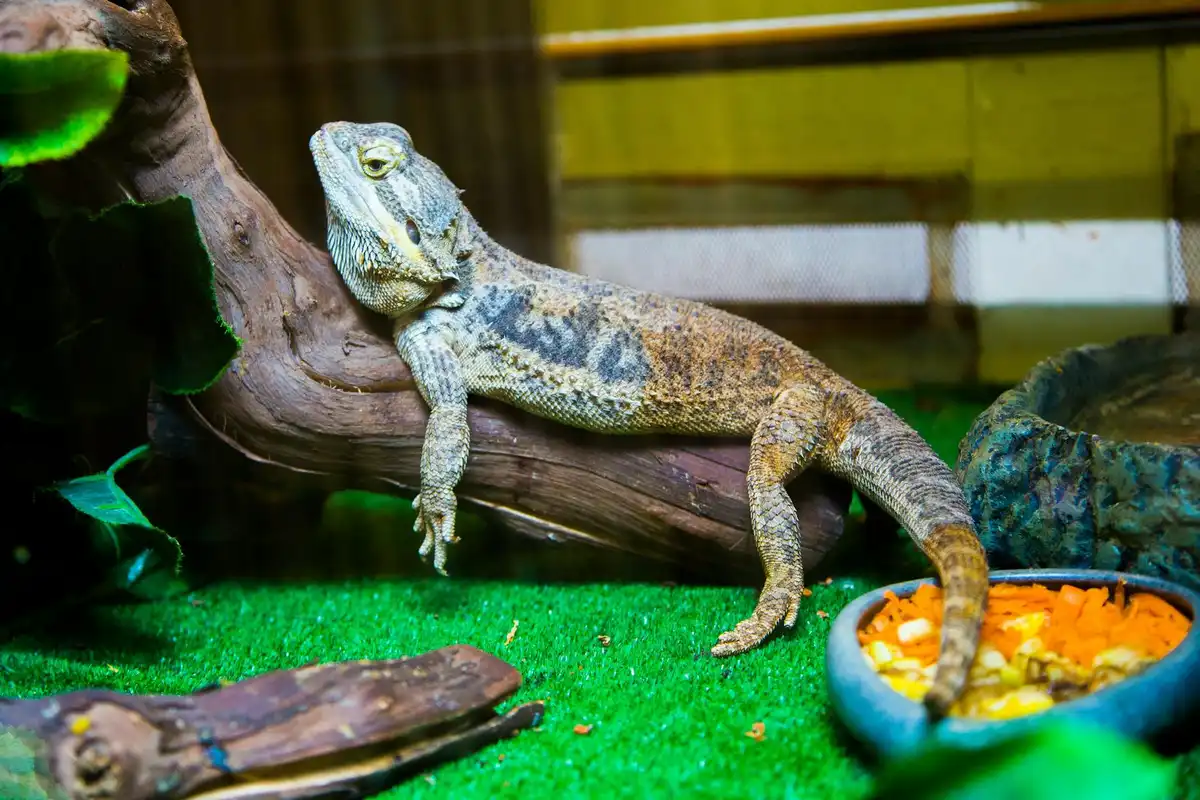
Accidents happen! Maybe a piece of cheese fell on the floor, or a well-meaning relative offered a lick. Don’t panic. Here is a simple action plan to help your pet recover.
- Remove any remaining dairy immediately. Ensure they cannot access any more of the product.
- Offer fresh, clean water. Hydration is key to helping their system flush out the irritant. You can also drip water on their snout with a dropper.
- Stick to their safe, staple foods. For the next few days, offer simple, easy-to-digest greens like collard greens or dandelion greens. Avoid high-fat insects like waxworms.
- Monitor them closely. Keep a watchful eye on their behavior and bathroom habits for the next 24-48 hours.
You should contact your reptile veterinarian immediately if you see any of these specific symptoms:
- No bowel movement after 2-3 days
- Blood in their stool or urate
- Prolonged lethargy where they refuse to move or bask
- Vomiting or signs of pain
Providing a warm bath can often encourage hydration and help stimulate a bowel movement to clear their system. My beardie once nabbed a tiny bit of yogurt, and a warm bath and extra water offerings helped him pass it without further issue.
Safe and Tasty Alternatives to Dairy
Your bearded dragon isn’t missing out on anything by skipping dairy. Their ideal diet is built from a vibrant mix of live insects and fresh, colorful vegetables. This is what their bodies are designed to thrive on, and it’s far more exciting for them than a bland bowl of milk. A complete feeding guide explains which vegetables are best and how to balance greens with protein. It helps you keep a healthy, varied veggie rotation.
I always keep my dragon’s salad bowl looking like a rainbow. Here are some of the top-approved, nutrient-rich foods my dragons go crazy for:
- Leafy Greens: Collard greens, dandelion greens, and mustard greens are daily staples in my home.
- Colorful Veggies: Red bell peppers, shredded butternut squash, and snap peas add crunch and vital vitamins.
- Occasional Fruits: Blueberries, raspberries, and diced papaya make for a special, hydrating treat.
Getting creative with hydration is key, especially since they can be picky drinkers. I often make a “dragon smoothie” by blending water with their favorite greens and a single berry, then lightly misting their salad with it. Another trick is to offer water-rich foods like cucumber slices or a sprig of fresh cilantro; they’ll often lick the moisture right off.
From my personal experience, nothing gets a feeding response like the movement of a live insect. My dragons’ absolute favorite insects are dubia roaches and black soldier fly larvae. They are nutritious, easy to digest, and watching my dragons hunt them is a joy. For veggies, they will always pick out the bright yellow pieces of bell pepper first-it’s their personal delicacy.
Building a Healthy Daily Diet for Bearded Dragons
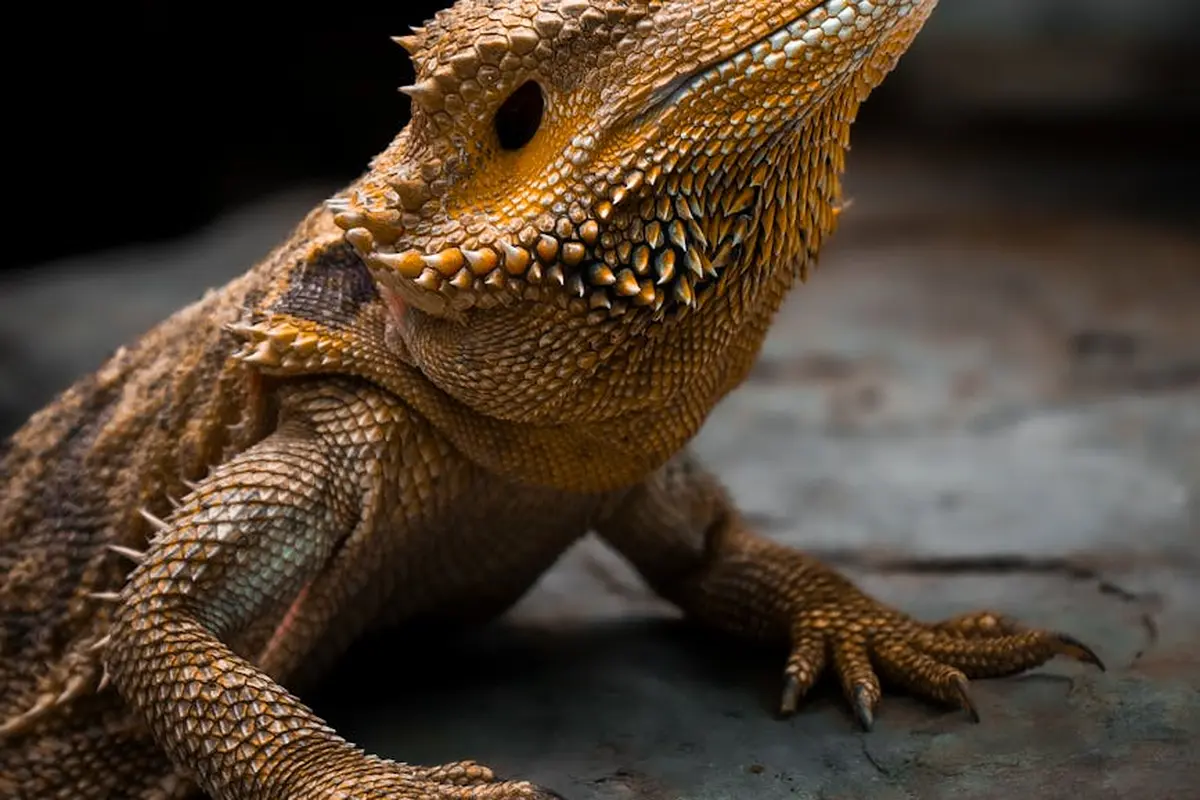
Creating a balanced diet for your scaly friend is simpler than it seems. The core components are always high-quality insects, fresh greens, and appropriate vegetables. Think of it as building a plate where every item has a specific purpose for their health.
The most critical thing to remember is that their dietary needs change dramatically as they grow. The ratio of insects to vegetables shifts from a protein-heavy diet for babies to a more plant-based one for adults. This supports their rapid growth early on and helps prevent obesity later in life.
Here is a simple guide to follow:
- Baby Dragons (0-4 months): 80% insects, 20% vegetables. Offer insects 3-5 times daily.
- Juvenile Dragons (5-18 months): 50% insects, 50% vegetables. Offer insects 2-3 times daily.
- Adult Dragons (18+ months): 20% insects, 80% vegetables. Offer insects once daily or every other day.
To make daily feeding easy, I rely on a consistent list of staple foods. These are the safe, everyday options that form the foundation of a healthy bearded dragon diet. Always ensure everything is chopped to a size smaller than the space between their eyes. For a comprehensive list of safe foods, check out our complete guide to safe foods.
- Daily Staple Insects: Dubia roaches, black soldier fly larvae, crickets.
- Daily Staple Greens: Collard greens, dandelion greens, escarole, endive.
- Daily Staple Vegetables: Butternut squash, bell peppers (all colors), snap peas.
Frequently Asked Questions
Can bearded dragons eat milk thistle?
No, milk thistle is not safe for bearded dragons as it is not part of their natural diet and could lead to digestive issues or unknown health risks. In a broader bearded dragon herbs safety guide, rosemary, thyme, and other herbs are discussed for safety and proper portioning.
What vegetables should be avoided in a bearded dragon’s daily diet?
Avoid vegetables high in oxalates like spinach and rhubarb, as well as low-nutrient options such as iceberg lettuce, to prevent potential health problems.
How often should I feed my adult bearded dragon?
Adult bearded dragons should be fed once daily or every other day, focusing on a vegetable-heavy diet with insects offered sparingly to maintain optimal health. It’s important to feed them at the right frequency to ensure their well-being.
Final Verdict
So, can bearded dragons eat dairy? The simple, definitive answer is a firm no. Their bodies are not equipped to process lactose, making foods like milk, yogurt, and ice cream more of a toxin than a treat. Offering dairy can lead to serious digestive upset and does absolutely nothing to benefit their health. In a can’t-bearded-dragons-eat guide, dairy would be listed as a toxic food to avoid. For a safe, balanced diet, stick to leafy greens, properly sized insects, and calcium-rich alternatives.
I know it’s tempting to share a lick of your snack, but their well-being is what matters most. Stick to their well-researched diet of safe greens, vegetables, and live insects to keep your scaly friend thriving for years to come. There are plenty of delicious and safe foods they will love just as much!
Further Reading & Sources
- r/bioactive on Reddit: Bioactive for bearded dragon, Powder Oranges, Dairy cow Isopods, darkling beetles, super darkling beetles, arid spring tails, and horn worm moths appearing every month
- Can Bearded Dragons Eat Cheese? – Dragon’s Diet
- Can Beardies Drink Milk? | Reptile Supply
Bearded Dragon Lair is the ultimate resource for bearded dragon enthusiasts, offering expert advice and practical tips to ensure the health and happiness of your scaly companion. With years of experience in reptile care, we are dedicated to providing accurate, up-to-date information to support your bearded dragon journey.
Feeding Guidelines