What Can Bearded Dragons Eat? A Safe Food Guide
Published on: December 3, 2025 | Last Updated: December 3, 2025
Written By: Beardie Joe
Figuring out what to feed your bearded dragon can feel overwhelming with so many options and warnings.
I’ve cared for multiple beardies for years, learning through hands-on experience which foods keep them thriving and happy.
This guide will walk you through safe staple vegetables and fruits, the best feeder insects and proteins, and a complete list of toxic foods you must avoid.
Understanding the Bearded Dragon Omnivore Diet
An omnivore diet means your bearded dragon needs to eat a mix of both animals and plants to truly thrive. This dual need for insects and greens is the absolute cornerstone of their diet and keeping them healthy in your care. It’s not a suggestion; it’s a biological requirement.
In the wild, a beardie’s menu changes with what’s available. They are opportunistic, munching on a huge variety of insects, flowers, and leafy greens they stumble across. Our job in captivity is to replicate that nutritional diversity, but with more control and consistency. We get to provide the very best, most nutrient-dense options, which is a huge advantage over their wild cousins.
Focusing on a few key nutrients will make you a pro at meal planning. Calcium is non-negotiable for strong bones and preventing metabolic bone disease, a common and heartbreaking issue. Protein from insects fuels their growth and energy. Vitamins, especially from a wide array of colorful veggies, support their entire immune system. Getting this nutrient balance wrong is the source of most health problems I’ve seen in pet beardies.
The role of insects versus greens dramatically shifts as your dragon grows. Baby and juvenile bearded dragons are growing machines. They need a diet that is about 80% live insects and 20% greens. Adults, however, slow down. You’ll flip that ratio, offering a salad that is 80% greens and vegetables and only 20% insects. This adjustment is critical for preventing obesity in your adult pet. For a complete vegetables feeding guide, including which greens to choose and how to balance meals, see our bearded dragons eat vegetables complete feeding guide. It helps you tailor greens to your dragon’s age and size.
Safe and Nutritious Staple Foods for Your Beardie
Not all bugs are created equal. You want to build your dragon’s diet around reliable, nutritious staple insects.
- Crickets: A classic feeder. They are a good source of protein and get your dragon moving to hunt. Just be sure they are gut-loaded (fed nutritious food) before offering them.
- Dubia Roaches: My personal favorite. They are meatier, have more protein than crickets, and are less likely to carry parasites. They are also quieter and can’t climb smooth surfaces, which is a nice bonus.
- Mealworms: These are fine for adult beardies but use them sparingly. They have a higher fat content and a tougher exoskeleton (chitin) that can be harder to digest.
Leafy greens should form the sturdy base of your dragon’s daily salad. These are the ones I always have in my fridge.
- Collard Greens & Mustard Greens: These are top-tier, packed with calcium and other vital nutrients. They are a true daily staple.
- Kale: A great option, though there’s been debate about goitrogens. The consensus is that it’s perfectly safe and healthy when rotated with other greens like collards and dandelion greens.
Vegetables add crucial variety, color, and hydration to the mix. Chop them up into bite-sized pieces.
- Squash: Butternut and acorn squash are fantastic. My dragons love the soft, cooked texture.
- Carrots: Grated raw carrots are a great source of Vitamin A. I use them as a colorful salad topper a few times a week.
- Bell Peppers: All colors are safe! They are full of hydration and Vitamin C. Remove the seeds first.
- Okra: A wonderful, calcium-rich veggie that is often overlooked.
Fruits are the fun treats. Think of them as dessert, not a main course, due to their high sugar content.
- Berries: Blueberries, raspberries, and strawberries are all loved. They are full of antioxidants.
- Mango & Papaya: These tropical fruits are a huge hit and contain enzymes that can aid digestion.
- Apple: Always peel and finely chop the apple to prevent any choking hazard.
Feeding frequency is just as important as the food itself. Here’s a simple schedule I follow with my own dragons:
- Insects (Crickets/Dubias): Offer these to juveniles once or twice daily, as many as they can eat in a 10-15 minute period. For adults, offer them just 2-3 times per week.
- Leafy Greens & Vegetables: A fresh salad should be available to your beardie every single day, regardless of age.
- Fruits: Limit these to a small portion once a week or even less frequently.
Foods to Avoid: Common Risks and Toxic Items
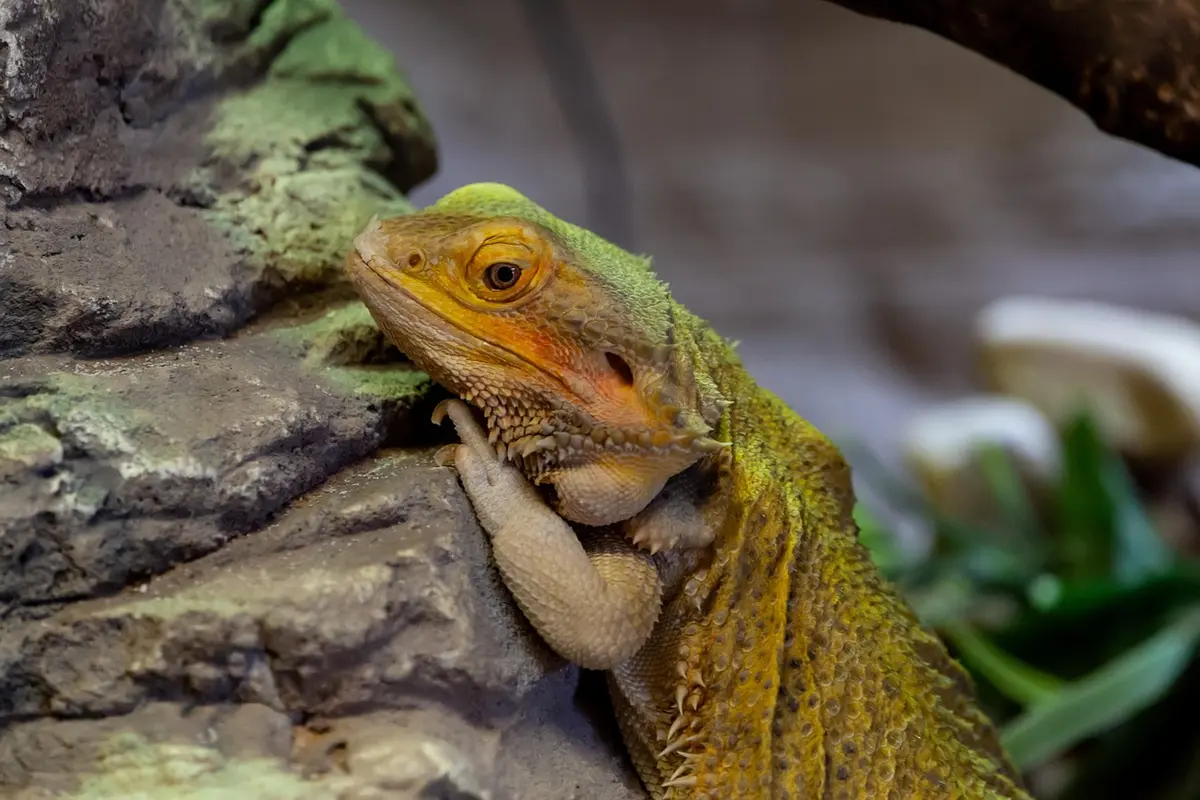
Navigating your bearded dragon’s diet can feel like a minefield, and I’ve learned this the hard way. Even foods that seem perfectly healthy can sometimes cause more harm than good. Keeping our scaly friends safe means knowing what to keep out of their terrarium at all costs. That’s why a quick ‘foods to avoid’ guide matters—bearded dragons can’t tolerate certain everyday items. I’ll walk you through toxic foods to avoid and safer alternatives to keep your dragon healthy.
Never-Feed Foods: The Absolute No-List
Some items should never, ever be on the menu. From my own experience, being strict here prevents countless vet visits.
- Avocado: This is highly toxic and can cause serious heart problems.
- Rhubarb: It’s poisonous to them and can lead to rapid kidney failure.
- Fireflies (and all other glowing insects): Just one can be fatal. Their bioluminescence is a deadly chemical.
- Wild-caught insects: They can carry pesticides or parasites your dragon’s system can’t handle.
- Dairy products: Bearded dragons cannot digest lactose. No cheese, milk, or yogurt.
Why These Common Items Are Harmful
It’s not just about a list; it’s about understanding the “why.” This knowledge has helped me make better judgment calls.
- Spinach and Beet Tops: These are packed with oxalates (oxalic acid), which bind to calcium and prevent your dragon from absorbing it. This can lead to Metabolic Bone Disease (MBD), a devastating and painful condition.
- Avocado contains persin, a compound that acts as a fungicide and is perfectly safe for us but is a potent toxin to reptiles.
- Iceberg and Romaine Lettuce in excess: While not toxic, they are mostly water and have almost no nutritional value. Feeding too much can lead to serious diarrhea and nutrient deficiencies because your dragon fills up on empty calories.
Symptoms of Unsafe Food Ingestion
If you suspect your dragon ate something they shouldn’t have, act fast. I always tell new owners to watch for these red flags.
- Lethargy or unusual lack of movement
- Runny, watery, or particularly foul-smelling stool
- Loss of appetite or refusing food
- Visible bloating or discomfort in their belly
- Twitching, tremors, or a lack of coordination
Foods to Limit: High-Oxalate and Watery Items
Some foods aren’t forbidden, but they need to be occasional treats rather than staples. Moderation is the key I live by.
- High-Oxalate Vegetables (Feed Sparingly): Spinach, beet greens, and swiss chard. I might offer a tiny piece once a month, if at all.
- Watery Vegetables (Use as Rare Hydration Top-Ups): Iceberg lettuce, celery, and cucumbers. These can cause digestive upset and provide little nutritional payoff. I’ll use a small slice of cucumber if I’m worried about hydration during a hot spell, but it’s not a regular food.
- Certain Fruits: Fruits like bananas are high in phosphorus and should only be a rare, tiny treat.
Best Practices for Feeding and Supplementation
Getting the food itself is only half the battle. How you prepare and serve that food is what truly transforms a basic diet into a powerhouse of nutrition for your scaly friend. I’ve learned through trial and error that these steps make all the difference in their health and vitality.
Steps for Gut-Loading Insects Before Feeding
Think of the insects you feed as little nutrient-delivery vehicles. You want to fill their tanks with premium fuel before they head into your dragon’s stomach. This process is called gut-loading, and it’s non-negotiable for a healthy beardie. In our bearded dragon feeding guide, we break down which insects are safe to feed and which toxic bugs to avoid. This way you can choose safe bugs and still gut-load them for maximum nutrition.
- Purchase your feeder insects (like crickets or dubia roaches) at least 24-48 hours before you plan to feed them to your dragon.
- Place them in a well-ventilated container with a high-quality gut-loading diet. I use a commercial mix, but you can also use fresh, dragon-safe foods.
- Provide a moisture source, like slices of carrot, sweet potato, or leafy greens. Never just use a water gel or a dish of water, as insects can drown.
- Let the insects feast on this nutritious buffet for a minimum of 24 hours. This ensures they are packed with vitamins by the time your dragon eats them.
A well-gut-loaded insect passes on far more nutritional value than an empty one, directly boosting your pet’s health.
Guide on Dusting with Calcium Supplement and Vitamin D3
Even with the best greens and insects, bearded dragons almost always need supplemental calcium. In their native, sunny Australian habitat, they would produce all the Vitamin D3 they need from the sun. In our homes, we have to help them out. That’s where a reliable vitamins guide comes in—covering calcium, D3, and multivitamin supplementation. It helps you tailor dosing to your dragon’s age, diet, and UV exposure.
- Calcium with D3: Use this for most dustings. The D3 is critical for your dragon to actually absorb the calcium you’re giving them. Without it, they can develop Metabolic Bone Disease (MBD), a serious and painful condition.
- Calcium without D3: Only use this if you are using a very high-output UVB light (like a mercury vapor bulb) and have confirmed with a vet that it’s appropriate.
- Multivitamin: This is your dragon’s insurance policy. It covers any other potential vitamin gaps in their diet.
My personal schedule, which has kept my dragons thriving for years, is simple: I dust one insect feeding per day with calcium (with D3), and I dust one insect feeding per week with a multivitamin. I just put the insects in a bag or container with a pinch of powder, give it a gentle shake, and feed them immediately.
Tips for Preparing Greens and Vegetables Safely
Salad prep for a bearded dragon is a lot like salad prep for yourself. You want it to be fresh, clean, and easy to eat. For bearded dragons, spring mix makes a great base. Build a perfect salad by adding a variety of safe vegetables and finely chopped greens, with age-appropriate protein.
- Wash Everything Thoroughly: Rinse all greens, veggies, and fruits under cool running water to remove any dirt, pesticides, or potential contaminants.
- Chop to Size: Pieces should be no larger than the space between your dragon’s eyes. This prevents choking and makes the food easier to digest.
- Create a Mix: Don’t just offer one type of green. I always make a base of collard or mustard greens and then mix in one or two other items for variety, like shredded squash or a few bell pepper pieces.
- Serve Fresh Daily: Remove any uneaten fresh salad from the enclosure at the end of each day to prevent spoilage and bacterial growth.
A little extra effort in preparation ensures your dragon gets the most out of every single bite and keeps them safe from avoidable hazards.
Advise on Feeding Schedules Based on Age
A baby bearded dragon and a senior have vastly different nutritional needs. Getting the schedule right supports their rapid growth or maintains their healthy weight. In a daily feeding guide, you’ll learn how often to feed at each life stage—babies, juveniles, and adults. This helps you provide the right daily nutrition as they grow.
| Age Group | Insect Feedings | Salad Feedings |
|---|---|---|
| Babies/Juveniles (0-8 months) | Offer live insects 2-3 times per day. Let them eat as many appropriately-sized insects as they can in a 10-15 minute period. | Provide a fresh salad daily. They may not eat much of it at first, but it’s important to make it available. |
| Sub-Adults (8-18 months) | Reduce to one insect feeding per day, still allowing a 10-15 minute feeding window. | Salad should be offered daily. You’ll likely see them starting to eat more of it now. |
| Adults (18+ months) | Insect feedings should drop to only 2-3 times per week. Overfeeding protein to an adult is a common cause of obesity. | The daily salad now becomes the cornerstone of their diet. It should always be available. |
Watching your dragon’s body condition is just as important as following a chart. If your adult dragon is looking a bit thin, you can offer a few more insects. If they’re getting chunky, scale back. It’s all about finding the right balance for your individual pet.
Special Feeding Considerations by Life Stage
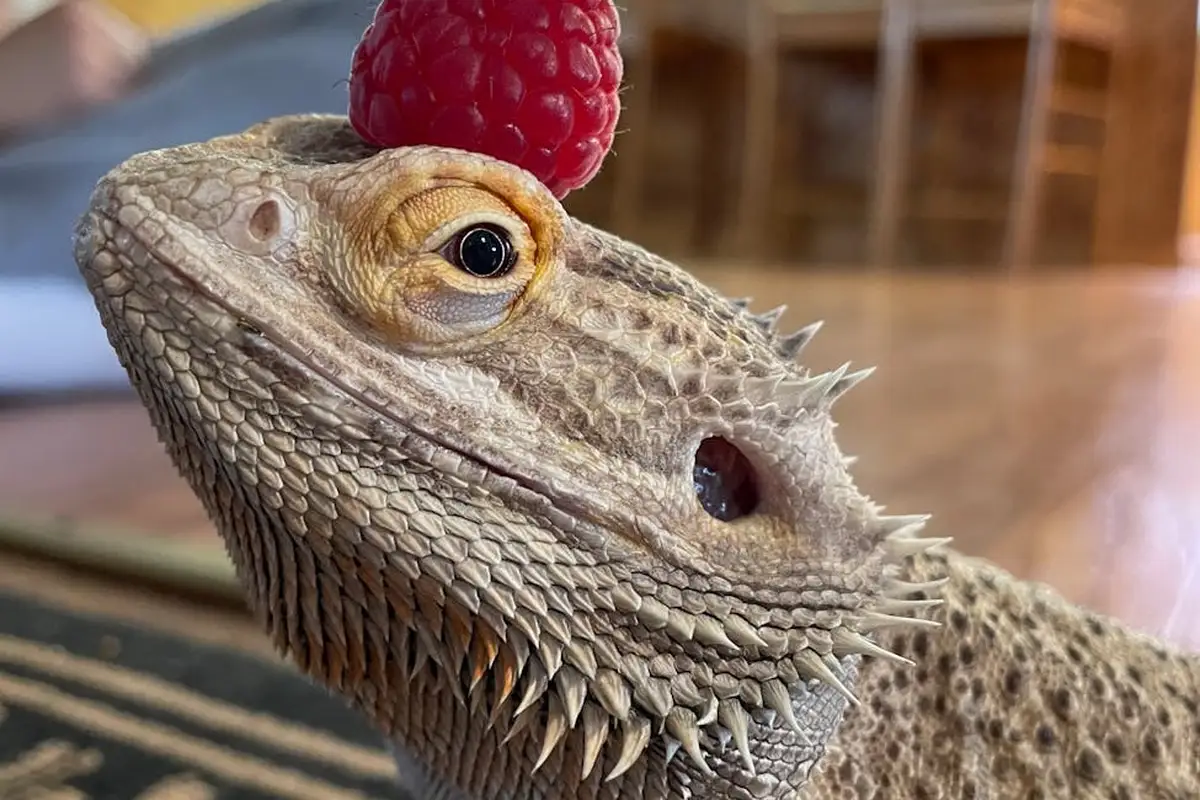
Just like a human toddler has different nutritional needs than a grandparent, your bearded dragon’s diet must evolve with them. I’ve raised several dragons from tiny hatchlings to dignified seniors, and tailoring their food to their life stage is the single biggest factor in their long-term health.
Babies vs. Adults: A Tale of Two Diets
Baby and juvenile bearded dragons are growing at an incredible rate. To support this, their diet is heavily skewed toward protein. So how much should a baby bearded dragon eat? This complete feeding guide covers age-based portions and feeding frequency.
- Babies & Juveniles (0-8 months): Offer live insects 2-3 times a day. They should be eating as many appropriately-sized bugs as they can in a 10-15 minute window. Never leave live prey unattended in the tank.
- Adults (18+ months): Their growth has slowed, and their diet should reflect that. Protein becomes more of a supplement. Feed them a salad daily and offer insects just once a day, or even every other day.
The Great Protein-to-Greens Shift
Watching this ratio change is one of the most important jobs you have as an owner. Getting it wrong can lead to obesity or malnutrition.
- Baby/Juvenile Ratio: Aim for a diet of about 80% live insects and 20% fresh greens. Even though they focus on bugs, always have a small, fresh salad available.
- Adult Ratio: This flips completely. An adult’s diet should be roughly 80% fresh greens and vegetables and only 20% live insects.
Caring for the Sick and Elderly
Older dragons or those feeling under the weather often have slower metabolisms and weaker jaws. You need to adapt.
- For elderly dragons, reduce high-fat insects like waxworms and focus on easy-to-digest proteins like dubia roaches or silkworms.
- If your dragon is sick or losing weight, you might need to temporarily increase their insect intake for energy. I always keep a jar of critical care or Repashy Grub Pie on hand for times when a dragon needs an easy, nutritious slurry.
- Chop their greens into smaller, more manageable pieces to make eating less of a chore.
Smart Hydration Tips
Bearded dragons often don’t recognize a standing water dish, so we have to get creative with hydration.
- Offer water-rich vegetables like cucumber, bell peppers, and zucchini. These are fantastic for a hydration boost.
- Remember, these watery foods are a treat and supplement, not a staple. Too much can cause loose stools.
- I gently mist my dragons’ salads with water before serving. They lick the droplets off the leaves, which is a perfectly natural way for them to drink.
- A shallow, lukewarm bath a few times a week also encourages them to drink and helps with hydration.
Quick Reference: Bearded Dragon Food Chart and Lists
When you’re in a hurry, a clear list is a lifesaver. I keep a version of this chart taped to my fridge so I never have to guess during mealtime.
| Food Type | Examples | Feeding Frequency |
|---|---|---|
| Staple Insects | Dubia Roaches, Crickets, Black Soldier Fly Larvae | Daily (for juveniles), Every Other Day (for adults) |
| Staple Greens | Collard Greens, Dandelion Greens, Mustard Greens, Endive | Daily |
| Staple Vegetables | Butternut Squash, Acorn Squash, Bell Peppers, Green Beans | Daily |
| Treat Insects | Waxworms, Butterworms, Hornworms | Once a Week or Less |
| Occasional Fruits | Blueberries, Raspberries, Mango, Papaya (seedless) | Once or Twice a Month |
From my years of caring for these wonderful reptiles, I’ve learned that having a simple guide prevents a lot of stress. We’ve created a free, easy-to-download PDF food list you can print and keep on your fridge for quick checks. You can find it on our website’s resource page to make your feeding routine super simple.
Key Takeaways for Busy Owners
If you remember nothing else from this chart, focus on these three points. They form the foundation of a healthy diet.
- Variety is non-negotiable. Rotate your dragon’s greens and insects weekly to ensure a full spectrum of nutrients and prevent them from getting bored with their food.
- Insect size matters more than you think. A good rule is to never feed an insect longer than the space between your dragon’s eyes to avoid impaction risks.
- Salad is for every day, bugs are not. Even my most voracious adult dragons get their daily salad, but their live prey meals are spaced out to maintain a healthy weight.
Frequently Asked Questions
Where can I buy safe food for my bearded dragon?
You can purchase high-quality feeder insects and fresh greens from reputable pet stores, online reptile supply retailers, or local farmers’ markets, always ensuring they are free from pesticides and parasites. Avoid wild-caught insects to prevent potential health risks.
What type of food bowl is best for my bearded dragon?
Use a shallow, heavy ceramic or plastic bowl to prevent tipping and make it easy for your bearded dragon to access its food. Ensure the bowl is easy to clean to maintain hygiene and reduce bacterial growth in the enclosure. For a complete feeding guide for pets, including what to feed and how often, see our full article. It also helps answer questions like “do bearded dragons eat” and explains how their diet in captivity compares to what wild dragons may eat.
How can I use the bearded dragon food list PDF effectively?
Print the PDF and keep it handy for quick reference during meal prep to ensure you’re offering a varied, balanced diet. Use it to cross-check safe foods and avoid repetitive feeding, which helps prevent nutritional deficiencies.
Wrapping Up
Getting your bearded dragon’s diet right is one of the most rewarding parts of being a reptile owner. A varied menu of safe insects and fresh vegetables, paired with the right calcium and vitamin supplements, truly sets your dragon up for a long, vibrant life. If you’re wondering ‘should I feed my bearded dragon daily’, a complete feeding guide can help you decide. The right daily plan balances insects, greens, and supplements. I’ve seen my own pets thrive on this simple, balanced approach.
Always double-check any new food item before offering it. When in doubt, leave it out-your dragon’s health and safety are always the top priority. With this guide in hand, you’re fully equipped to make fantastic, healthy choices for your scaly friend.
Further Reading & Sources
- The Bearded Dragon’s Diet: What Can They Eat? | Falls Road Animal Hospital | Baltimore Vet
- Bearded Dragon Diet | Gillette Veterinarians
- The Bearded Dragon’s Diet: What Can They Eat?
Bearded Dragon Lair is the ultimate resource for bearded dragon enthusiasts, offering expert advice and practical tips to ensure the health and happiness of your scaly companion. With years of experience in reptile care, we are dedicated to providing accurate, up-to-date information to support your bearded dragon journey.
Feeding Guidelines