What Worms Can Bearded Dragons Eat? A Guide to Safe and Nutritious Options
Published on: February 3, 2026 | Last Updated: February 3, 2026
Written By: Beardie Joe
If you’ve ever stared at a container of wriggling worms, unsure which ones are safe for your bearded dragon, you’re in the right place.
As a dedicated owner of multiple bearded dragons, I’ve spent years perfecting their diets and learning which worms offer the best nutrition without compromising their health.
I’ll walk you through the best worm choices, explain their nutritional benefits, and show you how to feed them safely for a happy, healthy pet.
Why Include Worms in Your Bearded Dragon’s Diet?
Think of worms as the hearty, protein-packed main course in your dragon’s menu. In the wild, a big part of their diet is made up of insects and other creepy crawlies. Worms provide that essential, animal-based protein that fuels their growth, energy, and overall body maintenance. They are a fundamental building block, not just a treat.
Beyond just protein, offering a variety of worms brings fantastic benefits to your pet’s life. It prevents dietary boredom and provides crucial mental enrichment. Watching my own dragon, Smaug, excitedly hunt down a wiggling hornworm is a joy. This variety stimulates their natural hunting instincts and keeps them active and engaged. Different worms also offer different nutritional profiles, ensuring your beardie gets a wider spectrum of vitamins and minerals.
From my experience, a dragon fed a monotonous diet can become a picky eater. Rotating through safe worm options has kept all my dragons eager and excited at mealtime. It’s a simple way to promote their welfare and happiness right in their enclosure.
Safe and Nutritious Worm Varieties for Bearded Dragons
Not all worms are created equal. Some are everyday staples, while others are like decadent desserts. Here’s a breakdown of the safe options you can confidently offer.
| Worm Type | Protein Level | Fat Level | Key Nutrient Notes |
|---|---|---|---|
| Mealworms | Moderate | Moderate | Easy to find; harder to digest due to chitin. |
| Superworms | High | High | Great for weight gain; too fatty for regular use. |
| Hornworms | Moderate | Very Low | Excellent for hydration; soft-bodied and easy to digest. |
| Black Soldier Fly Larvae | Moderate | Low | Calcium powerhouse; often requires no dusting. |
| Silkworms | High | Low | Great protein-to-fat ratio; also contain selenium. |
| Butterworms | Low | High | Use as a rare treat; dragons find them irresistible. |
| Waxworms | Low | Very High | The “candy” of the worm world; for treats only. |
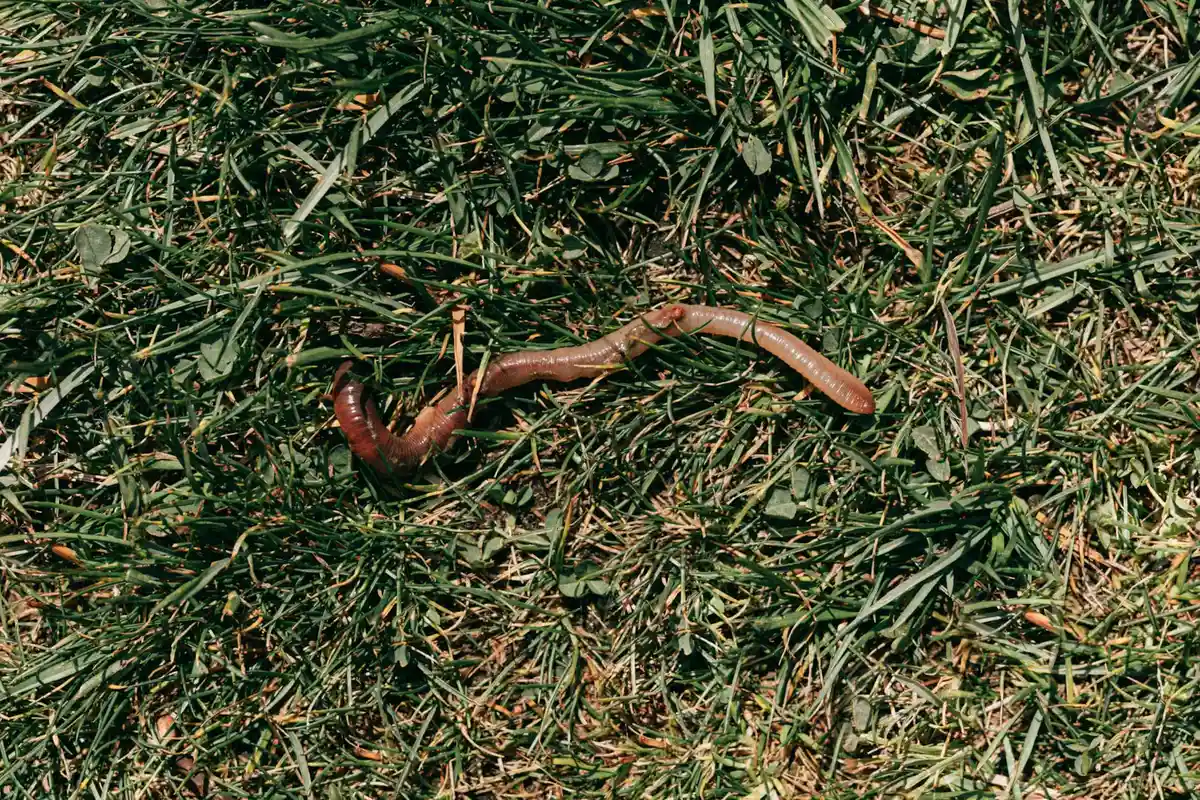
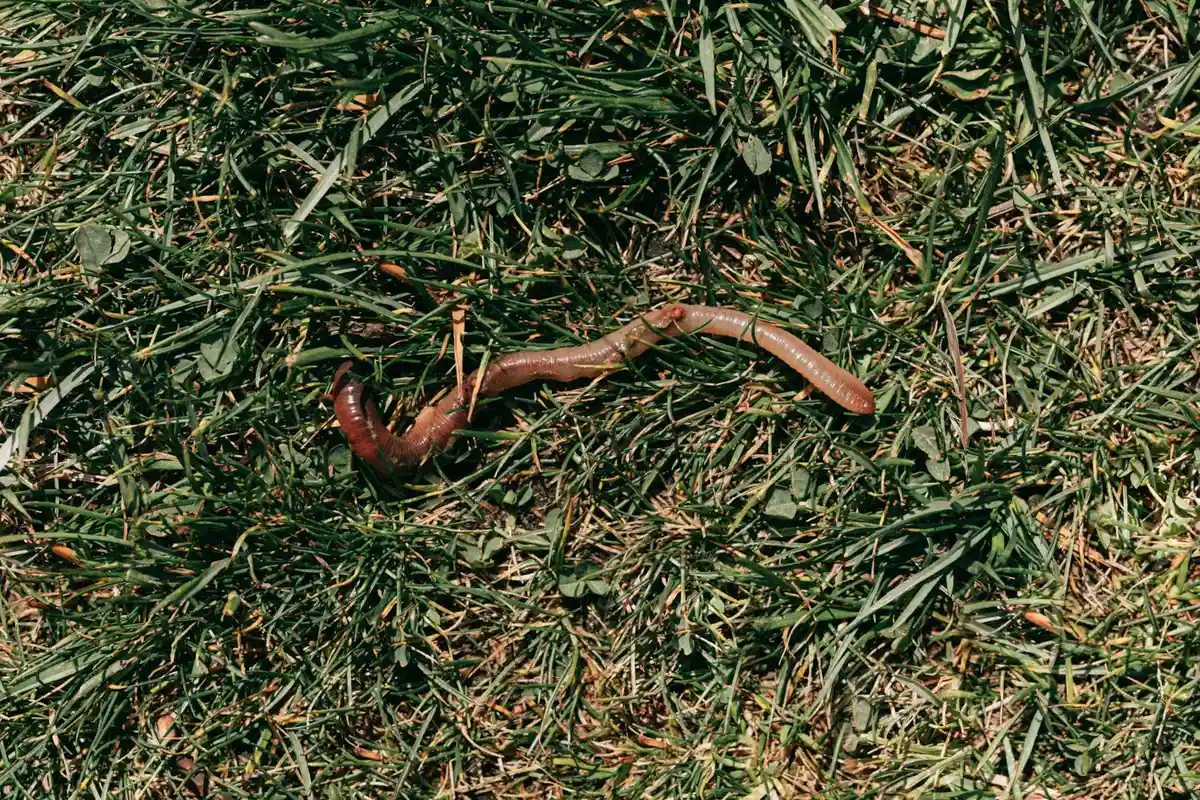
A quick note on earthworms and red wigglers from your garden: I generally avoid them. Wild-caught worms can harbor parasites or contain pesticides and herbicides from the soil. It’s a risk I’m not willing to take with my pets. Stick to worms bred specifically for reptile consumption.
Mealworms: A Common Choice
Mealworms are often the first worm a new owner encounters. They are readily available and relatively inexpensive. Their protein content is decent, but their fat level is on the higher side. The biggest concern with mealworms is their tough, chitinous exoskeleton, which can be difficult for some dragons to digest. This is especially true for younger, smaller juveniles; even mealworm beetles can pose similar safety issues.
To mitigate digestion issues, only offer mealworms that have recently molted (they appear softer and white). Always feed them in moderation. For a healthy adult dragon, a few mealworms 2-3 times a week as part of a varied insect mix is a good rule. Never make them the sole protein source. Bearded dragons often eat hornworms, mealworms, and even superworms as part of a varied diet. Keep portions appropriate and vary prey to support digestion.
Superworms: Larger and More Protein
Superworms are like the big, brawny cousins of mealworms. They pack more protein and, consequently, more fat. Their size and protein content make them excellent for putting weight on underweight adult dragons or for fueling large, growing juveniles. Because of their high fat, they should not be a daily feeder.
I reserve superworms for my adult dragons as an occasional power-up. There is a rare parasitic risk associated with superworms if they are ingested while alive and can bite the dragon’s gut. To be safe, some owners prefer to crush the heads of superworms before feeding. I find offering them in a smooth feeding dish prevents them from latching onto surfaces and reduces this risk. In a complete feeding guide for bearded dragons, you’ll see recommended frequency and portion sizes for superworms. It also covers safety tips and how to balance them with other staples for a healthy diet.
Hornworms: Hydrating and Low-Fat
Hornworms are a fantastic choice, especially for dragons that are hesitant to drink from a water bowl. They are over 85% water! Their brilliant green color and soft bodies make them easy to digest and incredibly enticing for your pet. They are like a juicy, hydrating snack that also provides a good amount of protein with very little fat.
I often use hornworms during hotter weather or if one of my dragons seems slightly dehydrated. They are a perfect post-shedding treat, too. You must only use store-bought hornworms, as wild hornworms can be toxic from the plants they consume. The farm-raised ones are perfectly safe and nutritious.
Black Soldier Fly Larvae: Calcium Powerhouse
If I had to pick a favorite staple worm, it would be Black Soldier Fly Larvae, often sold as NutriGrubs or CalciWorms. These little wrigglers have a nearly perfect calcium-to-phosphorus ratio, which is vital for preventing metabolic bone disease. This means you often don’t need to dust them with calcium powder, reducing supplementation hassle.
Their nutritional value is further enhanced through proper gut loading. When you feed the larvae a nutritious diet, your dragon directly benefits. The combination of high innate calcium and the potential for good vitamin D3 from proper UVB lighting makes them a superior choice for skeletal health. I use them as a primary feeder for all my dragons because the nutritional benefits are just too good to pass up.
How to Properly Prepare and Feed Worms
Getting the most out of your worm feeders isn’t just about dropping them in the tank. A little prep work transforms a simple worm into a vitamin-packed power snack for your dragon. I always take these few extra steps with my own crew; it makes a visible difference in their health and energy levels.
Gut Loading for Maximum Nutrition
Think of gut loading as cooking a nutritious meal for the worm, which then becomes a nutritious meal for your beardie. You are essentially what you eat, and that applies directly to your feeder insects. I start this process at least 24-48 hours before I plan to feed the worms to my dragons.
- Safe Gut Loading Foods: Sweet potato, carrots, butternut squash, dandelion greens, collard greens, mustard greens, and high-quality commercial gut load formulas.
- The Process: Place your worms in a separate ventilated container with a generous portion of these healthy foods. Remove any old, uneaten food after a day to prevent mold. The worms will consume and store these nutrients, ready to be passed on.
Calcium Supplementation and Dusting
Even a well-fed worm often lacks the calcium reptiles need. Dusting is non-negotiable for preventing Metabolic Bone Disease, a common and serious condition. Here’s my simple method that has kept my dragons strong for years.
- Place the worms in a small plastic bag or a dedicated dusting container.
- Add a small pinch of pure calcium powder (without Vitamin D3 for most feedings).
- Gently shake the container until the worms have a light, even coating-like a faint ghosting of powder.
- Offer them to your bearded dragon immediately, before the powder has time to fall off.
Feeding Frequency and Portion Control
Overfeeding worms is a fast track to an overweight dragon. Portion size is critical and changes dramatically as your bearded dragon grows. I use a simple rule of thumb based on the space between their eyes. Also, the guide covers how many worms to feed and which worm types suit different ages. Age and worm choice affect feeding as your dragon grows.
Juveniles (under 18 months) are growing machines and need more protein.
- They can be fed appropriate-sized worms 2-3 times daily.
- Offer as many worms as they can eat in a 10-15 minute period.
Adults (over 18 months) need a diet focused on veggies with worms as a supplement.
- Feed worms only 2-3 times per week.
- A good portion is roughly 5-10 worms per feeding, depending on the worm size.
Remember, worms are a part of the diet, not the entire diet. A balanced plate for an adult bearded dragon is about 80% fresh greens and vegetables and 20% live feeders like worms. For a safe, nutritious worm diet, see our bearded dragons eat worms guide for which worms are best and how often to feed them.
Risks and Safety Tips When Feeding Worms
While worms are fantastic feeders, they aren’t without their hazards. Awareness is your best tool for keeping your scaly friend safe and sound. I’ve learned to be vigilant through a couple of scares over the years, and it’s always better to be proactive.
Avoiding Parasitic and Health Issues
The biggest risk often comes from where you get your worms. Never, ever collect worms from your backyard or a park to feed your dragon. Soil from outside can contain pesticides, parasites, and heavy metals that are extremely dangerous.
- Safe Sourcing: Always buy from a reputable pet store or a dedicated online feeder insect supplier. These breeders raise their insects in controlled, clean environments.
- Symptoms to Watch For: Lethargy, loss of appetite, runny or unusually smelly stools, weight loss, or visible worms in their feces. If you see any of these, a vet visit is urgent.
Fat Content and Moderation Warnings
Some worms are like candy for bearded dragons—delicious but nutritionally empty and full of fat. Feeding high-fat worms too often is a primary cause of reptile obesity and fatty liver disease. I treat these as strict, occasional treats. Wax worms are particularly high in fat and low in calcium, so they’re not a staple. Use them only as a rare treat or for gut-loading live prey, and always balance with a varied, nutrient-dense diet.
- High-Fat Worms to Limit: Waxworms and butterworms are the main culprits. They should be given sparingly, no more than a few as a weekly treat or for bribing a picky eater.
- Rotational Feeding: Don’t get stuck on one type of worm! Rotate between staples like dubia roaches, black soldier fly larvae, and crickets to provide a wide spectrum of nutrients and prevent dietary boredom. This variety keeps your dragon interested and healthy.
Age-Specific Worm Feeding Guidelines
Just like a human teenager versus a settled adult, a bearded dragon’s nutritional needs shift dramatically with age. Getting this right is one of the most impactful things you can do for their long-term health. In many feeding guides, the number of mealworms you feed is tied to the dragon’s age, so following age-based recommendations matters. That age-aware approach helps you tailor portions more accurately as they grow. I learned this the hard way with my first dragon, Spike, whose growth spurts were absolutely fueled by a careful worm diet.
Feeding Juvenile Bearded Dragons
Baby and juvenile bearded dragons are little eating machines for a reason. They are building bone, muscle, and mass at an incredible rate. Their diet should be heavily skewed towards protein. To get this right, see our bearded dragon complete feeding guide for a full plan. It covers protein targets, calcium balance, prey sizes, and feeding frequency.
- Focus on high-protein, high-calcium worms like Black Soldier Fly Larvae (also called calciworms or phoenix worms). They are a nutritional powerhouse for growing bodies.
- Smaller mealworms can be offered, but they have a higher chitin content which can be tough on tiny digestive systems. Use them as a occasional treat, not a staple.
- Feed them worms 2-3 times a day, as much as they can eat in a 10-15 minute period.
I always made sure my juveniles had a constant supply of appropriately-sized feeders to support their rapid development. Watching them hunt down these small, wiggly worms was also fantastic enrichment for their young minds.
Feeding Adult Bearded Dragons
Once your dragon reaches adulthood (around 18 months), their diet needs to flip. Their growth has plateaued, and too much protein and fat can lead to obesity and serious liver problems.
- Moderation is your new mantra. Worms should now be a supplement, not the main course.
- Their diet should be about 80% fresh greens and vegetables and only 20% live protein, including worms.
- Opt for worms with lower fat content. Silkworms and hornworms are excellent, hydrating choices. Superworms should be a rare, high-value treat.
- Feeding worms 2-3 times a week is typically sufficient for a healthy adult.
Switching my adult dragons to a more plant-based diet with careful worm supplementation kept them active and at a healthy weight for years. It’s a crucial adjustment for their lifelong wellness.
Alternative Protein Sources for a Balanced Diet
Worms are fantastic, but a diet built on just one or two types of feeders is a recipe for nutritional gaps. Variety is not just the spice of life for your bearded dragon; it’s a cornerstone of ethical and complete animal care. Relying on a single food source can also be risky if a supplier has an issue. For daily feeding, a complete feeding guide can help you balance insects, greens, and supplements.
Here are other excellent feeder insects to rotate into your dragon’s menu:
- Crickets: A classic staple. They are lean, encourage hunting behavior, and are great for gut-loading.
- Dubia Roaches: My personal favorite alternative. They are meatier than crickets, have a superb protein-to-fat ratio, and don’t smell or make noise.
- Black Soldier Fly Larvae (Phoenix Worms): As mentioned, these are so calcium-rich they often don’t require dusting, making them incredibly convenient.
- Locusts: A very active feeder that stimulates natural hunting instincts.
To integrate these with worm feeding, I follow a simple weekly schedule. For an adult dragon, it might look like this:
- Monday: Dubia Roaches
- Wednesday: A mix of Crickets and Greens
- Friday: A treat of Hornworms or Silkworms
Rotating through different feeders ensures your pet receives a broad spectrum of nutrients and prevents them from becoming a picky eater. This commitment to dietary diversity is a direct reflection of your commitment to their overall welfare and happiness.
Frequently Asked Questions
Can I see worms in my bearded dragon’s poop?
Yes, finding whole, undigested feeder worms might indicate overfeeding or digestive issues, but if you spot small, moving parasites, it could signal an internal worm infestation that requires a vet visit.
What are the symptoms of parasitic worms in bearded dragons?
Symptoms include lethargy, loss of appetite, abnormal or foul-smelling stools, weight loss, and visible worms in feces; consult a reptile veterinarian immediately for diagnosis and treatment.
Where can I buy safe worms for my bearded dragon?
You can purchase safe, nutritious worms from reputable sources like PetSmart, local pet stores, or specialized online feeder suppliers to ensure they are parasite-free and bred for reptile diets.
Final Thoughts
Providing the right worms is one of the most impactful things you can do for your dragon’s health. The biggest takeaway is that variety is non-negotiable; no single worm should ever be the entire menu. Think of hornworms for hydration, dubia roaches for protein, and black soldier fly larvae for calcium, mixing them up to create a balanced diet. Earthworms are another common option to consider in a bearded dragon worm diet. They can add moisture and help diversify the worm lineup when fed in moderation.
My own dragons thrive on this rotational approach, and I’ve seen their colors get brighter and their energy levels soar. Always remember that a healthy worm diet is built on a foundation of fresh greens and proper supplementation. Your careful choices directly fuel their amazing, scaly lives.
Further Reading & Sources
- Superworms for Bearded Dragons: Everything You Need to Know – Dragon’s Diet
- r/BeardedDragons on Reddit: I am a beginner. How many worms do I need to feed my 6 months old bearded dragon a day?
- I have a young bearded dragon. Can they eat any worms? I would like more food options than crickets
Bearded Dragon Lair is the ultimate resource for bearded dragon enthusiasts, offering expert advice and practical tips to ensure the health and happiness of your scaly companion. With years of experience in reptile care, we are dedicated to providing accurate, up-to-date information to support your bearded dragon journey.
Feeding Guidelines