Can Bearded Dragons Eat Worms? A Safe Feeding Guide
Published on: January 2, 2026 | Last Updated: January 2, 2026
Written By: Beardie Joe
If you’re holding a wiggling worm and wondering if it’s a good snack for your scaly friend, you’ve come to the right place.
With years of experience caring for my own bearded dragons, I’m here to help you navigate the do’s and don’ts of worm feeding with confidence.
We’ll cover which worms are safe, their nutritional pros and cons, and how to build a balanced diet that keeps your dragon thriving.
Why Worms Can Be a Great Part of a Bearded Dragon Diet
Worms are like little power packs of protein for your beardie. I love watching my dragons get excited for them—it’s a great way to enrich their day. Think of worms as a supplement to their main diet of greens and vegetables, not the main event. They provide a fantastic nutritional boost that supports growth, especially for younger dragons, and helps maintain muscle in adults. For those curious about superworms specifically, check out our superworms complete feeding guide for serving sizes and safety tips.
The key is balance. Worms offer a concentrated source of vital nutrients that plant matter alone doesn’t provide in the same quantities. From my experience, rotating different types of worms creates a more varied and complete diet.
- Protein: Crucial for tissue repair and overall growth.
- Fat: Provides a dense source of energy.
- Calcium: Some worms are better than others for bone health.
- Hydration: Many worms have high moisture content.
Safe and Nutritious Worm Options for Your Beardie
Not all worms are created equal. Over the years, I’ve learned which ones are staples and which are just for special occasions. Offering a variety is the best strategy to prevent nutritional gaps and keep your pet interested. Here’s a quick guide to the worms you’re likely to find.
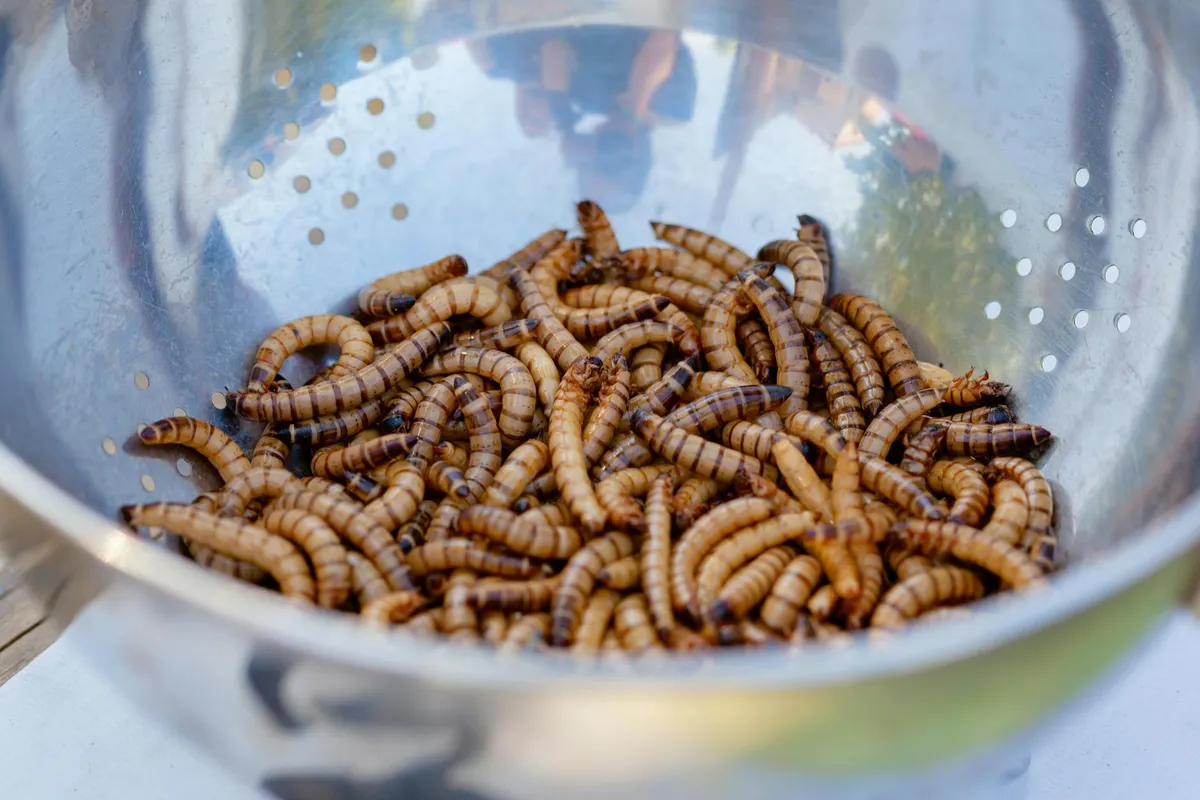
- Mealworms: Readily available but high in chitin. Best for larger, adult beardies.
- Waxworms: The ultimate “junk food” treat. Use sparingly to avoid weight gain.
- Earthworms: A natural option, but must be from a pesticide-free source.
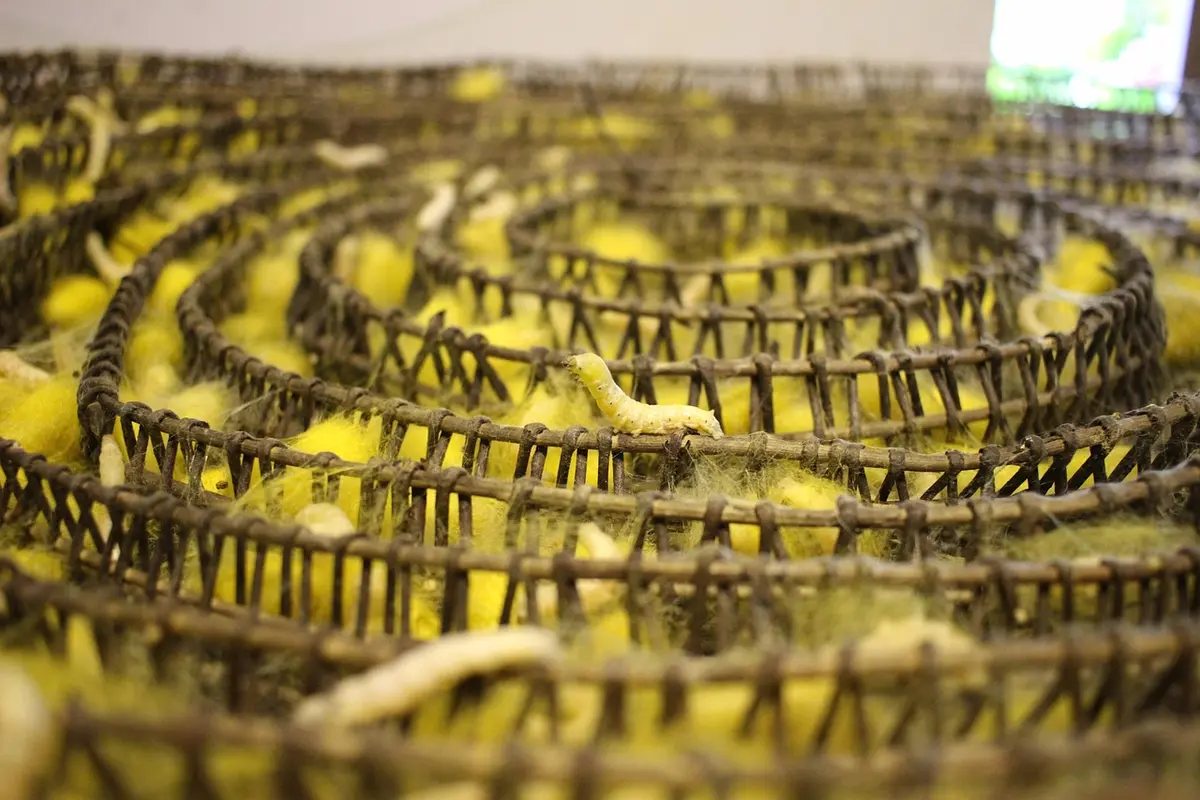
- Silkworms: An excellent, healthy choice with great calcium and protein.
- Black Soldier Fly Larvae (BSFL or Calciworms): A nutritional powerhouse, often used as a staple feeder.
Mealworms: A Common Choice with Caveats
Mealworms are probably the first worm most new owners try. I used to feed them often until I learned about their hard exoskeleton, made of a fiber called chitin. This chitin is difficult for younger or smaller bearded dragons to digest and can lead to impaction. It’s a real risk I’ve seen other owners struggle with. There’s a practical guide on bearded dragons and mealworms, covering live, dried, and giant mealworms. It helps with safe feeding and portion sizes.
If you do feed mealworms, save them for your adult dragon and only offer a few at a time. If you’re using a bearded dragon feeding guide by age, many mealworms are considered appropriate for adults, while juveniles should receive far fewer. Always gut-load your mealworms with nutritious veggies for at least 24 hours before feeding to pass on those nutrients. And never offer a worm that is wider than the space between your bearded dragon’s eyes.
Waxworms: The Fatty Treat
Waxworms are like candy for reptiles. My beardies would probably sell me out for a cup of these. They are incredibly high in fat, which is why they should be a rare delicacy. I only use waxworms as a high-value reward for training or for helping a underweight dragon gain a few grams.
Feeding them too often is a fast track to an obese and unhealthy pet. Stick to offering just two or three waxworms once a week, at most. It can be tough to say no to those begging eyes, but their long-term health is worth it.
Earthworms: Natural and Nutritious
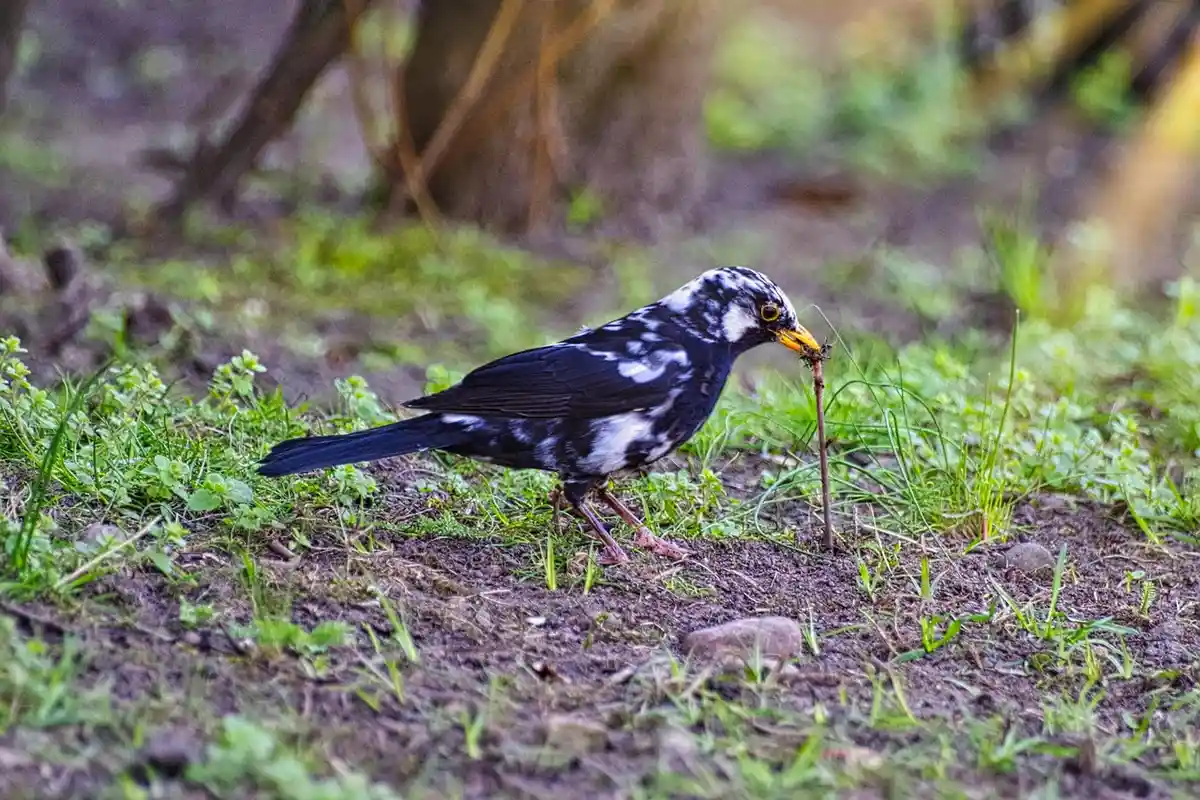
Earthworms can be a wonderful, natural food source. I sometimes collect them from my own organic garden after a good rain. The single most important rule with earthworms is knowing their origin; you must be 100% certain they come from a pesticide-free and fertilizer-free area. Worms from a bait shop are not safe, as they are often kept in unknown conditions.
Before feeding, rinse them thoroughly in clean water to remove any dirt. While generally safe, there is a small risk of parasites from wild-caught prey, which is another reason to be cautious about your source. When in doubt, it’s safer to purchase them from a reputable reptile food supplier.
Other Nutritious Options: Silkworms and BSFL
If you want to level up your beardie’s diet, look into silkworms and Black Soldier Fly Larvae. In a complete guide to safe foods for bearded dragons, these are commonly recommended as nutritious staples. These are the superstars in my feeding routine. Both are soft-bodied, easy to digest, and have fantastic calcium-to-phosphorus ratios, which means better bone health for your dragon. They are more expensive, but the nutritional payoff is worth it. Also, remember to balance with greens and other protein sources to maintain a truly complete diet.
- Silkworms: High in protein, moisture, and contain beneficial enzymes. They are a fantastic staple worm for dragons of all ages.
- Black Soldier Fly Larvae (BSFL): Often called Calciworms, they are so rich in calcium that you often don’t need to dust them with supplement powder. They are a perfect everyday feeder.
Worms to Avoid and Potential Dangers
Not every wiggly creature is a safe snack for your scaled friend. I’ve learned through experience that being picky about which worms you offer is a non-negotiable part of responsible ownership. Some worms can make your dragon very sick.
- Nightcrawlers and Common Earthworms: These are a firm no. They are often collected from soil that can be contaminated with pesticides, heavy metals, or parasites. They also produce a slimy secretion that can be irritating to a bearded dragon’s digestive system.
- Venomous or Stinging Caterpillars/Worms: This might seem obvious, but never, ever feed any worm or caterpillar you find outside. Many, like the puss caterpillar or saddleback caterpillar, have venomous hairs or spines that can cause serious pain and health issues.
- Butterworms: While not toxic, many experienced keepers, including myself, avoid them. They have been known to cause impaction more frequently than other feeder worms due to their tough outer skin.
- Wild-Caught Insects: Any worm or insect you find in your yard or a park is a gamble. You cannot know what chemicals or internal parasites it is carrying. Stick to worms bred specifically for reptile consumption from reputable sources.
How to Properly Prepare and Feed Worms
Feeding worms isn’t just about dropping them in the tank. A little prep work goes a long way for your dragon’s health. Wax worms can be a tasty treat, but they’re high in fat and low in calcium, so feed sparingly and balance with other prey. Understanding wax worms nutrition risks and practical feeding tips helps keep your beardie healthy. Following these simple steps ensures your beardie gets a safe and nutritious meal every single time.
- Source Responsibly: Always buy your feeder worms from a trusted pet store or online breeder. This is your first and best defense against parasites.
- Gut Load Them: Feed your worms a nutritious diet for 24-48 hours before offering them to your dragon. A well-fed worm is a vitamin-packed worm!
- Supplement with Care: Right before feeding, place the worms in a plastic bag or a shallow bowl with a bit of calcium or vitamin powder. Gently shake or roll them to coat lightly.
- Serve Safely: Use feeding tongs or place the worms in a shallow, easy-to-clean food dish. This prevents the worms from burying themselves in the substrate and ingesting particles like sand, which can cause impaction.
- Hydrate and Clean: Remove any uneaten worms after 15 minutes. Always provide a separate, clean dish of fresh water for your bearded dragon to drink from.
Gut Loading for Maximum Nutrition
Gut loading is simply the process of feeding your feeder insects a super-healthy diet before they become food themselves. Think of the worm’s gut as a tiny vitamin capsule you get to fill with whatever nutrients you want your dragon to have. I always keep a container of “worm food” in my fridge for this exact purpose.
- Leafy Greens: Collard greens, dandelion greens, and mustard greens are perfect.
- Orange Vegetables: Grated butternut squash or sweet potato.
- Commercial Diets: High-quality commercial gut-loading foods made from grains and algae.
- Always Avoid: Onions, citrus, or avocados, as these can be harmful.
Calcium and Vitamin Supplementation
Even a gut-loaded worm often doesn’t provide all the nutrients a captive bearded dragon needs. Dusting their food is the easiest way to prevent serious and common health issues like Metabolic Bone Disease. I keep my supplement jars right next to my worm bins so I never forget. Is this a complete feeding plan for a pet bearded dragon? A complete feeding guide will spell out the full diet—what to feed, how often, and the right calcium and vitamin balance—and also show how captive diets compare to what wild dragons typically eat.
You will need two main types of supplements. A pure calcium powder, and a calcium powder with D3. The schedule can vary slightly based on your dragon’s age and your UVB light setup, but a general rule is:
- Juvenile Bearded Dragons: Dust insects with a calcium powder (with D3) once a day, five times a week. Dust with a multivitamin powder once or twice a week.
- Adult Bearded Dragons: Dust insects with a calcium powder (with or without D3) about 2-3 times a week. Use a multivitamin powder once a week.
Simply place a few worms in a bag or bowl, add a tiny pinch of powder, and gently shake until they are lightly coated. It should look like a very fine dusting, not a thick, chalky paste.
Age-Specific Worm Feeding Schedules
Feeding worms to your bearded dragon isn’t a one-size-fits-all plan. Their needs shift dramatically from hatchling to senior, and getting it right prevents obesity or malnutrition. I’ve raised beardies from tiny babies to gentle giants, and tailoring their worm intake made all the difference in their health and energy levels.
| Feeding Aspect | Baby Bearded Dragon (0-6 months) | Adult Bearded Dragon (18+ months) |
|---|---|---|
| Frequency | Offer worms 2-3 times daily | Offer worms 1-2 times per week |
| Portion Size | 5-10 small worms per feeding | 3-5 medium worms per feeding |
| Worm Types | Stick to smaller, softer worms like Phoenix Worms or small mealworms | Use larger, chitin-heavy worms like superworms sparingly as treats |
Young dragons burn energy fast and need that protein boost for growth. Overfeeding adults leads to fatty liver disease, something I’ve helped friends reverse with diet changes. Always dust worms with calcium powder for babies and a multivitamin for adults to cover nutritional gaps.
Recognizing Signs of Worm-Related Health Issues
Even with the best care, worms can sometimes cause trouble. Catching symptoms early saves you vet bills and your dragon discomfort. I’ve nursed beardies through parasitic scares and blockages, and quick action is everything.
- Lethargy or weakness: If your dragon seems unusually tired or struggles to move, it could signal parasites or impaction. Check their basking spot temperature and reduce worm intake immediately.
- Loss of appetite: A bearded dragon refusing food, especially their favorite worms, might have digestive issues. Offer hydrating veggies like bell pepper and consult a reptile vet if it lasts more than a day.
- Abnormal poop: Watery, bloody, or foul-smelling stool points to parasitic infections. If you see whole worms in the poop, stop all worm feeding, collect a fresh sample, and get it tested by a professional.
- Bloated abdomen: A swollen belly often means impaction from too many hard-shelled worms. Gently massage their tummy and provide warm baths to encourage movement.
- Weight loss despite eating: This classic sign of parasites steals nutrients. Switch to easily digestible greens and schedule a fecal exam to identify the culprit.
Never ignore worms in their droppings. It usually means the worms are alive and competing for nutrients, which demands a vet visit and possible deworming. I always quarantine new dragons and test their poop before introducing worms to my colony-it’s a simple step that protects everyone.
Where to Source Quality Worms for Your Pet
Finding a trustworthy source for your dragon’s worms is just as important as choosing the right type. I’ve learned through trial and error that where you buy your feeders directly impacts your pet’s health.
Brick-and-Mortar Pet Stores
Stores like PetSmart and Petco are convenient, and I use them frequently. You can see the worms before you buy them, which is a huge plus. Always inspect the containers for signs of mold, a foul smell, or dead insects, as these indicate poor quality. I look for worms that are active and housed in clean, nutritious bedding.
Online Reptile Supply Retailers
For variety and bulk orders, online is my go-to. You can find specific breeds of worms that local stores might not carry. The key is to research the company thoroughly by reading customer reviews and checking their shipping policies. Reputable online breeders often provide healthier, gut-loaded worms because their entire business depends on it.
The Question of Wild Collection
I know the idea of free food from your backyard is tempting, but I strongly advise against it. Wild worms can carry pesticides, parasites, and heavy metals from the soil that are extremely dangerous for your bearded dragon. The risk of making your pet seriously ill is simply not worth the minor convenience. I only use worms from controlled, captive-bred environments for my own dragons. Bearded dragons have specific dietary needs, and many foods are toxic or unsafe. Following a reliable guide on what bearded dragons can eat and what to avoid helps you keep them healthy.
- Pet Stores: Great for convenience and visual inspection. Check for healthy, active worms in clean containers.
- Online Retailers: Ideal for bulk purchases and specialty worms. Vet the company’s reputation before ordering.
- Wild Worms: Avoid them. The potential for chemical contamination and parasites is too high.
Frequently Asked Questions
What should I do if I see worms in my bearded dragon’s poop?
If you notice whole worms in your bearded dragon’s droppings, it likely indicates a parasitic infection. Stop feeding worms immediately, collect a fresh stool sample, and consult a reptile veterinarian for testing and treatment. Compare your dragon’s waste to our bearded dragon poop visual guide to distinguish normal from abnormal droppings. Use it to monitor ongoing health and know when to seek veterinary care.
What are the symptoms of worm-related health issues in bearded dragons?
Common symptoms include lethargy, loss of appetite, abnormal stool, bloating, and unexplained weight loss. These signs may point to impaction or parasitic infections, so seek veterinary care promptly.
Where is the best place to buy worms for my bearded dragon?
Purchase worms from reputable sources like PetSmart or online reptile suppliers to ensure they are healthy and parasite-free. Always inspect containers for mold, foul odors, or dead insects before buying.
The Bottom Line
Ultimately, worms are a fantastic treat for your bearded dragon, not a daily meal. I always rotate between nutritious options like dubia roaches, black soldier fly larvae, and the occasional superworm to keep my dragons interested and healthy. Bearded dragons often eat hornworms, mealworms, and superworms as tasty, protein-rich treats. They’re good for variety when fed in moderation, alongside greens and other staples. Variety is the absolute key to preventing nutritional imbalances and keeping your pet thriving.
Remember, a healthy dragon is a happy dragon. By offering worms thoughtfully and as part of a broader, balanced diet, you are setting your scaly friend up for a long, vibrant life. Trust your gut, watch how your dragon responds, and you will both enjoy the worm-feeding journey.
Further Reading & Sources
- Superworms for Bearded Dragons: Everything You Need to Know – Dragon’s Diet
- Amount of Mealworms To Feed Your Baby Bearded Dragon | Sunshine State Worms
- Best Feeder Insects For Bearded Dragons
Bearded Dragon Lair is the ultimate resource for bearded dragon enthusiasts, offering expert advice and practical tips to ensure the health and happiness of your scaly companion. With years of experience in reptile care, we are dedicated to providing accurate, up-to-date information to support your bearded dragon journey.
Insects vs. Vegetables