
Is My Bearded Dragon Pregnant? 7 Key Signs
Published on: February 23, 2026 | Last Updated: February 23, 2026
Written By: Beardie Joe
Noticing some unusual behaviors or physical changes in your female beardie and wondering if you might have eggs on the way? That question can be both exciting and a little nerve-wracking.
As an owner of multiple bearded dragons, I’ve guided several of my own girls through this process and I’m here to help you spot the clues.
In this article, we’ll cover the 7 most common signs of a gravid bearded dragon, from sudden appetite shifts to unmistakable physical changes.
Understanding Gravid Bearded Dragons
The term “gravid” is used for egg-laying reptiles, and it’s quite different from a mammalian pregnancy. A pregnant mammal carries developing young inside them for a long period. A gravid bearded dragon is simply carrying eggs, which may or may not be fertilized. Think of it more like a chicken that will lay eggs regardless of whether a rooster was present.
The typical timeline starts after a successful breeding or as the breeding season (generally spring into summer) triggers their cycle. Egg development inside her is relatively fast. You might notice signs of being gravid within 2-4 weeks, and she will usually lay her clutch within 4-6 weeks of becoming gravid.
It’s very common for female bearded dragons to lay infertile eggs, a process called folliculogenesis. I’ve had this happen with one of my girls, Luna, who’s never even seen a male dragon! You can identify infertile eggs after they are laid; they will often appear smaller, yellowish, and may collapse or smell bad over time, unlike firm, white fertile eggs.
7 Key Pregnancy Signs in Bearded Dragons
Abdominal Swelling
This is often the first visual clue you’ll notice. Her belly will become noticeably rounder and fuller on both sides, not just plump from a meal. If you gently feel her sides (with clean hands!), you might feel distinct, lumpy shapes. This swelling typically becomes obvious in the second half of the gravid period, as the eggs develop and take up more space.
Nesting and Digging Behavior
You might find her frantically scratching at the corners of her tank. This powerful instinct to find the perfect spot to bury her eggs is unmistakable. To support this, I always set up a lay box-a simple container filled with moistened topsoil and play sand-as soon as I see this behavior. It gives her a safe, designated place to dig and prevents stress-induced egg-binding.
Appetite Changes
Don’t be alarmed if your usually voracious eater suddenly turns her nose up at food. The eggs take up significant room, squishing her stomach. This decreased appetite is her body’s way of conserving energy for the demanding process of egg production and laying. She might also become a picky eater, only accepting her absolute favorite bugs.
Lethargy and Reduced Activity
Carrying around a clutch of eggs is exhausting work. You’ll likely see her basking for unusually long periods or just resting motionless more often. Not moving much—or moving too much—can be a clue that something isn’t right. Monitor any sudden shifts in activity and seek guidance if they persist. A general slowdown is normal, but a complete lack of movement, weakness, or keeping her eyes closed constantly can signal a serious problem like egg-binding. Know your dragon’s baseline to spot concerning changes.
Behavioral Shifts like Aggression
Your normally docile buddy might start hissing, puffing her beard, or even trying to bite when you reach in. She may actively avoid being handled. These hormonal fluctuations and the stress of the situation make her feel vulnerable and territorial. It’s not personal; it’s biology. Give her space and handle her only when absolutely necessary.
Physical Changes in Cloaca and Skin
Take a look at her vent area (the cloaca); it will often appear enlarged or puffy as her body prepares for the eggs to pass. You might also notice her going into a shed right before laying. Monitor her weight with a simple kitchen scale-steady gain is expected, but a sudden drop after laying confirms the event happened.
Altered Basking and Temperature Seeking
She might become a heat-seeking missile, pancaking under the basking lamp for hours to keep her internal temperature optimal for the eggs. Conversely, some may seek cooler areas if they feel overheated. Maintaining a proper temperature gradient in her enclosure is more critical than ever, as she needs to be able to self-regulate effectively during this process.
Essential Care for a Pregnant Bearded Dragon
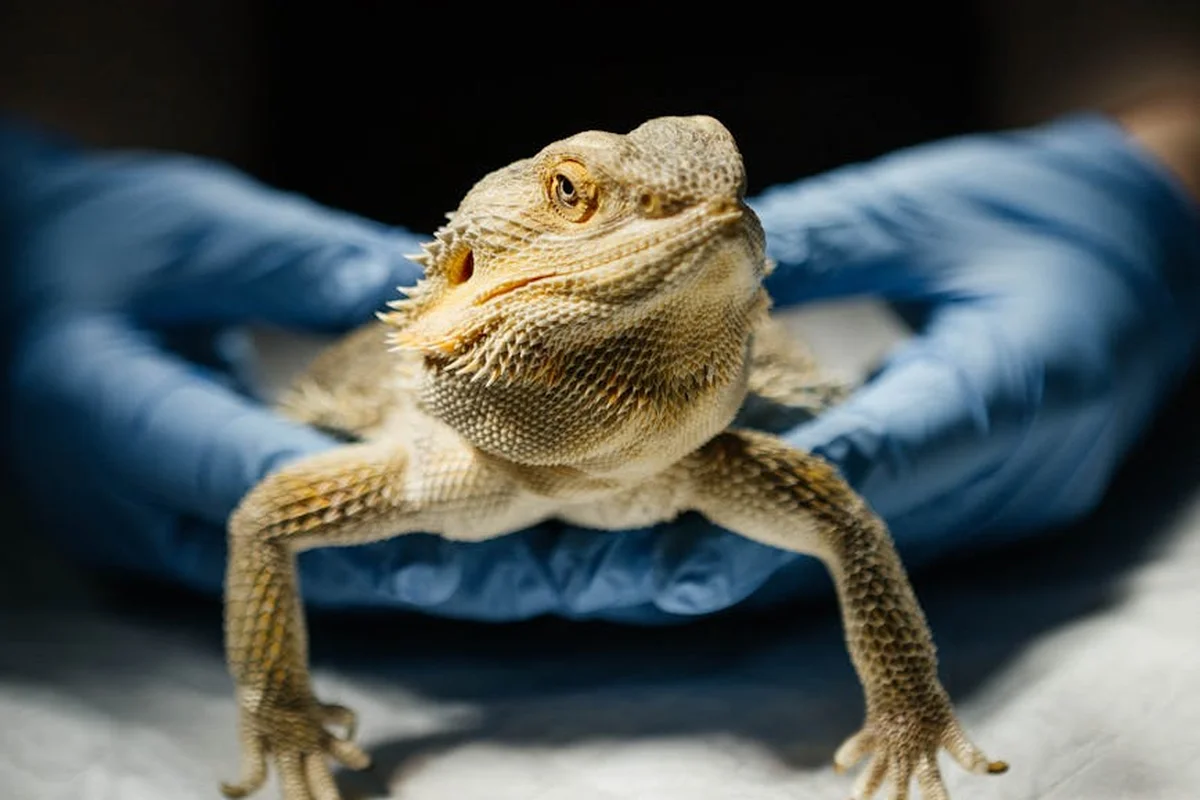
Providing a Nesting Box
- Start with a container like a plastic storage bin that is at least 12×12 inches and 8 inches deep. I’ve found this size gives my girls enough room to dig and position themselves comfortably without feeling cramped.
- Fill the lay box with a safe, diggable substrate such as moistened topsoil or a 50/50 mix of play sand and organic soil. The substrate should feel damp to the touch and hold its shape when you squeeze a handful, mimicking the consistency of a well-packed sandcastle.
- Maintain moisture by lightly misting the substrate with water every day. If it dries out, she may abandon her digging efforts, which can lead to stress or egg retention.
- Place the nesting box in a quiet, low-traffic area of the enclosure. Positioning it away from the basking spot helps her feel secure and reduces the chance of disturbance during this sensitive time.
Diet and Supplementation Adjustments
- Increase her calcium intake by dusting feeder insects with a calcium supplement at every meal. I always use calcium without D3 for daily dusting and switch to a calcium with D3 formula twice a week to support eggshell formation and prevent deficiencies.
- Stick to a supplementation schedule that includes a multivitamin once a week. Over-supplementing can be harmful, so I measure carefully and keep a log to avoid mistakes.
- Offer hydrating foods like sliced cucumber, zucchini, or watermelon in small amounts. These watery veggies not only provide fluids but also encourage eating if her appetite wavers.
- Ensure she stays hydrated by misting her greens or offering water via a dropper. Some dragons prefer to lick water droplets off leaves, so I gently spray her salad and the enclosure walls to prompt drinking.
Habitat Optimization
- Verify your UVB lighting is strong and covers at least two-thirds of the enclosure. Proper UVB exposure is critical for calcium metabolism, and I replace my bulbs every six months even if they still emit light to ensure effectiveness.
- Maintain a basking spot temperature between 100-110°F and a cooler zone around 80°F. Nighttime temperatures can safely drop to the low 70s, but I use a ceramic heat emitter if it gets too chilly to keep her comfortable.
- Minimize disturbances by limiting handling and reducing loud noises near her tank. I’ve noticed that a calm environment encourages natural behaviors like digging and resting, which are vital for a healthy pregnancy.
- Add extra hides and visual barriers with fake plants or cork bark. These simple additions help her feel hidden and secure, reducing stress levels significantly.
Monitoring Health and Hydration
- Weigh her weekly using a digital scale to track any sudden gains or losses. A steady weight increase is normal, but a sharp drop could mean she has laid her eggs or needs immediate care.
- Observe her behavior daily for signs of lethargy, glass surfing, or loss of appetite. I keep a quick journal of her activities to spot patterns or changes that might require action.
- Check for physical cues like sunken eyes, wrinkled skin, or a limp posture. These can indicate dehydration or exhaustion, so I adjust her hydration methods right away if I see them.
- Adjust care promptly if she shows reduced movement or refuses food for more than two days. Trust your instincts-if something feels off, it’s better to reassess her setup or seek advice sooner rather than later.
Recognizing Emergency Situations
Symptoms of Egg Binding
- Watch for prolonged straining where she pushes repeatedly without producing eggs. If she’s been at it for over an hour with no progress, it’s a clear warning sign that she needs help.
- Note any weakness, lethargy, or a complete loss of appetite. These symptoms often pair with egg binding and can escalate quickly, so don’t wait to intervene.
- Be aware of risks like infection, organ damage, or even death if egg binding goes untreated. I’ve seen cases where delayed care led to severe complications, so acting fast is non-negotiable for her wellbeing.
- Take immediate action by placing her in a warm, shallow bath and contacting a reptile vet. Never attempt to remove the eggs yourself, as this can cause injury and increase stress.
When to Contact a Veterinarian
- Reach out for professional help if she shows signs of egg binding, has a prolapse, or is unresponsive. Any of these scenarios require urgent veterinary attention to prevent life-threatening outcomes.
- Describe her recent diet, behavior, and habitat conditions to the vet. I always bring notes on her supplementation schedule and any changes I’ve observed to help the vet diagnose faster.
- Share details like when she last ate, how she’s moving, and if she’s attempted to dig. This information gives the vet a clearer picture and guides them in providing the right treatment.
- Follow up with the vet if her condition doesn’t improve after initial care. Persistent issues might need further intervention, and I stay in touch to ensure she recovers fully.
Preparing for Egg Laying and Incubation
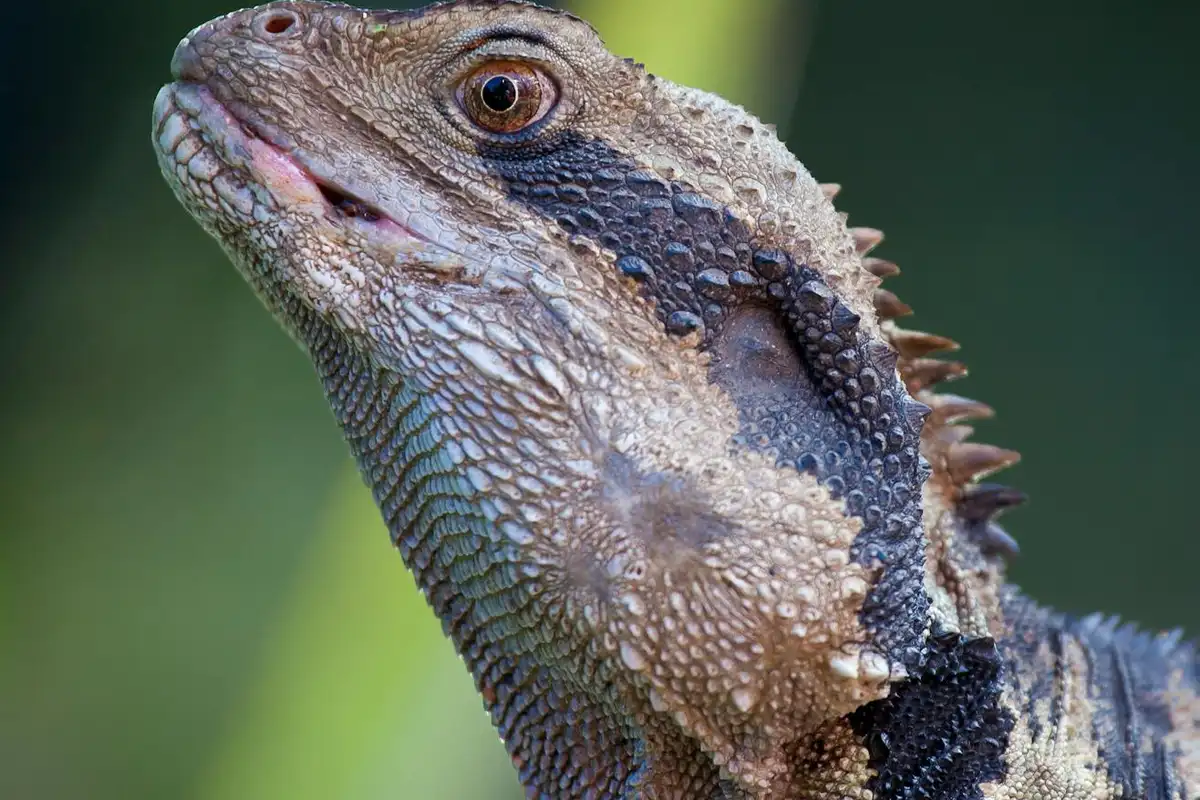
Setting Up the Nesting Area
Once you see the signs, it’s time to get the nursery ready. I set up a lay box in my dragon’s main enclosure about a week before I expect eggs. A proper lay box gives her a safe, private place to dig and prevents her from becoming egg-bound, a dangerous condition. Bearded dragons can lay eggs without mating, and those eggs are often infertile. Providing a dedicated lay box helps her complete the laying process safely and reduces the risk of egg-binding. You’ll need a container large enough for her to turn around in completely, filled with at least 10-12 inches of slightly damp substrate.
I use a mix of play sand and soil, moistened enough to hold a tunnel’s shape without dripping water. The humidity in this micro-environment is crucial for the tunnel walls to stay up. Keep the main enclosure’s humidity normal, but let the lay box substrate be the source of moisture for her digging project. Place the box in the warmer end of the tank and let her explore it on her own terms.
Watching this process is fascinating, but you must be a quiet observer. Limit loud noises and sudden movements near her enclosure, as stress can cause her to abandon the nest site. You can peek, but don’t hover. If she stops digging and starts frantically glass-surfing, the lay box might not be quite right, and you may need to adjust the substrate moisture or depth.
Basics of Egg Incubation
If you have a female who was with a male, you need to be ready for fertile eggs. Carefully remove the eggs from the lay box, trying not to rotate or shake them. Mark the top of each egg with a soft pencil before you move them; this ensures you never flip them during the transfer. The eggs then enter the incubation phase, which requires precise conditions. Maintaining stable temperature and humidity is essential for successful hatching. For incubation, you’ll need a dedicated incubator and vermiculite or perlite as your medium.
The settings are precise but straightforward:
- Temperature: Keep it steady between 80°F and 85°F (27°C and 29°C). I’ve found 84°F (29°C) to be a real sweet spot.
- Humidity: Aim for 70% to 80%. You want the incubation medium to be damp to the touch but not wet enough to wring out water.
Candling the eggs after a week with a small flashlight can reveal red veins, confirming they are fertile and developing. This is a practical way to confirm fertility and helps you spot Bearded dragon egg fertility signs in your female. You may also notice nesting behavior or abdominal swelling as pregnancy signs before laying. If your dragon lives alone and has never been with a male, her eggs will be infertile. You can dispose of these. Some owners choose to leave the infertile clutch in with her for a day or two, as she may instinctively guard them, but removing them promptly is also perfectly fine.
Post-Laying Care for Your Dragon
Your girl will be exhausted and thirsty. The first thing I do is offer a warm, shallow bath to help her rehydrate and clean off. Immediately after laying, her body is depleted of calcium and other vital nutrients, making post-clutch care non-negotiable. She needs a big, nutritious meal to help her recover her strength.
Her post-laying diet should be packed with extra nutrition:
- Dust her feeder insects heavily with calcium powder for at least the next week.
- Offer her favorite, high-calcium greens like collard and dandelion greens.
- Provide more frequent, smaller meals rather than one large one.
Keep a close eye on her weight and behavior. A healthy dragon will bounce back within a few days, showing a strong appetite and normal activity levels. If she isn’t active, don’t ignore it—check temps, lighting, and hydration. If activity doesn’t improve, consult a reptile veterinarian. You can remove the lay box now, but ensure her basking spot is optimal so she can properly digest all that extra food. This recovery period is critical for her long-term health, especially if she produces another clutch, which is very common.
Frequently Asked Questions
When is an X-ray necessary for a gravid bearded dragon?
An X-ray is typically recommended if egg-binding is suspected, as it helps visualize the number and position of eggs to guide veterinary care. It may also be used if your dragon shows persistent distress or unusual symptoms that don’t resolve with standard interventions.
Is it safe to purchase a bearded dragon that is already gravid?
Buying a gravid bearded dragon can be risky, as it requires immediate, specialized care and may involve unknown health issues; it’s often better to acquire a healthy, non-gravid dragon from a reputable source to avoid potential complications. When deciding where to buy, compare reputable pet stores and online breeders. Look for transparent health information and guarantees.
What does a week-by-week progression look like for a gravid bearded dragon?
In the first 1-2 weeks, eggs develop internally with few visible signs; by weeks 3-4, abdominal swelling and behavioral changes like digging emerge; and in weeks 5-6, nesting intensifies before laying occurs, typically around week 4-6 of the gravid period.
Final Thoughts
If you notice several of these signs—like weight gain, frantic digging, and a change in appetite—your bearded dragon is likely gravid. Trust your gut and your observations; you know your pet better than anyone. Start preparing a lay box immediately to give her a safe, comfortable place to deposit her eggs, and consider helping your bearded dragon gain weight safely during this period of increased nutritional need.
While this can be a nerve-wracking experience, you’re not alone. I’ve been through this with my own dragons, and preparation is everything. When in doubt, a quick check-in with a qualified reptile vet is always the best course of action for your dragon’s health and your peace of mind. For bearded dragons, regular vet checkups for bearded dragons are a practical part of care, and a quick emergency guide helps you act fast. Knowing when to seek care can prevent small issues from becoming emergencies.
Further Reading & Sources
- REPRODUCTIVE BIOLOGY OF BEARDED DRAGONS
- How to Know if Your Bearded Dragon Is Pregnant | Pets on Mom.com
- How to Tell If a Bearded Dragon Is Pregnant: 7 Vet-Verified Signs to Look For | PangoVet
Bearded Dragon Lair is the ultimate resource for bearded dragon enthusiasts, offering expert advice and practical tips to ensure the health and happiness of your scaly companion. With years of experience in reptile care, we are dedicated to providing accurate, up-to-date information to support your bearded dragon journey.
Breeding Process