
How to Tell if Bearded Dragon Eggs Are Fertile
Published on: February 23, 2026 | Last Updated: February 23, 2026
Written By: Beardie Joe
Finding a clutch of eggs in your bearded dragon’s tank is an exciting moment, but it also brings a big question: are they fertile and will they hatch?
As a long-time beardie owner who has raised multiple clutches, I’m here to walk you through the signs with clear, step-by-step guidance.
In this article, we’ll cover how to candle eggs for veins, spot key pregnancy behaviors, and create the perfect incubation setup for a successful hatch.
Recognizing Pregnancy in Your Female Bearded Dragon
When my dragon, Ember, was gravid (that’s the fancy term for ‘reptile pregnant’), the changes were impossible to miss once I knew what to look for. Recognizing these signs early is your best tool for providing the right care and preparing for the egg-laying process.
Physical Signs of Gravid Bearded Dragons
Your dragon’s body will tell you a story long before she lays her eggs. I make a habit of gently observing my dragons during handling to spot these changes.
- Noticeable Belly Swelling: Her abdomen will become rounder and more prominent on both sides, not just one.
- Firmness to the Touch: When you gently run your fingers along her lower belly, it will feel firm, like a bag of marbles, rather than soft.
- Sudden Weight Gain: She will put on a significant amount of weight over a relatively short period.
- Pinkish Hue or Color Changes: Some dragons develop a pinkish tint to their belly, especially in the days leading up to laying.
Regular, gentle monitoring is the key to spotting these physical shifts before she’s ready to lay. A sudden, dramatic change always warrants a closer look.
Behavioral Clues and Pre-Lay Activity
This is when your dragon’s behavior might seem a little ‘off.’ I remember Ember started frantically scratching at the corners of her tank, which was my first big clue.
- Intense Digging: She will try to dig in every corner of her enclosure, searching for the perfect spot to lay.
- Decreased or Complete Loss of Appetite: As the eggs take up more space, she simply won’t have room for food.
- Restlessness and Glass Surfing: Pacing the tank and scratching at the glass is common as she feels the instinct to find a nesting site.
- Increased Basking Time: She needs extra heat to help develop the eggs inside her.
When you see these behaviors, it’s time to act. Your most important job is to provide a lay box-a deep container filled with moist, safe soil or sand where she can dig and deposit her eggs. This reduces her stress immensely.
Understanding Fertility and the Mating Process
Many new owners are surprised to learn that a female bearded dragon can lay eggs even without a male. In rare cases, bearded dragons can lay eggs through parthenogenesis in bearded dragons, a form of asexual reproduction. The key difference is that eggs require mating with a male to become fertile and develop into babies.
Here is the simple process that leads to fertile eggs:
- Ovulation: The female’s body prepares and releases egg follicles.
- Successful Mating: A male must successfully mate with her to fertilize the eggs.
- Fertilization & Development: The eggs are fertilized internally and begin to develop.
- Egg-Laying: She lays the clutch of now-fertile eggs.
Infertile clutches, sometimes called ‘slugs,’ are very common. Reasons for infertile eggs include no contact with a male, an unsuccessful mating, or high levels of stress that can interrupt the process.
How Eggs Develop After Mating
The journey from mating to laying is a fascinating and rapid one. Keeping a simple timeline helps you know what to expect.
| Stage | Timeline | What’s Happening |
|---|---|---|
| Post-Mating | First 2-3 Weeks | Fertilized eggs begin developing. You’ll see the first signs of physical swelling and weight gain. |
| Mid-Development | Weeks 3-4 | The embryos are growing rapidly. Her belly becomes very firm and her appetite drops. |
| Pre-Laying | Weeks 4-6 | She shows clear pre-lay behaviors like digging. This is when you must have a lay box ready. |
| Egg-Laying | Around 4-6 Weeks | She will dig a burrow and lay her entire clutch, which can take several hours. |
The entire process from mating to laying typically takes about four to six weeks, so the changes happen quite quickly. This is why understanding the breeding season and post-ovulation signs is so vital for any owner.
Checking Egg Fertility with Candling and Visual Inspection
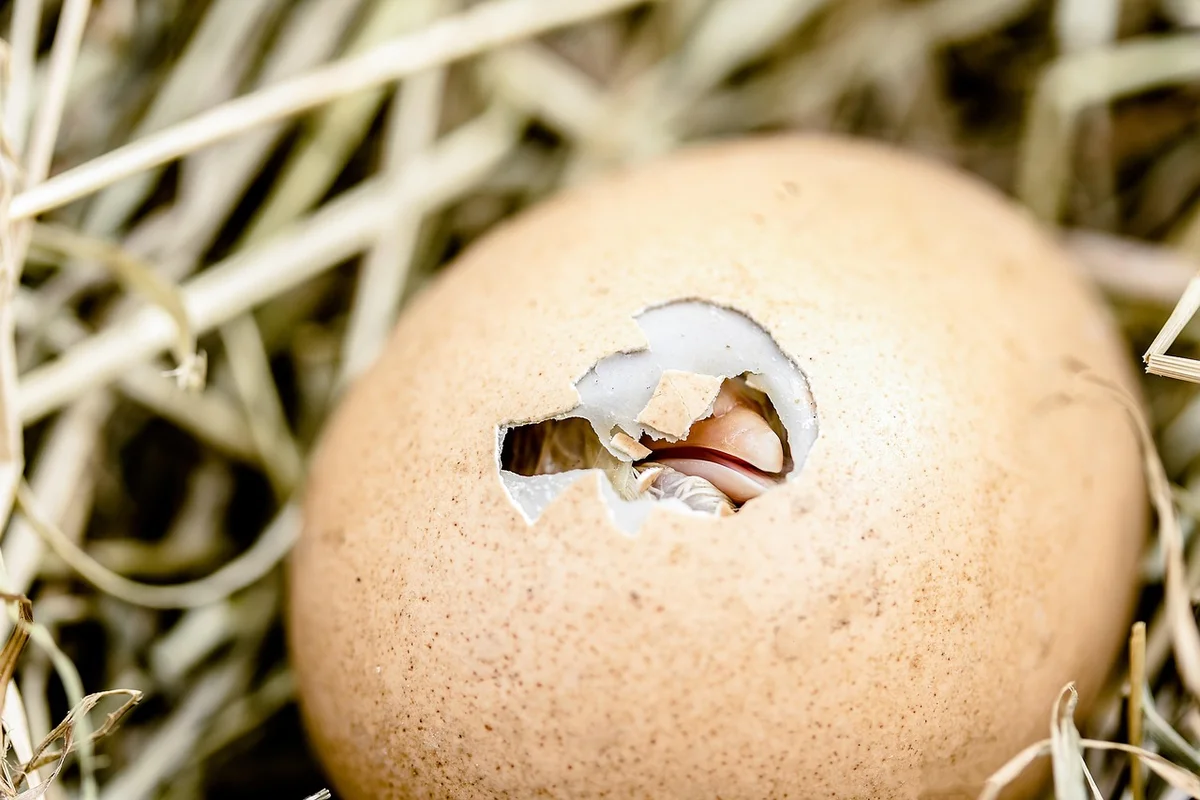
You can check if your bearded dragon eggs are fertile using a simple technique called candling. I always use a small, bright LED flashlight and a completely dark room to get the best view without stressing the eggs. Here is my step-by-step method for candling bearded dragon eggs.
- Gather your tools: a small LED flashlight or a phone light, and make sure your hands are clean and dry.
- Wait about 3-5 days after the eggs are laid to allow any embryos to start developing.
- Go into a dark closet or room at night to eliminate outside light.
- Gently pick up one egg and hold the flashlight directly against its shell.
- Look for a pinkish glow inside the egg with a network of tiny, spiderweb-like veins. A clear air sac might be visible at one end.
- Infertile eggs will look clear or solid yellow without any veins. Handle each egg for only a few seconds and return it to its original position in the incubator to avoid harming a potential baby.
What Fertile Bearded Dragon Eggs Look Like
Fertile eggs have distinct features that set them apart from duds. In my experience, fertile eggs feel firm and slightly leathery, and they often show a healthy pink or reddish hue when candled. You might even see a small, dark spot that is the developing embryo after about a week. Infertile eggs are usually softer, can appear yellow or shriveled, and might collapse over time.
- Fertile Eggs: Pinkish color, visible vein networks, firm texture, and a possible embryo spot.
- Infertile Eggs: Yellow or clear, no veins, often soft or dented, and may start to mold.
I once misjudged a clutch because I didn’t wait long enough to candle-patience is your best friend here.
Common Mistakes in Candling and How to Avoid Them
Many new owners make errors that can accidentally damage fertile eggs. Avoid using a super bright light, which can overheat the egg or make it hard to see delicate veins. Excessive handling is another big mistake; I limit candling to once a week to prevent temperature shocks or physical harm. Always candle in a dark space for better clarity, and never shake or rotate the eggs, as this can dislodge the embryo. If you are unsure, wait a few more days and check again-rushing leads to mistakes.
Incubating Fertile Eggs for Optimal Hatch Rates
Once you confirm fertility, proper incubation is key to hatching healthy bearded dragons. To incubate bearded dragon eggs successfully, you must keep temperature and humidity steady from setup to hatch. Even small deviations can affect development and hatch rates. I keep my incubator steady at 82-86°F with humidity around 70-80% for the best results. Use a simple container with a moist substrate like vermiculite, and avoid opening it too often to maintain stability. The incubation period typically lasts 55 to 75 days, depending on temperature.
- Do: Use a reliable thermometer and hygrometer, check conditions daily, and keep eggs half-buried in substrate.
- Don’t: Let temperatures fluctuate wildly, allow humidity to drop, or move eggs unnecessarily.
From my own clutches, I have learned that consistency is what gives you strong, active hatchlings.
Setting Up Your Incubation Environment
Creating a stable incubation setup is easier than it sounds. You will need a plastic container with a lid, vermiculite mixed with water (aim for a damp sand consistency), and tools like a digital thermometer. I drill small holes in the lid for airflow to prevent mold, which I have dealt with before. Place the eggs about halfway into the substrate, making sure they do not touch each other. Check the setup twice a day to adjust temperature or humidity as needed. If you spot mold, gently remove affected eggs and improve ventilation-early action saves the rest.
Monitoring Development and Hatchling Indicators
Tracking your eggs’ progress helps you anticipate hatching day. I candle eggs every 7-10 days to watch the embryo grow and see veins become more defined. Healthy development shows a darkening mass inside and movement if you are lucky. As hatching nears, eggs may sweat or dimple, and you might hear faint scratching sounds from within.
- Weeks 1-3: Veins are visible; embryo is small but growing.
- Weeks 4-6: Egg darkens; you can see the embryo’s shape.
- Weeks 7-10: Eggs may sweat or collapse slightly; hatching is imminent.
When you see these signs, reduce disturbances and get ready for tiny noses to poke through.
Handling Infertile Eggs and Egg Viability Issues

Finding a clutch of eggs is exciting, but not all of them will hatch. Knowing how to spot a non-viable egg can save you from the heartbreak of waiting for one that will never develop. It’s a common part of the breeding journey that I’ve had to learn through experience.
How to Identify Non-Viable Eggs
Fertile eggs are generally a pristine, chalky white and have a firm, almost leathery feel. Infertile eggs send very different signals.
- Color Changes: They may appear yellow, pink, or have a strange, shiny translucence.
- Texture and Shape: Infertile eggs often collapse, wrinkle, or feel squishy to the touch.
- The Smell Test: This is the most definitive sign. A rotten egg will develop a foul, unmistakable odor. If you smell it, you’ll know.
- Mold Growth: You might see fuzzy green or black spots, indicating the egg has spoiled.
Safe Disposal of Infertile Eggs
It’s important to remove these eggs quickly from your incubator or enclosure.
- Wear disposable gloves.
- Seal the bad egg in a plastic bag before placing it in your outdoor trash bin.
- Do not compost them or throw them in an open indoor trash can. The smell can be overwhelming.
Why Do Bearded Dragons Lay Infertile Eggs?
Many owners are surprised when their solo female lays a clutch. Female bearded dragons can produce infertile eggs through a process called folliculogenesis, much like chickens do. Bearded dragons may lay eggs even without a mate, and the timing or frequency can vary with age and season. Infertile eggs are a common outcome and can be explained by the dragon’s reproductive cycle, as detailed in Infertile eggs explained. It doesn’t mean anything is wrong. It can be triggered by factors like:
- Reaching sexual maturity
- Seasonal changes in light and temperature
- Excellent overall health and nutrition
You should consult a vet if your dragon strains to lay eggs but produces nothing, or if she lays multiple clutches in rapid succession without a male present, as this can deplete her calcium reserves. Bearded dragons vary in clutch size and laying frequency, so knowing what’s typical for your individual helps you monitor health and plan husbandry accordingly. If you notice unusually large clutches or very frequent laying, consult your vet for guidance on care and calcium management.
Caring for Your Bearded Dragon During and After Egg Laying
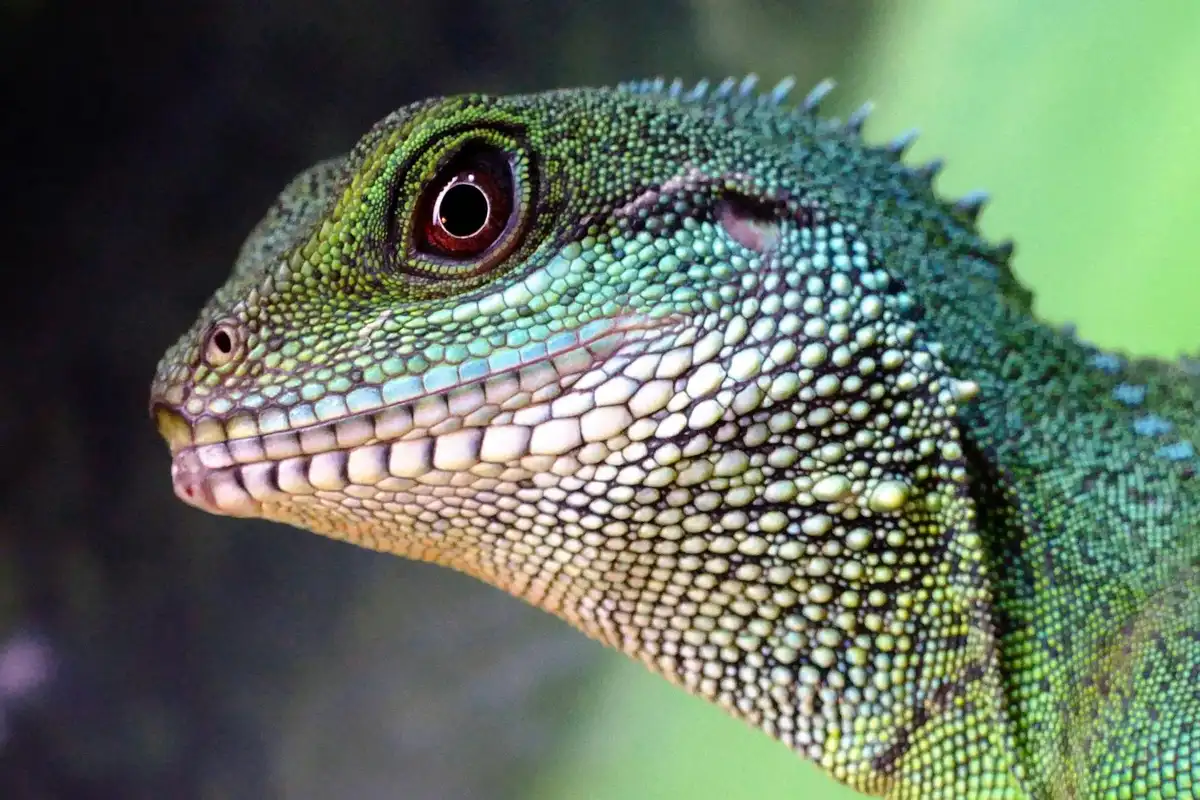
Laying eggs is incredibly taxing. Your girl will be exhausted, dehydrated, and hungry, so her post-lay care is critical for a full recovery. I always treat mine like royalty for a few days after this huge effort.
Post-Egg Laying Recovery Checklist
- Rehydrate Immediately: Offer a shallow, warm bath to help her drink and reabsorb water. You can also mist her greens with water.
- Serve a Nutrient-Rich Meal: Offer her favorite, gut-loaded insects dusted heavily with calcium powder. She needs to replenish her calcium stores urgently.
- Clean the Habitat: Remove all soiled substrate from the lay bin and surrounding area. A clean space prevents bacterial growth and reduces stress.
- Ensure Proper Basking: Make sure her basking spot is at the correct temperature to help her digest food and regain energy.
- Minimize Handling: Give her space and rest. Limit handling to essential tasks for at least a few days.
Long-Term Nutritional Support
After the initial recovery, keep up the support. I continue dusting almost every insect meal with calcium for a week or two after laying, as her body is working hard to rebuild. A multivitamin supplement a couple of times a week is also a great idea during this period.
Preventing and Addressing Egg-Binding
Egg-binding, or dystocia, is a serious condition where a female cannot pass her eggs. This is a life-threatening emergency that requires immediate veterinary attention. Knowing the signs can save your dragon’s life.
Symptoms of Egg-Binding
- Lethargy and weakness, often lying flat and uninterested in food
- Visible straining for more than a day without producing an egg
- Lumps in the lower abdomen that you can see or feel
- Twitching of the legs or tail, which can indicate pain or nerve pressure
- Difficulty walking or a wobbly gait
Immediate Steps and Veterinary Care
If you suspect egg-binding, your first call should be to your exotic vet.
- You can try a warm, shallow bath to see if it helps her relax and pass the eggs.
- Do not try to massage or squeeze the eggs out yourself, as this can cause serious injury.
- A veterinarian may administer calcium injections, oxytocin to induce contractions, or perform surgery to remove the eggs.
Preventive Measures from Experience
Prevention is always the best medicine. From my own experience, the single biggest factor in preventing egg-binding is providing a proper, deep lay box well before you think she needs it. A stressed dragon without a suitable place to dig is a prime candidate for becoming egg-bound.
- Always provide a lay box with moist, packable substrate as soon as a female shows signs of gravidity (pregnancy).
- Ensure her UVB lighting is fresh and her basking temperatures are perfect. This supports overall metabolic health.
- Maintain a diet rich in calcium. Proper nutrition gives her the physical strength to lay her clutch successfully.
Frequently Asked Questions
Do bearded dragons get pregnant?
Bearded dragons do not get pregnant like mammals; instead, females become gravid and can lay eggs, which may be fertile if they have mated with a male or infertile if not. Bearded dragons lay infertile eggs even without mating, and those eggs are usually infertile. Understanding infertile eggs helps owners manage egg-laying and care for the female during this reproductive cycle.
Why do bearded dragons lay infertile eggs?
Female bearded dragons lay infertile and fertile eggs due to factors like lack of mating, unsuccessful copulation, or environmental stressors, as part of their natural reproductive cycle without fertilization. If mating occurs and eggs are fertilized, they become fertile and can hatch, whereas infertile eggs won’t hatch. Understanding the difference between infertile and fertile eggs helps explain their reproductive biology and incubation needs.
Where can I find fertile bearded dragon eggs for sale?
Fertile bearded dragon eggs are occasionally available from reputable breeders, but purchasing them requires careful research to ensure proper incubation and handling, as viability can be affected during shipping. Whether you buy from a pet store or an online breeder, look for clear incubation guidelines and health guarantees. This decision can influence egg viability, genetics, and the post-hatch care your bearded dragon will require.
Final Thoughts
Getting to the heart of your bearded dragon’s reproductive health comes down to a few key signs. If you’re wondering, “my bearded dragon pregnant—what should I look for?”, these seven signs provide a clear checklist. The most reliable way to confirm fertile eggs is by candling them to see the network of pink veins inside a chalky white shell. Pair that with recognizing your female’s pre-laying behaviors—like frantic digging and a sudden loss of appetite—and you’ll be well-prepared for the journey ahead.
Trust your observations and always lean on the side of caution. When in doubt, consulting a reptile-savvy vet can provide peace of mind and ensure the best outcome for your scaly friend and her potential clutch. From my own experience, being this attentive is one of the most rewarding parts of being a bearded dragon caretaker, especially when it comes to knowing the right times to take them to the vet.
Further Reading & Sources
- What to Do If Your Bearded Dragon Lays Eggs
- REPRODUCTIVE BIOLOGY OF BEARDED DRAGONS
- Bearded Dragon Breeding: Mating, Eggs and Hatching
Bearded Dragon Lair is the ultimate resource for bearded dragon enthusiasts, offering expert advice and practical tips to ensure the health and happiness of your scaly companion. With years of experience in reptile care, we are dedicated to providing accurate, up-to-date information to support your bearded dragon journey.
Breeding Process