
Adoption vs. Buying: Your Complete Guide to Welcoming a Bearded Dragon
Published on: November 5, 2026 | Last Updated: November 5, 2026
Written By: Beardie Joe
Are you deciding between adopting or buying a bearded dragon, feeling a mix of excitement and uncertainty about which path is right?
As a long-time bearded dragon owner and reptile care advocate, I’ve helped many friends navigate this exact choice, and I’ll share my real-world insights to ease your mind.
This guide will break down the costs, health factors, and ethical impacts of both options, giving you the clarity to choose with confidence.
Understanding Adoption and Buying: Key Differences
When you decide to bring a bearded dragon into your life, the first big fork in the road is choosing your source. Adoption means giving a home to a dragon that needs one, while buying typically involves acquiring a baby dragon directly from a breeder. The journey for the animal, and for you, is fundamentally different from the very start. Adopting a bearded dragon can sometimes be a more challenging process than buying one, but it is also very rewarding.
Adoption from a Rescue
Think of reptile rescues as safe houses for scaly souls. These organizations take in dragons that have been surrendered, abandoned, or seized from neglectful situations. I’ve volunteered at my local rescue, and the stories behind these animals are often heartbreaking but their resilience is incredible.
- Pros:
- You are directly saving a life and freeing up space for another animal in need.
- Adoption fees are almost always significantly lower than a breeder’s price.
- Many rescued adults have calm, handled-tolerant personalities already established.
- You make a powerful ethical statement against irresponsible breeding and the exotic pet trade.
- Cons:
- You may not know the dragon’s full history, including potential health or behavioral issues.
- They are often adults, so you miss the tiny baby phase.
- Your choice of specific morphs or colors is extremely limited.
- They might require initial veterinary care to address past neglect.
Buying from a Breeder
Reputable breeders focus on the deliberate, careful pairing of dragons to produce healthy offspring with specific, desired genetic traits. My first dragon, Puff, came from a trusted breeder, and I chose that path because I specifically wanted to raise a dragon from a hatchling.
- Pros:
- You get the experience of raising your dragon from a very young age.
- You have access to a wide variety of beautiful and unique color morphs.
- A good breeder will provide a detailed health history and genetics of the parents.
- The dragon is less likely to have pre-existing health or trauma-related issues.
- Cons:
- The initial cost is much higher, especially for rare morphs.
- You are supporting the breeding of more animals while many need homes in rescues.
- Baby dragons require more frequent feedings and can be more skittish initially.
- It can be hard to distinguish a responsible breeder from a profit-driven “mill.”
Breaking Down the Costs: Adoption vs. Buying
Let’s talk numbers. The price tag on the dragon itself is just the beginning. The real financial commitment is in the lifetime of care that follows, regardless of how you acquired your pet. I’ve set up tanks for both my rescued and breeder-bought dragons, and the core costs are nearly identical.
Initial Acquisition Fee
| Adoption | Buying from a Breeder |
|---|---|
| $25 – $100 | $50 – $500+ |
The adoption fee is a donation to help the rescue continue its work. The breeder’s price reflects the animal’s genetics, the breeder’s reputation, and their investment in quality care.
Ongoing and Startup Costs
This is where your budget needs to be realistic. These costs apply to both paths and are the true measure of being ready for a bearded dragon. A clear bearded dragon cost analysis covers the initial purchase, setup, and ongoing expenses, helping you budget for the long term. Being prepared now means fewer surprises later.
- Enclosure & Setup: A proper 120-gallon tank, lighting (UVB tube and basking lamp), fixtures, substrate, hides, and decor. This is a $300-$600 initial investment.
- Veterinary Care: An initial wellness check is crucial, especially for a rescue. Budget for annual check-ups and an emergency fund for issues like impaction or infections.
- Diet: This is a recurring weekly cost. Live insects (like dubia roaches and crickets), fresh greens, and occasional fruits add up over time.
- Supplements: You must have calcium powder (with and without D3) and a multivitamin to dust their food.
- Utilities: Running multiple hot lamps and a UVB light for 12-14 hours a day will cause a noticeable increase in your electricity bill.
While adoption saves you money upfront, a rescue dragon might need that savings allocated to its first vet visit. Your financial readiness for the long-term care is far more important than the initial acquisition method.
The Adoption Process: Steps to Rescue a Bearded Dragon
Finding a Reputable Rescue or Shelter
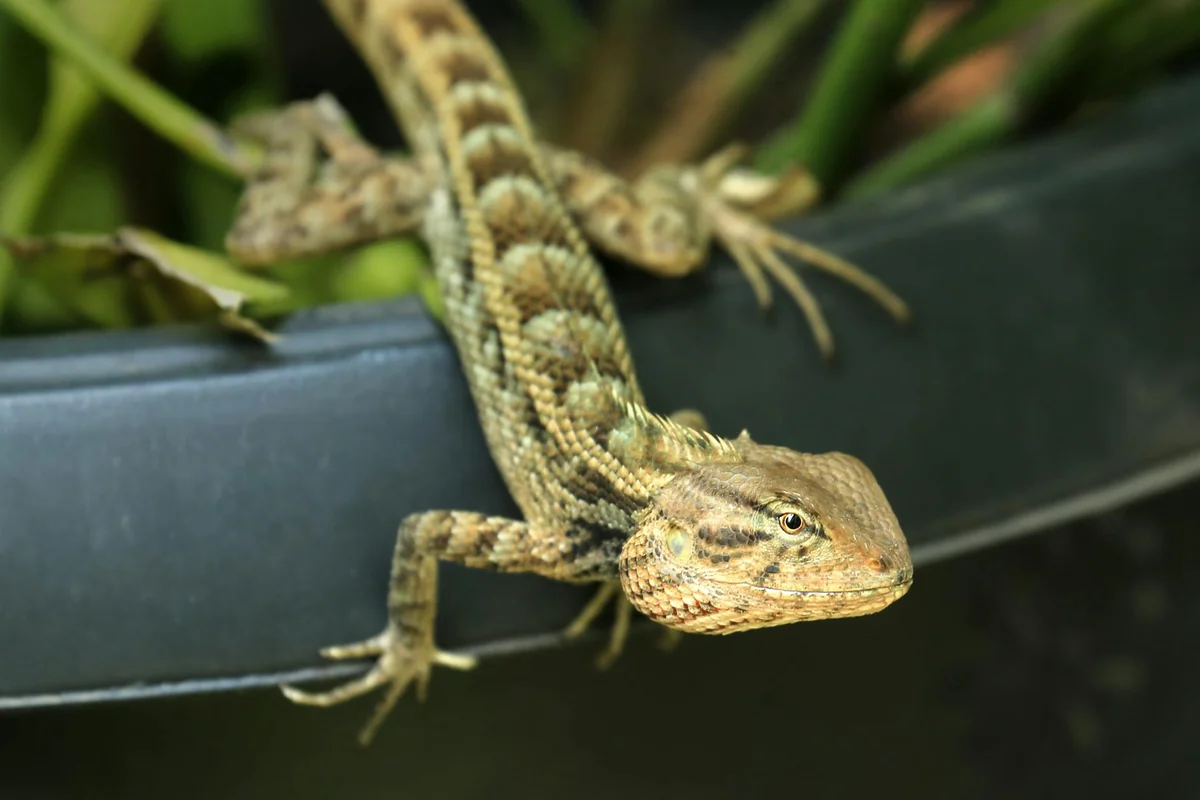
I found my big guy, Jasper, through a local reptile rescue, and it was one of the most rewarding experiences. Finding these places just takes a bit of digging. Start with a simple online search for “bearded dragon rescue near me” or “reptile shelter.” Websites like Petfinder often list adoptable beardies too. Don’t forget to check with general animal shelters; they sometimes get reptiles surrendered to them. If you decide to buy a beardie, reputable local pet stores or online reptile retailers are options too. Look for places that provide care guidance and health records.
Your choice to adopt directly supports animal welfare by giving a second chance to a creature that needs it. You are easing the burden on rescue organizations, which often operate on tight budgets and rely on volunteers. It’s a powerful, ethical choice that says no to the potential problems of mass breeding.
- Search online for reptile-specific rescues and general animal shelters.
- Browse national adoption sites like Petfinder.
- Join local reptile enthusiast groups on social media; they often share rescue posts.
- Ask for recommendations from exotic veterinarians in your area.
Completing the Adoption
Once you find a potential new friend, the process begins. Rescues want to be sure their animals are going to a forever home. You’ll fill out an application detailing your experience and your planned setup. Some may even ask for pictures of your enclosure. A volunteer might schedule a home visit, either in-person or virtual, to check that everything is safe and ready.
Always ask the rescue for any known health or behavioral history before you commit. I made sure to ask about Jasper’s eating habits and his last vet check. There is usually an adoption fee, which might seem odd, but it helps the rescue cover the costs of care for all their animals. This fee is almost always far less than buying from a breeder.
- Submit an adoption application.
- Participate in a home check or interview.
- Pay the adoption fee (typically $25-$100).
- Ask detailed questions about the dragon’s health and temperament.
- Prepare a quiet, warm quarantine tank for their arrival.
- Bring your new dragon home and give them time to adjust.
The Buying Process: Steps to Purchase from a Breeder
Identifying a Quality Breeder
If you have your heart set on a specific morph or a very young dragon, a good breeder is the way to go. Your research is everything here. Look for breeders who are transparent and happy to answer all your questions. They should be knowledgeable, not just trying to make a quick sale. In bearded dragon genetics and morph breeding, it’s helpful to understand inheritance patterns and potential health considerations tied to specific morphs. A good breeder will explain dominant and recessive traits and how pairings may influence offspring.
A quality breeder will proudly show you their clean, organized facility and the parent dragons. They prioritize the health and genetics of their animals over everything else. I’ve walked away from breeders who couldn’t provide clear answers about their breeding pairs’ lineage or health.
- Red Flags to Avoid:
- They refuse to show you where the animals are kept.
- The enclosures are dirty, overcrowded, or smell bad.
- They cannot provide information on genetics or lineage.
- They have multiple species crammed together.
- They pressure you to buy immediately.
Making the Purchase
Your first contact with a breeder tells you a lot. Ask about available hatchlings, their current diet, and their overall health. A good breeder will ask you questions too, to ensure you’re a suitable owner. If possible, visit in person to select your dragon. You get to see its activity level and how it interacts with you.
Always insist on a written health guarantee that covers the dragon for at least the first few weeks after purchase. This protects you from unexpected vet bills for a genetically weak or sick animal. The breeder should provide a care sheet and be available for follow-up questions. A responsible breeder sees the sale as the start of a relationship, not the end of one.
- Contact the breeder with your initial questions.
- Arrange a visit to see the facility and available dragons.
- Observe the dragon’s alertness, body condition, and environment.
- Review and agree upon the health guarantee terms.
- Complete the purchase and secure a safe travel container.
- Set up your habitat in advance for a smooth transition.
Essential Setup for Your New Bearded Dragon
Enclosure Requirements
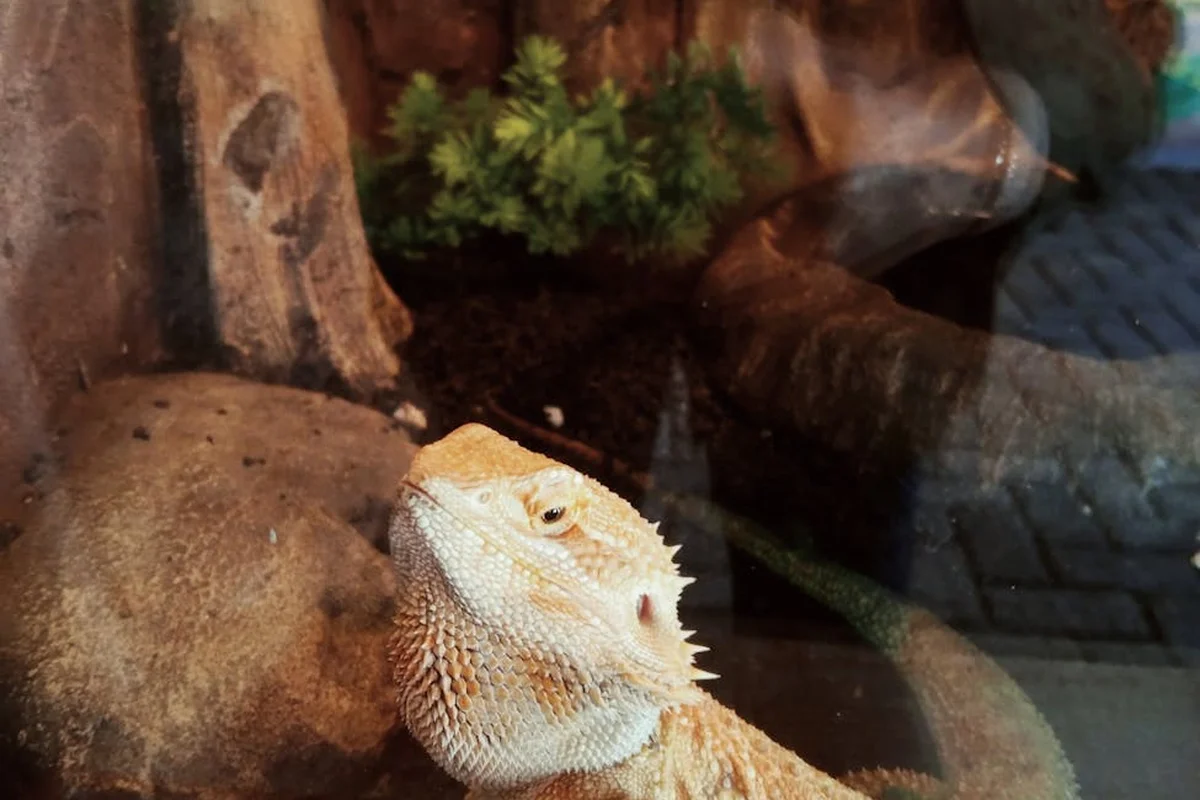
Getting the habitat right from day one is the single most important thing you can do for your bearded dragon’s health and happiness. A proper setup prevents a huge percentage of common health issues and lets your dragon truly thrive. To ensure you cover all bases, consider a Thrive Complete Care Checklist. It guides you through lighting, temperature, diet, and enrichment so your dragon can truly thrive. This is based on years of housing my own dragons and seeing what works long-term.
Let’s break down the essentials.
Tank Size and Type
- Minimum for an adult: A 120-gallon (4x2x2 feet) enclosure is the absolute smallest I recommend. I started with smaller tanks and quickly realized they limit natural behaviors.
- Why bigger is better: Larger spaces allow for a proper heat gradient, space to explore, and reduce stress. It’s their entire world, after all.
- Vivarium material: Front-opening PVC or wooden vivariums are fantastic as they hold heat well and minimize stress from overhead approach. Glass aquariums work but can be drafty.
Lighting and Heating (Non-Negotiable!)
- UVB Lighting: You must use a long, tube-style UVB light that covers at least half the enclosure. Compact coil bulbs do not provide adequate coverage and can lead to Metabolic Bone Disease (MBD), a devastating and preventable illness.
- Heat Lamp: A basking spot is essential for digestion. You need a hot side around 95-110°F and a cool side around 75-85°F. I use a simple halogen bulb for basking and check temperatures daily with digital probe thermometers.
- Nighttime: No colored lights at night. If your home drops below 65°F, use a Ceramic Heat Emitter (CHE) which provides heat without light.
Substrate Choices
This is a topic of much debate, but my experience has led me to a simple rule: safety first.
- For beginners and juveniles: Use non-adhesive tile, paper towel, or reptile carpet. These are completely safe and easy to clean.
- Loose substrates: A deep layer of a soil/sand mix can be used for advanced keepers with perfect husbandry, but it carries a risk of impaction if your dragon’s diet or temperatures are off. I’ve personally stuck with tile for years for its safety and ease.
- Avoid: Calci-sand, crushed walnut, or any substrate that clumps. These are dangerous and can cause fatal blockages.
Initial Acclimation and Quarantine
Bringing your new friend home is exciting, but the first few weeks are a critical adjustment period. Your primary job is to be a quiet, observant guardian, not an entertainer. Rushing this process can set back your bonding for months.
Follow these steps for a smooth transition.
- The First Day Home: Place them gently in their prepared enclosure. Do not handle them. Offer fresh water but don’t be alarmed if they don’t eat right away. Let them explore their new space undisturbed.
- The First Week: Focus on routine. Offer food at the same times each day. Start with hand-feeding greens to build positive associations. Keep handling to an absolute minimum-only when necessary for spot cleaning.
- Quarantine is Crucial: If you have other reptiles, a strict 90-day quarantine in a separate room is non-negotiable. This prevents the spread of parasites or illness. I learned this the hard way with a rescue dragon who had a hidden parasite load.
- Beginning to Handle: After a week, try placing your hand calmly in the tank for a few minutes daily. Let them come to you. Slowly progress to gently scooping them up from below, supporting their entire body.
- Health Monitoring: Watch their poop! Healthy poop is firm with a white urate. Runny, smelly, or infrequent stools can signal parasites or stress. Keep a log of their eating and basking habits-any sudden change is a red flag.
Ongoing Care and Commitment
Caring for a bearded dragon is a long-term partnership. These aren’t low-maintenance pets; they are a daily joy and responsibility that can span over a decade. My oldest dragon, Gimli, is 11, and our routine is a cherished part of my day. If you’re new to beardies, this beginner’s guide to taking care of bearded dragons can help you get started with confidence. It covers setup, feeding, lighting, and daily routines to set you up for success.
Diet and Nutrition
Their dietary needs change dramatically as they grow. Getting this wrong is a fast track to health problems.
- Juveniles (0-12 months): Their diet is about 80% live insects (like dubia roaches and black soldier fly larvae) and 20% fresh greens. They need to eat insects multiple times a day-they are growing machines!
- Adults (12+ months): This flips. Their diet should be 80% fresh, chopped greens (collard, mustard, dandelion) and 20% insects, offered 2-3 times per week to prevent obesity.
- Supplements are Mandatory: Dust insects with a calcium powder (without D3 if your UVB is correct) most feedings, and a multivitamin powder once or twice a week. This simple act prevents crippling nutritional deficiencies.
Handling and Socialization
Bearded dragons can become wonderfully docile with consistent, gentle handling.
- Handle them for short periods daily to build trust.
- Always support their legs and belly. Let them sit on your chest or shoulder while you watch TV for calm bonding time.
- Watch for stress signs: bearding, hissing, or a black beard mean they want to be left alone. Respect their communication.
Lifespan and Veterinary Care
These animals are a long-haul commitment.
- Lifespan: With excellent care, 10-14 years is common. You are committing to a pet for a significant chapter of your life.
- Vet Care: Find an experienced reptile vet before you have an emergency. I take my dragons for a yearly check-up, including a fecal exam for parasites, which are common even in healthy-looking dragons. This proactive care is a cornerstone of responsible ownership.
Legal and Ethical Considerations

Before you bring a new scaly friend home, you need to look at the rulebook. The legality of owning a bearded dragon isn’t universal, and a quick check can save you a major headache later. I learned this the hard way when I moved states and had to double-check my own setup. If you’re a first-time bearded dragon owner, you might be wondering: do you need to know the basics? A quick first-time owner’s guide can walk you through essentials like housing, heat, and feeding.
- In the United States, most states allow bearded dragon ownership without a permit.
- Some cities or counties, however, have exotic pet ordinances that might restrict or regulate them.
- Hawaii has a strict ban on nearly all non-native reptiles to protect its unique ecosystem.
- Countries like Iceland and New Zealand have very tight restrictions on importing and keeping reptiles as pets.
- Always, always verify the specific laws in your city, county, and state or country. A call to your local fish and wildlife agency is your best bet.
Beyond the paperwork lies the heart of the matter: the ethics of where your dragon comes from. Choosing adoption is a powerful act of animal welfare that directly gives a creature a second chance at a good life. The rescue community is full of amazing dragons who just need a committed owner. Many buyers compare pet stores and online breeders. Whichever route you choose, prioritize humane care and clear health histories.
If you decide buying from a breeder is the right path, responsibility is key. A responsible breeder’s priority is the health and temperament of their animals, not the volume of sales. They will happily show you where the dragons are housed, discuss their genetic lines, and have a mountain of questions for you.
- Ethical breeders never sell sick or undersized animals.
- They are transparent about their breeding practices and the dragons’ lineage.
- They provide a clean, spacious, and enriching environment for all their reptiles.
- They act as a lifelong resource for you and will always take a dragon back if you can no longer care for it.
Steer clear of any source that prioritizes profit over well-being. Seeing dragons stacked in small, barren tubs or sold at a flea market is a major red flag for poor breeding practices and a lack of animal care. Your choice as a consumer either supports the ethical treatment of these wonderful animals or perpetuates a cycle of neglect.
Frequently Asked Questions
Is it better to get an adult bearded dragon from a rescue or a baby from a breeder?
This depends on your experience and what you’re looking for. An adult from a rescue often has a calm, established personality, while a baby from a breeder allows you to experience the full journey from hatchling, though it requires more initial feeding and socialization.
Do breeders or rescues offer health guarantees for bearded dragons?
Reputable breeders typically provide a written health guarantee for the first few weeks, while rescues are generally transparent about any known health history but do not usually offer guarantees due to the animal’s unknown past.
If adoption is cheaper, does that mean a rescued dragon is less valuable?
Not at all. The lower fee is a donation to support the rescue’s mission, not a reflection of the dragon’s worth. Rescued dragons can be just as wonderful and rewarding pets as those from breeders.
Final Thoughts
Whether you choose to adopt or buy, you are welcoming a fantastic reptile into your life. Adoption offers a direct path to giving a deserving dragon a second chance, while purchasing from a responsible breeder provides a known history and often a wider selection. The “right” choice is the one that best aligns with your heart, your budget, and your ability to provide a forever home—whether you’re considering regular or exotic pets.
I’ve done both over the years, and the joy a bearded dragon brings is immeasurable either way. Your commitment to their lifelong care, from a proper habitat to a healthy diet, is what truly matters most. Do your research, follow your instincts, and get ready for an incredible journey with your new scaled friend. If you’re wondering how to tell if your bearded dragon is healthy, check out our complete health check guide for clear signs and routine checks. It complements the care basics outlined above.
Further Reading & Sources
- Available for adoption Archives – Bearded Dragon Foundation
- Adoptions | Georgia Herpetological Association and Rescue | Georgia
- Reptile Rescue
Bearded Dragon Lair is the ultimate resource for bearded dragon enthusiasts, offering expert advice and practical tips to ensure the health and happiness of your scaly companion. With years of experience in reptile care, we are dedicated to providing accurate, up-to-date information to support your bearded dragon journey.
Finding Homes for Hatchlings