Can Bearded Dragons Drop Their Tails? Understanding Tail Autotomy
Published on: February 22, 2026 | Last Updated: February 22, 2026
Written By: Beardie Joe
If you’ve ever worried that your bearded dragon might suddenly drop its tail, you’re asking the right question for a caring owner.
With years of hands-on experience caring for my own dragons, I’m here to give you the clear, factual answers you need for their well-being.
We’ll cover the science behind tail autotomy, the common reasons it happens, and the crucial steps for care and prevention.
Can Bearded Dragons Drop Their Tails?
This is one of the most common questions I get from new owners, and the straightforward answer is no. Bearded dragons are not like geckos or skinks; they cannot voluntarily release their tails as a defense mechanism. Their tails are a permanent part of their skeletal structure, fused directly to their spine.
I’ve had my dragons for years, and in that time, I’ve seen plenty of scrapes and scuffles, but I’ve never witnessed a healthy, unstressed beardie “drop” its tail. Their primary defense is their namesake—puffing out that magnificent beard, gaping their mouth, and hissing to look intimidating. The tail is simply not part of that escape plan. So why do bearded dragons puff their beard? It really means they’re signaling a threat or discomfort—it’s a display meant to seem larger.
What Is Tail Autotomy in Bearded Dragons?
Tail autotomy is a biological term for a lizard’s ability to self-amputate its tail. It’s a brilliant survival tactic used by many species. The tail contains pre-formed fracture planes, which are like built-in, easy-break points between the vertebrae.
When a predator grabs the tail, the lizard contracts specific muscles to sever it at one of these weak points. The wiggling, detached tail acts as a distracting decoy while the lizard makes its getaway. This entire process is a controlled, bloodless, and painless evolutionary adaptation for those species that possess it.
Now, here’s the critical distinction for our beardies:
- Bearded dragons do not possess these specialized fracture planes in their tails.
- Their tail vertebrae are solidly connected.
- Any tail loss in a bearded dragon is considered a severe injury, not a natural defense mechanism.
To put it in perspective, here’s a quick comparison:
| Lizards WITH Autotomy (e.g., Geckos, Skinks) | Bearded Dragons (NO Autotomy) |
|---|---|
| Tail detaches easily at specific points | Tail requires significant trauma to be severed |
| Process is typically painless and bloodless | Process is always painful, traumatic, and bloody |
| Tail often regrows (as cartilage) | Tail does not regrow; the injury is permanent |
Seeing a bearded dragon with tail loss is always a cause for immediate concern. In my own experience, the only times I’ve dealt with tail injuries were due to accidental cage closures or from a rescue dragon that had been housed improperly with another. It’s a serious welfare issue that requires prompt veterinary care. Similarly, if a dragon is throwing up, that’s another red flag that should prompt veterinary care. Vomiting can signal dehydration, infections, or intestinal blockages, so early veterinary assessment is important.
Common Causes of Tail Dropping in Bearded Dragons
Stress and Environmental Triggers
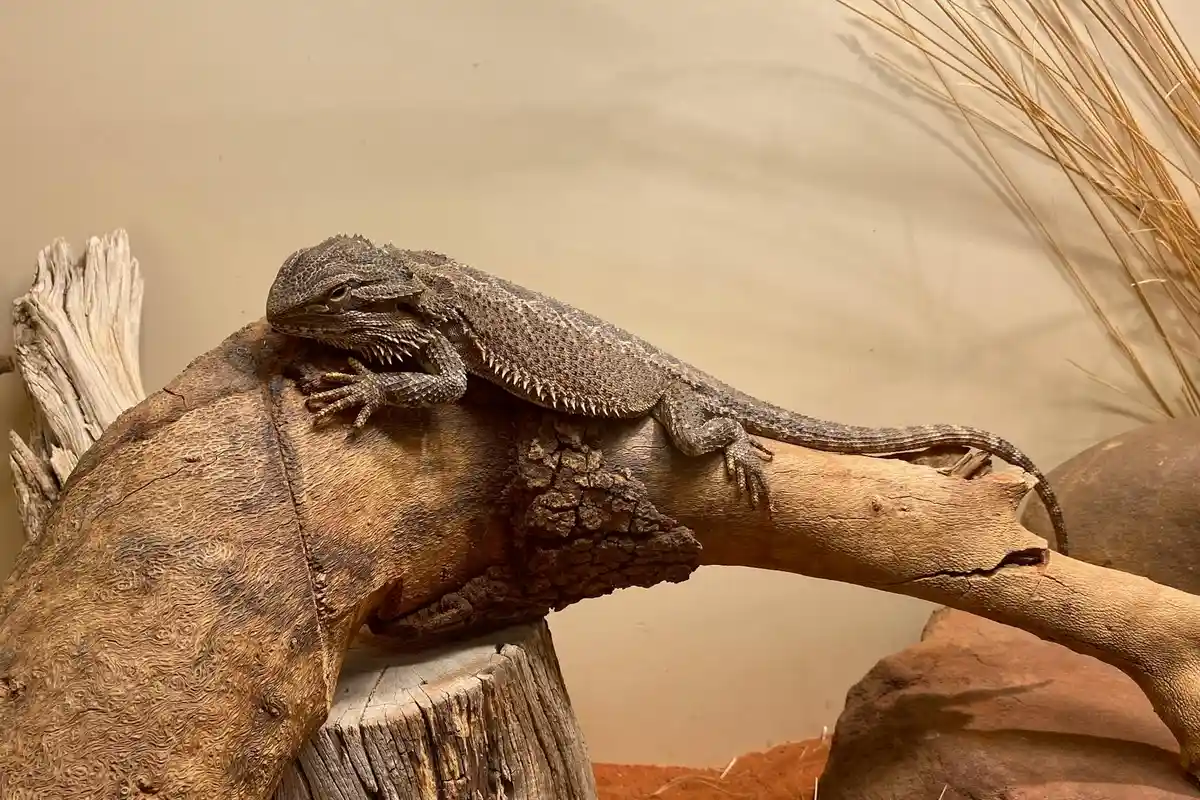
In my years of caring for these wonderful reptiles, I’ve found that stress is a far more common culprit for tail loss than many new owners realize. Their environment plays a huge role in their sense of security.
Here are the main stress-related triggers I’ve observed:
- Improper Handling: Grabbing a bearded dragon by its tail is a surefire way to trigger a panic response. Always support their entire body, letting all four feet rest securely on your hand or arm.
- Inadequate Enclosure Setup: A tank that’s too small, lacks proper hiding spots, or has open sides can make a beardie feel exposed and vulnerable.
- Aggressive Tank Mates: I can’t stress this enough: bearded dragons should not be housed together. Bullying over food, basking spots, or territory is a major source of stress and physical harm.
- Loud Noises and Vibrations: Placing an enclosure in a high-traffic area with constant loud music or slamming doors can keep a dragon in a perpetual state of high alert.
Physical Injury and Accidents
Sometimes, tail loss isn’t a voluntary act of autotomy but the direct result of a physical accident. Their tails, while strong, are not indestructible.
Common physical causes include:
- Getting Caught: I’ve seen tails get accidentally shut in cage doors or snagged on sharp decor. Always double-check where your dragon’s tail is before closing any access points.
- Falls and Crushes: A fall from a high perch inside the tank or, worse, from your shoulder can lead to a severe tail injury that may not heal properly.
- Tail Biting: This can happen if you house multiple insects in their feeding dish. Crickets, in particular, may nibble on a resting dragon. Never leave uneaten live prey in the enclosure.
Recognizing the Signs of Tail Autotomy
Catching the early signs can sometimes prevent a full tail drop. Your dragon will give you clues that it’s feeling threatened or that its tail is compromised.
Look for these behavioral changes:
- Blackening of the Tail: A tail that is dark, especially the very tip, can indicate stress, injury, or the initial stages of tail rot. This is one of the most visual warnings they give.
- Agitation and Defensive Posturing: If your normally calm dragon suddenly starts puffing up its beard, gaping, or hissing when you approach, it’s feeling seriously threatened.
- Constant Hiding: A beardie that spends all its time buried or hidden, refusing to bask or eat, is communicating a high level of stress.
Physically, a tail that is about to be dropped or is injured will show distinct symptoms:
- A Visible Fracture Point: You might see a clean, constricted line around the tail where the body is preparing to sever it.
- Limpness or Lack of Movement: A healthy tail is active and held high. A droopy, limp, or dragging tail is a sign of a serious problem.
- Discoloration and Dryness: The section of tail beyond an injury may turn a dark blue, black, or gray and become brittle and dry as it loses blood flow.
Can Bearded Dragons Regrow Their Tails?

This is one of the biggest misconceptions I see in the bearded dragon community. The short and honest answer is no, a bearded dragon cannot regrow its tail. Unlike some lizards like leopard geckos, bearded dragons do not possess the same regenerative abilities. This is a trait I’ve had to carefully explain to many new owners who are understandably worried. Bearded dragons generally do not regrow tails or other lost body parts; healing occurs instead. This is why prevention and careful aftercare are so important.
When a tail is lost, the body’s primary goal is not to create a new one, but to heal the wound and prevent infection. The exposed area will eventually form a scar tissue cap over the end of the tail bone. You will notice the wound scab over and eventually heal, leaving a rounded, often darker, nub of tissue. This healed tail stump is permanent.
Immediate Response and Veterinary Care for Tail Loss
Seeing your dragon lose its tail can be a frightening experience for any owner. I’ve been there, and staying calm is your first and most important job. Your quick and correct actions in the first few hours are critical for preventing a secondary infection. The goal is to manage the trauma and support the healing process.
First Aid and Home Care
If an accident happens, here is what you need to do right away. I always keep a reptile first-aid kit on hand for situations like this.
- Move your dragon to a clean, quiet, and temporary hospital enclosure. A simple plastic tub with paper towel substrate works perfectly. This minimizes stress and keeps the wound clean.
- Apply gentle pressure with a clean gauze pad or cloth to stop any bleeding. A small amount of bleeding is normal, but it should stop fairly quickly.
- Clean the wound with a reptile-safe antiseptic like chlorhexidine or betadine diluted to the color of weak tea. I use sterile saline to flush the area first, then apply the antiseptic with a cotton swab. Do not use hydrogen peroxide or alcohol, as these can damage the new tissue.
- Keep the dragon on clean, dry paper towels and change them daily. Remove any rough decor that could snag the injury.
When to Seek Veterinary Help
While you can manage minor tail nip at home, some situations absolutely require a professional veterinarian. Never hesitate to call your exotic vet; it’s always better to be safe when it comes to an open wound. Based on my experience, you need to go to the vet if you see any of the following:
- Bleeding that does not stop after 5-10 minutes of consistent, gentle pressure.
- Any signs of infection, such as pus, a foul smell, or red, swollen tissue around the wound.
- The tail loss was a full break and you can see the bone exposed.
- Your dragon becomes lethargic, stops eating, or shows signs of significant pain.
- You notice any blackening or dark discoloration of the tail stump, which could indicate tissue death.
A vet can provide prescription antibiotics and proper pain management that you cannot get over the counter. Proper veterinary care can be the difference between a straightforward recovery and a life-threatening situation. Your dragon is counting on you to make that call.
Preventing Tail Autotomy in Your Bearded Dragon
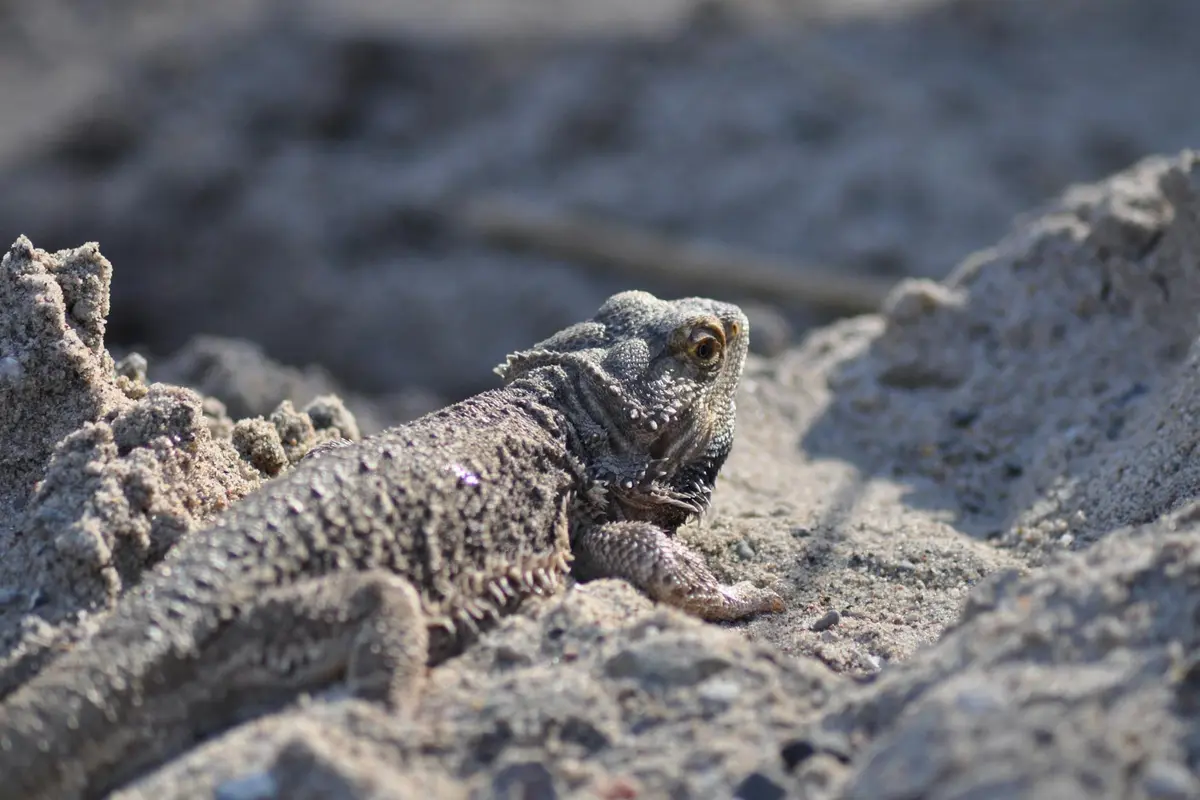
Seeing a bearded dragon drop its tail is a stressful event for both of you. The absolute best strategy is proactive prevention, creating an environment where your dragon feels so secure that tail loss is never on the table. I’ve cared for many beardies over the years, and a little foresight goes an incredibly long way in keeping them whole and healthy. Tail movements—like lifting the tail—are signals your dragon is trying to communicate. Understanding what these cues mean helps you spot stress early and keep the environment calm.
Safe Handling and Habitat Setup
Your dragon’s home and how you interact with them are the first lines of defense. Stress and fear are the primary triggers, so our goal is to eliminate those feelings.
- Gentle Handling is Non-Negotiable: Always approach from the side and front, never from above like a predator. Scoop them up from below, fully supporting their chest and legs. Let them walk onto your hand if they are willing.
- Read Their Body Language: If your beardie puffs up, turns black, or gapes their mouth, they are stressed. Put them back and try again later. Forcing interaction is a fast track to a fearful dragon.
- Provide Ample Hiding Spots: Every enclosure needs at least two secure hides-one on the warm side and one on the cool side. This gives them a guaranteed safe space to retreat when they feel overwhelmed.
- Avoid Overcrowding: House bearded dragons separately. Cohabitation often leads to competition, bullying, and nipped tails, even if they seem “fine” for a while. I learned this the hard way with my first two dragons.
- Check Your Decor for Safety: Run your hand over all branches and rocks. Sand down any sharp edges. Ensure all climbing structures are stable and won’t collapse and trap a tail or limb.
Nutrition and Hydration for Health
A well-fed and hydrated bearded dragon is a resilient one. Proper nutrition builds strong tissues and a robust immune system, which can influence how their body responds to stress and injury. This is part of a complete guide on bearded dragons‘ diets, including safe foods and feeding practices. Following these safe-food guidelines helps ensure a balanced menu and long-term health.
- Calcium is Key for Tissue Integrity: A calcium deficiency can lead to metabolic bone disease, making bones and other tissues weak and brittle. Dust their live insects with a high-quality calcium powder (without Vitamin D3 if using a UVB light) at nearly every feeding for juveniles and most feedings for adults.
- Offer a Varied Diet: Don’t just rely on one type of insect or green. Rotate through staples like dubia roaches, crickets, and black soldier fly larvae. For veggies, use collard greens, dandelion greens, and butternut squash. A bored dragon is a less healthy dragon.
- Hydration Supports All Body Functions: Many beardies won’t drink from a standing water bowl. I make sure to offer water by dripping it on my dragon’s nose with a dropper or by thoroughly misting their fresh salad greens. Proper hydration keeps their skin and muscles supple.
- Gut-Load Your Feeder Insects: You are what you eat, and so is your dragon. Feed your crickets and roaches nutritious foods like carrots and commercial gut-load formulas for at least 24 hours before offering them to your pet. This packs more nutrients into every bite.
Frequently Asked Questions
Is a bearded dragon considered a lizard?
Yes, bearded dragons are a type of lizard belonging to the Pogona genus in the Agamidae family. They share common reptilian traits like scales, cold-blooded metabolism, and laying eggs. You can learn more about what makes them unique compared to other reptiles.
What should I avoid doing with my bearded dragon?
Avoid housing multiple bearded dragons together, as this can cause stress and lead to tail injuries from aggression. Also, never grab them by the tail or use rough handling, which can result in accidental harm. Realistically, bearded dragon cohabitation risks include increased aggression and resource competition, and many keepers report stress and injuries when dragons live together. If you must attempt it, ensure a very large, well-divided enclosure with multiple heat zones and constant monitoring for signs of distress or fighting.
Can I use an automatic feeder for my bearded dragon?
Automatic feeders are not recommended for bearded dragons, as they require a diet of live insects and fresh greens that need careful monitoring. Hand-feeding ensures proper nutrition and allows you to observe their health and behavior closely. If you’re away on vacation and need a caregiver, hand-feeding can help maintain consistency and provide clear guidance on portions and timing for your dragon.
Final Thoughts
So, can bearded dragons drop their tails? The simple answer is that it’s incredibly rare and almost always a sign of severe distress or injury, not a natural defense mechanism. Your main takeaway should be that a healthy, well-cared-for beardie is extremely unlikely to ever drop its tail. Focus on providing a safe habitat and gentle handling to prevent the accidents that could lead to this traumatic event, as well as understanding when they might show signs of stress, such as dark coloration on their beard or tail.
If the worst happens and your dragon loses its tail, immediate veterinary care is non-negotiable. From my own experience, a swift response is your best tool for preventing infection and ensuring a smooth, albeit tail-less, recovery for your scaly friend. Your calm and knowledgeable action makes all the difference for their welfare.
Further Reading & Sources
- Can Bearded Dragons Drop Their Tails? – Berry Patch Farms
- Bearded dragon regrow tails – Keep your pet healthy! – Total Bearded Dragon
- Autotomy in Reptiles | Vetlexicon
Bearded Dragon Lair is the ultimate resource for bearded dragon enthusiasts, offering expert advice and practical tips to ensure the health and happiness of your scaly companion. With years of experience in reptile care, we are dedicated to providing accurate, up-to-date information to support your bearded dragon journey.
First Aid Tips