Can Bearded Dragons Eat Earthworms and Hornworms?
Published on: February 3, 2026 | Last Updated: February 3, 2026
Written By: Beardie Joe
If you’re staring at that wriggling worm and wondering if it’s beardie-safe, you’ve come to the right place.
With years of reptile care experience and my own thriving dragon family, I’ve navigated the do’s and don’ts of worm feeding firsthand.
We’ll cover which worms are safe, how to serve them properly, and crucial safety tips to keep your scaly friend healthy and happy.
Understanding the Bearded Dragon Worm Diet
Think of worms as the special treats in your dragon’s food world, not the main course. I learned this the hard way with my first beardie, Spike. I got excited and fed him too many worms, which led to some messy problems. A varied diet is the absolute cornerstone of a healthy bearded dragon, and worms should only be one part of that colorful menu. They are fantastic for hydration and a fun change of texture, but relying on them too heavily can throw off their nutritional balance. Especially when it comes to choosing the right kind of worms for your pet.
Earthworms for Bearded Dragons: The Complete Guide
Are Earthworms Safe and Nutritious?
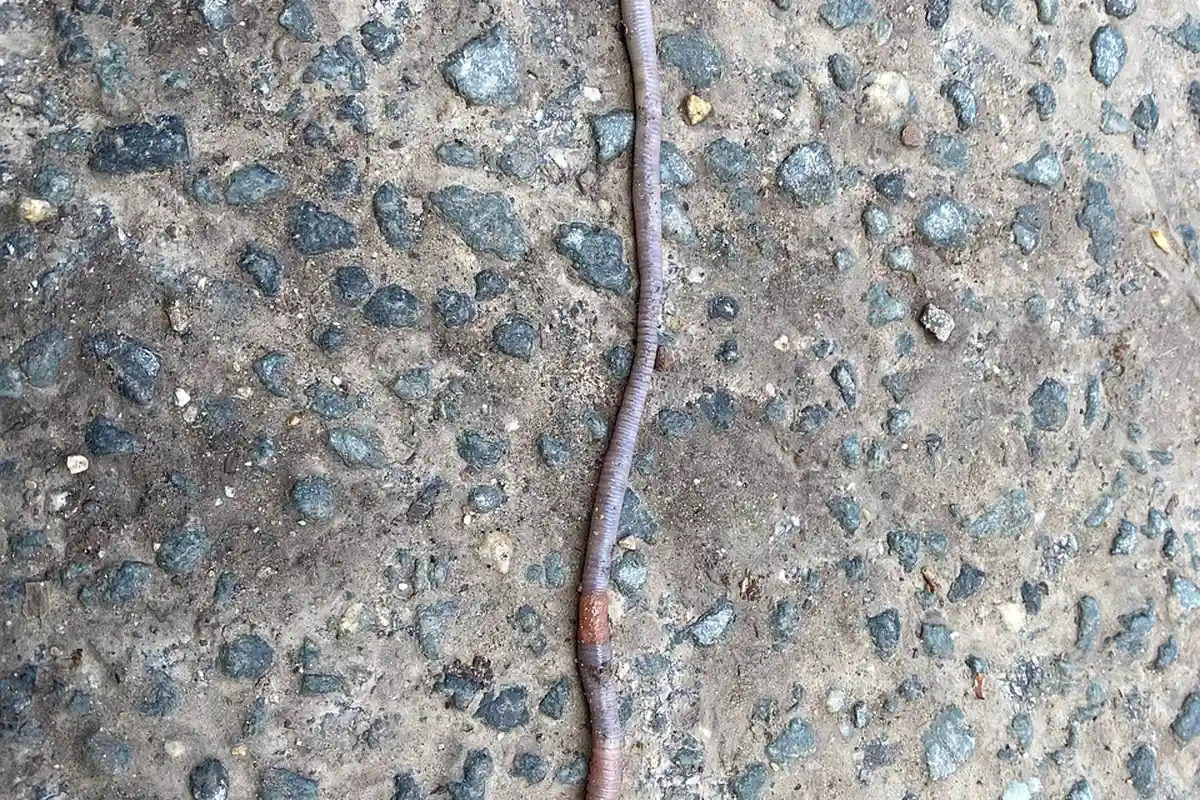
Yes, most common earthworms are safe for bearded dragons, but with one massive, non-negotiable condition: they must be from a safe source. The earthworms you dig up from your backyard or find after a rainstorm are a hard no. Wild earthworms can carry parasites and pesticides that are extremely dangerous for your pet. If your bearded dragon ever forages outside, cicadas or other wild insects should be approached with caution and only if they are pesticide-free and part of a defined safety plan. For most options, rely on bugs bred for reptiles from reputable suppliers. You must only offer worms that are specifically bred for reptile consumption from a pet store or reputable online supplier.
Nutritionally, earthworms are a bit of a mixed bag. They are:
- Excellent for hydration due to their high moisture content.
- A good source of protein.
- Lower in fat compared to some other feeder insects like waxworms.
However, their calcium-to-phosphorus ratio isn’t ideal. They have more phosphorus than calcium, which can interfere with calcium absorption if fed too often. This is why earthworms should be an occasional snack, not a daily feeder. I like to think of them as a juicy, hydrating supplement for a dragon that might need a little extra water.
How to Feed Earthworms Safely
Safety is everything when it comes to offering new foods. Follow these steps to make earthworm treat time both safe and enjoyable for your beardie.
- Source Responsibly: Purchase your earthworms from a store that sells them as reptile feed. Never, ever use bait shop worms or garden worms.
- Select the Right Size: Choose worms that are no wider than the space between your bearded dragon’s eyes. Offering a worm that is too large is a serious choking hazard.
- Prepare the Worm: I always give the worms a quick rinse under cool, clean water to remove any substrate or debris. Some owners also place them in a shallow, clean container for a few hours to allow them to purge their systems.
- Serve with Care: You can offer the worm in a shallow feeding dish to prevent it from crawling away and ingesting substrate. Alternatively, use feeding tweezers to present it directly to your dragon. Watching them excitedly snatch a wiggly worm is one of the fun parts of being a beardie owner!
- Dust for Balance: To help counter the poor calcium ratio, lightly dust the earthworm with a calcium powder supplement right before offering it.
Hornworms for Bearded Dragons: The Complete Guide
Hornworm Benefits and Nutritional Profile
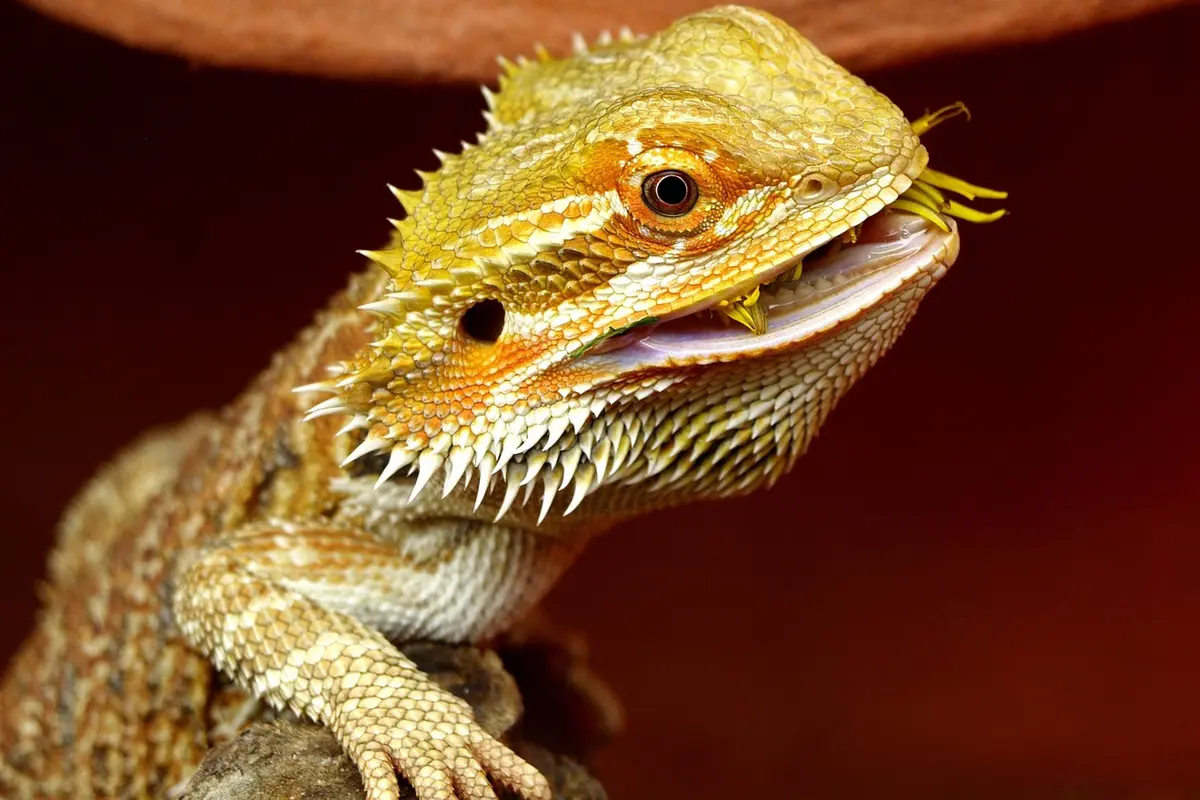
If you’re looking for a hydrating and delicious treat for your bearded dragon, hornworms are a fantastic choice. I often call them the “cucumbers of the insect world” because they are packed with moisture. This makes them an excellent option for a dragon that needs a little help with its hydration, especially after a bout of brumation or during a hot spell. Proper hydration is crucial for your dragon’s health. Their soft bodies are also very easy for dragons of all ages to digest.
Let’s break down their nutritional value. Hornworms are not a high-protein feeder insect, and that’s actually a good thing for a treat.
- High Moisture Content: Around 85% water, which is fantastic for preventing dehydration.
- Low Fat: They have a very low fat content, so you don’t have to worry as much about contributing to obesity.
- Good Calcium Levels: They have a decent calcium-to-phosphorus ratio, which is crucial for preventing Metabolic Bone Disease (MBD).
- Soft Exoskeleton: Their bodies are easy to chew and digest, making them gentle on your pet’s stomach.
Feeding Hornworms: A Practical Approach
Feeding hornworms is straightforward, but their rapid growth means you need a plan. I’ve learned from experience that if you buy large hornworms, they can become gigantic in just a couple of days. Always purchase hornworms in a size that is smaller than the space between your bearded dragon’s eyes to prevent any risk of impaction. This aligns with the bearded dragon feeding guide for all ages, which suggests varying worm counts by age. For younger dragons, start with fewer hornworms and adjust as they grow.
Here is my simple feeding routine for hornworms.
- Offer as a Treat: Hornworms should not be a staple. I use them as a special reward or a hydration boost, feeding them 2-3 times a week at most.
- Gut-load Before Feeding: Just like any other feeder insect, place the hornworms in a container with their commercial food or some leafy greens for 24 hours before offering them to your dragon. This enhances their nutritional value.
- Use Feeding Tongs: Hornworms can be surprisingly quick! Using tongs prevents them from escaping and allows you to monitor exactly how many your dragon eats.
- Watch for Messy Poop: Because they are so high in moisture, don’t be alarmed if your dragon’s urates (the white part of their poop) are a bit runnier than usual after a hornworm meal. This is normal.
Comparing Your Worm Options
Earthworms vs. Hornworms: A Quick Nutrition Breakdown
Choosing between earthworms and hornworms often comes down to your dragon’s specific needs at that moment. They serve very different purposes in a balanced diet. Think of earthworms as a potential protein-rich meal and hornworms as a hydrating, low-fat snack. From my own reptile care, I would never use these two worms interchangeably.
This quick comparison table makes the differences clear.
| Nutrient | Earthworms | Hornworms |
|---|---|---|
| Protein | High | Moderate to Low |
| Fat | Low | Very Low |
| Moisture | Moderate | Very High |
| Primary Use | Occasional Staple Feeder | Hydrating Treat |
Your final choice depends entirely on your goal. For a growing dragon that needs more building blocks, a properly sourced earthworm can be a great occasional meal. For a dragon that is a picky drinker or needs a light, easy-to-digest treat, the hornworm is your undisputed champion. I always keep both in my feeding arsenal, but I use them for very different reasons.
Essential Worm Feeding Guidelines
Gut Loading and Supplementation for Optimal Health
You wouldn’t eat an empty calorie snack before a big race, and your bearded dragon shouldn’t either. The worms you feed are only as nutritious as the food they have eaten themselves. This process is called ‘gut loading,’ and it’s a non-negotiable step for responsible feeding. If you’re considering wax worms, high in fat, they should be offered only as an occasional treat rather than a staple. When you do feed them, gut load them and dust with calcium, and balance with a variety of other feeders for overall nutrition.
I always gut-load my feeder insects for at least 24-48 hours before they become dinner. I use a mix of highly nutritious foods to pack them with vitamins.
- Leafy greens like collard, mustard, and dandelion greens
- Sweet potato and carrots for beta-carotene
- High-quality commercial gut loading diets
- Organic squash and zucchini
Think of the worm’s gut as a little vitamin capsule you’re filling up for your dragon. A well-fed worm is a power-packed meal that delivers far more than just protein.
Beyond gut loading, dusting is your next best tool. Even a perfectly gut-loaded worm can’t provide all the calcium a growing dragon needs. I keep two shakers by my dragon enclosures: one with pure calcium powder and one with a reptile multivitamin.
- For juvenile dragons, I dust their insect prey with calcium powder at almost every feeding.
- For adult dragons, I dust with calcium about 3-4 times a week.
- The multivitamin powder gets used about 1-2 times a week for all ages.
Simply place the worms in a bag or container with a bit of powder, give it a gentle shake, and offer them immediately. Proper supplementation is the simplest, most effective way to prevent devastating metabolic bone disease. I’ve seen the effects of poor nutrition, and it’s a heartbreak every owner can avoid.
Creating a Balanced Feeding Schedule
Worms are a fantastic part of the menu, but they shouldn’t be the only thing on it. Variety is the spice of life and the key to a healthy bearded dragon. I think of worms as the protein-rich main course, but the salad bar needs to be open too. It’s important to know the risks and benefits of different mealworms when feeding your dragon.
Here is a simple breakdown of how I incorporate worms into a weekly schedule for an adult bearded dragon.
| Day | Insect Feeding | Salad Feeding |
|---|---|---|
| Monday | Hornworms (2-3) + Calcium | Collard greens, butternut squash |
| Tuesday | No insects | Mustard greens, bell peppers |
| Wednesday | Dubia roaches + Multivitamin | Dandelion greens, blueberry |
| Thursday | No insects | Collard greens, carrot shreds |
| Friday | Earthworms (2-3) + Calcium | Escarole, sweet potato |
| Saturday | No insects | Mix of all weekly greens | Sunday | BSFL (Black Soldier Fly Larvae) | Arugula, zucchini |
Notice how worms are just one option in the rotation. A diverse insect diet prevents nutritional gaps and keeps your dragon interested in their food. For juvenile dragons, you would offer insects daily, but the principle of variety remains the same. In a daily bug-eating plan for all life stages, many bugs should be offered to meet ongoing protein needs. The exact mix and portions evolve as your dragon grows.
Portion control is also critical, especially with fatty or large worms. A good rule of thumb is to never offer a worm that is wider than the space between your bearded dragon’s eyes. Overfeeding any single type of insect, even a healthy one, can lead to nutritional imbalances and obesity, especially when feeding worms like hornworms, mealworms, and superworms.
Recognizing and Mitigating Risks
Common Health Concerns with Worm Diets
Even with the best intentions, feeding worms can sometimes lead to trouble. Being aware of the risks is your first line of defense. The two biggest issues I’ve encountered and helped other owners with are impaction and nutritional deficiencies.
Impaction is a fancy word for a serious blockage in the digestive tract. It’s often caused by feeding insects that are too large, too many fatty insects, or a lack of proper hydration.
- Signs of Impaction: Lethargy, lack of appetite, a swollen or hard abdomen, and not passing stool.
- Prevention: Proper worm sizing, maintaining a warm basking spot (100-110°F) for digestion, and ensuring your dragon is well-hydrated.
I once had a scare with one of my dragons after he ate a few too many large hornworms. He became sluggish and stopped eating his salads. That experience taught me that even “safe” foods can be dangerous in the wrong quantities. We corrected it with warm baths and a temporary adjustment to his diet, but it was a powerful lesson. This is why a good bearded dragon feeding guide highlights toxic foods to avoid. Knowing what not to feed is just as important as what to offer.
Another silent risk is an imbalance in the calcium-to-phosphorus ratio. Many feeder insects, including some worms, are high in phosphorus, which binds to calcium and prevents your dragon from absorbing it. This is precisely why calcium dusting is not just a suggestion-it’s a medical necessity for captive dragons. Without it, their bodies will leach calcium from their own bones, leading to weakness and deformities.
Selecting and Storing Live Feed
Where you get your worms is as important as how you feed them. I never, ever collect earthworms from my backyard or a bait shop. The risk of pesticides, parasites, and chemical contamination is far too high.
Always source your feeder insects from a reputable supplier that breeds them specifically for reptile consumption. This guarantees they are raised on a safe diet and are free from harmful chemicals.
Once you have your healthy worms, storing them correctly keeps them nutritious and alive. Here’s how I manage my worm supply.
- Earthworms (Nightcrawlers): I keep them in the refrigerator in the container they came in, often with a moist bedding like coconut coir. The cold slows their metabolism and keeps them healthy for weeks.
- Hornworms: These are the opposite! They must be kept at room temperature, away from direct sunlight. I keep them in the ventilated cup they arrive in with their special food. Their rapid growth means you need to use them within a week or so before they get too big.
Before feeding any worm, I give it a quick visual inspection. It should be active, plump, and have a clean, vibrant color. Discard any worms that are dead, discolored, or have a foul smell, as they can make your pet sick. A little vigilance during selection and storage goes a long way in preventing health issues down the line.
Frequently Asked Questions
Why might I see whole worms in my bearded dragon’s feces?
This can occur if the worms are too large or your dragon has digestive issues, potentially indicating impaction. Always ensure worms are appropriately sized and monitor your pet’s health closely.
What are the signs of parasite infection from feeding unsafe worms?
Symptoms may include lethargy, weight loss, diarrhea, or a swollen abdomen. If you notice these, consult a veterinarian and immediately stop feeding worms from unverified sources.
Where can I purchase safe worms for my bearded dragon?
You can buy them at pet stores like PetSmart or from reputable online suppliers that specialize in reptile feeders. This ensures the worms are parasite-free and nutritionally suitable for your dragon.
Final Thoughts
So, can bearded dragons eat earthworms and hornworms? The answer is a clear yes, but with a crucial distinction. Hornworms are a fantastic, hydrating treat, while earthworms from your backyard are a hard pass due to potential parasites and pesticides. I always treat worms as a supplement, not the main course, to keep my dragons’ diets exciting and balanced. Here’s a guide to safe and nutritious worm diets for bearded dragons.
Remember, variety is the spice of a healthy dragon’s life. Stick to safe, commercially bred worms and always prioritize leafy greens and staple vegetables as the foundation of their diet. This simple approach ensures your scaly friend thrives for years to come.
Further Reading & Sources
- Can Bearded Dragons Eat Earthworms? – Wildlife Informer
- Can Bearded Dragons Eat Earthworms | TikTok
- Can Bearded Dragons Eat Worms? Vet-Approved Facts & FAQ | Hepper Pet Resources
Bearded Dragon Lair is the ultimate resource for bearded dragon enthusiasts, offering expert advice and practical tips to ensure the health and happiness of your scaly companion. With years of experience in reptile care, we are dedicated to providing accurate, up-to-date information to support your bearded dragon journey.
Insects vs. Vegetables