Can You Overfeed a Bearded Dragon? (Signs, Risks, and Prevention)
Published on: December 16, 2025 | Last Updated: December 16, 2025
Written By: Beardie Joe
If you’ve ever watched your bearded dragon eagerly eat and wondered if you’re giving them too much food, you’re asking the right question.
As a dedicated owner of multiple bearded dragons with formal reptile care training, I’ve seen how proper feeding impacts their health and happiness.
This article breaks down the clear signs of overfeeding, explains the serious health risks, and gives you my trusted methods for prevention.
Do Bearded Dragons Overeat?
In a word, yes. Absolutely. Bearded dragons in captivity will absolutely overeat if given the chance. Their wild instincts don’t always match their cushy pet life, leading them to eat even when they’re full. In the harsh Australian outback, food is a feast-or-famine resource. Their biology is wired to gorge when food is plentiful to store fat for lean times. In your cozy terrarium, every day is a feast day. I’ve seen my own dragons, like my big boy Spike, stare at a dubia roach like he hasn’t eaten in weeks, even with a visibly full belly. This is why it’s so important to be mindful of what and how often you feed them.
Recognizing the Signs of Overfeeding
Catching overfeeding early is your best defense. You need to become a detective in your dragon’s world, looking for the subtle and not-so-subtle clues their body and behavior give you.
Physical Symptoms
Your dragon’s body will tell you a story long before a serious health issue develops. Keep a close eye on these physical signs. Knowing the difference between healthy and sick signs helps you respond quickly. Watch for changes in appetite, activity, or appearance to gauge your dragon’s health.
- A Noticeably Large, Hard Belly: A slightly rounded belly after a meal is normal. A belly that stays taut, firm, and looks like a overstuffed sausage for hours is not.
- Fat Pads on the Head: Gently feel the top of your dragon’s head. Those soft, squishy spots behind their eyes are their fat pads. If they are bulging out significantly, it’s a major red flag for obesity.
- Lumps Along the Sides and Tail: You should be able to feel their ribs with a gentle press, not a thick layer of fat. Fat rolls on the sides and a very thick, chunky tail base are clear indicators of excess weight.
- Lethargic “Pancaking”: While basking flat is normal, a constantly pancaked, unmoving dragon can signal they are too full and uncomfortable to move properly.
- Runny or Extra-Smelly Stool: An overloaded digestive system can’t process food efficiently, leading to poorly formed, unusually foul waste.
Behavioral Changes
Just like us, how a bearded dragon acts is often a direct reflection of how they feel. A change in behavior is a loud signal something is wrong. If your bearded dragon isn’t eating, that’s a key clue something may be off. Knowing the common causes and practical solutions can help you get them back to a healthy appetite.
- Consistently Refusing Salads: A dragon that only wants live prey and consistently snubs its greens is likely holding out for the “good stuff,” a classic sign of being overfed on insects.
- Lack of Basking Energy: An overstuffed dragon will often just sit under the heat lamp, not to digest, but because moving feels like a chore. They lack their usual curiosity and alertness.
- Glass Surfing After Eating: While this can have other causes, frantic pacing right after a meal can sometimes indicate digestive discomfort and a feeling of being overly full.
- Aggression Around Food: I’ve noticed that a dragon fed too many fatty worms can become more territorial and snappy around feeding time, as if they’re hyper-focused on the high-value food.
- Hiding More Than Usual: Choosing the cool, dark hide over their basking spot for extended periods can mean they are trying to cope with the discomfort of an overworked digestive system.
Health Risks of Overfeeding
Digestive Problems
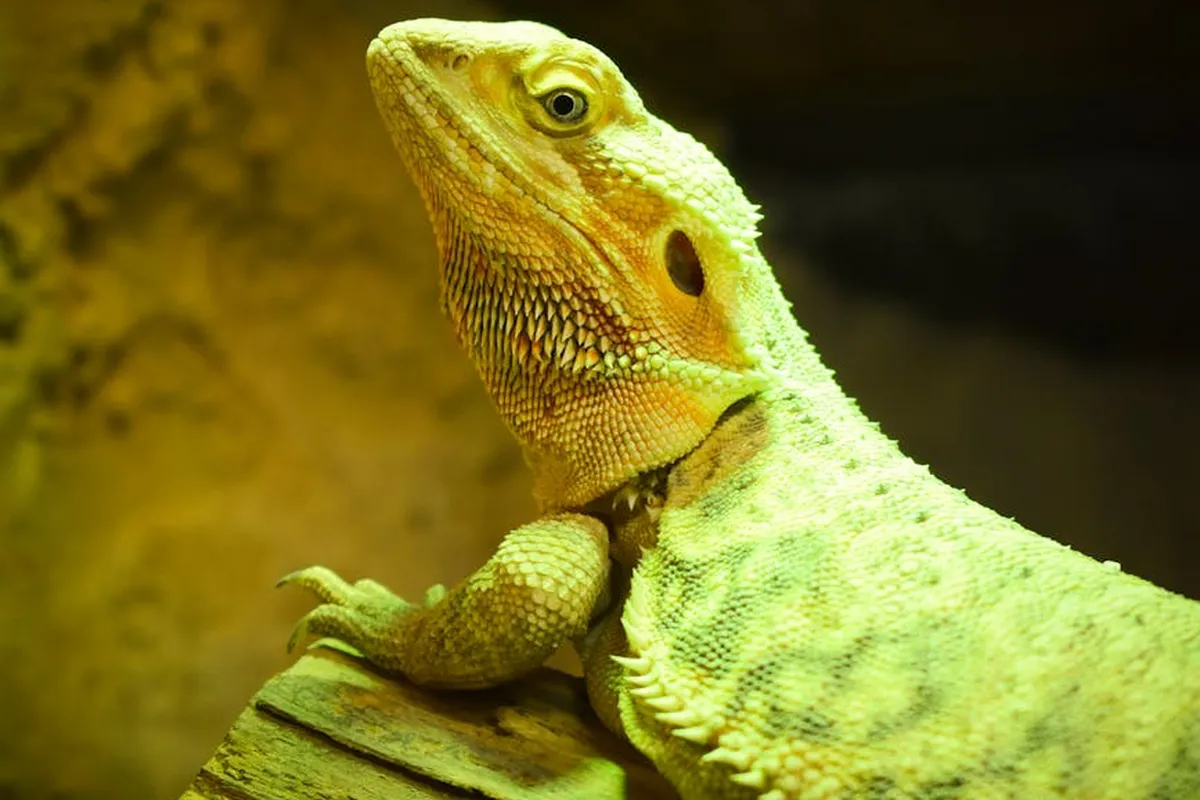
I’ve seen it happen in my own colony, and it’s a stressful situation for both you and your dragon. Overloading their system with too much food, or food that is too large, is a direct ticket to digestive distress.
The most immediate and dangerous risk is impaction, a severe form of constipation where a mass of food or substrate blocks the intestines. You might notice a lack of bowel movements, a swollen abdomen, and even lethargy or leg dragging.
Beyond impaction, chronic overfeeding can lead to nasty bouts of diarrhea. This isn’t just messy; it dehydrates your pet and washes out vital nutrients from their gut before they can be absorbed.
Long-Term Organ Issues
The consequences of overfeeding stretch far beyond a troubled tummy. The most significant long-term threat is Fatty Liver Disease (Hepatic Lipidosis).
When a bearded dragon consistently gets more calories than it can burn, the excess fat gets stored in the liver. This fat infiltration cripples the liver’s ability to function, leading to a slow, often irreversible decline. The liver is a powerhouse organ, and when it fails, it affects everything. To help owners gauge weight status, my bearded dragon overweight underweight visual guide offers clear visuals. This makes it easier to spot overweight or underweight early and adjust care.
This constant strain doesn’t stop at the liver. Their kidneys and heart must work overtime to process the extra waste and support a heavier body. I’ve cared for rescued dragons with these issues, and it’s a heartbreaking uphill battle that is entirely preventable with proper feeding.
Preventing Overfeeding with Proper Diet
Feeding Schedules by Age
Getting the timing right is half the battle in preventing overfeeding. Their needs change dramatically as they grow, and adjusting your schedule is non-negotiable.
- Babies & Juveniles (0-8 months): These little guys are growth machines! Offer them live insects 2-3 times a day. Let them eat as many appropriately-sized insects as they can in a 10-15 minute window for each session. Fresh salads should be available daily.
- Sub-Adults (8-18 months): Their growth is slowing down. Transition to one insect feeding per day, still within a 10-15 minute period. Their daily salad remains crucial.
- Adults (18+ months): Your dragon is now fully grown. An adult bearded dragon’s diet should shift to be primarily vegetarian, with insect feedings reduced to only 2-3 times per week. A fresh salad should be offered every single day.
Portion Sizes and Food Types
It’s not just about how often, but also what and how much you feed. This is where I see many well-meaning owners go astray.
A perfect portion of live insects is whatever your dragon can eagerly consume in that 10-15 minute timeframe. Never just dump a large cup of crickets into the enclosure and walk away.
The “space between the eyes” rule is golden. Any insect you offer should never be wider than the space between your bearded dragon’s eyes. This simple visual check prevents choking and impaction. This is part of a broader bearded dragon insect-eating guide on safe bugs. Avoid toxic bugs like fireflies or blister beetles; stick to crickets and roaches instead.
Focus on nutrient-rich staples for their salads, like collard greens, dandelion greens, and butternut squash. Fatty treats like waxworms or superworms should be just that-rare treats, not dietary staples. A balanced diet is your strongest shield against overfeeding-related illnesses.
What to Do If Your Bearded Dragon Is Overfed
Finding out your scaly friend has packed on a few extra grams can be worrying, but don’t panic. The most important first step is to remain calm and avoid making any drastic, sudden changes. I’ve been there with my own dragon, and a gentle, consistent approach always works best.
Immediate Actions
If you suspect a single large overfeeding, your goal is to help their system process the load without causing more stress.
- Stop All Food for 24-48 Hours: This gives their digestive tract a chance to catch up. It’s like a reset button for their belly.
- Provide Warm Baths: A shallow, lukewarm bath for 15-20 minutes can encourage bowel movements and help with any mild constipation from overeating.
- Ensure Proper Hydration: Offer fresh water and you can even drip water gently on their snout to encourage drinking. Proper hydration is key for digestion.
- Double-Check Your Temperatures: A warm basking spot (around 95-110°F) is crucial for them to properly digest what they’ve already eaten.
Long-Term Weight Management
For a dragon that has become chronically overweight, you’ll need a sustainable plan. This isn’t about a crash diet; it’s about building healthier habits for their lifetime. With my dragon Tiberius, we focused on three main areas.
- Adjust the Diet: Gradually reduce the number of feeder insects and increase the proportion of fresh, fibrous greens like collard, mustard, and dandelion greens. These fill them up with fewer calories.
- Incorporate “Fasting” Days: For adult dragons, it’s perfectly healthy to have 1-2 days a week where they only get a salad, or even no food at all. This mimics their natural feast-and-famine cycles.
- Encourage Exercise: Let them out for supervised exploration outside their tank. Chasing a feeder insect or simply climbing over a log can be great cardio. An active dragon is a healthy dragon.
Feeding Guidelines by Age: Babies vs. Adults
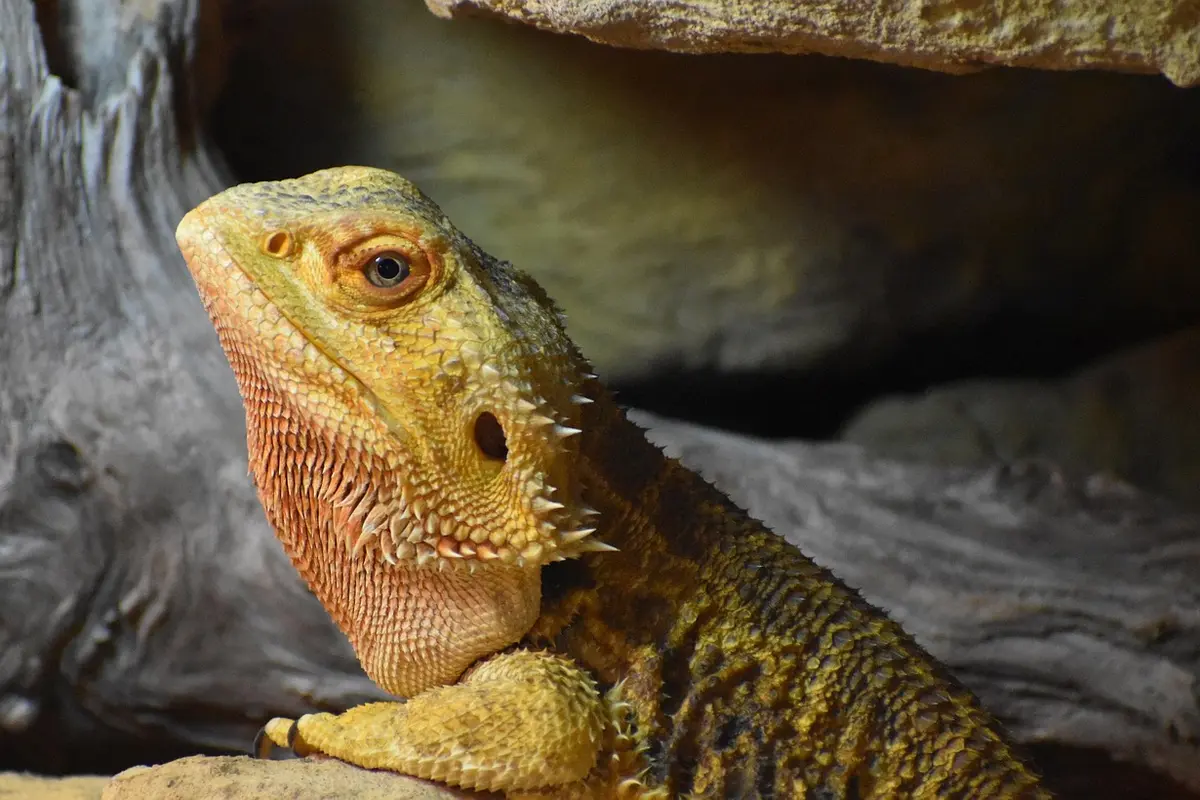
Getting the feeding schedule right is the single best way to prevent overfeeding from happening in the first place. The needs of a growing baby dragon are wildly different from a settled adult. I learned this the hard way when I first started out! For babies, the complete feeding schedule usually means several small meals per day. Sticking to that rhythm helps support steady growth and avoids overfeeding.
Baby Bearded Dragons (0-5 Months)
Babies are little eating machines because they are growing at an incredible rate. Their diet should be heavily skewed toward protein.
- Feeder Insects: Offer them live insects like appropriately-sized dubia roaches or crickets 2-3 times per day.
- Feeding Method: Let them eat as many insects as they can in a 10-15 minute period at each feeding.
- Fresh Greens: Always have a shallow dish of finely chopped greens available, even if they mostly ignore it at this stage. This gets them used to the smell and taste.
You really cannot overfeed a healthy baby dragon protein during their designated feeding times-their bodies need it for development.
Adult Bearded Dragons (18+ Months)
Once a dragon reaches adulthood, their metabolism slows way down. Their diet needs to flip to prevent obesity and fatty liver disease. According to the bearded dragon age guide, adults should limit mealworms and use them sparingly as a supplement rather than a main staple, especially as they age.
- Feeder Insects: Protein should now be a supplement. Offer a portion of insects only once a day, or even every other day.
- Portion Control: A good rule of thumb is to offer no more insects than the space between their eyes at one time.
- Fresh Greens are King: A large, fresh salad of leafy greens should be available to them all day, every day. This should make up about 80% of their diet.
The biggest mistake I see is continuing to feed an adult dragon like it’s still a baby. Adjusting this is the cornerstone of preventing overfeeding.
Frequently Asked Questions
Can you overfeed a baby bearded dragon?
While baby bearded dragons require frequent protein feeds for growth, overfeeding can occur if portions are excessive or food is too large, potentially leading to digestive issues like impaction. To ensure you’re feeding correctly, refer to a complete feeding guide by age to determine how much a baby bearded dragon should eat. Age-specific portions help prevent both underfeeding and overfeeding as they grow.
What are the risks of overfeeding a juvenile bearded dragon?
Overfeeding juveniles can cause rapid weight gain and strain on developing organs, increasing the likelihood of fatty liver disease and joint problems as they grow.
Will my bearded dragon stop eating when full?
No, bearded dragons often continue eating due to their instinct to gorge, so owners must manage portion sizes and schedules to prevent overeating and related health issues. A complete feeding schedule clarifies what to feed and when, including age-appropriate feeding frequency.
Final Thoughts
Overfeeding is a genuine concern that can quietly compromise your dragon’s health and shorten their life. The most powerful tool you have is a consistent, age-appropriate feeding schedule paired with regular weight checks. I’ve learned through my own dragons that a little structure prevents a lot of problems.
Watch for the signs we discussed, from a persistently bloated belly to unusual lethargy. When in doubt, it’s always safer to offer a slightly smaller portion and adjust based on their body condition. Your attentive care is what will keep your scaly friend thriving for years to come.
Further Reading & Sources
- Bearded Dragon Overfeeding
- r/BeardedDragons on Reddit: Overfeeding?
- How Often Do Bearded Dragons Eat? Feeding Chart by Age – Dragon’s Diet
Bearded Dragon Lair is the ultimate resource for bearded dragon enthusiasts, offering expert advice and practical tips to ensure the health and happiness of your scaly companion. With years of experience in reptile care, we are dedicated to providing accurate, up-to-date information to support your bearded dragon journey.
Feeding Guidelines