Why Isn’t My Bearded Dragon Eating? (Causes and Solutions)
Published on: December 16, 2025 | Last Updated: December 16, 2025
Written By: Beardie Joe
If your bearded dragon is refusing food, that empty food bowl can feel like a huge red flag.
As a long-time owner of several beardies, I’ve navigated this scare myself and I’m here to help you troubleshoot with care.
We’ll walk through the main reasons-from simple husbandry fixes to health concerns-and give you clear, actionable steps to get your pet back on track.
Common Reasons for Loss of Appetite in Bearded Dragons
Stress and Environmental Changes
Bearded dragons are creatures of habit, and even small changes can throw them off their food. I’ve seen this firsthand when I moved my dragon, Smaug, to a new, larger enclosure. He went from a voracious eater to giving his salad the side-eye for nearly a week. Vegetables are a big part of their diet, and a complete feeding guide details what greens to offer. It also explains how to reintroduce veggies after changes, like a move.
Common stressors include:
- A recent move to a new tank or home.
- Loud noises or excessive activity near their enclosure.
- New pets or people in the household.
- A cage that is too small or doesn’t offer enough hiding spots.
- An improper day/night light cycle disrupting their rhythm.
The key is to provide a consistent, quiet environment and give your dragon a few days to adjust after any change. Make sure they have a secure hide where they can retreat and feel safe until their confidence returns.
Brumation and Seasonal Behavior
If your dragon is slowing down as the days get shorter, they might be preparing for brumation-a reptilian form of hibernation. This is a natural, healthy process, but it can be alarming if you’re not expecting it.
Signs your dragon is brumating, not sick:
- They sleep for long periods, sometimes days or weeks.
- Their appetite decreases or disappears entirely.
- They spend most of their time in their hide or a cool part of the tank.
- They still look alert and healthy when they are briefly awake.
During this time, focus on providing fresh water and monitor their weight every few weeks to ensure they aren’t losing too much. Do not offer food if they are in a deep sleep, as it can rot in their gut. Let them rest; they know what they’re doing.
Health Issues That Stop Your Bearded Dragon from Eating
Parasites and Internal Problems
Internal parasites like pinworms or coccidia are a very common culprit for appetite loss. These tiny invaders cause inflammation and discomfort in your dragon’s digestive tract, making eating a painful experience.
Watch for these other symptoms:
- Runny, foul-smelling, or unusually colored stools.
- Lethargy and general lack of energy.
- Weight loss despite a previously good appetite.
- You might even see worms in their feces.
A simple fecal test at an exotic vet can diagnose the problem, and treatment is usually straightforward with prescribed medication. I make it a habit to get a yearly check-up for my dragons to catch issues like this early.
Impaction and Digestive Blockages
Impaction is a serious and potentially fatal condition where something gets stuck in your dragon’s digestive system. It’s often caused by feeding inappropriate food items or incorrect tank temperatures.
Common causes of impaction:
- Feeding insects that are too large (bigger than the space between their eyes).
- Loose substrate like sand, calcium sand, or walnut shell that is accidentally ingested.
- An under-tank heater that doesn’t provide the belly heat needed for digestion.
If your dragon is straining to defecate, has a hard, swollen stomach, or is dragging its back legs, seek veterinary help immediately. This is a true emergency that requires professional intervention, especially if your bearded dragon has been not eating for an extended period.
Respiratory Infections and Unusual Noises
Yes, bearded dragons can get a stuffy nose too! Respiratory infections often occur when the habitat is too cold or damp. You might notice your dragon is off its food because it simply can’t breathe well enough to eat. Knowing which insects bearded dragons eat safely is part of good care, and a quick guide can help distinguish safe from toxic bugs. After recovery, refer to an insects bearded dragons eat guide to choose safe bugs and avoid the toxic ones.
Listen and look for these signs:
- Wheezing, clicking, or popping sounds when they breathe.
- Mucus or fluid bubbles coming from their nose or mouth.
- Gaping (holding their mouth open) for long periods without being too hot.
- Lethargy and keeping their head held high to try and clear their airways.
A respiratory infection will not clear up on its own and requires antibiotic treatment from a vet. Improving the tank’s heat and reducing humidity can help prevent this issue in the future.
Metabolic and Serious Conditions
Sometimes, a lack of appetite points to a deeper, systemic issue. These conditions develop over time due to deficiencies in their care and need immediate attention.
Two major conditions to be aware of:
- Metabolic Bone Disease (MBD): Caused by a lack of calcium or proper UVB lighting. Symptoms include a soft or rubbery jaw, tremors, swollen limbs, and difficulty moving. Proper UVB lighting and calcium supplementation are non-negotiable for preventing this painful disease.
- Gout: A buildup of uric acid in the joints and organs, often due to chronic dehydration or a diet too high in protein. You may see swollen joints, and your dragon will be in significant pain, leading to a complete refusal of food.
These are advanced health crises. If you suspect MBD or gout, your bearded dragon needs a qualified reptile veterinarian to develop a treatment plan and manage their pain. Early detection is key, so if you notice any physical signs or symptoms of illness, don’t hesitate to seek professional help.
Checking Your Bearded Dragon’s Habitat and Husbandry
Temperature and Lighting Setup
Getting the temperatures wrong is one of the most common reasons a dragon stops eating. Their digestion is entirely powered by external heat. I learned this the hard way when my first dragon, Puff, went off his food for a week; his basking spot was a few degrees too cool. If you’re asking why your bearded dragon won’t eat greens, fixing the temps is the first step. Once heat and digestion are on track, try offering greens again to get that appetite back.
Your dragon’s body needs the right heat to process a meal, so an incorrect temperature gradient will shut their appetite down completely. Let’s check your setup.
- Basking Spot Surface Temperature: Must be between 95-110°F for adults and 105-110°F for juveniles. Use a digital probe thermometer or a temperature gun for an accurate reading.
- Cool Side Ambiance: This area needs to be a comfortable 80-85°F, providing a necessary escape from the intense heat.
- Nighttime Temperatures: Can safely drop to 65-75°F. No colored bulbs are needed at night unless your home gets exceptionally cold.
- UVB Lighting: This is non-negotiable. A T5 HO linear UVB tube is the gold standard, placed overhead alongside the heat lamp and replaced every 12 months, even if it still looks bright.
Enclosure and Substrate Safety
Your dragon’s home should be a sanctuary, not a source of stress or danger. An enclosure that feels too exposed or a floor that’s risky to walk on can easily kill their appetite.
Impaction from loose substrate is a real risk, especially if your dragon’s temperatures are even slightly off. I personally avoid loose substrates for this very reason.
- Safe Substrate Options: Slate or ceramic tile, reptile carpet, paper towel, or non-adhesive shelf liner. These are easy to clean and pose no ingestion risk.
- Substrates to Avoid: Calci-sand, crushed walnut, and any other loose, fine particle substrate. They can cause life-threatening intestinal blockages.
- Enclosure Size & Security: An adult needs a 120-gallon (4x2x2 ft) enclosure minimum. Ensure they have plenty of hides and visual barriers to feel secure.
- Check for Hazards: Look for sharp decor, gaps where insects can hide and bite your dragon, or small objects that could be accidentally eaten.
Hydration and Diet Balance
Bearded dragons get most of their water from their fresh salads, not a water bowl. A diet out of balance doesn’t just cause nutritional issues—it can make them simply not thirsty or hungry enough for the good stuff. Using spring mix as the base helps build the perfect salad for bearded dragons. Pair it with a variety of greens and safe toppings to keep their meals balanced and interesting.
Many dragons are chronically dehydrated because their diet lacks fresh, water-rich greens, which directly impacts their appetite and digestion.
- Hydration through Salads: Offer daily salads of water-rich greens like collard greens, mustard greens, and bell peppers. Mist the salad with water for an extra hydration boost.
- Bathing for Hydration: A warm bath up to their shoulders for 15-20 minutes can encourage them to drink and can help stimulate bowel movements.
- Insect Variety & Gut-Loading: Don’t just feed crickets. Offer dubia roaches, black soldier fly larvae, and silkworms. Always “gut-load” the insects with nutritious veggies 24 hours before feeding.
- Supplement Schedule: A lack of calcium or vitamins can suppress appetite. Lightly dust insects with calcium powder (without D3) at most feedings and with a multivitamin powder once or twice a week.
Practical Solutions to Get Your Bearded Dragon Eating Again
Adjusting Feeding Techniques and Foods
Sometimes, you just need to change up the routine. A bored dragon is often a non-eating dragon. I’ve had success by simply making mealtime more engaging and offering different textures.
Presenting food in a new way can trigger their hunting instincts and curiosity, breaking a hunger strike. Try these tricks.
- Hand-Feeding: Offer a favorite insect or a piece of soft fruit like blueberry directly from your fingers. This builds trust and often piques their interest.
- Make the Salad Move: Use feeding tweezers to wiggle a piece of greens or a worm in front of them. Movement is key.
- Experiment with Treats: Temporarily offer a small amount of a “treat” food like pureed squash (no sugar added), raspberry, or bee pollen sprinkled on their salad to kickstart eating.
- Change the Bowl: A brightly colored bowl or a flat dish can sometimes make food more visually appealing than a standard dark one.
Appetite Stimulants and Emergency Care
When all your habitat checks are perfect and food adjustments haven’t worked, it’s time to consider stronger options. This is where you move from pet owner to nurse.
If your dragon is lethargic, losing weight, or hasn’t eaten for over two weeks, a vet visit is critical to rule out parasites or other illness. While you schedule that appointment, here are some supportive measures.
- Critical Care Diet: Products like Oxbow’s Carnivore Care or Repashy Grub Pie are life-savers. Mix into a slurry and offer drop by drop on their snout with a syringe (no needle).
- Bee Pollen Power: A small pinch of 100% pure bee pollen sprinkled on food is a natural appetite stimulant many dragon owners swear by.
- Warm Baths for Digestion: A daily warm bath can help relax your dragon’s muscles and stimulate their digestive tract, making them feel more ready to eat.
- Know the Emergency Signs: Sunken eyes, wrinkled skin, lack of any bowel movements, or extreme lethargy are red flags. Don’t wait-seek an exotic vet immediately.
When to Seek Veterinary Care for Your Bearded Dragon
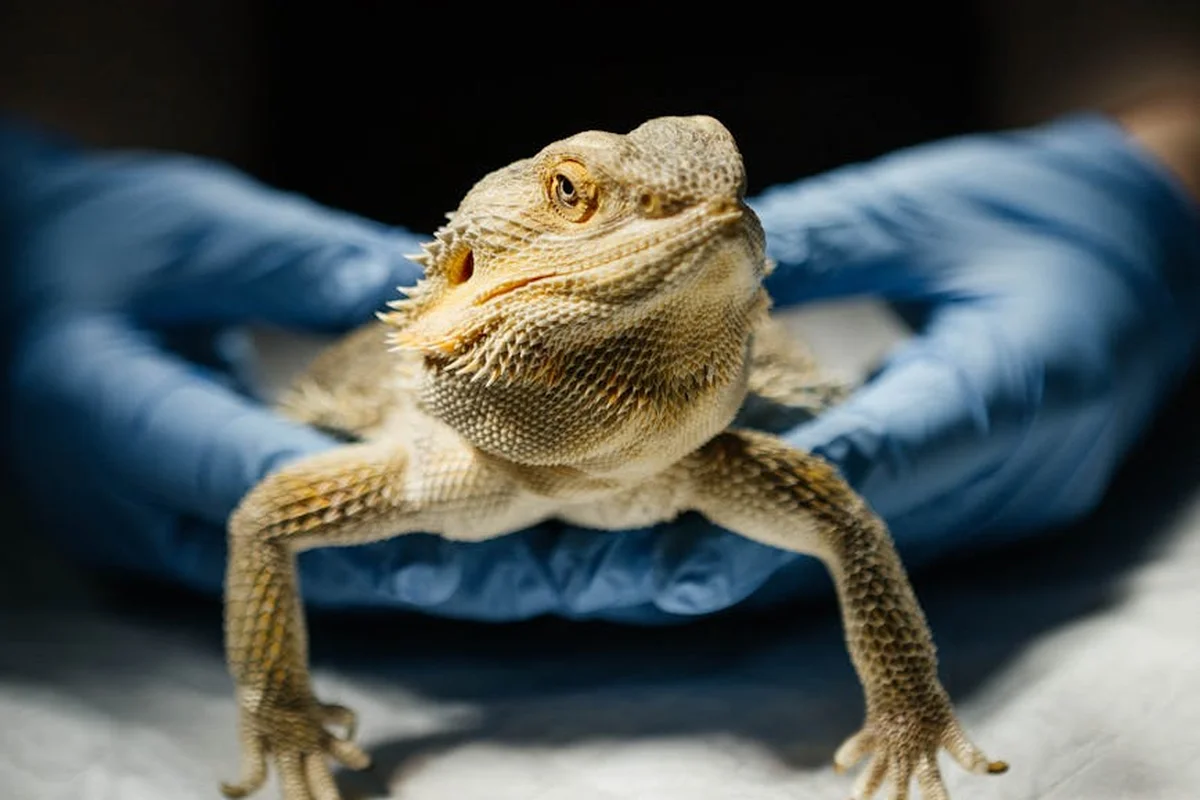
Seeing your dragon refuse food is stressful, but knowing when it crosses from a minor issue into a veterinary emergency can save their life. Trust your gut-if something feels seriously off, it usually is.
Identifying Emergency Situations
Some symptoms paired with a lack of appetite are major red flags. Do not wait to see if these resolve on their own.
- Lethargy or Weakness: If your normally alert dragon is listless, cannot lift their body, or seems uninterested in their surroundings.
- Signs of Respiratory Infection: Look for mucus around the nostrils or mouth, audible wheezing or clicking sounds when breathing, or frequent gaping when not thermoregulating.
- Prolonged Lack of Bowel Movements: This, especially when combined with a bloated, hard abdomen, can signal a dangerous impaction.
- Visible Injury or Paralysis: Any limping, swelling, or an inability to move their legs warrants an immediate vet visit.
- Black Beard Lasting for Hours: While brief black bearding is normal, one that persists for many hours is a clear sign of severe stress or pain.
I’ve rushed one of my own dragons to the vet for a respiratory infection, and catching it early made all the difference in his recovery. Reptiles are masters at hiding illness, so obvious symptoms mean the problem is advanced. Bearded dragons are cold-blooded and rely on their environment to regulate temperature. Proper heat and basking are essential for their immune health and recovery.
Other Warning Signs That Need a Vet
Even if it’s not a midnight emergency, these issues require a professional diagnosis and treatment plan.
- Weight loss that is rapid or very noticeable.
- Runny, foul-smelling, or consistently abnormal stools.
- Discharge from the eyes or retained shed, especially over the eyes.
- Seizures, jerky movements, or a persistent head tilt.
- Not eating anything for more than two weeks, even with perfect habitat conditions.
A qualified reptile vet can perform fecal tests for parasites, take X-rays to check for impaction, and provide critical supportive care like fluids. Having a reptile vet’s contact information saved before you ever need it is one of the most responsible things you can do as a pet owner.
Frequently Asked Questions
Can bearded dragons cause salmonella in humans?
Yes, bearded dragons can carry Salmonella bacteria, which may be transmitted through contact with the animal or its environment. Always wash your hands thoroughly after handling your pet or cleaning its enclosure to reduce the risk of infection. For feeding, follow a complete guide on safe foods for bearded dragons to ensure a balanced, healthy diet.
Why does my bearded dragon make me itch when I handle it?
The itching could be due to fine scales or skin debris from your bearded dragon, or it might indicate a mild allergic reaction to their dander or saliva. Wearing long sleeves and washing your hands after contact can help minimize discomfort. For a broader health check, refer to a healthy bearded dragon poop visual identification guide to see what normal waste looks like. Tracking stool can help you spot issues early.
What causes a bearded dragon to have a prolapse?
Prolapse in bearded dragons is typically caused by excessive straining from issues like impaction, parasites, or dehydration, leading to internal tissue protruding. This is a serious condition that requires immediate veterinary care to address the underlying cause and prevent complications.
Final Thoughts
When your bearded dragon stops eating, it’s a clear signal that something is off in their world. The key is to start with their environment, checking temperatures, lighting, and habitat stress before assuming the worst. I’ve found that nine times out of ten, a simple adjustment to their basking spot or a quiet, secure hide can make all the difference. If they still won’t eat after these changes, investigate other factors. If the appetite doesn’t return, consider a vet check.
Trust your instincts as a pet parent. If your methodical checks don’t resolve the issue, or if you see other worrying signs like lethargy or weight loss, a reptile-savvy veterinarian is your best and most responsible resource. You’ve got this.
Further Reading & Sources
- Why is my Bearded dragon not eating? Find out here.
- Why Is My Bearded Dragon Not Eating? Here Are 9 Possible Reasons – Dragon’s Diet
- Why Is My Bearded Dragon Not Eating? Causes & Solutions | Petco
Bearded Dragon Lair is the ultimate resource for bearded dragon enthusiasts, offering expert advice and practical tips to ensure the health and happiness of your scaly companion. With years of experience in reptile care, we are dedicated to providing accurate, up-to-date information to support your bearded dragon journey.
Feeding Guidelines