
How to Keep Crickets Alive for Your Bearded Dragon
Finding a container of dead crickets is a frustrating and expensive start to feeding time.
As an owner of multiple bearded dragons, I’ve perfected a simple system to keep my feeder insects thriving for weeks.
This guide will walk you through the exact setup, from choosing the right container and providing proper nutrition to mastering hydration and cleaning.
Why Proper Cricket Care Is Essential for Your Bearded Dragon
I learned this lesson the hard way with my first beardie, Spike. I brought home a box of crickets, tossed them in a bare tank, and within days, most were dead. The few survivors were so lethargic and malnourished that Spike turned his nose up at them. Feeding your bearded dragon a healthy, vibrant cricket is like serving a fresh, nutrient-packed salad instead of a wilted, old one. The nutritional value plummets when the feeder insect is not cared for properly. In a bearded dragons eat crickets guide, you’ll see why many keepers prefer live, gut-loaded crickets over dead or wild-caught ones. Live crickets are typically more nutritious and engaging for Spike, and farm-raised varieties help minimize disease risk.
A well-cared-for cricket acts as a living vitamin pill for your pet. Through a process called gut-loading, the nutrients you feed the crickets are passed directly to your dragon. You are essentially what your feeder insects eat, making their diet your dragon’s second-hand nutrition. A weak cricket offers little more than empty calories and chitin.
Beyond nutrition, there’s a safety aspect. Stressed or dying crickets can actually bite or irritate your bearded dragon, especially while they sleep. Keeping your cricket colony healthy isn’t just about convenience; it’s a direct line to your dragon’s health and safety. A thriving cricket bin means a thriving, happy reptile.
Setting Up the Perfect Cricket Habitat
Think of your cricket enclosure as a miniature ecosystem. Getting this setup right is the single biggest factor in keeping them alive long-term. A proper habitat reduces odor, prevents die-offs, and makes feeding time so much easier.
Choosing the Right Cricket Housing
After years of trial and error, I’ve settled on a simple, effective system. You don’t need anything fancy, but you do need space and functionality.
- Plastic Storage Totes: This is my go-to. A smooth-sided, 10-to-20-gallon bin is perfect. The smooth sides prevent crickets from climbing out and getting loose in your house.
- Aquariums or Reptile Tanks: These work well but can be heavier and more expensive. The glass sides are easy to clean but also easy for smaller crickets to climb.
- Commercial Cricket Keepers: These often have vertical tubes for easy collection. They’re great for small quantities but can be limiting if you keep a larger colony.
The key is to provide at least one square foot of floor space for every 100 crickets to prevent overcrowding and stress. I always opt for a wider, shallower bin over a tall, narrow one for better air circulation.
Managing Enclosure Temperature and Humidity
Crickets are like tiny, six-legged Goldilocks; they need everything just right. Getting the temperature and humidity wrong is the fastest way to a smelly, dead colony.
- Ideal Temperature Range: Keep your cricket bin between 75°F and 85°F (24°C – 29°C). I use a simple digital thermometer stuck to the side of the bin. At lower temperatures, they become sluggish and stop breeding. Too hot, and they die from heat stress.
- Heating Source: Do NOT place a heat lamp directly on a plastic bin. I use an under-tank heating pad placed on one *side* of the enclosure. This creates a gentle warmth and a temperature gradient, allowing the crickets to self-regulate.
- Humidity Control: Aim for a dry environment. High humidity breeds bacteria and mold, which will wipe out your colony. If the sides of your bin look foggy, you have too much moisture.
Providing a source of hydration through fresh vegetables like potato slices or carrots, rather than a water dish, is the safest way to manage humidity and prevent drowning. This method hydrates the crickets without raising the ambient moisture to dangerous levels.
Ensuring Proper Ventilation
This is the part most beginners overlook, and it’s a game-changer. A stagnant, stuffy bin is a death sentence.
- Cut a large rectangle out of the lid of your plastic bin.
- Hot-glue a piece of fine metal mesh or fiberglass screen over the opening. This is non-negotiable.
- This screened lid allows for a constant exchange of air, carrying away ammonia from cricket waste and keeping the environment fresh.
Good ventilation is the secret weapon against that classic, foul cricket smell. It prevents the buildup of harmful gases and keeps the substrate drier, creating a healthier home for your feeders and, by extension, a safer meal for your bearded dragon. Do bearded dragons smell bad? Not usually—the odor is typically from the enclosure when moisture and waste accumulate. By keeping the air moving and the substrate dry, you can effectively manage odor and keep your dragon comfortable.
Feeding and Hydrating Your Feeder Crickets
Gut-Loading for Maximum Nutrition
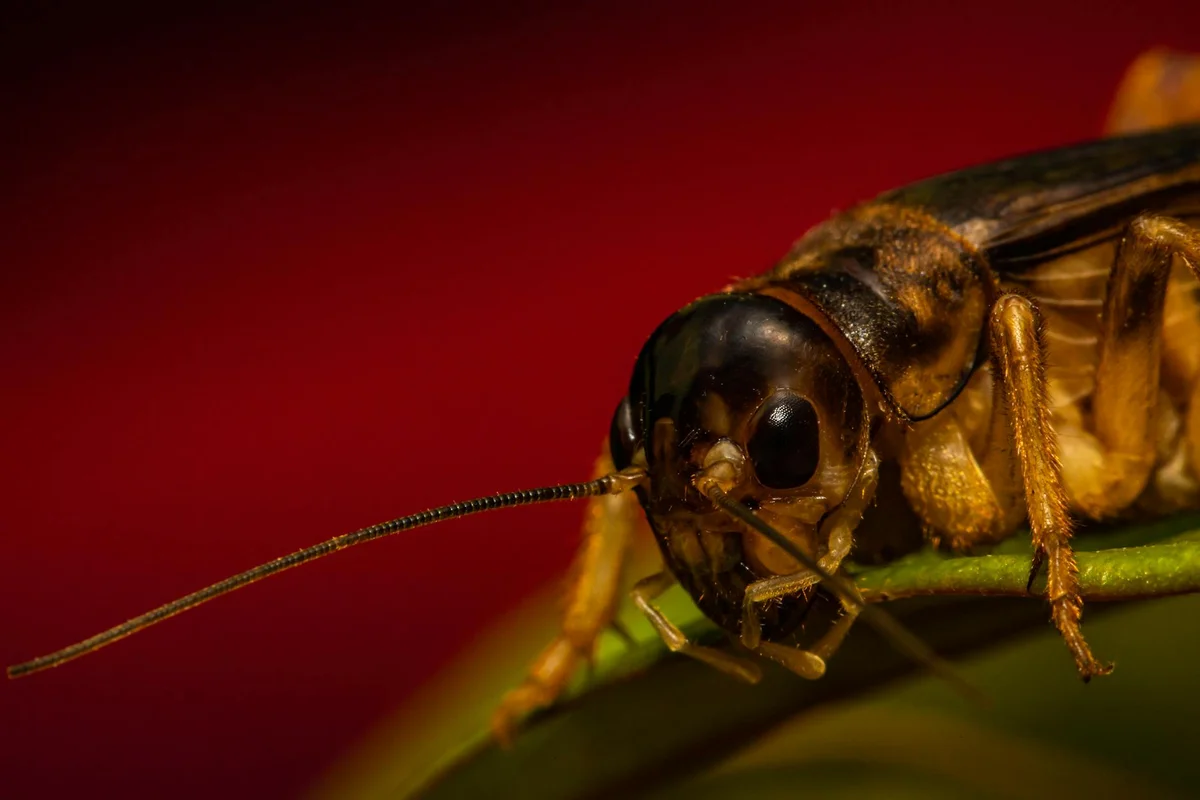
Think of your crickets as little nutrient pouches for your bearded dragon. What goes into the cricket directly impacts the health of your pet. Gut-loading is the 24-48 hour process of feeding your crickets a highly nutritious diet before offering them to your dragon. I always keep a dedicated “gut-load” container for this purpose. If you’re wondering whether to feed your bearded dragon daily, a complete feeding guide can help you tailor frequency and portions to age and size. It also explains how gut-loaded crickets fit into a balanced daily plan.
You want to use fresh, vitamin-rich foods. Here is what I use in my rotation:
- Leafy greens like collard greens, dandelion greens, and mustard greens
- Orange vegetables like sliced sweet potato and carrots
- Healthy grains like rolled oats or high-quality commercial gut-load food
- Slices of apple or squash for moisture and variety
Avoid citrus fruits, onions, and anything high in water content like lettuce, as it can cause digestive issues. A well-fed cricket is a walking multivitamin for your scaly friend.
Providing Safe Hydration Methods
This is where many new owners make a critical mistake. Crickets drown incredibly easily in a simple water dish. I learned this the hard way with my first colony.
You must provide water without the risk of drowning. Here are the safe methods I swear by:
- Water crystals or gels specifically made for feeder insects. These are my top choice.
- A fresh slice of potato, carrot, or orange. They will chew on this for moisture.
- A soaked sponge or paper towel in a shallow lid, replaced daily to prevent bacteria.
Never place an open water dish in your cricket enclosure; you will wake up to a mass casualty event. Consistent, safe hydration keeps your crickets lively and nutritious.
Maintaining Cricket Health and Sanitation
Establishing a Cleaning Routine
A clean home is a healthy home, and this is non-negotiable for crickets. They produce a lot of waste and a foul odor builds up fast. A dirty enclosure also breeds bacteria and mites.
I have a simple weekly routine that keeps things manageable:
- Gently move all crickets into a temporary holding bin.
- Remove and discard all old egg cartons and cardboard.
- Wipe down the entire enclosure with a vinegar and water solution to disinfect.
- Let it air dry completely before adding fresh bedding and new egg cartons.
- Return the crickets to their clean, fresh home.
This weekly deep clean prevents the buildup of ammonia from their droppings, which can kill an entire colony. A quick spot-clean to remove dead crickets and old food should be done every other day.
Preventing Common Cricket Predators and Issues
Your cricket bin is a buffet for other pests if you are not careful. The most common invaders are mites and mold.
Mites look like tiny white or red dots moving around the crickets and the enclosure. To prevent them:
- Keep the enclosure dry and well-ventilated.
- Remove uneaten fresh food within 24 hours.
- Use dry bedding like oat bran or coco fiber, which is less hospitable to mites.
Mold grows from excess moisture and leftover food. Ventilation is your best weapon against mold and foul odors. Ensure your container has a secure, ventilated lid. If you see mold, do a full, immediate clean-out.
From my experience, the biggest predator is often neglect. A consistent care routine is the single most effective way to prevent nearly all common cricket problems.
Preparing Crickets for Your Bearded Dragon’s Meal
Cooling and Handling Techniques
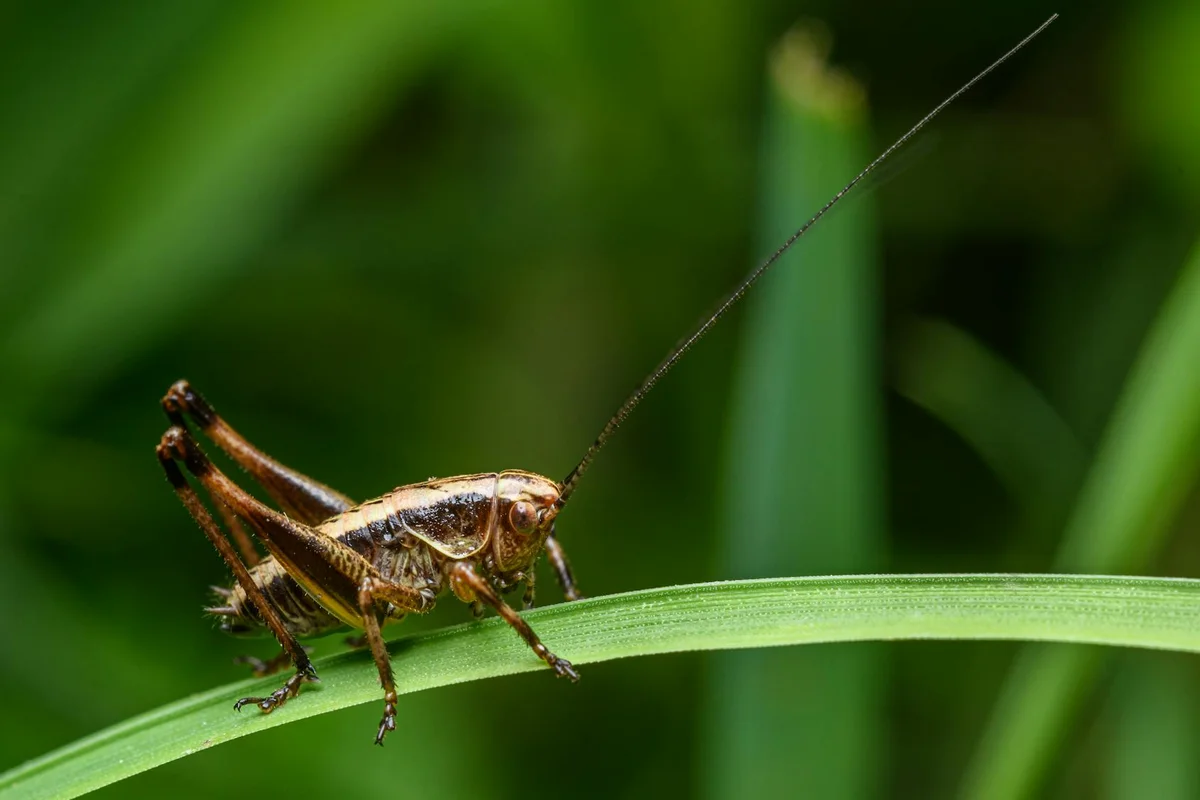
Have you ever tried to grab a cricket only to watch it leap across the room? I’ve been there many times. Cooling crickets gently slows them down, making your life much easier. Placing crickets in a small container and into the refrigerator for about 10 minutes makes them sluggish and far simpler to handle. Do not use the freezer, as this can harm or kill them.
I use a simple plastic deli cup with a few air holes poked in the lid. This method prevents escapes and reduces stress for both you and the crickets. Always handle cooled crickets gently to avoid injuring them before they become a meal. After removal from the fridge, they will slowly return to normal activity, giving you a perfect window for dusting and feeding.
- Choose a small, ventilated container for chilling.
- Limit fridge time to 5-10 minutes maximum.
- Never leave crickets unattended where they could get too cold.
- Transfer cooled crickets directly to your dusting container.
Dusting with Calcium and Multivitamins
Your bearded dragon relies on you for balanced nutrition, and dusting is a non-negotiable part of that. I dust nearly every feeding for my growing dragons to support their bone development. Dusting feeder insects with calcium powder is your best defense against metabolic bone disease, a common and painful condition in reptiles. For a practical bearded dragon feeding guide, it’s helpful to know which feeder insects are safe and which bugs should be avoided due to toxicity or poor nutrition. Being mindful of safe insects helps ensure you’re offering a balanced, toxin-free meal plan for your dragon. It only takes a moment but makes a huge difference in their long-term health.
I use a plain plastic bag or a dedicated plastic container with a lid for dusting. Add a pinch of supplement, drop in the crickets, and give it a gentle shake. A light, even coating is all you need-you shouldn’t see a thick, chalky mess on the insects. Over-dusting can put your dragon off their food, so aim for a fine powder covering.
Multivitamins are just as important, but they’re used less frequently. I follow a simple schedule to keep my dragons thriving without overdoing any one supplement. Here is the routine that works well for my colony:
| Supplement Type | Frequency for Juvenile Dragons | Frequency for Adult Dragons |
|---|---|---|
| Calcium with D3 | 5 days a week | 3-4 days a week |
| Multivitamin | 2 days a week | 1-2 days a week |
Troubleshooting Common Cricket Care Problems
Addressing High Cricket Mortality
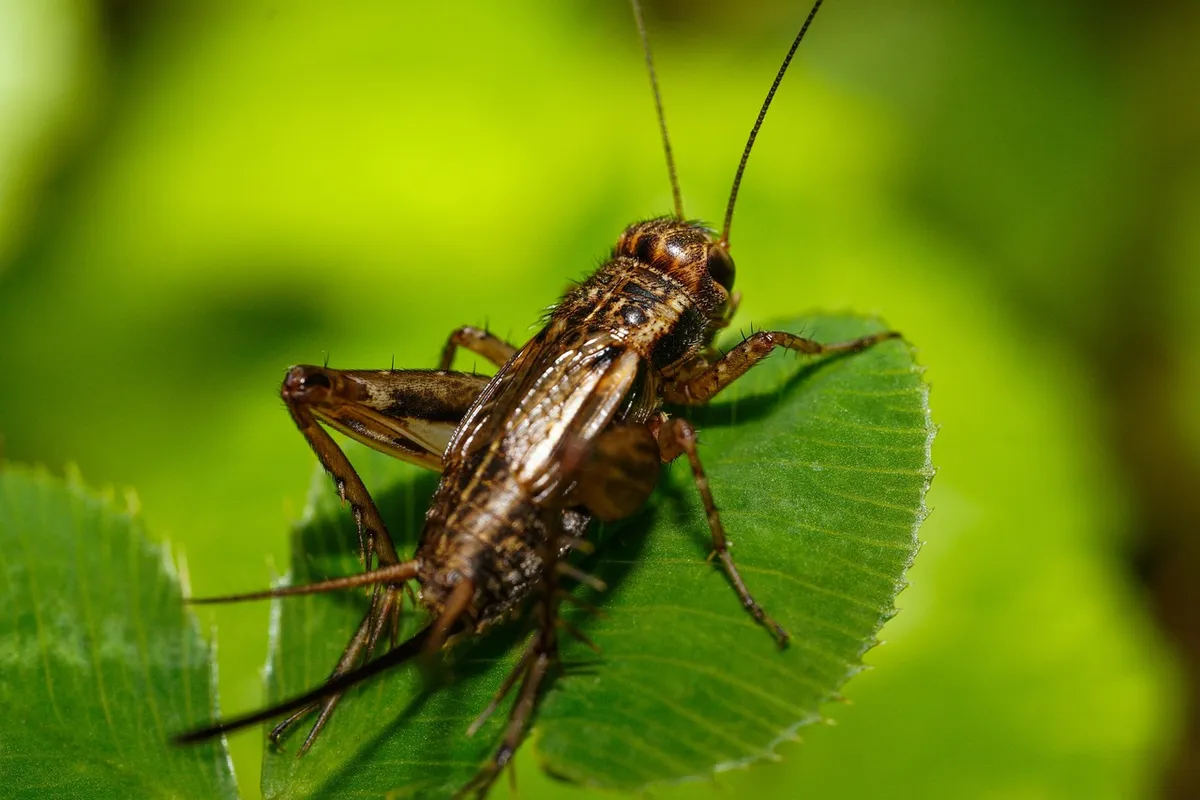
Opening your cricket bin to a pile of dead insects is frustrating and wasteful. I’ve learned through trial and error that most die-offs are preventable. The top cause of cricket death is poor ventilation combined with excess moisture, which leads to harmful ammonia buildup. If your container smells foul, that’s a major red flag.
Crickets also die quickly without proper hydration and food. I always use water gel instead of a water dish to prevent drowning. Providing a constant source of gut-load food, like carrots or commercial diet, keeps your crickets nourished and more nutritious for your dragon. Overcrowding stresses them out, so give them plenty of egg carton pieces to hide in and spread out. It’s crucial to feed your bearded dragon with crickets appropriately to ensure its health.
- Ensure your container has adequate mesh or holes for air flow.
- Remove dead crickets immediately to prevent contamination.
- Offer fresh vegetables like potato slices for both food and moisture.
- Keep the enclosure in a warm area, around 75-80°F, but out of direct sunlight.
Managing Your Cricket Supply
Running out of crickets right before feeding time is a scenario I’ve faced more than once. A little planning goes a long way. Buying crickets in larger quantities can be cost-effective, but only if you have a system to keep them healthy. I prefer to purchase a one to two-week supply at a time to minimize losses.
Storing them correctly is half the battle. I use a tall, smooth-sided plastic bin with a secure lid and ventilation screens. Rotate your stock by always feeding off the older crickets first to ensure none are left too long and perish. This first-in, first-out method has saved me money and reduced waste significantly.
For those with multiple dragons or a desire for self-sufficiency, breeding your own crickets is an option. Setting up a small breeding colony ensures a steady supply and lets you control the entire lifecycle. It requires more space and attention, but it’s incredibly rewarding. If you’re following a bearded dragon complete beginners setup guide, this choice should fit your space and time plan. For most beginners, starting with store-bought feeders is simpler while you master the basics. Here are the basics:
- Use a separate, larger container with a substrate like peat moss for egg-laying.
- Maintain consistent warmth and humidity for nymph development.
- Provide ample food and water for all life stages.
- Harvest crickets once they reach the appropriate size for your dragon.
FAQs
How long can I expect my crickets to live?
With a proper setup that includes good ventilation, correct temperature, and a consistent food and water source, you can expect your crickets to live for several weeks, allowing you to maintain a healthy supply between purchases.
What is the best way to prevent crickets from escaping their enclosure?
Using a smooth-sided plastic storage tote is the most effective method, as crickets cannot climb the slick surfaces. Ensure your ventilated lid is always securely fastened to eliminate any gaps they could squeeze through.
Is it worth breeding my own crickets at home?
Breeding your own crickets can be cost-effective if you have multiple bearded dragons, but it requires a separate, dedicated breeding setup with specific conditions for egg-laying and nymph development, which involves more space and maintenance. This ties into feeding guides for babies, juveniles, and adults—having many crickets on hand helps you meet those stage-specific needs. Babies and juveniles usually need more, smaller crickets, while adults eat fewer but larger ones.
Final Thoughts
Keeping your feeder crickets alive and healthy boils down to three simple things: a proper home, good food, and a clean environment. By giving them a spacious, ventilated container with places to hide and a steady supply of nutritious gut-loading food, you’re not just keeping crickets alive—you’re supercharging your dragon’s next meal. I’ve found this routine makes a world of difference for my own pets. Plus, it ensures you’re feeding the right amount of bugs to your bearded dragon. Knowing how many to feed each day is crucial for their health and growth.
Remember, a thriving cricket colony is the first step to a thriving bearded dragon. Your effort in caring for these little feeders pays off directly in your reptile’s health, energy, and vibrant color. It’s a simple act of love that starts at the very bottom of the food chain. To feed crickets without touching your dragon, use long feeding tongs or a small dish to drop them in. This keeps your hands clean and your dragon calm during mealtime.
Further Reading & Sources
- Live Crickets – Delivered to Your Door
- Food For Bearded Dragons
- r/BeardedDragons on Reddit: Should I feed him crickets?
Bearded Dragon Lair is the ultimate resource for bearded dragon enthusiasts, offering expert advice and practical tips to ensure the health and happiness of your scaly companion. With years of experience in reptile care, we are dedicated to providing accurate, up-to-date information to support your bearded dragon journey.
Feeding Guidelines