
What Do Bearded Dragons Eat? A Complete Feeding Guide for Pets and Wild Dragons
Published on: December 2, 2025 | Last Updated: December 2, 2025
Written By: Beardie Joe
You’re staring at your scaly friend, wondering if that piece of fruit is a treat or a mistake.
I’ve raised several bearded dragons myself, and I’ll use my hands-on experience to help you feed yours a healthy, thriving diet.
This guide breaks down the perfect diet for pet and wild bearded dragons, including safe foods, feeding schedules, and foods to always avoid.
Understanding Your Bearded Dragon’s Omnivorous Diet
One of the biggest surprises for new owners is learning that bearded dragons aren’t just insect-eaters. They are true omnivores, meaning they need a careful mix of animal-based protein and plant-based foods to truly thrive. I’ve seen the dramatic difference this makes in their energy levels and overall health. Vegetables are essential in a balanced bearded dragon diet. For specifics, check out our guide on how bearded dragons eat vegetables.
Their dietary needs change significantly as they grow. A baby beardie is a little eating machine, requiring a diet of about 80% insects and 20% greens to support their rapid growth. An adult dragon’s diet does a complete flip, needing around 80% vegetables and greens and only 20% insects. This shift usually happens around 18 months of age. To translate this into daily care, many keepers follow a simple, life-stage based bugs-per-day guide. An all-life-stages feeding plan helps ensure your bearded dragon gets the right amount of insects and greens each day.
Building a Balanced Plate: Staple Foods and Safe Treats
Think of your dragon’s diet in three categories: daily staples, weekly staples, and occasional treats. Getting this balance right is the single most important thing you can do for their long-term health. My own dragons get a “salad” every single morning, without fail.
Best Feeder Insects for Protein
Not all bugs are created equal. You want insects that are nutritious, easy to digest, and your dragon will actually hunt.
- Dubia Roaches: My absolute top choice. They are protein-packed, not too fatty, and can’t climb smooth surfaces, which is a huge plus.
- Black Soldier Fly Larvae (Nutrigrubs): These are fantastic. They’re high in calcium, so they often reduce the need for dusting supplements.
- Crickets: A classic feeder, but they can be smelly and die quickly. Always gut-load crickets for at least 24 hours before feeding them to your dragon.
- Discoid Roaches: A great option for those in states where Dubias are restricted.
Insects to avoid include fireflies (highly toxic), wild-caught bugs (pesticides), and butterworms (they can be addictive and are low in nutritional value).
Essential Leafy Greens and Vegetables
This should form the bulk of your adult dragon’s diet. The key is variety and freshness.
- Daily Staples (The Go-To Greens): Collard greens, mustard greens, dandelion greens, and turnip greens. These are nutrient powerhouses with a great calcium-to-phosphorus ratio.
- Great Mix-Ins (2-3 times a week): Butternut squash (shredded), bell peppers (all colors), endive, and escarole. These add color, texture, and different vitamins.
- Use Sparingly: Kale and spinach. Despite popular belief, modern studies show they are fine in rotation, but don’t make them the main green due to compounds that can bind calcium if fed in massive, constant quantities.
I always chop everything to a size smaller than the space between my dragon’s eyes to prevent choking.
Fruits and Other Occasional Treats
Fruit is the dessert of the bearded dragon world. It should be given only as a rare treat, no more than once a week or so. For a complete safe feeding guide, learn which fruits are safe for bearded dragons and how to prepare and portion them. It also covers serving frequency to keep their diet balanced.
- Safe Treat Fruits: Blueberries, raspberries, mango, and papaya. My dragon, Smaug, goes absolutely crazy for a single blueberry.
- Special Treat Insects: Hornworms are great for hydration, and silkworms are excellent for protein. Waxworms are like candy-super fatty, so I only use them to help put weight on a sick or underweight dragon.
Avoid citrus fruits (like oranges and lemons) and avocado at all costs, as they can make your dragon very sick. When in doubt, always double-check if a food is safe. It’s a simple step that protects your pet.
Feeding by Life Stage: Juvenile vs. Adult Diets
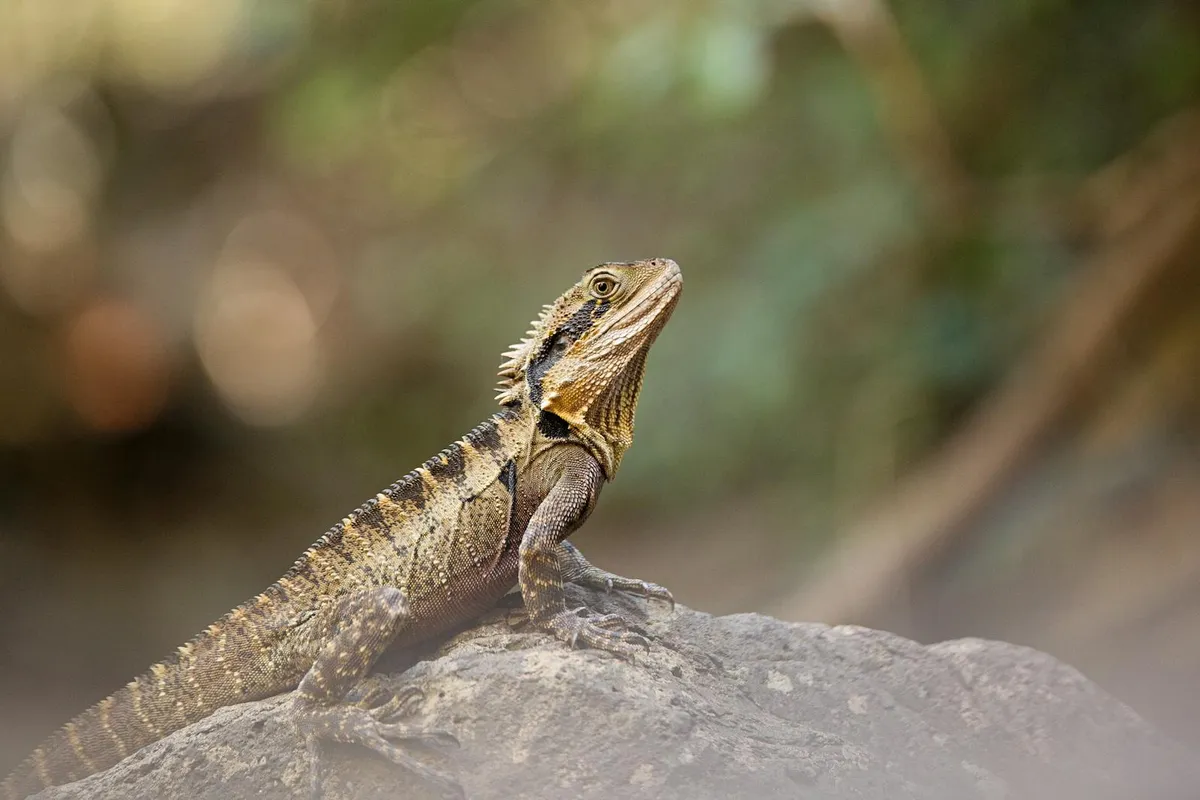
One of the biggest mistakes I see new owners make is feeding their dragon the same way from babyhood to adulthood. Their nutritional needs shift dramatically as they grow, and getting this wrong can lead to serious health problems. I learned this the hard way with my first dragon, Spike, and I want to save you the same worry.
The Protein-Powered Juvenile Diet
Baby and juvenile bearded dragons are like tiny, scaly teenagers with endless energy. They are in a massive growth phase, building bone and muscle at an incredible rate. To support this, their diet must be packed with protein. So, how much should a baby bearded dragon eat, and how does feeding change as they age? This complete feeding guide covers the right amounts by age.
Here is exactly how I structure meals for my young dragons:
- Feed them live insects 2-3 times per day. I offer as many appropriately-sized bugs as they can eat in a 10-15 minute window.
- The key is variety. I rotate through staples like:
- Dubia roaches (my personal favorite for nutrition)
- Black soldier fly larvae
- Crickets
- Salads are still important! Offer a small plate of finely chopped greens daily. They might ignore it at first, but the exposure is crucial.
The golden rule for juveniles is an 80/20 split: 80% live insects and 20% fresh vegetables. This high-protein plan is non-negotiable for their development.
The Plant-Based Adult Diet
Once your dragon hits around 18 months old, everything flips. Their growth plates have sealed, and their metabolism slows way down. Continuing a high-protein, juvenile-style diet is a direct path to obesity and fatty liver disease.
An adult bearded dragon’s diet should look completely different. This is what works for my crew of adult dragons: Adults are typically fed once a day, with greens forming the bulk of the diet and insects offered as appropriate. I adjust portions to size and activity to keep them thriving.
- Salads are now the main event. A fresh, diverse salad should be offered every single day.
- Live insect feedings drop to only 2-3 times per week.
- When you do offer bugs, keep the portions sensible. I typically give 10-15 appropriately-sized insects per feeding.
For adults, aim for the opposite ratio: 80% fresh vegetables and greens to 20% live insects. This shift is the single most important thing you can do for their long-term health.
Here is a quick comparison to make the transition clear:
| Diet Component | Juvenile Dragon | Adult Dragon |
|---|---|---|
| Live Insects | 2-3 times daily | 2-3 times weekly |
| Fresh Salads | Offered daily (20% of diet) | Staple daily meal (80% of diet) |
| Primary Goal | Rapid growth and development | Weight maintenance and health |
Essential Supplements for Optimal Health
Even with the most perfectly planned salad, your bearded dragon is likely missing key nutrients. In my years of caring for these amazing reptiles, I’ve learned that proper supplementation isn’t just a suggestion—it’s a non-negotiable part of preventing serious, and often irreversible, health issues. Think of it as their daily vitamin, crucial for building strong bones and supporting their entire system. If you’re wondering should I feed my bearded dragon daily, a complete feeding guide can outline a simple daily plan. It helps balance greens, insects, and supplements for optimal nutrition.
The Power Duo: Calcium and Vitamin D3
This is the most critical combination in your supplement arsenal. Bearded dragons need a tremendous amount of calcium, far more than what their feeder insects and greens provide. But how much calcium do bearded dragons actually need, and can you give them too much? Over-supplementing can cause issues if not balanced with phosphorus and vitamin D3, so follow guidelines and consult a vet. For detailed information, check out the guidelines on calcium amounts for bearded dragons.
- Calcium: This mineral is the primary building block for their skeleton. Without enough, they develop Metabolic Bone Disease (MBD), a painful condition that softens and deforms their bones.
- Vitamin D3: Your dragon can’t actually use that calcium without D3. In the wild, their bodies produce D3 from direct sunlight. In captivity, we must provide it through supplements or specialized UVB lighting.
I keep two bottles of calcium powder on hand: one with D3 and one without. This gives me flexibility based on my dragon’s setup and exposure to UVB light.
How to Supplement Correctly: A Simple Schedule
Getting the frequency right is key. Over-supplementing can be just as harmful as under-supplementing. Here is the feeding schedule I follow with my own dragons.
| Dragon’s Age | Calcium (with D3) | Multivitamin |
|---|---|---|
| Babies & Juveniles (Growing) | Dust insects for 5 out of 7 feedings | Dust insects for the other 2 feedings |
| Adults (1+ year) | Dust insects for 2-3 feedings per week | Dust insects for 1 feeding per week |
The easiest method is to place the feeder insects in a small bag or container with a pinch of supplement powder and gently shake until they’re lightly coated. You want them to look like they’ve been hit with a light dusting of snow, not buried in a powdered sugar donut.
Choosing and Using a Multivitamin
A good reptile multivitamin fills in the other nutritional gaps. Look for one that contains Vitamin A, which is vital for their skin, eyes, and immune system.
- Use a multivitamin formulated specifically for reptiles.
- These vitamins can degrade over time, so buy a small container and store it in a cool, dark place.
- Always check the expiration date before you buy.
I made the mistake of using an expired multivitamin once and saw a noticeable dip in my dragon’s energy levels. Sticking to a consistent, well-researched supplement routine is one of the kindest things you can do for your pet’s long-term well-being.
Creating a Successful Feeding Routine
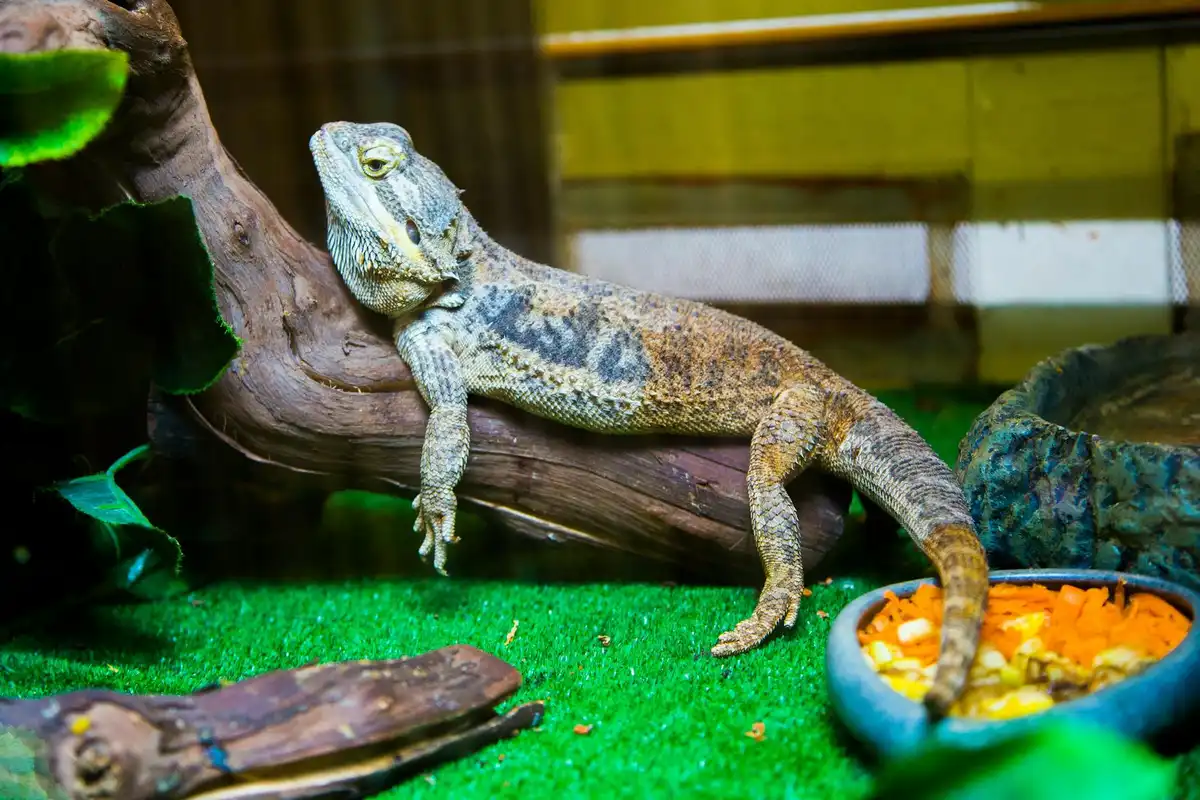
Consistency is your best friend when it comes to feeding your bearded dragon. I’ve found that a predictable schedule reduces stress for them and makes care easier for you. Establishing a regular feeding time, ideally in the morning (when is the best time to feed your bearded dragon), allows them to properly digest their food under their heat lamp throughout the day. This mimics their natural warm-activity period and prevents food from sitting in their gut overnight, which can cause issues.
Gut Loading and Feeder Insect Care
You are what you eat, and this is doubly true for your bearded dragon’s feeder insects. Gut loading is the simple practice of feeding your crickets, roaches, and worms a highly nutritious diet for 24-48 hours before offering them to your pet. Think of feeder insects as little nutrient-delivery vehicles; what you put into them is what your dragon gets out of them. I always keep a stash of high-quality gut load in my fridge.
Here is what I use to gut load my feeder insects:
- Dark leafy greens like collard, mustard, and dandelion greens
- Sweet potato and squash, finely grated
- Carrots and broccoli florets
- Commercial gut load formulas for a balanced base
Beyond gut loading, your feeder insects need proper care to stay healthy. I keep my dubia roaches in a smooth-sided bin with egg cartons for hiding. I provide them with water crystals (not a dish of water where they can drown) and their gut load food. A healthy, well-fed insect is a far more nutritious meal for your scaly friend. A starving, dehydrated cricket offers very little nutritional benefit.
Hydration and Water Needs
Bearded dragons are desert animals, so their hydration methods can be subtle. They rarely drink from a standing water dish like a dog or cat. In my experience, they get most of their water from their fresh salads and from regular, gentle misting. For a practical daily hydration guide, here’s how much water a bearded dragon should drink and how to monitor it. In daily care, hydration mainly comes from water-rich foods and careful misting, not from a standing dish.
I use a few different methods to keep my dragons hydrated:
- Misting: I lightly mist my dragon’s snout and the greens in their salad with a spray bottle. They will often lick the water droplets right off.
- Hydrating Foods: I include vegetables with high water content in their daily salads, like cucumber, bell peppers, and zucchini.
- Bathing: A shallow, lukewarm bath for 10-15 minutes once or twice a week helps with hydration through their vent. Always supervise bath time to prevent any accidents. Many of my dragons will drink the bathwater.
Watch for signs of dehydration, which include sunken eyes, loose skin, and a loss of appetite. If you’re ever concerned your dragon isn’t drinking enough, a warm bath is always a good first step to encourage hydration. It’s a peaceful, bonding activity that solves a common problem.
Solving Common Bearded Dragon Feeding Problems
Even with the best diet plan, things can go sideways. I’ve faced my share of head-scratching moments with my own dragons. Don’t panic if your dragon hits a rough patch; most feeding issues are fixable with a few simple tweaks.
My Dragon Won’t Eat Their Greens
This is the number one complaint I hear, and my first dragon, Ember, was the pickiest salad eater I’ve ever met. It’s frustrating, but you can win this battle.
- Mix in the good stuff: Chop up a favorite treat, like a blueberry or a bit of bell pepper, and mix it thoroughly into the greens. The smell and color can trigger their appetite.
- Try the “Bug Bowl Boogie”: Place the salad bowl in the enclosure first thing in the morning. Offer insects later in the day. A hungry dragon is more likely to nibble on greens.
- Experiment with textures: Some dragons prefer shredded greens, others like them torn. My current dragon, Smaug, will only eat whole leaves he can crunch.
- Bee pollen is magic dust: A light sprinkle of all-natural bee pollen powder on the salad works wonders. The smell is irresistible to most beardies.
Dealing with Dehydration
Bearded dragons are desert animals and often don’t recognize a still water bowl. I’ve seen many owners miss the subtle signs of dehydration.
- Offer a shallow bath: Two to three times a week, a 15-minute lukewarm bath can encourage them to drink. Always supervise.
- Mist their salad: Lightly spray the greens with water right before serving. They’ll ingest water as they eat.
- Drip water on their nose: Use a dropper to place a drop of water on the tip of their snout. They’ll often lick it off, starting a drinking session.
Watch for sunken eyes or loose skin; these are clear signs your pet needs more fluids.
When Your Dragon Is a Picky Insect Eater
If your dragon suddenly turns up their nose at a staple feeder, it’s usually a simple fix.
- Gut-load your insects: Feed your crickets or dubia roaches a nutritious diet (like carrots, squash, and commercial gut-load) 24-48 hours before offering them. A well-fed bug is a healthy meal.
- Try a different feeder: Rotate between dubia roaches, black soldier fly larvae, and crickets. Variety prevents boredom.
- Check the temperature: A cold basking spot is a major cause of appetite loss. Double-check your temperatures with a digital thermometer. The basking area should be between 95-110°F.
The Critical Role of Calcium and Vitamin D3
This is non-negotiable for their health. Metabolic Bone Disease (MBD) is a painful and preventable condition I’ve helped rescue dragons recover from.
- Dust insects with calcium: For most feedings, lightly coat insects with a pure calcium powder (without D3).
- Use a multivitamin weekly: Once or twice a week, use a calcium powder with D3 or a separate reptile multivitamin.
- Provide proper UVB lighting: Your dragon needs a high-output UVB tube light that spans about half the tank length. This helps them synthesize D3 and absorb calcium. Without UVB, all the calcium dust in the world won’t be enough to keep their bones strong.
A Glimpse at the Wild Bearded Dragon Diet

Observing my own bearded dragons in their pristine terrariums, I often think about their cousins roaming the Australian outback. Their wild diet is a fascinating lesson in survival and opportunism, far removed from the carefully measured bowls we provide.
In the arid scrublands and deserts they call home, food isn’t guaranteed. A wild bearded dragon is the ultimate opportunist, eating whatever is available and moving to stay alive. Their meals change drastically with the seasons, availability, and even their own life stage.
The Core Components of a Wild Diet
Think of a wild beardie’s menu as a shifting scale, constantly balancing these elements:
- Insects and Invertebrates: This is their primary protein source. They actively hunt for crickets, grasshoppers, beetles, worms, and even spiders.
- Leafy Greens and Flowers: When they find them, they’ll munch on a variety of native leaves, flowers, and soft fruits. This provides crucial hydration and fiber.
- Small Vertebrates: This might surprise you, but larger adults will occasionally eat small lizards, pinky mice, or even the babies of their own species.
How Age Changes Their Appetite
Just like our pets, wild dragons’ dietary needs evolve. I’ve seen this rapid growth phase mirrored in my own young dragons at home.
- Juveniles & Hatchlings: They are almost entirely carnivorous. Their bodies demand immense protein and energy for rapid growth, so their diet can be up to 80% live prey.
- Adults: As they mature, the balance shifts. An adult wild beardie’s diet becomes more of a 50/50 or even 20/80 split between insects and plant matter, depending on what the environment offers.
Seasonal Shifts and Foraging Behavior
Life in the wild is a constant search for resources. A dragon’s diet in the wet, abundant season looks nothing like its diet during a scorching drought.
- Wet Season (Abundance): This is a time of feasting. Insect populations boom, and fresh, leafy plants are widely available. Their diet becomes more varied and nutritious.
- Dry Season (Scarcity): Food becomes hard to find. They may survive on tougher, less nutritious vegetation and the occasional hardy insect. This is when their ability to slow their metabolism truly shines as a survival tactic.
Watching my dragons methodically hunt down crickets in their enclosure reminds me that this drive is hardwired. In the wild, they are active foragers, spending their days basking to warm up and then moving to hunt, often covering significant ground. They don’t have the luxury of a food bowl magically appearing.
The Critical Role of Hydration
In such a dry environment, standing water is rare. Wild bearded dragons get most of their water not from drinking, but from the food they eat. Juicy insects and moisture-rich plants are their primary source of hydration. They are also masters of utilizing morning dew, often licking it from their own snouts and bodies.
Understanding this wild diet helps us become better caretakers. It explains why our pets have such a strong prey drive and why a varied, thoughtful diet in captivity is the closest we can get to replicating the nutritional complexity of their natural world.
Frequently Asked Questions
What is a good bearded dragon diet list for beginners?
A good beginner list includes staple insects like dubia roaches and crickets, daily greens such as collard and mustard greens, and occasional treats like blueberries. Always avoid toxic foods like avocado and citrus to keep your dragon healthy.
How can I create a simple bearded dragon diet chart?
Focus on age-based ratios: juveniles need 80% insects and 20% veggies, while adults require 80% veggies and 20% insects. Include staple foods like dubia roaches and collard greens, and note feeding frequencies for easy reference.
What can I learn from the wild bearded dragon diet for my pet?
The wild diet emphasizes variety and opportunism, so offer a mix of insects and plants to mimic natural habits. It also highlights the importance of hydration through moisture-rich foods, as wild dragons rarely drink from standing water.
Wrapping Up Your Dragon’s Diet
Providing a proper diet is one of the most rewarding parts of caring for a bearded dragon. From my own experience, the key is offering a varied mix of safe insects and fresh greens, adjusting the balance as your dragon grows from a hungry juvenile into a more sedate adult. This fits within a complete guide on safe foods for bearded dragons. It helps you choose safe foods for different life stages. Getting this right is the foundation for a long, healthy, and vibrant life.
While wild dragons eat what they must to survive, we have the wonderful responsibility to offer our pets the very best. Your thoughtful approach to feeding does more than fill their belly; it helps replicate the nutritional richness they’d find in their natural habitat. A well-fed dragon is a happy, active companion you can enjoy for years to come.
Further Reading & Sources
- The Complete Bearded Dragon Diet Plan | Bearded Dragon Care – Dragon’s Diet
- The Bearded Dragon’s Diet: What Can They Eat? | Falls Road Animal Hospital | Baltimore Vet
- The Bearded Dragon’s Diet: What Can They Eat?
Bearded Dragon Lair is the ultimate resource for bearded dragon enthusiasts, offering expert advice and practical tips to ensure the health and happiness of your scaly companion. With years of experience in reptile care, we are dedicated to providing accurate, up-to-date information to support your bearded dragon journey.
Feeding Guidelines