Bearded Dragon Substrate Guide: Safe Options, Unsafe Materials & Best Practices
Published on: February 7, 2026 | Last Updated: February 7, 2026
Written By: Beardie Joe
Choosing the right substrate for your bearded dragon is one of the most important and confusing decisions you’ll make for their home.
I’ve raised many beardies myself, and I’m here to help you sort through the noise with advice rooted in real, hands-on reptile care and a deep commitment to animal welfare.
We’ll explore safe bedding choices, highlight dangerous materials you must avoid, and share the best setup practices I use for my own pets.
Understanding Bearded Dragon Substrate
Think of substrate as the flooring for your dragon’s home. It’s the material that lines the bottom of their terrarium. This choice is far more than decorative; it directly influences your pet’s health and daily comfort.
A poor substrate choice can lead to serious health issues. The biggest concern is impaction, a life-threatening intestinal blockage. This happens when a dragon accidentally eats its bedding, which can’t be digested. Impaction is a real and silent danger that every owner must actively work to prevent. Alongside substrate safety, it’s crucial to monitor what your dragon can and can’t eat. A quick guide to toxic foods to avoid can help prevent accidental poisoning.
Hygiene is another major factor. Some substrates harbor bacteria and mold, creating a dirty environment that can lead to skin and respiratory infections. Your substrate should be easy to clean or replace to maintain a pristine habitat.
Generally, substrates fall into a few main categories. You have solid surfaces like tile, loose materials like sand, and simple paper-based options. I’ve tested them all over the years with my own dragons.
Safe Substrate Choices for Your Pet
After caring for many bearded dragons, I’ve found that the safest substrates are often the simplest. Prioritizing safety over aesthetics has always kept my reptiles healthiest and happiest. The same care applies to wood used in enclosures—some woods are safe for bearded dragons, others are unsafe. I’ll cover safe vs unsafe wood options alongside these substrates. Here are the options I personally trust and use.
Solid Surface Substrates
Solid surfaces are my top recommendation, especially for new owners and adult dragons. They eliminate the risk of impaction entirely and are incredibly easy to maintain.
Ceramic or Slate Tile
- Pros: Extremely easy to clean and disinfect. Helps file down your dragon’s nails naturally. Retains heat beautifully from the basking lamp.
- Cons: Can be heavy. Requires cutting to fit your tank size. The surface can be too smooth, offering little traction.
Reptile Carpet
- Pros: Soft and provides good grip for your dragon. Readily available and easy to cut to size.
- Cons: Needs frequent washing as it can snag claws and trap bacteria. I always recommend having two pieces so you can swap them out.
How to Install and Maintain Solid Substrates
- Measure the bottom of your enclosure carefully.
- Purchase tiles or cut reptile carpet to fit these measurements snugly.
- For tile, place a thin layer of paper towel underneath to prevent sliding and to absorb any minor liquid spills.
- Spot clean daily with a reptile-safe disinfectant or a vinegar-water solution.
- Remove and deep clean the entire surface weekly.
Loose and Natural Substrates
Loose substrates can create a beautiful, naturalistic enclosure, but they require a more experienced and vigilant owner. The key to using loose substrates safely is diligent management and knowing your individual dragon’s behavior. For a bearded dragon bioactive enclosure setup, pair this with desert-adapted plant choices and a carefully selected cleanup crew to help manage waste. When done well, a bioactive setup can enhance enrichment while keeping maintenance reasonable.
Play Sand
- Pros: Inexpensive and allows for natural digging behaviors.
- Cons: High impaction risk if eaten. Can be very dusty, which is bad for reptile lungs.
- My Advice: If you use it, never use it alone. I mix playsand with organic topsoil. Always sift it to remove dust and never use calcium sand, which encourages eating.
Soil/Sand Mixes
- Pros: Holds burrows well for dragons that love to dig. More natural consistency.
- Cons: Can retain moisture and grow mold if not kept dry. Still carries an impaction risk.
Mitigating the Risks of Loose Substrates
- Only use with healthy, alert adult dragons-never with juveniles or sick animals.
- Feed your dragon in a separate, bare-bottomed area or on a large, clean dish to prevent them from gobbling up substrate with their food.
- Monitor your dragon’s poop schedule closely. Any sign of constipation means you should switch substrates immediately.
- Spot clean waste daily and completely replace the substrate every few months.
Dangerous Substrates to Steer Clear Of
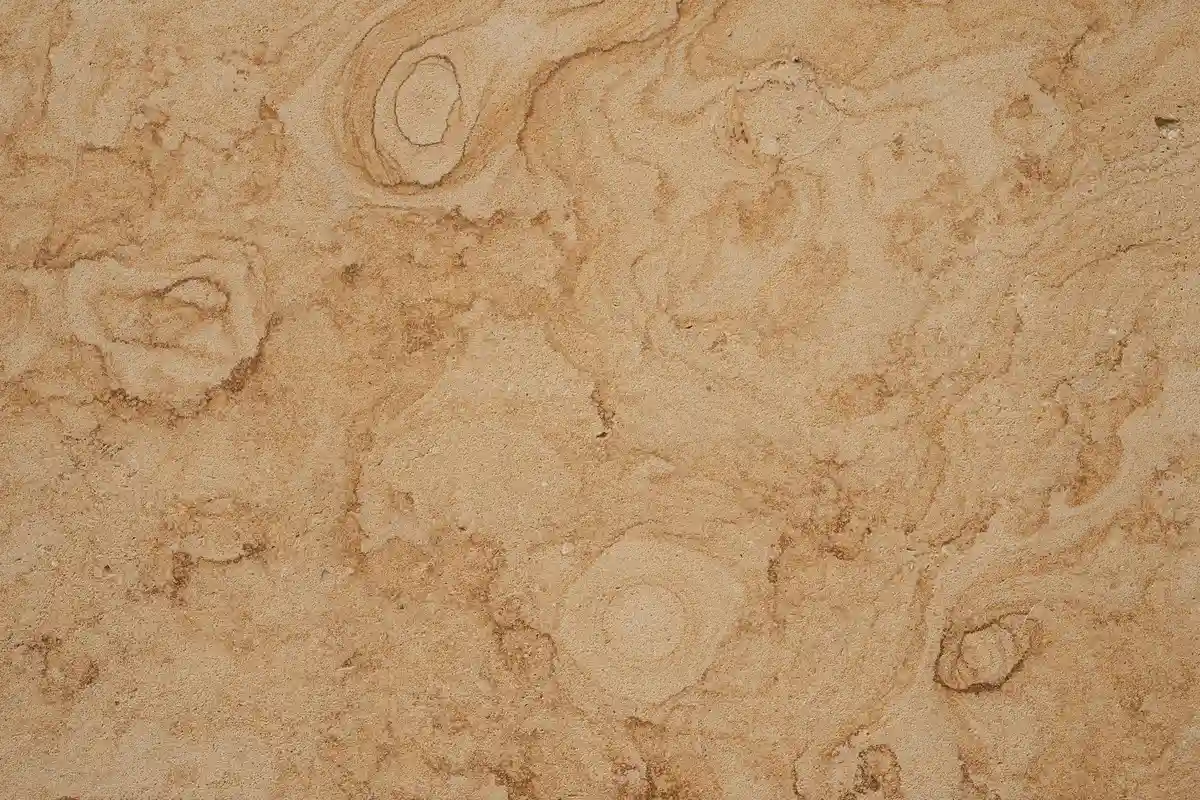
Choosing the wrong floor for your dragon’s home isn’t just a minor mistake-it can be a life-or-death decision. I’ve seen the heartbreaking consequences of poor substrate choices in rescued dragons, and it’s a pain I wouldn’t wish on any owner or their pet. Let’s be very clear about what to absolutely avoid.
- Calcium Sand: This is a deceptive product. It promises extra calcium but actually encourages dragons to eat it, leading to severe, often fatal, gut impaction.
- Pine & Cedar Shavings: The aromatic oils in these woods are highly toxic to reptiles. They cause severe respiratory distress and liver damage.
- Gravel or Small Rocks: These pose a dual threat. Dragons can ingest them, causing impaction, and the hard surface is terrible for their joints and can wear down their claws.
- Hardwood Mulch or Bark Chips: Often treated with chemicals and pesticides, these can release toxic fumes and cause splinter injuries.
- Crushed Walnut Shells: Extremely sharp and abrasive, these shells can cause serious internal cuts and impaction if swallowed.
High-Risk Loose Substrates
Loose substrates can be controversial, but some are outright dangerous. Calcium sand is public enemy number one in the bearded dragon community, and for very good reason. Its bright color and advertised “calcium benefit” trick both owners and dragons.
I once helped a dragon who was chronically ill for months. The owner couldn’t figure out why. The culprit was a beautiful red calcium sand that the dragon kept nibbling on, slowly clogging its digestive system. Plain loose sand can also be risky for young dragons who are messy eaters and may consume it accidentally with their food. If your bearded dragon is constipated, seek veterinary advice promptly. This case shows why choosing a safe substrate and monitoring digestion can matter.
Toxic and Irritating Materials
Some materials don’t just cause physical blockages; they poison from the inside out. The phenols released from cedar and pine shavings attack a dragon’s respiratory system, leading to a slow, painful decline. It’s an invisible threat that many new owners aren’t aware of. Bearded dragons are especially sensitive to airborne toxins, including smoke. Secondhand smoke offers no safety for them—it harms their lungs and overall health.
Instead of reaching for a bag of wood shavings from the pet store, choose safer alternatives. For a naturalistic look, reptile-safe soils or a hybrid soil/sand mix are fantastic, safer options that allow for natural behaviors without the high risk. Solid substrates like slate tile or reptile carpet completely eliminate the ingestion risk.
Setting Up Substrate the Right Way
Getting the substrate right isn’t just about the material; it’s about how you use it. A perfect substrate can become a problem if it’s too deep, too dirty, or placed incorrectly in the enclosure. Proper setup is your first line of defense for a healthy dragon. In a bearded dragon tank setup guide, you’ll also consider essential equipment, decor, and safety. Getting the substrate right ties directly into that overall setup.
- Always ensure your substrate supports the temperature gradient. Thick, loose substrate shouldn’t block heat from reaching the basking spot.
- Integrate your substrate with other elements. Place food dishes on a solid, easy-to-clean surface like a flat rock to prevent accidental ingestion.
- Consider your dragon’s age and personality. A clumsy juvenile or a dragon that licks everything may not be a good candidate for a deep loose substrate.
Determining Substrate Depth and Placement
Depth matters more than you might think. It affects everything from burrowing to cleanliness. For solid substrates like tile or reptile carpet, depth isn’t a factor-just make sure it lies flat and doesn’t create a tripping hazard.
For loose substrates like a soil/sand mix, a depth of 2-4 inches is ideal for an adult dragon that likes to dig. This provides enough material for natural behaviors but isn’t so deep that it becomes difficult to clean or holds excessive moisture. For juveniles, I recommend avoiding loose substrates entirely or using a very shallow layer (less than 1 inch) if you’re determined to provide it.
Cleaning and Maintenance Routines
A clean substrate is a cornerstone of reptile health. Bacteria and parasites thrive in dirty enclosures, leading to preventable infections and illness. Your cleaning routine will vary based on your substrate choice.
- Daily: Spot clean. Remove feces and urates immediately. For solid substrates, wipe with a reptile-safe disinfectant. For loose substrates, scoop out the soiled area and the surrounding substrate.
- Weekly: Perform a more thorough clean. Remove all decorations and food/water bowls. For loose substrate, sift through it to remove waste. For solid substrates, do a full scrub-down.
- Monthly (or as needed): Execute a deep clean. This means replacing all loose substrate or removing and thoroughly sanitizing solid substrates and the entire enclosure. This deep clean is non-negotiable for preventing the buildup of harmful pathogens over time.
Crafting Your Own Substrate Mix
Making your own substrate can feel like baking a special recipe for your bearded dragon. I love mixing my own blends because it lets me tweak the texture and composition based on what my dragons enjoy most, especially for their enrichment.
- DIY Recipe Guide with Ratios: A trustworthy starting point is a 50/50 blend of organic topsoil and washed play sand. This ratio mimics their natural environment and supports healthy digging instincts.
- Materials and Step-by-Step Process: You will need organic topsoil (free from fertilizers), play sand (not silica-based), a large container, a sieve, and a baking sheet.
- Spread the topsoil and sand on the baking sheet.
- Bake at 250°F for 30 minutes to eliminate pests or mold.
- After cooling, sift both materials to remove large debris.
- Combine them in your container using the 50/50 ratio and mix by hand until uniform.
- Personal Mixing Tips: In my tanks, I sometimes adjust to 60% topsoil if the sand feels too loose. Always trust your touch-the final mix should hold a slight shape when squeezed but crumble easily without being dusty.
Simple Homemade Substrate Recipes
These recipes use easy-to-find ingredients and take minimal effort to prepare.
- Classic Topsoil and Sand Blend: Mix one part organic topsoil with one part play sand. Stir until the color is even and no clumps remain. This is the mix I rely on for my adult bearded dragons-it’s durable and encourages natural behavior.
- Beginner-Friendly Low-Dust Option: Use 70% topsoil and 30% sand for a firmer texture. This works well for juveniles or dragons new to loose substrate. Moisten lightly with water if the mix becomes too airborne during setup.
Preparation is straightforward. After blending, do a squeeze test-if it forms a temporary ball then breaks apart, you have the right consistency.
Tips for Successful DIY Substrate Use
Your homemade substrate will perform best when you observe and adapt.
- Test in Small Batches First: Place a handful of the mix in a corner of the enclosure for a few days. I never skip this step-it helps me spot any adverse reactions before committing to a full tank change.
- Watch Your Dragon’s Behavior: Look for enthusiastic digging, basking on the substrate, or attempts to eat it. If they ingest large amounts, switch to a temporary solid substrate like tile immediately.
- Avoid Common DIY Mistakes: Do not use soil from your yard-it often contains chemicals or parasites. Over time, I learned that uneven mixing leads to pockets of sand that can cause impaction, so blend thoroughly every time.
Frequently Asked Questions
What is bearded dragon substrate Reddit?
This term refers to discussions and user-shared experiences on Reddit communities about substrate choices for bearded dragons, offering real-world insights, but always cross-reference with expert advice for safety. It also surfaces bearded dragon morphs and color questions, such as whether care or enclosure needs differ by morph, a common topic alongside substrate tips.
What is the best bearded dragon substrate?
Solid surfaces like ceramic tile are often considered the best due to their impaction-free nature, easy cleaning, and heat retention, making them ideal for maintaining a healthy habitat.
Is sand a suitable bearded dragon substrate?
Sand can be used cautiously in a mix with organic topsoil for adult dragons that enjoy digging, but it carries a high impaction risk and should be avoided for juveniles or messy eaters.
Final Thoughts
Choosing the right substrate is one of the most impactful decisions you’ll make for your bearded dragon’s health. For most owners, the safest path is using non-particle substrates like slate tile, paper towel, or reptile carpet. These options eliminate the risks of impaction and irritation that come with loose materials, giving you real peace of mind. This approach fits into our safe bearded dragon guide, which also covers safe plants, wood choices, and substrate options. Together, they help you create a secure, easy-to-maintain enclosure.
Trust me, after years of keeping these amazing reptiles, I’ve seen how a simple, safe floor leads to a thriving, active pet. Always prioritize safety and ease of cleaning over aesthetic appeal, and you’ll set your scaly friend up for a long, healthy life. This is especially important when your bearded dragon starts scratching.
Further Reading & Sources
- r/BeardedDragons on Reddit: What bedding or substrate is good for bearded dragons?
- The Best Bearded Dragon Substrate for a Healthy Habitat in 2023
- What Substrate Should I Use in My Bearded Dragon Enclosure? | Bearded Dragon Care Q&A
Bearded Dragon Lair is the ultimate resource for bearded dragon enthusiasts, offering expert advice and practical tips to ensure the health and happiness of your scaly companion. With years of experience in reptile care, we are dedicated to providing accurate, up-to-date information to support your bearded dragon journey.
Substrate Options