
Can Bearded Dragons and Leopard Geckos Live Together?
Published on: September 27, 2026 | Last Updated: September 27, 2026
Written By: Beardie Joe
You might be wondering if your bearded dragon and leopard gecko can share an enclosure, hoping to create a shared reptile space.
As a long-time bearded dragon owner with deep reptile care knowledge, I’ll give you the honest, welfare-focused facts you need.
We will examine their clashing habitat needs, incompatible behaviors, and the real health risks involved.
The Straight Answer on Species Cohabitation
After years of caring for both species in my own home, my answer is a definitive no. Housing a bearded dragon and a leopard gecko together is an extremely high-risk situation that I would never recommend to any reptile keeper. They are not just different pets; they are from different worlds, with needs and instincts that are fundamentally incompatible. If you’re wondering whether bearded dragons get along with other pets like dogs or with other beardies, the general answer is that they should not share living space. Even a calm dog can stress or injure a beardie, so safe, supervised separation is the norm.
While the idea of a multi-species terrarium might seem appealing, it’s a concept better suited to fish or some invertebrates. For reptiles, especially from different continents like these two, the potential for tragedy is far too great. Bearded dragons, however, need a correctly sized, single-species terrarium. It should offer plenty of floor space, suitable height, and a dedicated basking area.
Key Risks of Housing Bearded Dragons with Leopard Geckos
Mixing these animals introduces a cascade of problems that threaten the welfare of both. It’s not a matter of ‘if’ something will go wrong, but ‘when’ and ‘how badly’. Let’s break down the critical dangers.
Behavioral and Territorial Conflicts
Their natural behaviors are a recipe for constant stress and potential violence.
- Bearded dragons are territorial by nature. I’ve seen my own male beardie glass-surf and blacken his beard just from seeing his reflection. Introducing a smaller, differently-shaped ‘intruder’ into his space would trigger immense stress and almost certainly lead to aggression.
- Leopard geckos are secretive and crepuscular. They hide during the day and become active at dawn and dusk. A bearded dragon, which is active during the day, would constantly disturb the gecko’s resting spots, preventing it from ever feeling safe.
- The size and strength disparity is immense. An adult bearded dragon can be 10-20 times the weight of an adult leopard gecko. A single, casual bite from a beardie, even if not intended as an attack, can be fatal to a gecko.
- Competition for resources creates conflict. Even if you provide multiple hides and basking spots, both animals will view the entire enclosure as their territory. This leads to one animal, usually the gecko, being bullied away from food, heat, and security.
Health and Safety Hazards
Beyond behavior, the physical environment itself becomes a death trap.
- Cross-contamination of parasites and bacteria is a huge concern. A pathogen that one reptile carries with no symptoms can be deadly to the other. I always quarantine new reptiles for this very reason, and cohabitation makes a permanent cross-contamination risk.
- Their dietary needs are different and dangerous when mixed. Bearded dragons are omnivores and require fresh salads. Leopard geckos are pure insectivores. A hungry beardie may see a small, moving gecko as nothing more than a protein-rich snack.
- Temperature and humidity requirements are incompatible. Bearded dragons need a hot, arid environment with a basking spot around 100-110°F. Leopard geckos need a warm, but not as intensely hot, environment with a warm side in the high 80s°F. Providing one perfect gradient for both in a single tank is impossible.
- Stress from cohabitation leads to immunosuppression. A constantly stressed reptile is a sick reptile. The weaker immune system makes them vulnerable to infections, parasites, and metabolic diseases, shortening their lifespan significantly.
Habitat and Care Requirement Differences
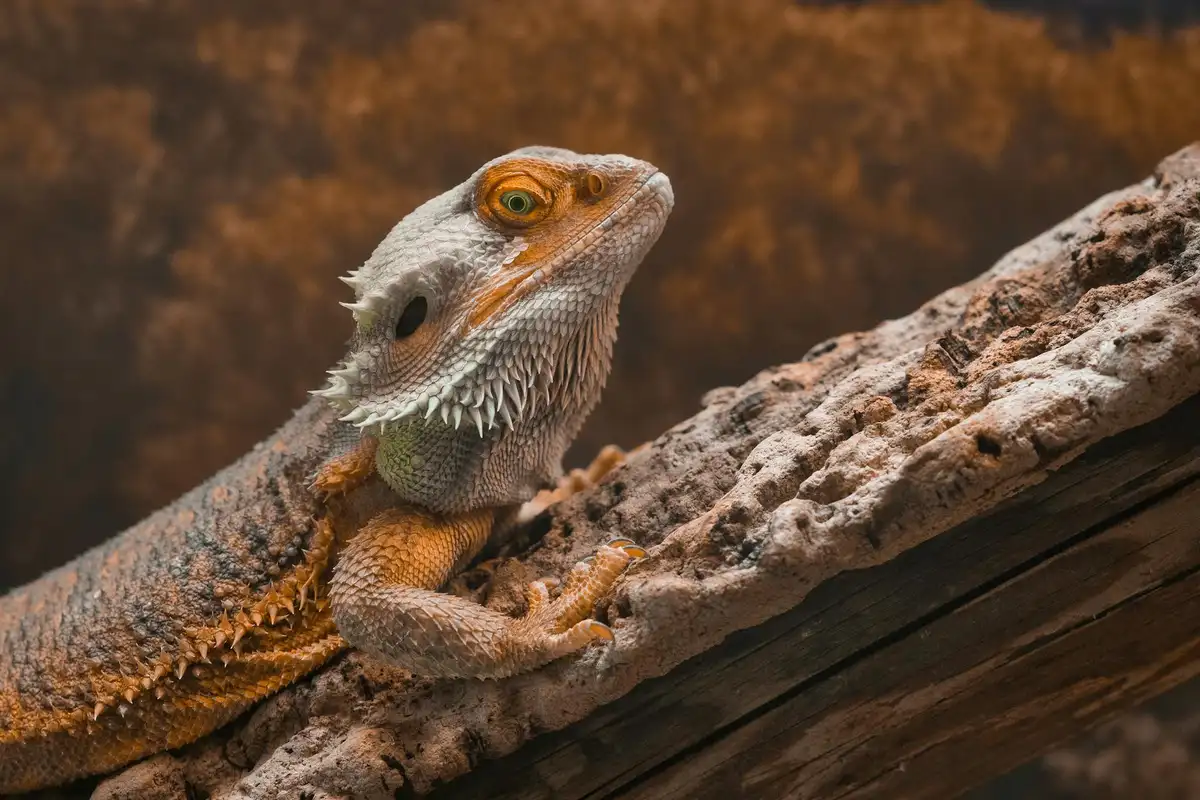
Enclosure Size and Setup Incompatibilities
From my first-hand experience, the housing needs for these two reptiles are a complete mismatch. Trying to create one habitat for both is like trying to build a single house that’s both a desert cabin and a tropical bungalow—it just doesn’t work. When people talk about bearded dragons, tortoises, or even turtles living together, the same problem comes up. Each species needs its own climate and setup, so a shared enclosure isn’t practical.
- Space: An adult bearded dragon needs a 120-gallon tank as a minimum. A leopard gecko thrives in a 20-gallon long enclosure. Forcing them to share a large tank doesn’t fix the fundamental problems.
- Temperature Gradients: Bearded dragons need a hot basking spot of 100-110°F. Leopard geckos require a warm hide around 90°F. That intense basking lamp a beardie loves would dangerously overheat a leopard gecko.
- Lighting: Bearded dragons must have high-output UVB lighting to process calcium and prevent metabolic bone disease. Leopard geckos are crepuscular and have much lower UVB requirements; too much can cause them stress.
- Humidity: This is a major deal-breaker. Leopard geckos need a moist hide with higher humidity to shed properly. That extra moisture in the air can lead to devastating respiratory infections in a bearded dragon, who needs a dry environment.
Diet and Feeding Schedule Variations
Their nutritional needs are on totally different planets. I’ve spent years preparing separate meals, and the routine is night and day.
- Bearded Dragon Diet: They are omnivores. Adults eat a salad of leafy greens and vegetables daily, supplemented with live insects like crickets or dubia roaches a few times a week.
- Leopard Gecko Diet: They are pure insectivores. Their diet consists solely of live insects like mealworms, crickets, and waxworms. They have zero interest in or need for plant matter.
- The Conflict: A hungry bearded dragon is a voracious eater and will see a smaller leopard gecko as food. There is a very real risk of your beardie attempting to eat your gecko, causing severe injury or death to both animals. Even if that doesn’t happen, they would compete for insect prey, leaving the leopard gecko underfed and stressed.
Signs Your Reptiles Are Stressed or Incompatible
Reptiles are masters of subtle communication. You have to become a detective for their well-being. Bearded dragons rely on hearing to pick up cues in their environment. Understanding how they hear helps you interpret their communication and respond to their needs. If you ever see these signs, even in separate tanks placed near each other, you need to act immediately.
- Changes in Appetite: A stressed reptile will often stop eating. This is one of the first and most critical red flags.
- Aggressive Posturing: In bearded dragons, look for a black beard, puffing up, and head bobbing. A leopard gecko may wave its tail slowly or make chirping sounds.
- Hiding Excessively: While leopard geckos are natural hiders, a beardie that never comes out of its hide is a stressed beardie. The more dominant animal will often claim all the prime basking and hiding spots.
- Physical Injury: Bite marks, scrapes, or missing toes and tail tips are a clear sign of aggression and a failed cohabitation attempt.
Any one of these symptoms means their living situation is harming them, and separation is the only ethical choice.
Safe Alternatives and Best Practices for Separate Housing
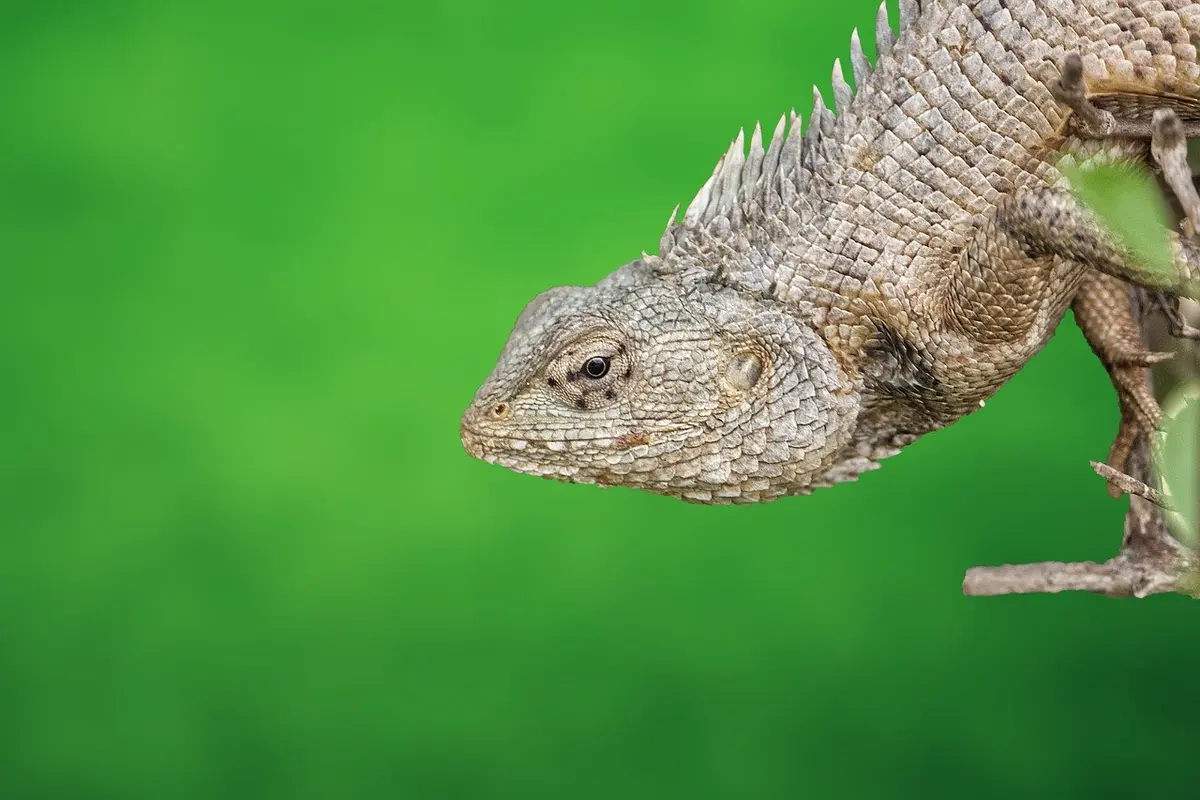
The very best practice, and the one I follow with my own pets, is to provide separate, species-appropriate enclosures. This isn’t a compromise; it’s a commitment to their individual health and happiness. A DIY bearded dragon enclosure building guide can help you turn these principles into a safe, custom habitat.
Ideal Tankmates for Bearded Dragons
Let’s be direct: bearded dragons are solitary animals in captivity. They do not get lonely and do not benefit from a cage mate. The only “safe” tankmate is another bearded dragon, and even that requires immense caution. For those considering more than one dragon, the realities of cohabitation—aggression and injury, stress, and constant resource guarding—are real. When kept together, multiple dragons may compete for heat, basking spots, and food.
- Housing two bearded dragons together is risky and should only be attempted by experts with a massive enclosure.
- Males will always fight, often to the death. A male and female will lead to constant breeding stress and egg-laying.
- Females can sometimes cohabitate, but you must have a backup tank ready in case of sudden aggression.
In my opinion, the safest and kindest option is to let your bearded dragon enjoy its territory alone.
Suitable Companions for Leopard Geckos
Like bearded dragons, leopard geckos are perfectly content living by themselves. They are not social creatures that crave friendship. Bearded dragons, by contrast, are often regarded as more social and capable of forming bonds with their human companions. This friendly nature can help address loneliness through regular, positive interactions.
- Some keepers successfully house a small group of females together in a very large, well-designed tank with multiple hides and feeding stations.
- You should never, under any circumstances, house two male leopard geckos together. They are territorial and will fight relentlessly.
- Mixing a male and female will result in constant breeding, which is exhausting and dangerous for the female.
The absolute best companion for a leopard gecko is a well-maintained, peaceful enclosure all to itself. This prevents stress, competition for food, and the spread of potential illness. If you’re looking at beginner reptile pets, bearded dragons are often recommended. A solid, species-appropriate enclosure is key for any beginner reptile, including bearded dragons.
Frequently Asked Questions
Can I house them together if I use a divider in the same tank?
No, dividers do not solve the core issues of incompatible temperature, humidity, and lighting needs, which can still lead to stress, health problems, or cross-contamination between the divided sections.
Is it safe to keep their enclosures in the same room?
Yes, as long as the tanks are separate and not within direct sight or reach, but ensure each has its own controlled environment to prevent stress from visual contact or shared airspace affecting humidity levels.
What should I do if I previously housed them together without issues?
Separate them immediately into individual, species-appropriate enclosures, as any delay increases the risk of latent stress, illness, or sudden aggression, and monitor both for signs of health decline.
Final Verdict
After years of caring for both species, my answer is a firm and definitive no. Bearded dragons and leopard geckos should never share an enclosure or even a room for unsupervised time together. Their needs are simply too different, and the risk to their health and safety is far too great. To help readers navigate this topic, a live bearded dragon guide on safe reptile tank mates offers clear recommendations on compatible companions and enclosure setups. Following these guidelines helps ensure a peaceful, healthy terrarium for all involved.
I believe the kindest and most responsible choice is to provide each animal with its own dedicated habitat. Giving them separate, species-specific homes is the only way to guarantee both your scaly friends can thrive without stress or danger. This approach honors our commitment to their individual welfare and ensures a long, happy life for each of them. Specifically for bearded dragons, a Thrive Complete Care Checklist can help ensure you’ve met every essential need. It guides safe setup and ongoing care, from lighting and heat to diet and enclosure upkeep.
Further Reading & Sources
- Leopard Gecko vs. Bearded Dragon: Which Is a Better Pet? Here’s What t
- Leopard Geckos or Bearded Dragon: Which is easier to own? : r/reptiles
- Leopard Gecko or Bearded Dragon – Which Reptile is Best for Beginners? – The Critter Depot
Bearded Dragon Lair is the ultimate resource for bearded dragon enthusiasts, offering expert advice and practical tips to ensure the health and happiness of your scaly companion. With years of experience in reptile care, we are dedicated to providing accurate, up-to-date information to support your bearded dragon journey.
Tank Size and Type