Can Bearded Dragons and Tortoises Live Together?
Published on: October 3, 2026 | Last Updated: October 3, 2026
Written By: Beardie Joe
It’s a question many reptile lovers with limited space have asked, imagining a cute, multi-species terrarium.
As a long-time bearded dragon owner, I’ll break down the reality of this setup from a welfare-first perspective.
We’ll cover the critical reasons they shouldn’t share a home, the specific dangers to both animals, and why the answer is even clearer when it comes to turtles.
Understanding Species Compatibility for Cohabitation
Bearded Dragon Social Behavior
In my years of caring for beardies, I’ve learned they are solitary creatures by nature. They don’t get lonely and, in fact, often see other reptiles as competition. Bearded dragons are territorial and will display dominance through head bobbing, arm waving, and even aggressive chasing. I’ve watched my own dragon, Puff, blacken his beard at his own reflection. Housing him with another species would be a constant, stressful standoff for him, especially considering how they tend to be socially independent.
Tortoise and Turtle Temperament
Tortoises and turtles are generally peaceful, but they are not social animals seeking friendship. Their primary mode of interaction is defensive. A tortoise will simply retreat into its shell, while some turtles might snap if they feel threatened. They are slow-moving, methodical creatures whose calm demeanor is completely mismatched with the more active, bold nature of a bearded dragon. It’s a recipe for stress, not companionship. Bearded dragons and dogs aren’t naturally sociable with each other. If a household has dogs, introductions with a bearded dragon should be avoided or done with extreme caution to prevent stress or harm.
Comparing Critical Care Requirements
Enclosure Size and Habitat Design
Even if you had a room-sized enclosure, their habitat designs are worlds apart. A bearded dragon needs a long, wide tank with climbing branches and rocks. A single adult bearded dragon already requires a 120-gallon enclosure as a minimum, and that’s before adding another species. That’s why the bearded dragon terrarium size requirements and setup must be planned from the start. In practice, you’ll want a long, roomy enclosure with vertical space for basking and climbing. Tortoises, depending on the species, often need even more floor space and some even require secure outdoor pens. Merging these needs is practically impossible in a home setting.
Temperature Gradient and Basking Needs
This is one of the biggest deal-breakers. Let’s break down their specific needs:
- Bearded Dragons: Require a hot basking spot of 100-110°F and a cool side around 80°F.
- Many Popular Tortoises: Need a basking area of 90-100°F, but a much cooler ambient temperature, sometimes as low as 70-80°F.
You cannot create one perfect temperature gradient for both. One animal would always be either too cold and lethargic or dangerously overheated.
UVB Lighting and Humidity Levels
Their lighting and atmospheric needs are just as conflicting.
- UVB Lighting: Both need high levels of UVB, but the required distance from the bulb and the fixture type can differ, making it hard to provide the correct exposure for both in one space.
- Humidity: Bearded dragons need low humidity, around 30-40%. Many tortoises, like the Red-Footed, require much higher humidity, around 70-80%. High humidity can cause deadly respiratory infections in a bearded dragon.
Dietary Differences: Omnivore vs. Herbivore
Their diets are fundamentally different and cannot be managed from one food bowl.
- Bearded Dragons (Omnivores): As juveniles, they need a diet of about 80% live insects and 20% greens. Adults shift to roughly 20% insects and 80% greens and vegetables.
- Tortoises (Herbivores): Their diet is almost entirely made up of leafy greens, grasses, and certain flowers. They should not eat protein from insects.
This creates a huge risk. A bearded dragon would likely eat all the tortoise’s food, and a tortoise could be injured by the live insects scurrying around the enclosure. It’s a lose-lose situation for their nutrition. Bearded dragons need a complete guide on safe foods to keep their nutrition balanced. Following it helps prevent diet crossovers and accidental harm.
Assessing the Risks of Shared Housing
Disease and Parasite Transmission
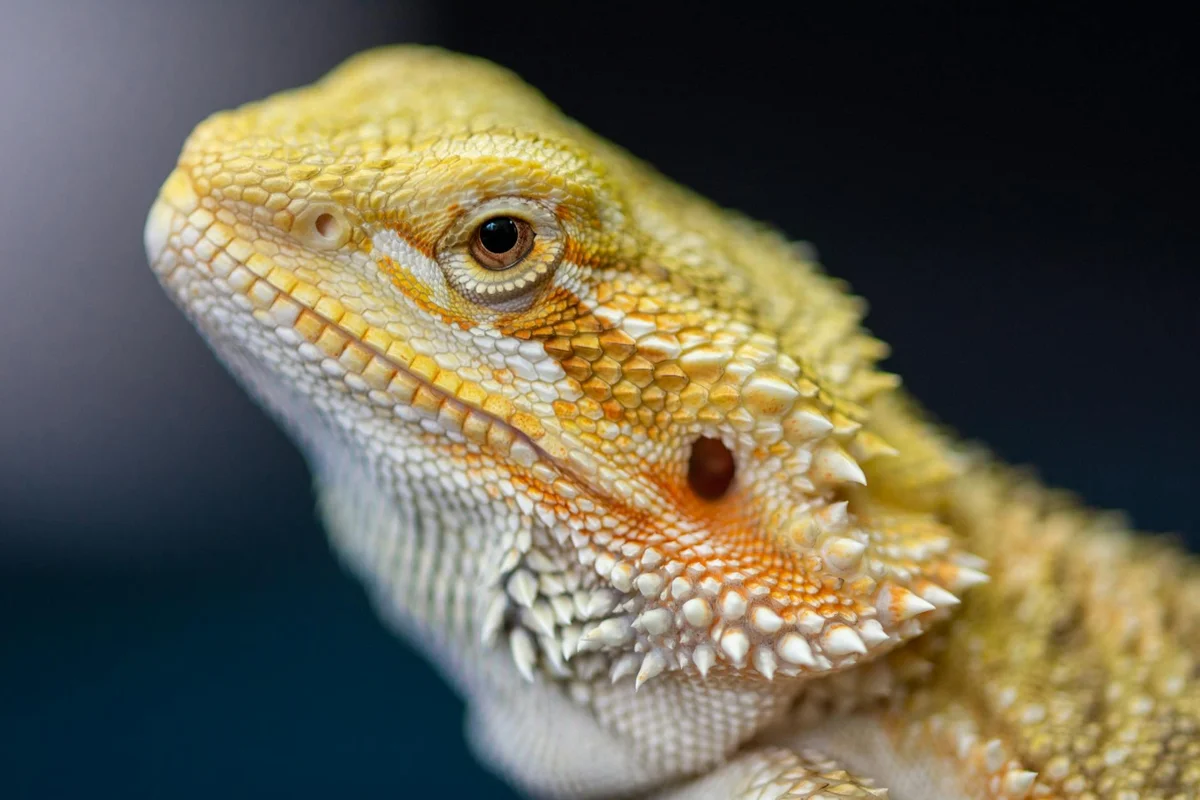
This is one of the biggest, and often invisible, dangers of mixing species. I’ve learned through my own vet visits that reptiles can be asymptomatic carriers of pathogens deadly to other species.
- Coccidia and Pinworms: These common parasites in one reptile can quickly overwhelm the immune system of another.
- Adenovirus: Bearded dragons can carry this virus with no symptoms, but it is often fatal to tortoises.
- Ranavirus: This is a nasty, multi-species virus that can wipe out an entire collection.
- Cross-species bacterial infections: Harmless bacteria on a tortoise’s skin or shell can make a bearded dragon critically ill.
You simply cannot see these microscopic threats, making a shared enclosure a constant game of Russian roulette with your pets’ health.
Stress and Aggression Indicators
Even without direct fighting, the mere presence of another species creates a low-grade, chronic stress that erodes health. Their body language screams what they cannot say.
- Constant Hiding: A pet that spends all its time tucked away is not exploring or basking properly.
- Food Competition: The faster, more agile beardie will often out-compete a tortoise for the best greens.
- Territorial Displays: A bearded dragon may blacken its beard and head-bob constantly, while a tortoise may relentlessly ram or chase.
- Interrupted Basking: If one animal is always displacing the other from the prime heat spot, neither is thermoregulating correctly.
This isn’t a personality clash; it’s a fundamental incompatibility rooted in millions of years of separate evolution. I’ve seen the most docile bearded dragon become a nervous wreck just from sharing a room with a roaming tortoise. Look for stress signals in your bearded dragon. Recognizing them helps you take steps to reduce their anxiety.
Recognizing Signs of Trouble in a Mixed Enclosure
Behavioral Changes in Bearded Dragons
Your beardie will tell you it’s unhappy, but you have to know how to listen. These changes can be subtle at first. Bearded dragons can show signs of sadness or boredom. Recognizing these signs helps you respond with enrichment and care.
- Loss of Appetite: A sudden disinterest in food, especially favorite insects, is a major red flag.
- Lethargy and Weakness: They may stop climbing and spend all day lying flat and unmoving.
- Glass Surfing: Frantic scratching at the glass is a clear sign of stress and a desire to escape the environment.
- Stress Marks: Those dark, oval patterns on their belly and chin should fade after acclimation. If they’re permanent, your dragon is perpetually stressed.
- Hiding All Day: Bearded dragons are diurnal and should be out basking. If they’re constantly buried or in a hide, something is wrong.
Any one of these signs warrants immediate action, starting with separating the animals into their own dedicated spaces.
Warning Signs in Tortoises and Turtles
While less animated, tortoises and turtles are equally vulnerable. Their distress signals are often quieter but just as serious.
- Staying Retracted: A healthy tortoise should feel secure enough to have its head and limbs out regularly. If it’s always pulled in, it’s scared.
- Refusing to Eat: Like beardies, a sudden stop in eating is a critical symptom of stress or illness.
- Excessive Hiding/Burrowing: While some burrowing is natural, doing it to the exclusion of all other activities is not.
- Shell Damage: Look for fresh nicks, scrapes, or bites on the shell from being rammed or harassed.
- Lethargy and Lack of Exploration: A happy tortoise is a slow-but-curious wanderer. A stressed one won’t move at all.
These animals are experts at masking illness until it’s too late. By the time a tortoise shows obvious signs, it may already be critically ill from the stress of a shared home.
Safe Alternatives to Cohabitation
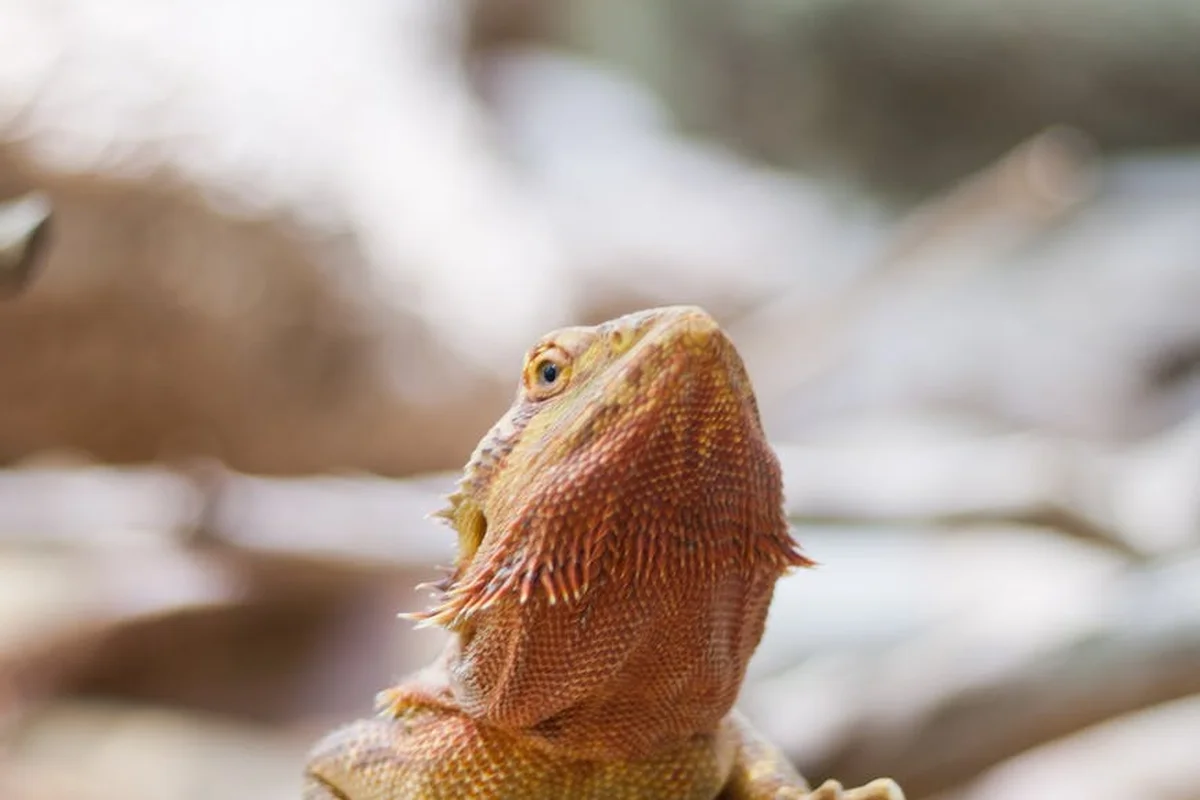
Since sharing a home is off the table, what can you do? I’ve found great joy in creating separate, species-specific worlds for my pets. This approach lets you appreciate the unique needs and behaviors of each animal without the constant, low-grade stress of managing a risky situation.
Setting Up Separate Enclosures
Your goal is to replicate each animal’s ideal environment as closely as possible. This isn’t just about space; it’s about crafting a habitat.
- Dedicate Separate Rooms if Possible: I keep my beardies’ enclosure in a warm, active part of the house and my tortoise’s table in a slightly quieter room. This helps manage temperature and humidity differences and reduces stress from cross-species visibility.
- Tailor the Climate Precisely: Your bearded dragon needs a high-temperature basking spot and intense UVB. Your tortoise likely needs a slightly cooler, more humid environment. Separate enclosures mean you can hit those targets perfectly for each.
- Design for Natural Behaviors: A tortoise table allows for digging and roaming. A bearded dragon tank has sturdy branches for climbing and rough rocks for basking. You get to be a habitat architect for two different, amazing creatures.
Guidelines for Supervised Interaction
Sometimes, you just want your pets to have a moment together under your watchful eye. It can be done, but the rules are strict.
- Choose a Neutral Zone: Never use one animal’s enclosure. Pick a clean, open floor space that belongs to neither.
- Keep it Short and Sweet: These are not playdates. Five to ten minutes is plenty. Watch for any signs of stress, like puffing beards, hissing, or one animal trying to get away.
- Your Hands are the Barrier: Always be within arm’s reach, ready to gently separate them. I never allow direct physical contact. A curious sniff from a distance is the most interaction I permit.
- Wash Your Hands: Always wash and sanitize your hands between handling each animal to prevent any potential cross-contamination.
The moment you see any sign of tension or fear, the interaction is over. It’s simply not worth the risk. For me, these brief sessions are less about them “being friends” and more about me enjoying the company of both my pets at the same time, safely.
Seeking Professional Veterinary Advice
When you’re navigating complex pet care questions, your best resource is a professional who has dedicated their life to animal health.
I make it a point to build a relationship with a reptile-specialized veterinarian. A good exotics vet doesn’t just treat sickness; they provide a wealth of preventative care and species-specific knowledge. They have seen the consequences of improper cohabitation firsthand.
- Be Direct with Your Questions: Don’t be shy. Ask them plainly, “From a health and behavioral standpoint, what are the risks of housing my bearded dragon with my tortoise?” Listen carefully to their answer.
- Discuss Zoonotic Concerns: Your vet can explain the specific parasites, like pinworms or coccidia, that can easily pass between species and cause serious health issues. This invisible threat is often the most convincing argument for separation.
- Get a Professional Baseline: If you already attempted cohabitation, a vet visit for both animals is crucial. They can perform fecal exams to check for parasites and give each pet a full health check-up.
Your vet is your partner in providing a long, healthy life for your pets. Their expert opinion carries the weight of education and experience, giving you the confidence to make the safest choices for your scaly family members.
Frequently Asked Questions
Can bearded dragons cohabitate with turtles, given that both are reptiles?
No, turtles present even greater risks due to their aquatic habitat needs and potential for snapping, which can lead to injury or stress for both animals in a shared enclosure.
Are there any reptile species that can safely live with bearded dragons?
Bearded dragons are solitary and territorial, so it is not advisable to house them with any other reptile species, as this can cause chronic stress, aggression, or health issues for all involved. When considering more than one bearded dragon living under the same roof, cohabitation risks with bearded dragons are real: even seemingly compatible individuals can fight, injure each other, or suffer from chronic stress. If kept together, it requires a very large, meticulously managed setup and ongoing close supervision, but many keepers still find separate housing safer.
What should I do if I accidentally introduced my bearded dragon to a tortoise or turtle?
Separate them immediately into individual enclosures and schedule a check-up with a reptile-savvy veterinarian to assess for any signs of stress, injury, or parasite transmission from the brief interaction. This is especially important when dealing with bearded dragons.
The Final Verdict
After years of caring for both species in my own home, my answer is a firm and caring no. Bearded dragons and tortoises should never share an enclosure. Their needs are simply too different, and forcing them to coexist creates a stressful and unhealthy environment for both animals. Similarly, bearded dragons and leopard geckos should not live together in the same enclosure, as their temperature, humidity, and dietary needs differ significantly and can lead to harm or stress.
Stick to housing your bearded dragon with its own kind, or better yet, as a solo pet. Providing a dedicated, species-appropriate habitat is the single most important thing you can do for your reptile’s long-term health and happiness. It’s always better to be safe and give each amazing animal the specialized home it truly deserves. If you’re curious about safe tank mates, our live bearded dragon guide covers which species can share a tank and which to avoid. It also explains cohabitation best practices and when solo housing remains the safer option.
Further Reading & Sources
- tortoises and bearded dragons living together | Reptile Forums
- Can You Have a Bearded Lizard With Other Pets? | Pets on Mom.com
- Housing Bearded Dragons And Tortoises Together: What You Need To Know – BioBubblePets
Bearded Dragon Lair is the ultimate resource for bearded dragon enthusiasts, offering expert advice and practical tips to ensure the health and happiness of your scaly companion. With years of experience in reptile care, we are dedicated to providing accurate, up-to-date information to support your bearded dragon journey.
Tank Size and Type