
Bearded Dragon Enrichment Ideas: How to Prevent Boredom
Published on: January 1, 2026 | Last Updated: January 1, 2026
Written By: Beardie Joe
Have you ever watched your bearded dragon stare blankly at the glass or repeat the same path over and over? That restless behavior is a clear cry for more stimulation.
From my own home filled with several happy dragons, I’ve learned that a little creativity goes a long way in preventing boredom and ensuring their well-being.
This article will guide you through simple, effective enrichment strategies, including new toys, habitat tweaks, and interactive feeding games, to keep your scaly friend engaged and thriving.
Spotting the Signs: Is Your Bearded Dragon Bored or Stressed?
Your bearded dragon can’t tell you they’re bored, but their behavior speaks volumes. Learning to read these subtle cues is your first step toward a happier, more engaged pet. I’ve noticed these signs pop up in my own dragons during periods when their routine got a little too predictable. Bearded dragons can show signs of sadness or boredom too—look for less activity, decreased appetite, or withdrawal from their usual spots. Recognizing these cues helps you adjust enrichment and routine before stress grows.
Common Signs of Boredom and Stress
- Glass Surfing: Frantically scratching or pacing at the tank walls. This often means they’re frustrated and seeking a way out of their unstimulating environment.
- Lethargy: A dragon that just sits in one spot all day, barely moving. While they do bask, a total lack of activity can signal a lack of interest in their surroundings.
- Loss of Appetite: A sudden disinterest in food, especially their favorite bugs, can be a red flag. I always check for boredom after ruling out illness.
- Hiding Constantly: While hiding is normal, doing it all day, every day, suggests they find their open habitat stressful or simply uninteresting.
- Pacing the Same Path: Repetitively walking the exact same route is a classic stereotypic behavior, a clear sign of boredom in captivity.
- Darker Coloration: A beardie that frequently turns dark, especially when not basking or threatened, may be communicating general stress or dissatisfaction.
Transforming the Habitat: Your Dragon’s Enriching Home Base
The tank is where your bearded dragon spends most of their life, so it should be more than just a box with lights. Think of yourself as an interior designer for a very scaly, very particular client. A well-structured habitat encourages natural behaviors like climbing, digging, and exploring, which is the ultimate cure for boredom. In this bearded dragon tank setup guide, we’ll cover essential equipment, decor ideas, and safety tips to keep your dragon thriving. Getting these details right will help ensure a healthy, active life for your pet.
Climbing Structures are Non-Negotiable
- Use sturdy branches of varying thicknesses (like manzanita or oak) to create a multi-level landscape.
- Add reptile hammocks; my dragons absolutely love them for basking and lounging up high.
- Secure slate tiles or flat rocks to create ledges and platforms. The textured surface also helps file down their nails.
Create Engaging Hiding Spots
Don’t just offer one hide. Provide options.
- A humid hide on the cool side with moist sphagnum moss.
- A warm, dry hide tucked near the basking area.
- A half-log they can crawl through, not just under.
Multiple hides give your dragon a sense of security and control over their environment, which drastically reduces stress.
Introduce a Dig Box
Many bearded dragons, especially females, have a strong instinct to dig.
- Use a shallow, sturdy container filled with organic topsoil (no fertilizers or perlite) or children’s playsand.
- Make sure the substrate is deep enough for them to burrow into comfortably.
- I often hide a few feeder insects in my dragon’s dig box to encourage natural foraging behavior.
Rotate and Rearrange
A static tank is a boring tank. Every few weeks, I do a “mini-makeover” of their enclosures. I move branches to new positions, introduce a new textured rock, or change the orientation of a hide. When they go back in, they spend hours re-exploring their “new” territory. It’s a simple trick with a huge payoff.
Foraging & Feeding Fun: Turning Meals into Mental Games
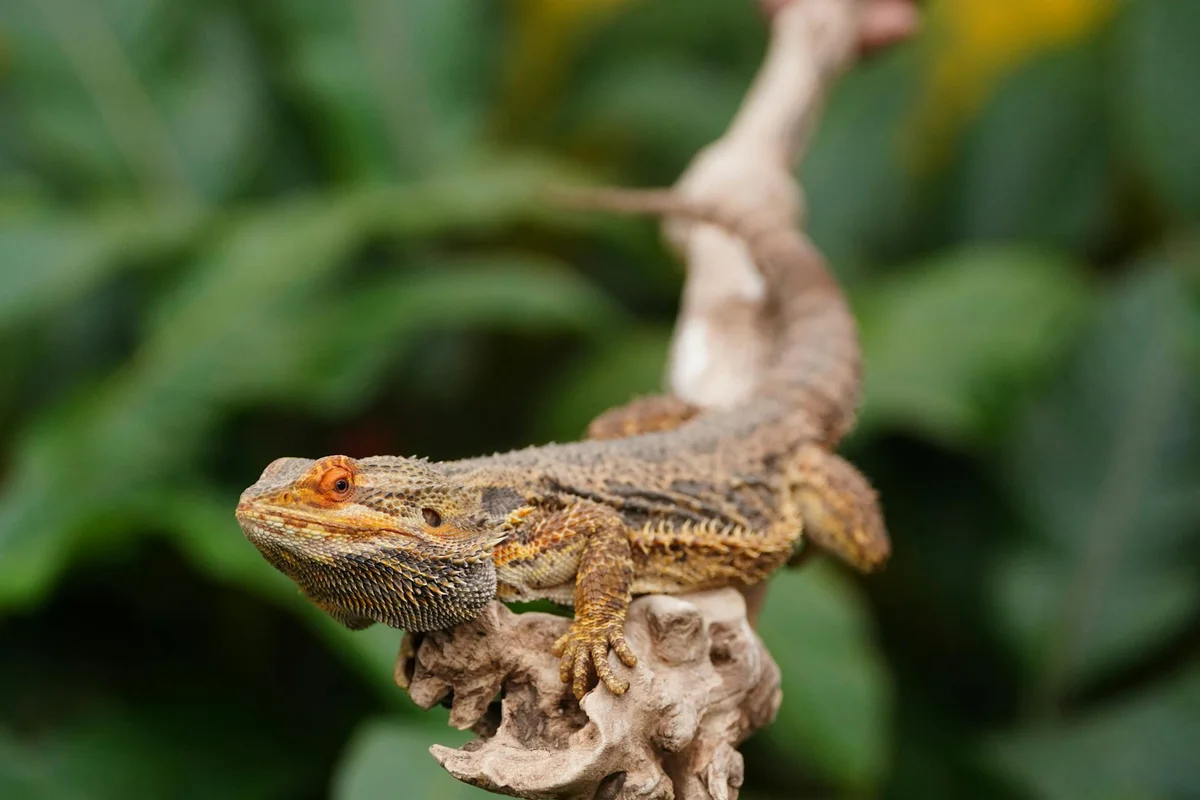
I used to just drop a bowl of greens in my dragon’s enclosure and call it a day. It was efficient, but it was boring-for both of us. Turning feeding time into a foraging adventure taps directly into their natural instincts to hunt and search for food. It’s one of the simplest changes with the biggest impact on their mental well-being.
Scatter Feeding for Greens
Instead of one clump of food, try this. Take their daily salad and scatter the leaves, flowers, and veggies across the floor of their enclosure. I’ll hide pieces under a clean rock or tuck them into the branches of a fake plant. This encourages them to move, explore, and use their senses to find every last piece. It turns a two-minute meal into a twenty-minute activity.
The Muffin Tin Bug Hunt
This is my go-to game for live feeders. You just need a muffin tin and some bottle caps or balled-up paper towels.
- Place a few feeder insects in some of the muffin tin cups.
- Cover every single cup with a bottle cap or paper ball.
- Watch as your dragon investigates, knocks the covers off, and discovers their wiggly prizes.
This game provides a fantastic mental workout as they problem-solve how to get to the food. It’s pure joy to watch them figure it out.
Puzzle Feeder DIY
You can make a simple puzzle feeder with a small, clean cardboard box or toilet paper roll.
- Poke a few holes in a small box, large enough for bugs to crawl out slowly.
- Place the insects inside and close the box loosely.
- Your dragon will bat it around, hearing and seeing the bugs, and work to tear it open.
Always supervise this activity to ensure they don’t actually eat the cardboard. The goal is the challenge, not consuming the packaging.
Playtime & Interaction: Engaging Toys and Activities
Bearded dragons can be surprisingly playful. They won’t fetch like a dog, but they do enjoy novel objects and one-on-one interaction. Providing a small “play bin” outside their main enclosure is a great way to introduce new, safe toys for supervised exploration. I have a specific plastic tub I use just for this. While they don’t get entertained by TV like humans do, they do have their own ways of enjoying stimuli, different from watching screens.
Safe Toy Ideas
Not all pet toys are suitable, but many common household items are perfect.
- Small, lightweight balls: Cat toy balls with bells or crinkle balls are a hit. They’ll often nudge them with their nose.
- Stuffed animals: A very small, soft stuffed toy can become a climbing obstacle or something to cuddle with. Ensure it has no plastic eyes or parts they could swallow.
- Tunnels: Ferret or cat tunnels made of fabric are excellent for climbing through and hiding in.
The key is to rotate these toys every few days to keep things fresh and interesting for them. A “new” toy every week prevents habituation.
Interactive Play and Training
Yes, you can train your bearded dragon! It builds a strong bond and provides mental stimulation.
- Target Training: Use a bright, stick-like target (a chopstick with a colored tip works). When they touch their nose to the tip, give them a bug reward. You can eventually use this to guide them to climb onto your hand or go through a tunnel.
- Obstacle Course: Create a simple course using stacks of books, ramps, and tunnels. Use the target stick or a food lure to guide them through it.
Keep training sessions short—just five minutes is plenty. Always end on a positive note with a tasty treat. If you’re looking for more play ideas, check out bearded dragon toy ideas and activities. Safe puzzles and climbing toys can add extra enrichment to their day.
Supervised Exploration
Sometimes the best play is just safe, supervised free-roaming in a dragon-proofed room. I let one of my dragons, Pippin, crawl around on the rug while I watch him. He loves investigating the different textures and climbing over my legs. This kind of environmental change is incredibly enriching and gives them new sights and smells to process. Just be absolutely certain there are no small spaces to get stuck in or electrical cords to chew on. Some owners extend this idea to outdoor sessions using a simple, safe house-to-outdoor guide. If you try outdoor roaming, always supervise and choose a secure, escape-proof space with shade and fresh water.
A quick but vital note: I never recommend using laser pointers with reptiles. Unlike dogs or cats, they can become intensely frustrated by an “un-catchable” prey item, which leads to stress, not fun.
Do-It-Yourself Dragon Enrichment: Simple & Safe Projects
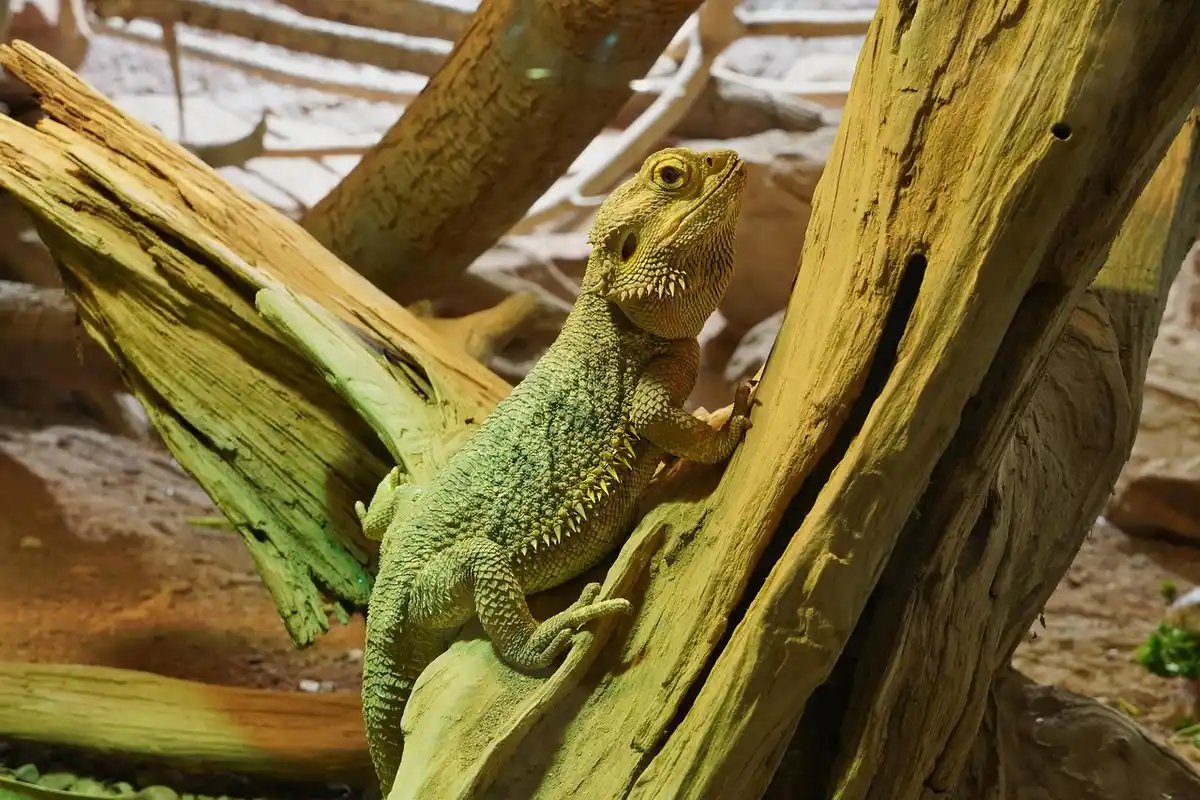
You don’t need a big budget to keep your dragon’s mind active. Some of the best enrichment comes from simple items you already have at home. I’ve found that a little creativity often leads to my beardies’ favorite activities. If you’re wondering whether bearded dragons need a Thrive Complete Care Checklist, the answer is yes. Enrichment like this is exactly what such a checklist emphasizes, helping you weave mental stimulation into daily care.
Create a Dig Box
Many bearded dragons, especially females, have a natural instinct to dig. A dedicated dig box satisfies this urge perfectly and prevents them from trying to excavate their main enclosure. Understanding why your bearded dragon digs can help you cater to their needs more effectively.
- Container: Use a shallow, sturdy plastic bin that’s easy for your dragon to climb in and out of.
- Substrate: Fill it with a safe, diggable material. I personally use organic topsoil with no additives or fertilizers. Flaxseed or millet are also great, safe options.
- Engagement: Bury a few of their favorite feeder insects or a piece of squash for them to “hunt” and discover.
Build a DIY Obstacle Course
This is a fantastic way to encourage natural climbing and problem-solving behaviors during supervised out-of-tank time.
- Materials: Use stacks of books, cardboard tubes, clean rocks of various sizes, and low, sturdy branches.
- Setup: Create a path with different textures and levels to navigate.
- The Goal: Place a tasty treat, like a berry, at the end of the course to motivate them. Always supervise your dragon closely during this activity to prevent any falls or escapes.
Craft a Foraging Toy
Make mealtime more engaging by turning it into a puzzle. This slows down their eating and provides mental stimulation.
- The Ball Pit Method: Take a shallow dish and fill it with plastic ball pit balls (too large to be swallowed). Hide some feeder insects or greens amongst the balls.
- The Muffin Tin Game: Place a salad leaf or a single worm in a few cups of a clean muffin tin. Cover all the cups with a ping pong ball. They’ll have to move the balls to find their food.
My dragon, Spike, will spend a good ten minutes carefully nosing through the balls to find every last cricket.
Crafting the Perfect Routine: An Enrichment Schedule That Works

Consistency is comforting for reptiles, but variety is the spice of life. The key is to build a flexible routine that incorporates different types of enrichment without causing stress.
Sample Weekly Enrichment Schedule
This is a template I use for my own dragons. Feel free to adjust it based on your pet’s personality and energy levels. Wondering, “Do I make my bearded dragon happy?” Look for signs that your dragon is content. Here are 10 signs of a happy, content bearded dragon you can watch for.
| Day | Morning / Feeding Time | Afternoon / Out-of-Tank Time |
|---|---|---|
| Monday | Scatter greens in enclosure to encourage natural foraging. | 15 mins of supervised exploration on the floor (ensure the room is dragon-proofed!). |
| Tuesday | Use the muffin tin foraging game with their insects. | Introduce a new, safe item to investigate (e.g., a new rock or piece of wood). |
| Wednesday | Normal feeding in a dish. | Access to the dig box for 20-30 minutes. |
| Thursday | Feed insects using feeding tongs to stimulate hunting. | Short session in a warm, shallow bath for hydration and a different sensory experience. |
| Friday | Place insects in a feeder ball that moves when nudged. | Build a small obstacle course for them to navigate. |
| Saturday | Normal feeding. | Longer “free-roam” time (45-60 mins) with lots of climbing opportunities. |
| Sunday | A “salad-only” day to mimic natural fasting periods. | A calm day; perhaps just sitting with you on the couch for bonding. |
Reading Your Dragon’s Mood
Not every dragon will want to participate every day. It’s vital to respect their boundaries for their welfare.
- Signs of Engagement: Active hunting, curious head tilts, bright coloring, and deliberate movement towards a new item.
- Signs of Stress: Dark beard (especially black), frantic glass surfing, hissing, or trying to hide. If you see these signs, immediately stop the activity and give your dragon peace and quiet.
The goal is to offer choices, not force interaction. Some days, the best enrichment is simply leaving them alone to bask and digest in peace.
Frequently Asked Questions
What are the core enrichment needs for a bearded dragon?
Bearded dragons require mental and physical stimulation to engage their natural instincts, such as hunting, climbing, and exploring, which helps prevent stress and promotes a healthy, active lifestyle. If you find that your pet isn’t as active as they should be, there are several steps you can take to encourage more activity.
Can I use videos to enrich my bearded dragon’s environment?
While some owners play calm nature videos for visual interest, it’s generally more effective to prioritize hands-on activities, as videos may not provide the interactive engagement that physical toys and exploration offer.
How can I use an enrichment ball with my bearded dragon?
An enrichment ball, like a feeder ball, can be filled with live insects that your dragon must nudge and roll to release, turning mealtime into a fun, movement-based puzzle that encourages natural foraging behavior.
Your Happier, Healthier Dragon Awaits
Keeping your bearded dragon engaged boils down to two simple things: variety and interaction. Rotating their toys, changing up their food presentation, and redesigning their enclosure layout are the cornerstones of a truly enriched life. It prevents the monotony that leads to stress and boredom-related behaviors. If you’re following the bearded dragon complete beginners guide, these basics are exactly what you start with. Build a simple, consistent enrichment routine from day one to support healthy exploration and feeding habits.
From my own experience, watching my dragons investigate a new dig box or master a simple puzzle is incredibly rewarding. The small amount of effort you put into enrichment pays back tenfold in the form of a vibrant, active, and content pet. Start with one new idea today and see the difference it makes.
Further Reading & Sources
- Providing Enrichment for Bearded Dragons | Zen Habitats
- How to Play with a Bearded Dragon: Activities & Enrichment Ideas – Dragon’s Diet
- Bearded Dragon Enrichment | Chewy
Bearded Dragon Lair is the ultimate resource for bearded dragon enthusiasts, offering expert advice and practical tips to ensure the health and happiness of your scaly companion. With years of experience in reptile care, we are dedicated to providing accurate, up-to-date information to support your bearded dragon journey.
Decoration and Enrichment