Are Bearded Dragons Related to Dinosaurs? And What Are Their Closest Relatives?
Published on: October 6, 2026 | Last Updated: October 6, 2026
Written By: Beardie Joe
Have you ever watched your bearded dragon strut across its terrarium and felt like you were looking at a miniature dinosaur?
I’ve raised several bearded dragons over the years, and my own curiosity led me to research their fascinating family tree to give you a clear, science-backed answer.
We’ll dive into the surprising evolutionary connection, identify their modern-day cousins, and explore what this means for you as a pet owner.
The Simple Answer: A Shared Ancient Past
So, are bearded dragons directly descended from the T-Rex you see in movies? No, not exactly. But the connection is still incredibly cool. Both bearded dragons and dinosaurs share a very, very distant common ancestor. Think of them as extremely distant cousins who come from the same ancient, massive family of reptiles that ruled the planet millions of years ago.
I like to picture it like a huge, old tree. Dinosaurs and modern reptiles like our beardies are different branches that split off from the same main trunk a long, long time ago. That shared trunk is a group called the Archosaurs. From my own observations, seeing my bearded dragon, Smaug, bask under his lamp with such prehistoric grandeur, it’s easy to feel that ancient connection.
The branch that led to true dinosaurs eventually produced birds, which are technically dinosaurs themselves. Our beloved bearded dragons come from a different, successful branch that led to modern lizards and snakes. They carry that ancient legacy in their scales, their claws, and their magnificent, stoic demeanor. You can explore the varieties of these modern relatives and their unique features in our species and morph identification guide.
Untangling the Reptile Family Tree: Where Bearded Dragons Fit
To really understand your dragon’s place in the world, we need to look at their immediate family. Bearded dragons belong to the class Reptilia, which is a big group that includes everyone from alligators to turtles. Understanding what type of reptiles they are can help you care for them better.
We can narrow it down further:
- Order: Squamata (This includes all lizards and snakes)
- Suborder: Lacertilia (This is the lizard group specifically)
- Family: Agamidae (This is their direct family!)
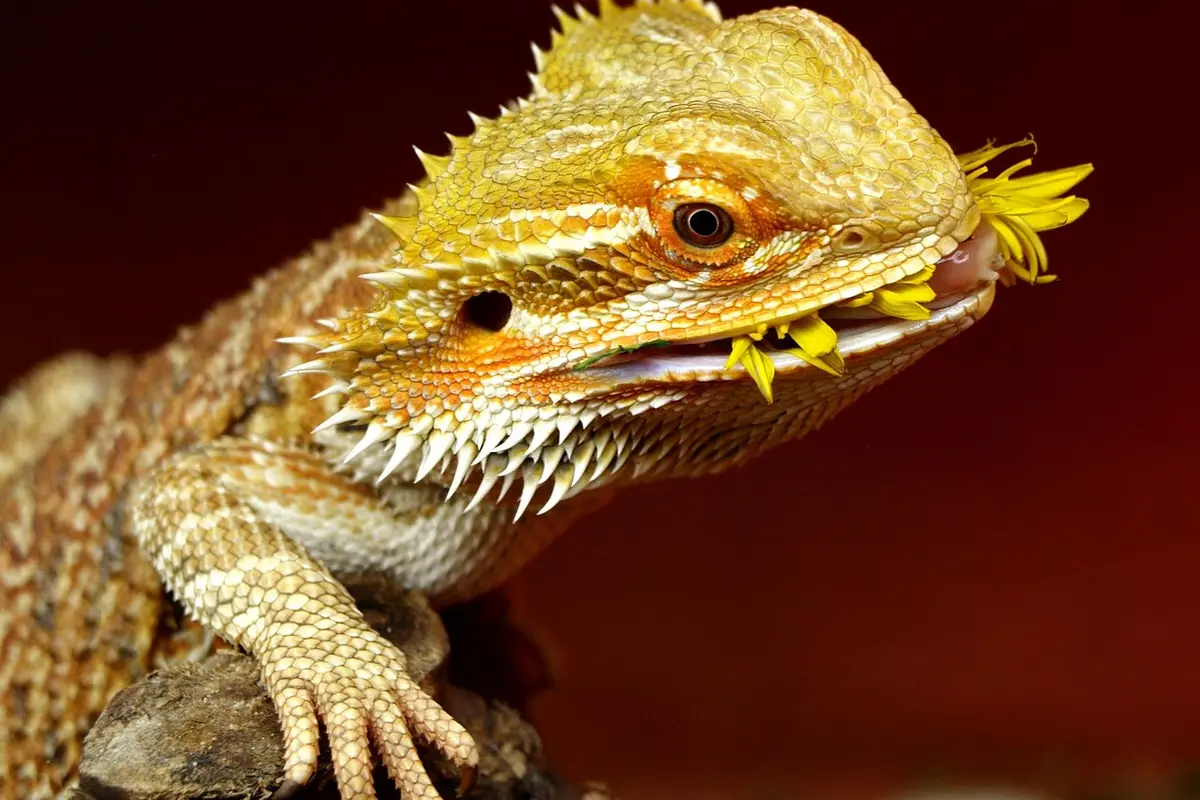
Agamids are often called “dragons” for a reason. They are a distinct and wonderful group of lizards. When you look at your beardie, you are looking at a classic, highly evolved member of the Agamid family. They split from other lizard families like Iguanas and Geckos tens of millions of years ago, going down their own unique evolutionary path in Australia. Learn more about bearded dragons and their fascinating traits here.
Bearded Dragons and Their Closest Living Cousins
If you want to meet your beardie’s closest relatives, look at other Agamids. These lizards share a common body plan and many behavioral traits that will look familiar to you.
Their closest cousins include:
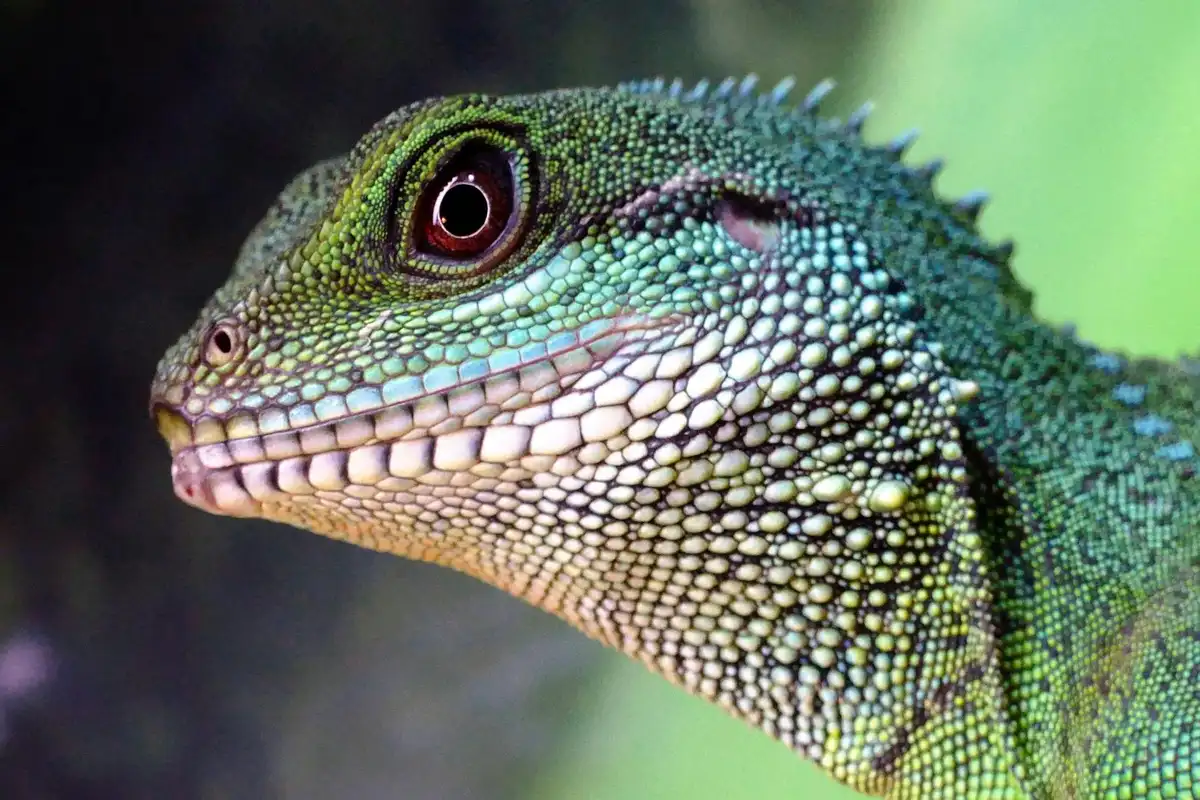
- Water Dragons: You can see the family resemblance in their head shape and alert posture.
- Uromastyx (Spiny-tailed Lizards): These are like the desert-dwelling cousins, also loving hot, dry climates.
- Frilled Dragons: Instead of a puffy beard, they have an incredible large frill around their neck for display.
- Rankin’s Dragons: These are often confused with beardies! They are a separate species but look and act very similarly, just staying a bit smaller.
What ties all these Agamids together? They are typically diurnal, intelligent, and use sophisticated body language to communicate, just like your pet does with its arm waves and head bobs. Caring for my own dragons has given me a deep appreciation for this entire family of lizards and their unique, ancient place in our world.
Birds Are Dinosaurs: So What Does That Make My Beardie?
It’s a fact that still blows my mind: modern birds are the direct, living descendants of theropod dinosaurs. When you watch a chicken scratch at the ground, you are quite literally watching a small dinosaur in action. This isn’t just a fun analogy; it’s established science based on fossil evidence and genetic studies.
The Evolutionary Split: A Journey Back to the Triassic
So, if birds are dinosaurs, where does that leave our beloved bearded dragons? To find that connection, we have to travel back over 250 million years to the Triassic period. This is when the major split occurred.
Both bearded dragons and dinosaurs share a common ancestor from a group called Archosaurs, which means “ruling reptiles.” Think of Archosaurs as a very old, very large family tree. One major branch of this tree eventually led to dinosaurs, and later, to birds. Speaking of names, have you ever wondered why they’re called bearded dragons? They earn the name from the beard-like throat pouch they puff out when threatened or excited.
Another branch led to a group called the Lepidosauromorphs. This is the branch that your beardie calls home. This evolutionary divergence happened a very, very long time before the first true dinosaur even walked the Earth. Your dragon’s lineage went down one path, and the dinosaurs went down another.
I like to picture it like this:
- The Dinosaur/Bird Line: Archosaur → Dinosaurs → Birds.
- The Bearded Dragon Line: Archosaur → Lepidosauromorphs → Lizards (like your beardie) and Snakes.
They are distant cousins, not siblings. They come from the same ancient “grandparent,” but their families have been separate for hundreds of millions of years.
Spotting the Dinosaur-Like Traits in Your Pet
Even though they aren’t direct descendants, it’s no accident that your beardie looks like a miniature prehistoric creature. Many of the traits we associate with dinosaurs are actually just classic, successful reptile features. When you observe your pet, you can see echoes of that ancient world.
- The Stance and Walk: Watch your dragon walk across the floor. See how their legs sprawl out to the sides? That wide, sturdy posture is a very ancient reptilian gait.
- Scaly Skin: Their beautiful, patterned scales are a signature trait of reptiles, a waterproof and protective armor that has served them well for eons.
- Clawed Feet: Those sharp little claws are perfect for climbing rocks and digging-essential survival tools for any creature, prehistoric or modern.
- Predatory Behaviors: The way they visually track a moving cricket before striking with lightning speed is a pure, primal hunting instinct.
I’ve spent countless hours watching my own dragons bask, and there’s a certain primordial dignity to them. You are caring for a creature whose basic body plan has been successful for a staggering length of time.
Why Your Beardie Looks So Different from a T-Rex
If they share a common ancestor, why doesn’t your Pogona vitticeps look more like a T-Rex? The answer is evolution at work. Different environments and survival pressures created vastly different animals.
Dinosaurs, particularly the theropods that led to birds, developed an upright, bipedal stance with legs directly under their bodies. This was great for efficient running and active hunting. Your bearded dragon’s ancestors perfected a different strategy. Their sprawling posture keeps them low to the ground, excellent for hiding, basking, and short bursts of speed to escape predators. Bearded dragons are mostly prey, but they do defend themselves when threatened. They rely on camouflage and a dramatic beard display, followed by quick escapes to deter predators.
Their size is another major difference. The evolutionary path to giant sauropods or T-Rex involved traits that supported massive weight. Beardies evolved to be smaller, more agile, and better suited to the harsh, arid landscapes of Australia where resources can be scarce.
Why This Evolutionary Story Matters for Pet Owners
Knowing your pet’s deep history isn’t just a cool trivia fact. It fundamentally shapes how you understand their needs and behaviors in your home. Their instincts are ancient and powerful.
That digging instinct you see? That’s a behavior honed over millennia to create burrows for safety and temperature control. Their need for a precise temperature gradient under their heat lamp? They are ectotherms, relying on external heat sources just like their ancestors did from the sun-baked earth. Their body hasn’t forgotten what it needs, even in the comfort of your living room.
When I set up a new enclosure, I think about replicating a slice of that ancient world. I provide rocks for basking, hides for security, and substrate for digging. I’m not just decorating a tank; I’m honoring the deep-seated needs of a timeless creature. Understanding their evolutionary background is the first step toward truly compassionate and responsible reptile care.
Frequently Asked Questions
Why do bearded dragons look so much like dinosaurs if they aren’t direct descendants?
Bearded dragons possess many classic reptilian traits—such as scaly skin, clawed feet, and a sprawling gait—that were also common in ancient reptiles and dinosaurs. This is due to convergent evolution and shared ancestry, giving them a prehistoric appearance without a direct lineage to giant dinosaurs like T-Rex. Bearded dragons are native to Australia, where their evolution unfolded in arid, rocky habitats. Exploring their Australian origins helps reveal how isolation and climate shaped their development.
How intelligent are bearded dragons compared to their reptile relatives?
Bearded dragons are considered quite intelligent among reptiles, capable of learning routines, recognizing their owners, and using complex body language to communicate. This cognitive ability is a hallmark of the Agamidae family, which also includes observant and interactive relatives like Water Dragons and Frilled Dragons. These observations invite us to unpack bearded dragons’ intelligence by exploring their intelligence and cognitive abilities. Researchers study problem-solving, memory, and recognition to better understand their minds.
What is the typical lifespan of a bearded dragon in captivity?
With proper care, a bearded dragon typically lives between 8 to 12 years. Their longevity is a testament to their robust physiology, which has been successfully refined through millions of years of evolution to thrive in harsh environments. In captivity, with proper care, many bearded dragons live toward the upper end of that range. To learn more about the bearded dragon lifespan in captivity, focus on providing optimal lighting and temperature, a balanced diet, and regular veterinary checkups.
Final Thoughts
So, are bearded dragons related to dinosaurs? The answer is a fascinating “yes,” but they are more like very, very distant cousins than direct descendants. Your scaly friend shares a deep-time common ancestor with those ancient giants, which explains their prehistoric look and some of their fascinating behaviors. If you’re considering one as a pet, it’s worth noting they’re often treated as exotic pets with specific care needs. A complete ownership guide can help you navigate care, housing, and legal considerations.
In the here and now, their closest living relatives are other Australian agamid lizards. What truly matters is appreciating your beardie for the incredible modern reptile they are-a unique companion with a lineage that makes every head bob and arm wave a little piece of living history. Unlike many other reptiles, they thrive on social interaction and can form bonds with their human caretakers, which is why spending time with them is so important.
Further Reading & Sources
- r/BeardedDragons on Reddit: Teaching him about his ancestors 🦖
- Pogona – Wikipedia
- A Dinosaur In Your Home? Unearthing The Ancestry Of Living Reptiles | Practical Reptile Keeping – Lifestyle – Read this story on Magzter.com
Bearded Dragon Lair is the ultimate resource for bearded dragon enthusiasts, offering expert advice and practical tips to ensure the health and happiness of your scaly companion. With years of experience in reptile care, we are dedicated to providing accurate, up-to-date information to support your bearded dragon journey.
Wild vs. Domesticated