Do Bearded Dragons Need to Go to the Vet? A Guide to Checkups and Emergencies
If you’re wondering whether your bearded dragon needs regular vet visits, you’re not alone-it’s a question I asked myself with my first dragon.
With years of hands-on experience caring for my own bearded dragons, I’m here to break down the facts and share what truly works for their wellbeing.
This guide will walk you through setting up routine health checks, identifying true emergencies, and preparing for a successful vet visit.
Why Regular Veterinary Care is Non-Negotiable for Bearded Dragons
I learned this the hard way with my first beardie, Ember. They are masters at hiding illness. In the wild, showing weakness makes them a target, so they are programmed to act healthy until they simply can’t anymore. A yearly checkup is your single best tool for catching problems you would never see on your own.
Think of it as a full-system diagnostic. Your vet will check things you can’t, like their bone density and internal health. I’ve seen too many owners online trying to fix advanced metabolic bone disease, a completely preventable condition, because they skipped vet visits.
- Prevents common but devastating illnesses like Metabolic Bone Disease (MBD).
- Catches internal parasites before they cause weight loss and lethargy.
- Ensures your husbandry-lighting, heat, diet-is correct for your specific dragon.
- Establishes a “baseline” of health for your pet, making it easier to spot future issues.
- Provides peace of mind that you are giving your scaly friend the best life possible.
Recognizing the Red Flags: Signs Your Bearded Dragon Needs a Vet Now
Trust your gut. You know your dragon’s normal routines and personality better than anyone. If something feels off, it probably is. Healthy bearded dragons typically show steady energy, normal appetite, and clear eyes. If you notice lethargy, a drop in appetite, abnormal shedding, or labored breathing, those could be signs of illness and warrant a vet visit. When in doubt, a vet visit is always the right choice for the welfare of your animal.
Behavioral Changes That Signal Trouble
A sudden shift in behavior is one of the loudest cries for help. A dragon that is always hiding, or one that suddenly becomes aggressive, is trying to tell you something.
- Lethargy or a dramatic lack of movement.
- Hiding constantly and refusing to bask.
- Sudden aggression or frequent black-bearding for no apparent reason.
- Glass surfing for prolonged periods, which can indicate stress or discomfort.
- Consistently refusing food for more than a few days (juveniles need even quicker attention).
Physical Symptoms You Should Never Ignore
These are the visible signs that an underlying problem has become a full-blown emergency. Don’t wait to see if it gets better.
- Swollen joints or limbs.
- Discharge from the eyes, nose, or mouth.
- Difficulty breathing, often seen as open-mouth breathing or wheezing.
- Prolapse (when internal tissue protrudes from the vent).
- Visible injuries or burns on the skin.
Spotting Dehydration and Nutritional Deficiencies
Many health issues stem from these two root causes. Their skin can tell you a lot. Gently pinch the skin on their side. If it doesn’t snap back immediately, they are likely dehydrated.
- Sunken eyes and loose, wrinkly skin.
- Loss of appetite and weight.
- Limpness in the jaw, known as “rubber jaw,” a sign of advanced MBD.
- Swollen or soft lower jaw.
- Tremors or twitching in the legs and toes.
Identifying Infections and Parasites
Parasites are incredibly common in bearded dragons and can wreak havoc if left untreated. You might not see the parasites themselves, but you will see their effects. To help you determine this, see our bearded dragon parasite guide for symptoms and testing steps. It also explains when to seek veterinary care.
- Runny, foul-smelling, or bloody stool.
- Unyielding loss of appetite and lethargy.
- A bloated or distended belly.
- Undigested food in their feces.
- Yellow or cheesy-looking patches in their mouth, signaling a mouth infection.
What to Expect During a Bearded Dragon Wellness Exam

The Standard Checkup Procedure
Walking into the vet with your scaly friend for the first time can feel a bit nerve-wracking. I remember taking my first dragon, Puff, and worrying about everything. But a good reptile vet will make it a calm, educational experience for you both.
The exam is very thorough and hands-on. Your vet will gently check your dragon from nose to tail tip. They start by visually assessing your dragon’s overall body condition, alertness, and posture right in the carrier. This tells them a lot before they even touch them.
Here is the typical step-by-step process:
- Weight and Measurement: They get an accurate weight and length. I keep a little logbook for my dragons to track this at home, too.
- Head-to-Tail Physical: The vet will check their eyes for clarity, their nose for discharge, and their mouth for signs of infection or metabolic bone disease (which can soften the jaw).
- Skin and Shed Check: They’ll look at their skin for parasites, stuck shed (especially on toes and the tail tip), and any unusual lumps or bumps.
- Body Palpation: The vet will gently feel their abdomen, limbs, and spine. This checks for masses, impaction, or bone density issues.
- Q&A Session: This is your time! The vet will ask about your setup-lights, temperatures, diet, and behavior. Come prepared with your questions.
Common Diagnostic Tests and What They Reveal
Sometimes a physical exam isn’t enough, and the vet needs to look deeper. These tests are not always mandatory at a first visit, but they are incredibly valuable tools.
A fecal exam is the most common test and is crucial for detecting internal parasites, which are very common in bearded dragons. I get a fecal done for all my new dragons as a baseline. These tests look for parasite eggs or organisms under a microscope and can reveal infections even when the dragon shows no signs. Regular fecal tests for parasites are an essential part of ongoing bearded dragon health care.
- Fecal Floatation and Direct Smear: This test identifies parasite eggs or live protozoa in your dragon’s droppings. It’s simple, non-invasive, and guides deworming treatment.
- Blood Work (CBC & Chemistry Panel): This gives a snapshot of your dragon’s internal health. It can reveal infections, anemia, dehydration, and organ function, especially for older dragons.
- Radiographs (X-rays): X-rays are fantastic for seeing the big picture. They can confirm egg-binding in females, identify fractures from falls, and check for impaction in the digestive tract.
Handling Bearded Dragon Emergencies: First Aid and Immediate Actions
Essential First Aid Steps for Common Issues
In a panic, it’s hard to think straight. Having a basic plan for common problems can make all the difference for your dragon’s welfare before you can get professional help.
Dealing with Injuries and Dehydration at Home
Minor injuries and dehydration are some of the most frequent issues I’ve dealt with. For a small cut or scrape, the first step is always to keep the area clean.
Gently flush the wound with a saline solution or warm water to remove any debris or substrate. You can apply a small amount of a reptile-safe antiseptic like chlorhexidine or betadine (diluted to the color of weak tea).
For a dragon that seems dehydrated (sunken eyes, loose skin, loss of appetite), you need to act quickly. Do not force water into their mouth, as they can aspirate it. If you’re looking for a quick checklist, this topic covers the seven critical signs of dehydration to look for in bearded dragons.
- Offer water via a clean syringe, dripping it slowly on the tip of their snout for them to lick.
- Give them a warm, shallow bath for 15-20 minutes. They will often drink the bathwater.
- Offer high-moisture foods like watermelon or a critical care slurry.
When to Drop Everything and Go to the Vet
Some situations are simply beyond home care. Your dragon’s life can depend on you recognizing these red flags and acting fast.
If your bearded dragon has suffered a fall and is not moving normally, is bleeding, or you suspect a broken bone, this is a direct emergency. Do not try to splint a limb yourself. If illness or a life-threatening decline is suspected, refer to our Dying Emergency Care Guide. It provides immediate steps and tells you when to contact a veterinarian.
- Prolonged lethargy or an inability to move their back legs can signal impaction or a serious neurological issue.
- Any signs of respiratory distress, like open-mouth breathing, wheezing, or mucus around the nostrils, require immediate attention.
- Seizures, uncontrolled spinning, or severe tremors are critical signs that need a vet’s diagnosis.
- If a female is straining to lay eggs for more than a day without producing any, she may be egg-bound, which is fatal without intervention.
How Often Should Your Bearded Dragon See a Vet?
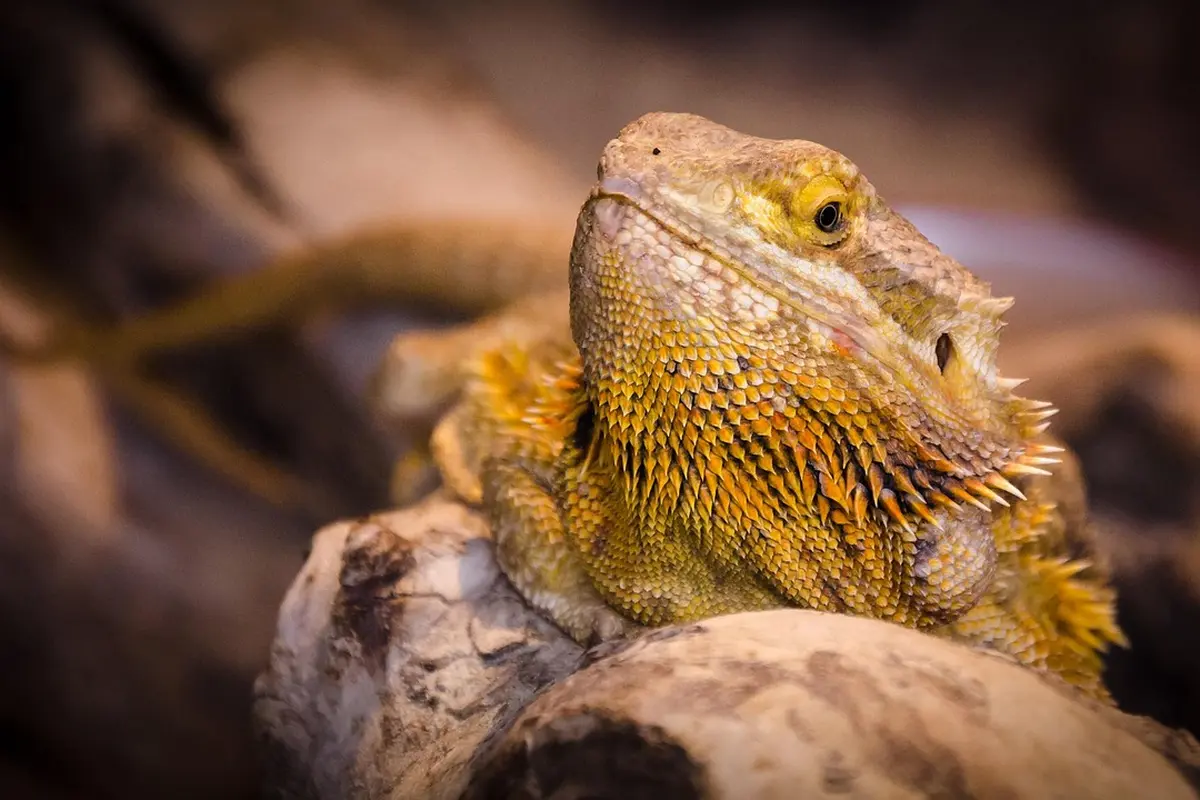
Think of vet visits as preventative maintenance for your scaly friend. Just like you wouldn’t drive a car for years without an oil change, you shouldn’t leave your bearded dragon’s health to chance. The gold standard for a healthy adult bearded dragon is a yearly wellness exam. This annual checkup catches small issues before they become big, expensive problems. Vomiting isn’t normal and should prompt a vet visit. It can signal dehydration, GI problems, or infections that need professional evaluation.
But life isn’t one-size-fits-all, and neither is vet care. Here’s a quick breakdown:
- Babies & Juveniles: I always schedule a first vet visit within the first two weeks of bringing a new dragon home. It’s a baseline health check and gives me peace of mind.
- Healthy Adults (1-5 years): Once a year is perfect for a general physical and to discuss their diet and habitat.
- Seniors (7+ years): As they age, I’ve found that switching to checkups every six months is a wise move to monitor for age-related issues like arthritis or kidney function.
Finding the Right Reptile Veterinarian for Your Bearded Dragon
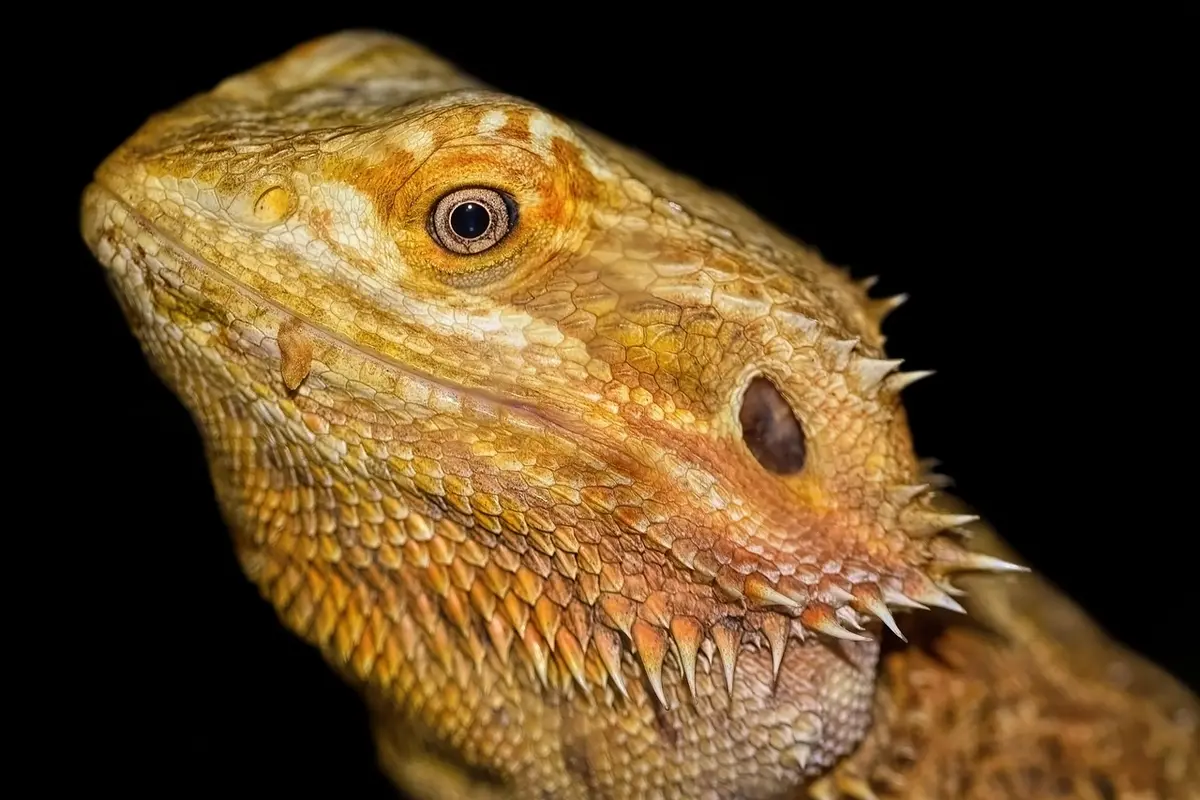
Not all vets are created equal when it comes to reptile care. Your typical dog and cat vet, while wonderful, often lacks the specialized training for a bearded dragon. You need a vet who speaks the language of scales. Finding an experienced reptile or exotic animal veterinarian is the single most important thing you can do for your pet’s long-term health. That lesson shows up in a take care bearded dragon complete beginners guide. It helps new owners know what to look for in a vet. I learned this the hard way years ago with a dragon that had a subtle parasite issue a general vet missed.
Questions to Ask When Choosing a Vet
Don’t be shy! Call a few clinics and ask these questions before you book an appointment. If you’re trying to find a reptile veterinarian, start with clinics that have reptile specialists or a dedicated reptile ward, and check their credentials. You can also look for recommendations from local herp groups or shelters. A good reptile vet will be happy to answer them.
- What percentage of your practice is dedicated to reptiles or exotic pets?
- Do you have specific experience with bearded dragons?
- Are you comfortable with procedures like cloacal probing for sex determination or taking blood samples from such a small patient?
- What is your approach to common issues like Metabolic Bone Disease or egg-binding?
- Do you have an in-house pharmacy that carries reptile-specific medications?
You can also search the Association of Reptilian and Amphibian Veterinarians (ARAV) website for a directory of qualified professionals near you.
Preparing for Your First Vet Visit
A little preparation makes the first visit smoother for you, your dragon, and the vet. Here’s my go-to checklist that I use for every new dragon.
- Transport Safely: Use a small, secure carrier with a soft towel on the bottom. Never use a glass aquarium-it’s heavy and dangerous.
- Bring a Fresh Stool Sample: This is huge! Collect a sample within 24 hours of the appointment and keep it in a sealed baggie. The vet will need it for a parasite test.
- Know Their Diet: Write down exactly what and how often you feed them, including supplements and brands.
- Document Their Home: Take clear photos of their entire enclosure, including the lighting setup (brands and bulb types matter!), temperatures, and humidity levels.
- List Your Questions: You’ll be nervous, so write down any concerns beforehand so you don’t forget anything.
Your vet is your partner in your bearded dragon’s care, so a good relationship built on clear communication is invaluable. A well-prepared visit means you get the most out of your time and your dragon gets the best possible care.
Frequently Asked Questions
What is the average cost of a routine vet checkup for a bearded dragon?
The cost typically ranges from $50 to $100 for a basic wellness exam, but it can vary based on location and additional tests like fecal exams or blood work. Always ask your vet for an estimate beforehand to budget accordingly.
Can I use human medications or supplements for my bearded dragon?
No, human medications or supplements can be toxic or ineffective for bearded dragons and may cause serious harm. Always consult a reptile veterinarian for safe, species-specific treatments and dosages, especially when considering potential cross-species transmission of illnesses.
How do I handle my bearded dragon during a vet visit to reduce stress?
Minimize handling by using a secure, well-ventilated carrier with a soft towel inside, and let the veterinarian guide the examination process. Avoid sudden movements and speak softly to help keep your dragon calm throughout the visit.
Final Thoughts
Your bearded dragon’s health relies on a strong partnership between your daily care and professional veterinary support. Regular annual checkups are the foundation of preventative care, catching small issues before they become big problems. Think of your vet not as someone you only see in a crisis, but as a trusted teammate. In this complete health check guide, you’ll learn how to tell if your bearded dragon is healthy. It highlights key signs to monitor and when to seek veterinary care.
Always trust your gut when something seems off with your dragon. You are their first and most important line of defense, and your keen observation is a powerful tool for their wellbeing. By combining your watchful eye at home with expert veterinary care, you are giving your scaly friend the best chance at a long, healthy, and happy life.
Further Reading & Sources
- Bearded Dragon Care | Animal Health Topics / School of Veterinary Medicine
- Bearded Dragon Care Guide | Long Island Avian and Exotic Vet Clinic
- Bearded Dragon Care – Broomfield Veterinary Hospital
Bearded Dragon Lair is the ultimate resource for bearded dragon enthusiasts, offering expert advice and practical tips to ensure the health and happiness of your scaly companion. With years of experience in reptile care, we are dedicated to providing accurate, up-to-date information to support your bearded dragon journey.
Regular Vet Visits