
How to Take Care of a Bearded Dragon: The Complete Beginner’s Guide
Published on: February 15, 2026 | Last Updated: February 15, 2026
Written By: Beardie Joe
Getting your first bearded dragon is a thrilling moment, but it’s normal to feel a little unsure about where to start.
I’ve raised several of these amazing reptiles myself, and I’m here to share my real-world experience to make your journey smooth and successful.
This guide will walk you through setting up the perfect habitat, mastering their diet, and understanding their unique behaviors for a happy, healthy pet.
Bearded Dragon Enclosure Setup and Habitat
Setting up the right home for your bearded dragon is one of the most rewarding parts of pet ownership. I remember spending a whole weekend perfecting the habitat for my first beardie, Gandalf, and watching him explore his new domain was pure joy. A proper setup mimics their natural Australian outback environment and is the foundation for a long, healthy life. If you’re a first-time bearded dragon owner wondering what else you need to know, a concise first-time owners guide can help. It covers essentials like feeding, lighting, and handling before you bring your beardie home.
Essential Enclosure Size by Life Stage
Bearded dragons grow quickly, and their space needs change dramatically. A tank that’s too small can cause stress and stunted growth. As bearded dragons grow, their size follows identifiable spurts and plateaus, so planning for those changes helps keep the habitat appropriate. Knowing their growth patterns helps you time upgrades and avoid cramped setups. I always tell new owners that investing in the right size from the start saves money and hassle down the road.
- Baby Bearded Dragons (0-5 months): Start with a 20 to 40-gallon tank. This smaller space makes it easier for tiny dragons to find their food and feel secure.
- Juvenile Bearded Dragons (5-18 months): Upgrade to a 40 to 75-gallon enclosure. They are growing fast and need more room to run and climb.
- Adult Bearded Dragons (18+ months): A 75 to 120-gallon tank is the absolute minimum. For my adults, I use 120-gallon enclosures because the extra space allows for better exercise and enrichment.
Choosing a Safe and Simple Substrate
The floor of your dragon’s home is a big decision. Loose substrates like sand or walnut shells are a common cause of impaction, a serious bowel blockage. After a scary vet visit with one of my juveniles, I switched entirely to solid, easy-to-clean substrates and never looked back.
- Reptile Carpet: Soft, affordable, and reusable. You will need at least two pieces to swap out for washing.
- Slate or Ceramic Tile: My personal favorite. It files down their nails naturally, is easy to spot-clean, and holds heat beautifully.
- Paper Towel: The safest option for new arrivals or sick dragons. It is cheap and you can change it daily.
Must-Have Cage Decorations and Furnishings
A bare tank is a bored dragon. Decorations aren’t just for looks; they provide vital mental stimulation and physical exercise. Creating a complex environment with hides and climbing structures prevents lethargy and encourages natural behaviors.
- Hides: Place at least one hide on the warm end and one on the cool end. This gives your dragon a choice of where to feel safe and secure.
- Basking Spots: Use a flat, sturdy piece of slate, stone, or a commercial basking platform directly under the heat lamp. It should be wide enough for them to lay their entire body on.
- Climbing Branches: Dragons are semi-arboreal and love to climb. Use sterilized driftwood or manzanita branches to create different levels in the enclosure.
Perfecting Temperature and Lighting for Bearded Dragon Health
Heat and light are not optional for a bearded dragon; they are as vital as food and water. Their bodies rely on external heat to digest food and UVB light to process calcium. Getting the temperature and lighting management wrong is the fastest way to a sick dragon, so this is an area where you cannot cut corners. Nighttime care is part of that same temperature and lighting management. A proper nighttime setup uses a safe, gradual temperature drop and, if needed, a thermostat-controlled heater or ceramic heat emitter to maintain warmth without light.
Creating the Perfect Temperature Gradient
Your dragon needs a choice of temperatures throughout the day. A gradient lets them self-regulate by moving from a hot basking area to a cooler resting spot. I use two digital thermometers with probes, one at the basking site and one on the cool side, to monitor this constantly.
- Hot Basking Zone: This area needs to reach 95°F to 110°F for proper digestion. Babies often prefer the higher end of this range.
- Cool Zone: The opposite end of the tank should stay between 75°F and 85°F. This is where your dragon will go to cool down.
- Nighttime Temperatures: At night, the entire tank can drop to 65°F to 75°F. If your home gets colder, use a ceramic heat emitter which provides warmth without light.
Understanding UVB Lighting Requirements
UVB light allows your dragon to produce Vitamin D3, which is essential for absorbing calcium. Without it, they will develop Metabolic Bone Disease, a painful and crippling condition. I replace my UVB bulbs every 6 months, even if they still look fine, because their output degrades over time.
- Bulb Type: Use a linear fluorescent tube, not a compact coil bulb. A T5 HO 10.0 or 12% UVB bulb is the gold standard for bearded dragons.
- Placement and Distance: Mount the fixture inside the screen top or just above a wide-mesh lid. The bulb should be 12 to 18 inches from the main basking spot and span about two-thirds of the enclosure’s length.
- Photoperiod: Provide 12 to 14 hours of light each day, mimicking a natural desert day cycle. I use a simple timer outlet to automate this.
Selecting and Positioning Your Basking Lamp
The basking lamp provides the intense, directional heat your dragon needs to raise its core body temperature. The goal is a precise hot spot, not general ambient warmth. Watching your dragon “pancake” itself flat under the basking lamp is a sure sign you have the temperature just right.
- Choosing a Lamp: A simple halogen floodlight from a hardware store often works perfectly and is more affordable than specialty reptile bulbs. Start with a lower wattage (like 75W) and adjust from there.
- Positioning for Optimal Heat: Place the lamp at one end of the tank, directly over the basking platform. You may need to raise or lower the lamp to achieve the perfect surface temperature.
- Safety First: Always use a lamp stand or a fixture with a ceramic socket to prevent overheating. Make sure your dragon cannot touch the hot bulb directly.
Bearded Dragon Diet and Nutrition Basics
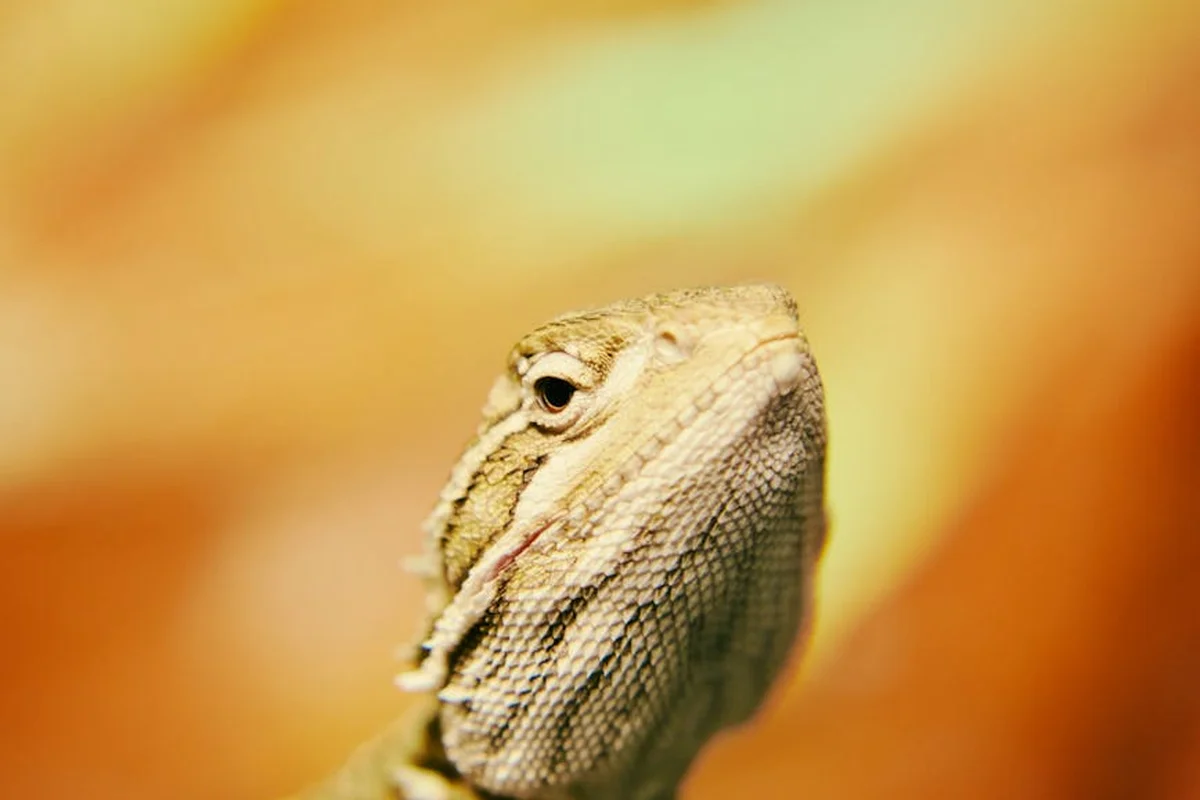
Getting the diet right is, in my experience, the single most impactful thing you can do for your bearded dragon’s health and happiness. A proper diet fuels their energetic personalities and supports a long, vibrant life. I learned early on that it’s not just about what you feed, but when and how you feed it. If you’re wondering whether you should feed your bearded dragon daily, a complete feeding guide can help you decide the right frequency and portions. It covers age and size considerations to tailor meals for your dragon.
What to Feed Your Bearded Dragon
Think of your dragon’s plate in three main sections: live insects, fresh greens, and the occasional fruit treat. This variety is key.
- Live Insects (Protein): These are the powerhouses of their diet, especially for young dragons. Crickets and dubia roaches are fantastic staples. I also love offering my crew black soldier fly larvae and the occasional treat like hornworms for hydration.
- Fresh Greens (Veggies): This should be a daily offering. Collard greens, dandelion greens, and mustard greens are my go-to, nutrient-packed choices. I always rinse them thoroughly to remove any pesticides and to provide a little extra water.
- Occasional Fruits: Fruits are like candy for dragons, so offer them sparingly. A small piece of berry, mango, or papaya once a week makes for a delightful and enriching snack. Always remove any uneaten fresh food from the enclosure within a few hours to prevent spoilage.
Feeding Schedules: Babies vs. Adults
Their dietary needs shift dramatically as they grow. Getting this schedule wrong is a common mistake, but it’s easy to fix.
| Age Group | Insect Feedings | Salad Feedings |
|---|---|---|
| Babies/Juveniles (0-5 months) | Offer live insects 3-5 times per day. Let them eat as many appropriately-sized bugs as they can in a 10-15 minute window. | Provide a small, fresh salad daily. They may ignore it at first, but it’s important to establish the habit. |
| Adults (18+ months) | Offer live insects only 2-3 times per week. Their protein needs are much lower. | A large, fresh salad should be available every single day. This becomes the cornerstone of their adult diet. |
A good rule of thumb for insect size is to never feed anything larger than the space between your bearded dragon’s eyes. This prevents choking and impaction risks.
The Critical Role of Supplementation
Even with a perfect diet, captive bearded dragons need a little extra help. In the wild, they get all they need from a vast variety of foods and direct sunlight. In our homes, we have to provide it. A complete feeding guide for pets helps us choose the right mix of insects, greens, and supplements, mirroring the variety they’d find in the wild. It also emphasizes proper sun exposure and basking to support overall health.
- Calcium with D3: This is non-negotiable for preventing Metabolic Bone Disease (MBD), a serious and sadly common condition. I lightly dust the live insects with a calcium + D3 powder at almost every feeding for babies, and at 2-3 insect feedings per week for adults. The D3 is crucial because it helps their body actually use the calcium.
- Multivitamin: A good reptile multivitamin provides all the other essential vitamins and minerals. I use one twice a week for my growing dragons and once a week for my adults, dusting their insects just like with the calcium.
Watching your dragon eagerly chase down a dusted cricket is one of the great joys of being a owner. Providing this balanced, supplemented diet is an act of love that shows in their strong bones, bright eyes, and lively demeanor.
Handling, Socialization, and Daily Enrichment
Building a bond with your bearded dragon is one of the most rewarding parts of being a pet parent. It doesn’t happen overnight, but with patience, you’ll have a calm, trusting companion. I’ve found that the key to a confident dragon is consistent, gentle interaction that always respects their boundaries. If your goal is to get your bearded dragon to like you and build trust, start with short, calm sessions and gentle handling. Over time, you’ll see them approach more willingly, and your bond will deepen.
Step-by-Step Handling to Build Trust
Rushing this process is the number one mistake new owners make. Your dragon needs to learn you are not a predator. Follow these steps, moving forward only when your pet seems comfortable.
- Start by Being Present: For the first few days, just sit by the enclosure and talk softly. Let them get used to your voice and smell without any pressure.
- Introduce Your Hand: Place your hand flat and still inside the tank, away from their head. Do this during calm periods, not when they are sleeping or eating. Let them come to you.
- Begin Hand Feeding: Offer favorite treats like a small piece of raspberry or a waxworm from your fingertips. This creates a powerful positive association.
- The Scoop Lift: When they’re comfortable with your hand, slide one hand under their chest and front legs, using your other hand to support their back legs and tail. Never grab from above or by the tail.
- Keep Initial Sessions Short: Start with just 5-10 minutes of handling once a day. Gradually increase the time as they become more relaxed in your lap or on your shoulder.
If your dragon puffs their beard, turns black, or gapes their mouth, they are stressed. Always put them back gently and try again later, rather than forcing an interaction. My first dragon, Spike, needed a whole month of just hand-feeding before he was ready for a lift, and that was perfectly okay.
Enrichment Activities for a Happy Dragon
A bored dragon is an inactive, and sometimes stressed, dragon. Enrichment encourages their natural instincts and keeps their minds sharp.
- Food Foraging: Instead of a bowl, hide live insects or greens around the enclosure under paper towel tubes or reptile-safe branches. This makes them “hunt.”
- Novel Items to Explore: On my dragon’s weekly “deep clean” day, I rearrange his furniture and add new (thoroughly sanitized) items like flat rocks or a hammock. The curiosity is immediate!
- Supervised Exploration: Let your dragon have safe, supervised time outside their tank in a bearded-dragon-proofed room. They love to climb on couch cushions and explore new textures.
- Dig Box: For females, a box filled with organic topsoil or children’s playsand provides an outlet for egg-laying instincts, even if they’re not gravid.
Rotating their toys and changing the layout of their home prevents monotony and stimulates their brain. You’ll notice a real difference in their activity levels.
Keeping Your Dragon Hydrated
Bearded dragons get a lot of their water from their fresh salads, but they still need direct hydration. Many don’t recognize standing water, so we have to get creative. Curious about the exact methods? I detail 10 proven ways to get a bearded dragon to drink water.
- The Water Dish: Always provide a shallow, sturdy water dish. Change the water daily to keep it fresh. While they may not drink from it often, some will, and it helps with humidity.
- Misting: Lightly mist your dragon’s head and the tank walls with a spray bottle. They will often lick the water droplets off their snout and the surfaces. Do this in the morning so everything dries by nightfall to prevent scale rot.
- Soaking for Hydration: A warm, shallow bath for 10-15 minutes once a week encourages them to drink and can aid with shedding. Always supervise bath time closely-the sink or a plastic tub works perfectly.
I watch for bright, clear urates (the white part of their poop) as the best sign my dragons are well-hydrated. Proper hydration is a cornerstone of preventing serious issues like impaction.
Monitoring Bearded Dragon Health and Recognizing Issues

Keeping a close eye on your bearded dragon’s health is one of the most rewarding parts of being a pet parent. Over the years with my own dragons, I’ve learned that a daily visual check is your best defense. Catching a small issue early can make all the difference in their long-term wellbeing. For a complete way to tell if your bearded dragon is healthy, follow a health check guide. It walks you through the signs to watch and when to seek veterinary care.
Signs of a Healthy Bearded Dragon
Perform these quick checks regularly to get a baseline for your dragon’s normal, healthy state.
- Clear, Bright Eyes: Their eyes should be alert and free of any crust or swelling.
- Healthy Appetite: A happy dragon is often a hungry one, eagerly chasing down their bugs.
- Regular Bowel Movements: Their poop should be firm and well-formed, passed consistently.
- Active and Alert: They should be curious, basking, and exploring their enclosure.
- Strong Limbs and Posture: They walk without a limp and can lift their body off the ground.
- Smooth Skin and Nose: No retained shed on their toes or tail tip, and their nostrils are clear.
Common Bearded Dragon Illnesses
Even with perfect care, dragons can get sick. Knowing what to look for helps you act fast.
Metabolic Bone Disease (MBD)
This is a heartbreakingly common issue caused by insufficient UVB light or calcium. I once helped a rescue dragon with early-stage MBD, and seeing his recovery was incredible.
- Swollen or soft jaw (often called “rubber jaw”).
- Tremors or twitching in the legs and toes.
- Difficulty lifting their body, dragging their belly.
- Bumps or curves in the spine, tail, or limbs.
Preventing MBD is entirely possible with a high-quality UVB tube light and proper calcium dusting.
Impaction
This is a serious bowel blockage, often from eating substrate, food that’s too large, or from low temperatures.
- Lack of appetite and no bowel movements for several days.
- Lethargy and a lack of energy.
- A noticeable, hard lump in their lower belly.
- Dragging their back legs or showing signs of paralysis.
If you suspect impaction, a warm bath and a gentle belly massage can sometimes help, but a vet visit is critical.
Understanding Brumation
Brumation is a reptile’s version of hibernation, and it can scare new owners. My first dragon, Spike, decided to brumate for three months one winter, and I was a nervous wreck!
- They will sleep for long periods, often in a hide.
- Their appetite will drop to almost zero.
- They might wake up for a drink of water occasionally.
Brumation is a natural process, but you must ensure your dragon is healthy and parasite-free before it begins. A sudden lack of appetite in a young dragon is usually not brumation and needs a vet’s attention.
Always consult a qualified reptile vet if you see rapid weight loss, labored breathing, or any signs of paralysis. It’s better to be safe and get professional advice.
Essential Daily and Weekly Care Routines

Getting into a consistent rhythm with your bearded dragon is the secret to a happy, healthy pet. Think of these routines not as chores, but as daily check-ins and bonding moments with your scaly friend. I’ve found that keeping a simple checklist on the fridge helps me stay on track with my own crew.
Your Daily To-Do List
These are the non-negotiable tasks you’ll do every single day to keep your dragon thriving.
- Fresh Food and Water: Offer a fresh salad of leafy greens and veggies first thing in the morning. I always remove any uneaten salad at the end of the day to prevent spoilage.
- Hydration Check: Refresh their water bowl with clean, chlorine-free water. Many dragons won’t drink from a bowl, so I also lightly mist their salad with water to boost their intake.
- Live Insect Feeding: Offer appropriately-sized live insects, like dubia roaches or crickets, based on your dragon’s age. Younger dragons need multiple feedings daily, while adults may eat insects just once a day or every other day.
- The Five-Minute Tidy: Do a quick spot clean of the enclosure. This means using a paper towel to immediately clean up any poop or urate you see. A quick daily spot clean prevents bacteria growth and makes the big weekly clean so much easier.
- Temperature Verification: Glance at your thermometers to ensure the basking spot and cool side are within the proper ranges.
Your Weekly Deep Clean & Check-Up
Once a week, set aside about an hour for a more thorough maintenance session.
- Full Enclosure Clean: Remove your dragon and all decor. Scrub the entire tank with a reptile-safe disinfectant or a diluted vinegar solution. Rinse thoroughly and dry before putting everything back.
- Decor Scrub-Down: Wash all bowls, rocks, branches, and hides in hot, soapy water. This gets rid of any hidden waste or saliva from feedings.
- Substrate Refresh: If you use a loose substrate like a soil/sand mix, spot-clean it daily and do a full replacement every few months. For non-loose substrates like tile or paper towel, a weekly wash or replacement is perfect.
- Equipment Audit: This is crucial. Check that all heating and UVB bulbs are working. UVB bulbs often stop producing adequate light long before they burn out. I mark my calendar with the date I installed a new UVB bulb so I remember to replace it on time.
Reading Your Dragon’s Behavior
Your daily interactions are your best tool for understanding your pet’s health and happiness.
- The “Pancake” Pose: When your dragon flattens their body out, they are usually trying to absorb maximum heat under their lamp. It’s a normal, happy basking behavior.
- Glass Surfing: If they are constantly scratching at the glass walls, it can signal stress. This might mean their tank is too small, they see their reflection, or something in their environment needs adjusting.
- Changes in Appetite: A healthy dragon is usually a hungry dragon. A sudden loss of appetite can be the first sign of illness, shedding, or even brumation (a form of hibernation).
- Beard Blackening: A black beard can indicate stress, territorial behavior, or illness. Observing the context-like if it happens during feeding or for no apparent reason-helps you figure out the cause.
Trust your gut. You will learn your dragon’s unique personality and habits. If something seems off, even if you can’t pinpoint it, it’s always better to be safe and consult a reptile-savvy vet.
Frequently Asked Questions
How long do bearded dragons typically live?
With proper husbandry as outlined in this guide, a bearded dragon can live between 8 to 12 years. In captivity, dedicated care can maximize the bearded dragon lifespan in captivity, often near the upper end of that range. In the wild, lifespans are typically shorter due to predators and environmental challenges. Their lifespan is directly tied to the quality of their diet, habitat, and consistent care.
Where can I find a downloadable care sheet or guide?
Many reputable reptile websites and veterinary clinics offer free, downloadable PDF care sheets that summarize key points like temperature, diet, and enclosure size. These are excellent quick-reference tools to complement the detailed information in this complete guide.
Is a bearded dragon a good pet for a child?
Bearded dragons can be a wonderful first reptile for a responsible child with strong adult supervision. Their generally docile nature is a plus, but adults must be fully responsible for the complex habitat setup, consistent feeding schedule, and overall health monitoring.
Final Thoughts
Looking after a bearded dragon is a truly rewarding journey that blends routine with wonder. Focus on the big three: a proper habitat with the right heat and UVB lighting, a varied diet of greens and live insects, and gentle, consistent handling to build a bond of trust. These pillars form the foundation of a long, healthy, and happy life for your scaled friend. To keep things interesting and stimulate natural behaviors, try enrichment ideas like climbing branches, textured toys, and foraging puzzles. They can complement the big three by encouraging exploration and gentle problem-solving.
Remember, you will make mistakes, and that’s perfectly okay. I’ve certainly had my share of learning moments over the years. The most important thing is your commitment to learning and providing the best life possible for your animal. Pay attention to their behavior, as they will tell you everything you need to know. Enjoy every moment with your incredible new companion.
Further Reading & Sources
- Bearded Dragon Care Sheet | PetMD
- The Ultimate Bearded Dragon Care Guide | ReptiFiles
- r/BeardedDragons on Reddit: Basic Bearded Dragon Care and Maintenance – Compiled
Bearded Dragon Lair is the ultimate resource for bearded dragon enthusiasts, offering expert advice and practical tips to ensure the health and happiness of your scaly companion. With years of experience in reptile care, we are dedicated to providing accurate, up-to-date information to support your bearded dragon journey.
Heating and Lighting