
How to Help Your Constipated Bearded Dragon Poop
Seeing your bearded dragon struggle to poop is a worrying sight that I’ve faced many times with my own pets.
As a long-time owner of multiple beardies, I’ll guide you through gentle, effective solutions that put your dragon’s comfort first.
We’ll explore the common causes of constipation, safe home treatments you can try today, and the clear signs that a vet visit is needed.
Immediate Steps to Relieve Your Bearded Dragon’s Constipation
Seeing your dragon struggle is stressful, but you can often help them find relief right at home. I’ve used these methods countless times with my own dragons when they’ve had a slow week.
The Power of a Warm Bath
This is my go-to first step. A warm bath helps relax their muscles and can stimulate the bowels.
- Fill a shallow container with lukewarm water. It should feel warm, not hot, on your wrist.
- The water level should only reach your dragon’s shoulders when they are sitting.
- Let them soak for 15 to 20 minutes. You can gently slosh the water around them.
- Always supervise the entire bath. Never leave your dragon unattended near water.
The bath often does the trick, and you might get results right in the tub.
Gentle Belly Massage
After the bath, while your dragon is still warm and damp, you can try a very gentle massage.
- Use one finger and apply the lightest pressure.
- Start from the upper chest and stroke down towards the vent in a slow, downward motion.
- Think of it as a gentle guiding, not a deep tissue rub.
- Massage for just a minute or two at a time.
If your dragon puffs up, squirms away, or shows any sign of discomfort, stop immediately. Their trust and comfort are more important.
Encourage Movement and Exercise
Movement gets everything inside moving, too. Let your dragon have some supervised exploration time outside their enclosure.
- Place them on a safe, clean floor and let them walk around.
- Gently encourage them to climb over a small, safe obstacle like a rolled-up towel.
- The change of scenery and physical activity can be a great stimulant.
Common Causes of Constipation and Impaction in Bearded Dragons
To prevent future problems, it’s helpful to understand what causes a dragon’s digestive system to grind to a halt. From my experience, it almost always comes back to a few key areas.
Primary Causes of a Backed-Up Dragon
- Dehydration: This is a huge one. Bearded dragons often don’t recognize standing water, and low humidity can also play a role. A dehydrated dragon has hard, dry stools that are difficult to pass.
- Improper Diet: Too many hard-to-digest insects like mealworms, or not enough hydration from leafy greens and vegetables, can lead to blockages.
- Low Habitat Temperatures: Your dragon needs proper heat to digest their food. If their basking spot isn’t hot enough, their metabolism slows down and food just sits in their gut.
- Substrate Risks: Loose substrates like sand, walnut shell, or calcium chips are a major risk. Dragons can accidentally ingest them while hunting, leading to a serious blockage called impaction.
Constipation vs. Impaction: Knowing the Difference
It’s vital to understand the difference between these two. Constipation is a temporary slowdown, while impaction is a physical blockage that is a medical emergency.
- Simple Constipation: Your dragon hasn’t pooped but is otherwise alert, may still have an appetite, and isn’t showing signs of pain. The home remedies we discussed often work for this.
- Dangerous Impaction: A hard mass is physically blocking the digestive tract. This is often caused by ingested substrate or a large, indigestible object.
Symptoms of Digestive Distress to Watch For
Keep a close eye on your dragon’s behavior and body. Early detection is key.
- Lethargy or lack of movement.
- Loss of appetite for more than a day or two.
- A noticeable, hard lump on the lower part of their back.
- Dragging their back legs or an unusual, arched posture.
- Visible straining without producing any stool.
If you see any signs of impaction or if your dragon seems to be in pain, it’s time to stop home remedies and call your reptile veterinarian right away—especially if you’re unsure how to spot or treat impaction.
Diet and Hydration Fixes for Better Digestion

Getting the food right is often the fastest way to get things moving again. Think of your dragon’s gut like a little engine; it needs the right fuel and plenty of lubrication. I’ve found that a simple dietary tweak is often all it takes to resolve a minor backup.
High-Fiber Greens and Veggies to Offer
Fiber is crucial for bulking up the stool and pushing it through. I always keep these staples on hand in my dragon’s salad mix.
- Greens: Collard greens, dandelion greens, mustard greens, and endive.
- Vegetables: Butternut squash (shredded), pumpkin puree (plain, no spices), and snap peas.
- Safe Fruits (in moderation): Figs, blueberries, and papaya. These are natural laxatives but should be rare treats.
Proper Insect Feeding and Supplementation
Feeding bugs the wrong way can create a literal traffic jam. It’s not just what you feed, but how you feed it.
- Gut-load your insects: Feed your crickets and roaches high-quality greens 24 hours before offering them to your dragon. This passes on nutrients and moisture.
- Calcium balance is key: I lightly dust insects with a calcium powder (without D3 for most feedings) about 3-4 times a week. Over-supplementing can sometimes bind them up, so stick to a schedule.
- Avoid hard-shelled feeders: If your dragon is backed up, skip mealworms and superworms for a few days. They can be tough to digest.
Hydration Options to Get Things Moving
Bearded dragons often don’t recognize standing water, so we have to get creative with hydration.
- Warm baths: A 15-20 minute soak in lukewarm (not hot!) water up to their shoulders can work wonders. I do this in a clean tub where they can feel secure.
- Misting: Gently mist their nose and greens. They’ll often lick the water droplets right off.
- Hydrating foods: Drip water onto their snout or offer water-rich foods like cucumber or watermelon in tiny amounts.
Adjusting Meal Schedules and Portions
Sometimes, the problem is simply too much food at once, especially for adults.
- Adults need a break: An adult dragon only needs insect meals every other day. Their diet should be 80% greens.
- Don’t feed before lights out: Give them at least two hours of basking time after a meal to digest properly. Feeding right before the lights go off is a common cause of impaction.
- Monitor portion size: For juveniles, offer insects for 10-15 minutes. For adults, a smaller, measured amount prevents overloading their system.
Optimizing Habitat Conditions to Prevent Bowel Issues
Your dragon’s home environment is their digestive command center. If the temperature or lighting is off, their whole body, including their gut, slows down. I always check the habitat first when something seems off with my dragons.
The Role of Basking Temperatures and UVB Light
Digestion is a heat-dependent process for reptiles. Without the right conditions, food just sits there.
- Basking spot must be hot enough: Surface temperatures should be between 95-110°F for adults. Use a digital thermometer with a probe to check this.
- UVB is non-negotiable: A proper 10.0 or 12% UVB tube light is essential for metabolism and calcium absorption. Without it, their gut motility grinds to a halt.
- Provide a heat gradient: The cool end of the tank should be around 80°F. This allows your dragon to self-regulate their temperature for optimal digestion.
Safe Substrate and Enclosure Setup
What’s on the floor of the tank can be a major factor in both causing and preventing problems.
- Choose safe flooring: I strongly recommend solid substrates like tile, reptile carpet, or paper towel. They are easy to clean and pose no risk of ingestion.
- Avoid loose substrates: Loose sand, walnut shells, or calcium sand can be accidentally eaten and cause a serious, life-threatening impaction.
- Ensure proper enclosure size: A tank that is too small can cause stress and inactivity, which directly contributes to constipation. An adult needs a 120-gallon enclosure minimum.
Steps to Monitor and Adjust Habitat Parameters
Don’t just set it and forget it. Your dragon’s environment needs regular check-ups.
- Check temperatures daily: Use digital probe thermometers for the basking spot and cool side. Analog dials are often inaccurate.
- Replace your UVB bulb every 6 months: Even if it still lights up, the UV output degrades over time. Mark the replacement date on your calendar.
- Monitor humidity levels: Aim for 30-40%. Too high can cause respiratory issues; too low can contribute to dehydration. A digital hygrometer is a must-have.
- Observe your dragon’s behavior: Are they using their basking spot after eating? If not, the temperature might be wrong. Their behavior is your best clue to their comfort.
Recognizing When Your Bearded Dragon Needs a Vet Visit

Sometimes, home remedies just aren’t enough, and your dragon needs professional help. If your beardie becomes unusually lethargic, refusing to move much or basking with their eyes closed for long periods, that’s a major red flag. I’ve learned from my own dragons that this level of tiredness is different from a normal post-meal nap. Understanding the causes of lethargy can help you determine when it’s time to seek professional care.
You should also be very concerned if they completely lose their appetite for more than a couple of days or show signs of visible, painful straining. Seeing your dragon arch its back, open its mouth wide, or tremble while trying to pass a stool is a clear signal to call the vet immediately. A bloated, hard belly that doesn’t improve is another urgent symptom.
What Happens at the Exotic Vet
At the clinic, the vet will perform a full physical exam, feeling your dragon’s abdomen for any blockages. They will likely take an X-ray to get a clear picture of what’s happening inside the digestive tract. This can reveal if there’s a large, hardened stool mass (called a fecalith) or even an impaction from loose substrate.
The vet might also ask for a stool sample to check for parasites, which are a common culprit behind digestive issues. This analysis helps rule out underlying infections that could be causing the constipation.
Possible Medical Treatments and Key Questions
Depending on the diagnosis, treatments can vary. If dehydration is suspected, rehydration is a key first step and should be guided by a veterinarian. For a serious impaction, the vet might administer fluids to rehydrate your dragon or give an enema to help soften and pass the blockage. In severe cases, they may prescribe a laxative specifically formulated for reptiles or even recommend surgery as a last resort.
When you’re at the appointment, don’t be shy about asking questions. I always make sure to ask:
- What is the exact cause of the constipation?
- Are the prescribed medications and dosages safe for a bearded dragon?
- What is the recovery timeline, and what signs of improvement should I look for?
- What specific changes should I make to their habitat or diet when we get home?
Additionally, ask about regular vet checkups for your bearded dragon and what symptoms count as an emergency. Having a simple go/no-go guideline helps you act quickly if issues arise.
Long-Term Strategies to Keep Your Bearded Dragon Regular
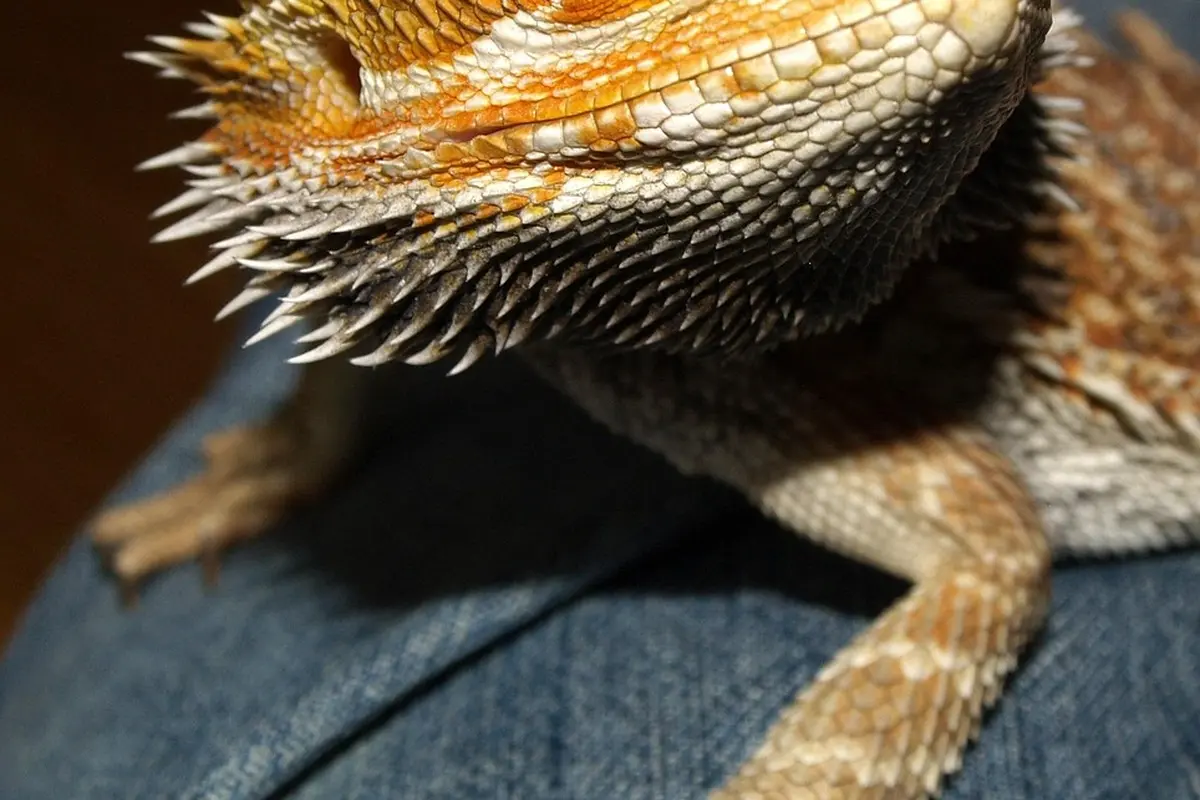
Preventing constipation is always better than treating it. Establishing a consistent daily and weekly care routine is the single most effective thing you can do for your dragon’s digestive health. Their bodies thrive on predictability. Monitoring urination is a key part of a bearded dragon’s excretion health. Our complete guide walks you through how bearded dragons pee, what healthy output looks like, and when to seek care.
Your Daily and Weekly Care Checklist
Daily Routines:
- Hydration is Key: Offer fresh, clean water daily. I personally mist my dragons and their greens every morning. A shallow, lukewarm bath 2-3 times a week encourages drinking and can stimulate bowel movements. If you’re curious about bathing, you can follow this bearded dragon bathing guide on how to bathe and then dry your bearded dragon safely.
- Balanced Diet: Feed a proper ratio of insects to fresh, leafy greens. Avoid too many constipating foods like mealworms or excessive amounts of squash.
- Encourage Movement: Let your dragon out for supervised exploration. This exercise gets their gut muscles moving!
Weekly Routines:
- Habitat Deep Clean: A clean tank reduces stress and the risk of bacterial infections that can upset their stomach.
- Health Check: Weigh your dragon weekly to spot any sudden weight loss or gain. Gently feel their belly for any unusual hardness.
- Salad Variety: Rotate the types of greens and veggies you offer to ensure a broad range of nutrients and fiber.
Preventive Measures for a Healthy Gut
Beyond the daily tasks, a few key habitat setups make a world of difference. Double-check that your basking spot is the correct temperature (around 95-110°F for adults), as proper heat is non-negotiable for digestion. I use a digital thermometer to be sure.
Avoid using loose, sandy substrates that can be accidentally eaten and cause an impaction. Opt for safer alternatives like reptile carpet, tile, or paper towel, especially for younger dragons. Regular, gentle handling also helps keep your dragon active and reduces stress-related digestive pauses. Consult a bearded dragon substrate guide to compare safe options and avoid unsafe materials. Follow best practices by cleaning and replacing substrate regularly.
Become a Poop Detective
This might sound funny, but it’s vital. Make a habit of checking for and cleaning up poop daily, and take a quick moment to observe its quality. You want to note the frequency, consistency, and color. Healthy bearded dragon poop has a firm, dark fecal portion and a white, pasty urate. For quick reference, our healthy bearded dragon poop visual identification guide helps you compare what you see with a standard baseline. This way you can spot deviations early.
Any significant changes-like a prolonged absence of poop, extreme runniness, or red streaks-are your cue to take action. Consistent monitoring is your best tool for catching small issues before they become big, painful problems for your scaly friend.
Frequently Asked Questions
How often should a healthy bearded dragon poop?
Poop frequency depends on age and diet, but adults typically go every 1-2 days, while juveniles may poop daily. If your dragon hasn’t pooped in over a week, it could signal constipation and warrant attention. For a quick, age-spanning reference, consult a bearded dragon poop guide that covers all ages. It can help you know what to expect at each life stage.
Can stress cause constipation in bearded dragons?
Yes, stress from factors like sudden habitat changes, improper handling, or loud noises can slow their digestion and lead to constipation. Reducing stressors and maintaining a consistent routine can help keep their gut moving regularly.
Is it safe to use olive oil or other home remedies for constipation?
Using olive oil is not recommended, as it can disrupt their digestive balance and cause other issues. Stick to vet-approved methods like warm baths and dietary adjustments, and always consult a professional before trying new remedies.
Final Thoughts
Helping a constipated dragon comes down to a few key actions: a warm bath, gentle belly massage, and checking their diet for more hydration. These simple, at-home remedies are often all it takes to get things moving comfortably again. I’ve used this exact routine with my own dragons many times with great success.
Always remember that persistent constipation needs a vet’s attention. Your consistent care with proper heating, hydration, and a balanced diet is the best long-term prevention for a happy, healthy digestive system.
Further Reading & Sources
- Constipation in Reptiles
- Constipation/Obstipation in Bearded Dragons | Arizona Exotics | -Lizards Resources
- Bearded Dragon Impaction: Everything You Need to Know – Dragon’s Diet
Bearded Dragon Lair is the ultimate resource for bearded dragon enthusiasts, offering expert advice and practical tips to ensure the health and happiness of your scaly companion. With years of experience in reptile care, we are dedicated to providing accurate, up-to-date information to support your bearded dragon journey.
First Aid Tips