
Why Is My Bearded Dragon Lethargic? (Common Causes and When to Worry)
Seeing your bearded dragon lying still and unresponsive when it’s normally active is a heart-sinking moment for any owner.
I’ve cared for many bearded dragons over the years and faced this worry myself, so I’ll help you calmly sort through the possibilities with a focus on your pet’s well-being.
We’ll walk through the everyday reasons for low energy, identify the serious warning signs you must not ignore, and give you a clear plan for when to seek veterinary care.
Recognizing Lethargy in Your Bearded Dragon
Lethargy in a bearded dragon can be subtle. It’s more than just a lazy afternoon; it’s a noticeable drop in their usual spark. You know your dragon’s personality better than anyone, so trust that gut feeling when something seems off. If they’re not active, check their basking setup, lighting, and hydration. You can read more about this if they’re not active. If lethargy persists, consult a reptile veterinarian.
From my own experience, a healthy dragon might have a quiet day, but a lethargic one has consistently low energy. My dragon, Smaug, is usually patrolling his tank or staring me down for snacks. When he spent three days straight just sitting in his hide, I knew it wasn’t a phase.
Common Behavioral Signs
- Dramatically reduced movement or exploration.
- Sleeping far more than usual or at odd hours of the day.
- A complete lack of interest in food, even their favorite treats.
- Ignoring movement in their surroundings, like your hand in the tank.
- Not reacting with their typical curiosity or alertness.
Visual Cues to Watch For
- Eyes closed during the daytime when they should be active.
- Consistently avoiding the basking spot, choosing cooler areas instead.
- Remaining in one single spot for many hours, barely shifting position.
- A flattened, pancake-like body posture that isn’t for heat absorption.
- Appearing “zoned out” and unresponsive to gentle stimuli.
Quick Health Checks for a Lethargic Bearded Dragon
Before you panic, you can perform a simple at-home triage. This quick assessment helps you gather crucial information, which is invaluable for a vet visit. Always move calmly and gently to avoid stressing your pet further.
-
Assess the Enclosure Temperature
Check your thermometers. The basking spot surface temperature should be between 95-110°F for adults. The cool end needs to be around 80-85°F. If it’s too cold, they can’t digest food and will become sluggish. If it’s too hot, they can become stressed and lethargic from overheating.
-
Check for Dehydration
Gently pinch the skin on their side. In a well-hydrated dragon, it should snap back instantly. If the skin tents or retracts slowly, your dragon is dehydrated. Sunken eyes are another serious sign of fluid loss. When you suspect dehydration in a bearded dragon, look for seven critical signs. This quick checklist can help you decide when to seek veterinary care.
-
Evaluate Their Weight and Body Condition
Pick them up. Do they feel lighter? Are their hip bones or ribs becoming prominent? A healthy dragon should feel solid, not bony. A sudden weight drop is a major red flag.
-
Inspect Their Stool
Look for their most recent droppings. Healthy poop has a firm, dark brown or black solid part (the feces) and a white, chalky part (the urate). Runny, undigested, or bloody stool indicates a serious internal issue.
-
Check the Humidity Level
Look at your hygrometer. The ideal humidity range is 30-40%. Consistently high humidity can lead to respiratory infections, which often cause lethargy as a first symptom.
These checks are your first line of defense, helping you pinpoint potential environmental causes or confirm that a vet visit is necessary. I keep a small digital notebook by my dragons’ tanks to jot down temperatures, feeding, and behavior, which has been a lifesaver for tracking changes over time.
Common Causes of Lethargy in Bearded Dragons
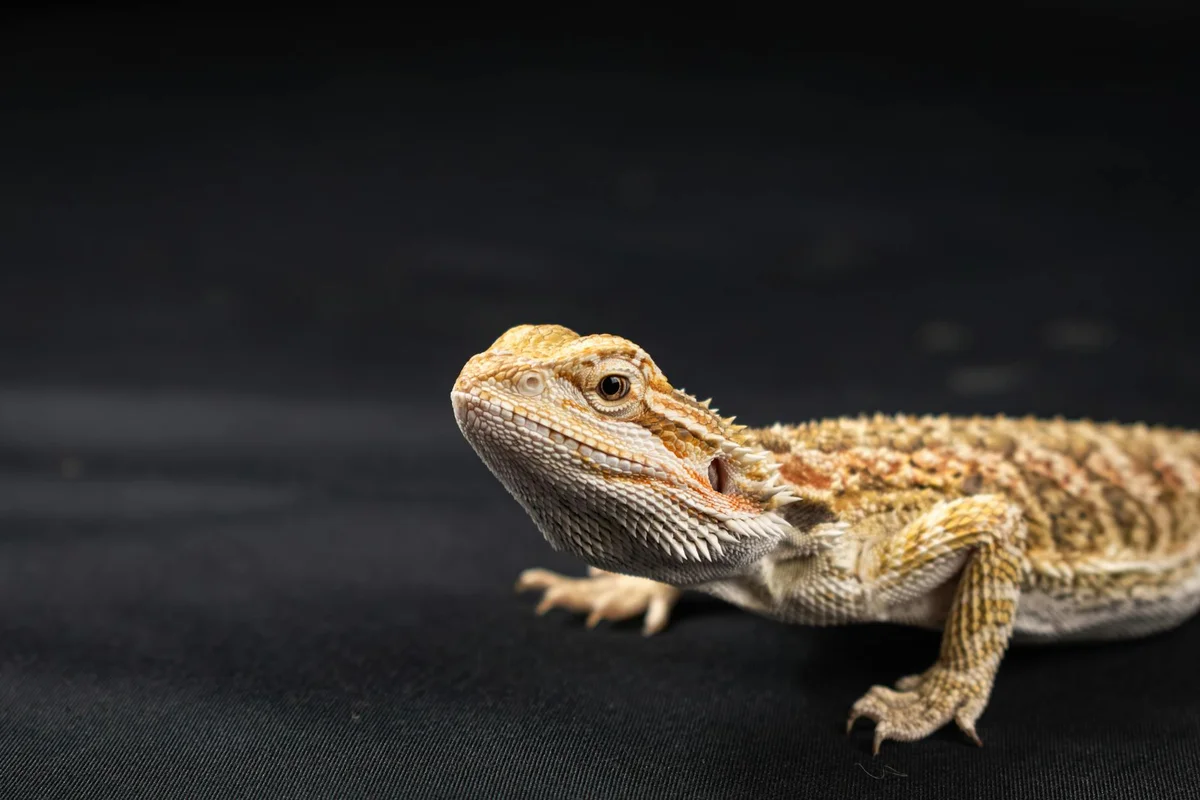
Environmental Factors: Temperature and Lighting Imbalances
Getting the environment wrong is one of the most common reasons I see for a lethargic beardie. They are solar-powered creatures, and without the right heat and light, their systems just can’t function properly.
An incorrect basking spot temperature means your dragon can’t digest its food. Their bodies rely on external heat to power their metabolism. If the basking area is too cool, food will sit in their stomach undigested, making them feel sluggish and unwell. Inadequate UVB lighting is just as critical, as it prevents them from synthesizing vitamin D3, which is essential for calcium absorption.
- Optimal Temperature Ranges:
- Basking Spot Surface Temp: 95-110°F (35-43°C) for adults, up to 115°F (46°C) for juveniles.
- Cool Side Ambient Temp: 75-85°F (24-29°C).
- Nighttime Temp: No lower than 65-70°F (18-21°C).
- Signs of Deficiency: You’ll see reduced activity, a lack of appetite, spending all day in the cool hide, and darkening of the skin as they try to absorb more heat.
From my own setup trials, the hardware you choose matters immensely.
- UVB Bulb Type: You must use a linear fluorescent tube (like T5 or T8 HO) that covers at least half the enclosure’s length. Compact coil bulbs simply don’t provide adequate coverage.
- Placement: Mount the UVB fixture inside the screen top or just above a wide-mesh lid. The bulb should be 10-12 inches from your dragon’s main basking platform to be effective.
- Replacement: UVB output degrades over time. Mark your calendar to replace the bulb every 6-12 months, even if it still lights up.
Dietary and Hydration Issues
What goes into your beardie has a direct impact on their energy levels. Dehydration can creep up on them, especially in drier climates or under hot lights.
Look for subtle signs like sunken eyes, loose skin that doesn’t snap back quickly when gently pinched, and wrinkled skin. Dehydration thickens their blood, making their entire body work harder and leading to noticeable lethargy. I always keep a shallow water dish clean and offer water via a dropper or misting on the snout to encourage drinking.
Nutritional gaps are a slow-acting but serious problem.
- Calcium Deficiency: This is a huge one. Without it, they can develop Metabolic Bone Disease (MBD). Always dust live insects with a calcium powder (without D3 if your UVB is correct) and a multivitamin powder a couple of times a week.
- Obesity: An overweight dragon is an inactive dragon. An adult beardie’s diet should be about 80% fresh greens and 20% live insects. Too many fatty feeders like superworms or waxworms can lead to a fatty liver and severe lethargy.
Get into the habit of a weekly weigh-in using a small kitchen scale. A steady weight is good; sudden loss or gain is a red flag. Offer hydrating veggies like bell peppers and zucchini, and don’t be shy about giving them a warm, shallow bath to soak and drink.
Underlying Health Problems
Sometimes, lethargy is a symptom of a deeper health issue that needs professional attention. I’ve had to learn this the hard way with one of my rescues.
Parasites, like pinworms or coccidia, are common in reptiles and can sap all their energy as the invaders steal nutrients. Respiratory infections can also develop if the enclosure is too cold or humid, causing labored breathing and fatigue. And as mentioned, Metabolic Bone Disease (MBD) from calcium deficiency leads to weak, rubbery bones and a profound lack of energy.
Watch for these warning signs that often accompany the lethargy:
- Abnormal, runny, or particularly foul-smelling stool.
- Pale gums or a loss of the normal pink color in the mouth.
- Persistent weight loss despite a good appetite.
- Swollen joints or a soft, flexible jaw (a sign of advanced MBD).
You cannot accurately diagnose and treat these conditions at home; a reptile veterinarian is essential. They will typically perform a fecal exam for parasites and may need X-rays. Treatment often involves prescribed medications like antiparasitics or antibiotics, which, in my experience, can make a world of difference in just a few days. If you’re unsure where to start, find a reptile veterinarian in your area. A quick search or referral from a local herp society can help you find a qualified specialist.
When to Worry: Signs That Need Immediate Vet Care
It’s normal for bearded dragons to have calm days, but some signs tell you it’s time to stop guessing and start calling the vet. This quick guide covers when bearded dragons need to go to the vet, how often to schedule checkups, and what counts as an emergency.
Lethargy becomes an emergency when it’s paired with other severe symptoms. If your dragon is completely unresponsive to touch or movement, that is a critical situation. Labored breathing, where you see them straining to breathe or hear clicking sounds, is another major red flag.
- Visible tremors, seizures, or a complete inability to move their limbs.
- Severe weight loss where the hip bones and spine become very prominent.
- Sunken eyes combined with a lack of appetite for more than a couple of days.
- Prolapsed tissue (where internal tissue is pushed out).
- Any sign of injury, like a fall, that results in immobility.
When you make that vet appointment, be prepared. It helps the vet immensely if you can provide clear information.
- Note when the symptoms first started and how they have progressed.
- Take photos of your enclosure setup, including the lights and thermometer readings.
- Bring a fresh stool sample if possible.
- Know their diet and supplement schedule by heart.
Advocating for your pet’s welfare means acting quickly when they can’t ask for help themselves. Trust your gut-if something feels seriously wrong, it probably is.
Supporting a Lethargic Bearded Dragon at Home

Seeing your dragon slow down can be worrying, but there are several supportive steps you can take at home to help them bounce back. Your first goal is to create an environment that promotes healing and reduces any extra demands on their system. I’ve found that a methodical, gentle approach often makes all the difference.
Practical Care Steps You Can Take Immediately
Start with the fundamentals. A lethargic dragon often isn’t just tired; they might be subtly dehydrated or slightly off in their temperature needs. You can hydrate your bearded dragon by offering water and misting their environment.
- Encourage Hydration: Don’t just rely on a water bowl. Try dripping water slowly onto the end of their snout with a dropper. Many of my dragons prefer to lick water this way. You can also give them a shallow, lukewarm bath for 10-15 minutes; they often drink while soaking.
- Double-Check Habitat Settings: Grab your thermometer and check your basking spot and cool side temperatures. The basking area should be between 95-110°F for adults, and the cool end around 80-85°F. At night, it can safely drop to the low 70s. Also, verify your UVB bulb is the correct strength (10.0) and hasn’t expired-they need replacing every 6-12 months even if they still emit light.
- Minimize Environmental Stress: Look at their world from their perspective. Is their enclosure in a high-traffic area with lots of foot traffic or loud noises? Consider moving it to a calmer spot. I also use visual barriers, like paper on the lower half of the glass, to make them feel more secure from perceived predators (like other pets or children).
Gentle Handling and Providing Quiet
Your instinct might be to hold and comfort them, but sometimes the kindest thing is to give them space.
- Observe, Don’t Over-Handle: Limit handling to only what’s necessary, like for baths or habitat cleaning. When you do need to pick them up, move slowly and support their entire body. Let them walk onto your hand instead of scooping them up from above, which can feel like a predator attack.
- Create a Calm Sanctuary: If you have other reptiles in the same room, consider moving the lethargic one to a quieter, isolated space temporarily. The reduction in competitive stress can be huge. I’ve had dragons perk up significantly after just a couple of days of quiet solitude with minimal interaction.
- Respect Their Hiding Instincts: Ensure they have a proper, snug hide on both the warm and cool sides of their tank. If they are choosing to hide, let them. This is their way of self-regulating and feeling safe while they aren’t at their best.
A Note on Supplemental Care and Treatments
It’s tempting to look for a quick fix, but caution is your best friend here.
- Safe Support Options: You can try offering a little 100% pure pumpkin puree (not pie filling) or unsweetened applesauce. These are gentle on the stomach and can provide a bit of hydration and easy energy. An electrolyte soak made with a product like unflavored Pedialyte can also be beneficial for a dehydrated dragon.
- A Strong Word of Caution: I strongly advise against using any over-the-counter medications, vitamins, or “dewormers” without explicit veterinary instruction. Guessing the wrong treatment can mask symptoms or, worse, make your dragon much sicker. Reptile physiology is delicate, and what works for one animal can be dangerous for another.
- When Home Care Isn’t Enough: If your dragon shows no improvement after 24-48 hours of diligent home support, or if their condition worsens at any point, it’s time to call your reptile vet. Lethargy paired with symptoms like closed eyes, lack of appetite for more than a few days, or labored breathing is a clear signal for professional help.
Frequently Asked Questions
Is my bearded dragon lethargic or just brumating?
Brumation is a natural, seasonal slowdown similar to hibernation, while lethargy is an unhealthy state of inactivity. A brumating dragon will have had a period of healthy appetite and weight beforehand and will typically show interest in waking up occasionally for water. Check out its differences from lethargy here.
How can I tell if my bearded dragon’s lethargy is a sign of brumation or sickness?
The key difference lies in their overall condition and other symptoms. A brumating dragon is otherwise healthy with good body weight and no signs of illness, whereas a sick, lethargic dragon will often show additional symptoms like loss of appetite, weight loss, sunken eyes, or abnormal stool. Understanding these healthy vs sick physical signs helps you monitor your dragon and know when to seek veterinary care.
How long is too long for a bearded dragon to be lethargic?
If your bearded dragon’s lethargy lasts for more than two days without any improvement, especially when combined with a refusal to eat or other concerning signs, it is time to consult a reptile veterinarian to rule out underlying health issues. If you’re wondering why your bearded dragon won’t eat, this pattern can indicate an underlying problem that requires medical evaluation. In the meantime, note any other symptoms and share them with your vet.
Final Thoughts
Seeing your bearded dragon so still and unresponsive can be genuinely worrying. Remember, lethargy is a symptom, not a disease itself, and your job is to play detective. Start with the basics I always check first: temperatures, lighting, and recent behavior changes. Often, the fix is that simple. If you’re worried about why your bearded dragon is sleeping so much, that lethargy can signal environmental stress or illness and should be checked promptly. Keep an eye on temperatures, lighting, and the day-night cycle.
Trust your gut as a pet parent. If your dragon isn’t improving with basic corrections, or shows any other red flags like weight loss or labored breathing, your next step is a vet visit. Don’t wait and hope; proactive care is the kindest thing we can offer our scaly friends, especially when they display worrying symptoms such as vomiting.
Further Reading & Sources
- Why Is My Bearded Dragon Lethargic? 6 Vet-Reviewed Reasons | Hepper Pet Resources
- r/BeardedDragons on Reddit: Bearded dragon is lethargic and inactive? (See comments)
- 15 Bearded Dragon Behaviors and What They Could Mean – Dragon’s Diet
Bearded Dragon Lair is the ultimate resource for bearded dragon enthusiasts, offering expert advice and practical tips to ensure the health and happiness of your scaly companion. With years of experience in reptile care, we are dedicated to providing accurate, up-to-date information to support your bearded dragon journey.
Signs of Illness