Is My Bearded Dragon Impacted? How to Spot, Treat, and Prevent It
If you’re worried your bearded dragon might be impacted, that nagging feeling in your gut is something I know all too well from my own years of caring for them.
As someone who has nurtured multiple bearded dragons through various health scares, I’m here to help you navigate this with clear, compassionate guidance.
We’ll cover the key signs to watch for, safe steps you can take for treatment, and my top tips for prevention to keep your pet healthy and comfortable.
What Is Bearded Dragon Impaction?
Think of impaction like a severe traffic jam inside your dragon’s digestive tract. It’s a serious blockage, usually in their intestines, that prevents food, waste, and even gas from moving through normally. This isn’t just simple constipation; it’s a life-threatening emergency that can paralyze their gut if not addressed. From my own experience, I’ve seen it happen when a curious dragon snatches up a large insect or an undigestible piece of decor. The blockage creates a painful backup that stops their whole system. If you’re asking, “my bearded dragon constipated—help, what do I do?”, this is one of those cases where quick veterinary guidance matters. Reach out to a reptile vet right away for assessment and next steps.
Signs and Symptoms of Impaction
Spotting impaction early is your best defense. The signs can be subtle at first, then become impossible to ignore. You know your dragon’s normal routines better than anyone, so trust your gut if something seems off. I always tell fellow owners that a change in behavior is often the very first red flag.
Physical Indicators
Your eyes and hands are your best tools here. Give your dragon a gentle once-over, looking for these physical clues.
- A hard, swollen belly, especially on the lower half near the back legs.
- A noticeable lump you can feel when you gently palpate their abdomen.
- Straining or appearing to try to poop with no results.
- No bowel movements for more than a couple of days, despite normal eating.
- Odd postures, like dragging their back legs or arching their back uncomfortably.
- Loss of appetite or refusing their favorite bugs entirely.
- Their beard may turn black due to stress and discomfort.
Feeling a distinct, firm mass in their belly is one of the most reliable physical signs I’ve encountered with my own pets. It feels very different from the usual soft, pliable tissue.
Behavioral Changes
This is where you’ll really notice something is wrong. A happy, active dragon suddenly becomes a different lizard.
- Lethargy and a profound lack of energy. They just want to sleep all day.
- Hiding more than usual and avoiding their basking spot.
- Glass surfing or scratching at the walls of their enclosure, a sign of distress.
- Aggression or irritation when you try to handle them, which is out of character.
- They might close one eye or seem generally uncomfortable and restless.
A dragon that suddenly refuses to bask is a major cause for concern, as they need that heat to power their digestion. When my first dragon, Gimli, stopped climbing onto his favorite rock, I knew we had a problem.
Diagnosing Impaction in Bearded Dragons
At-Home Checks
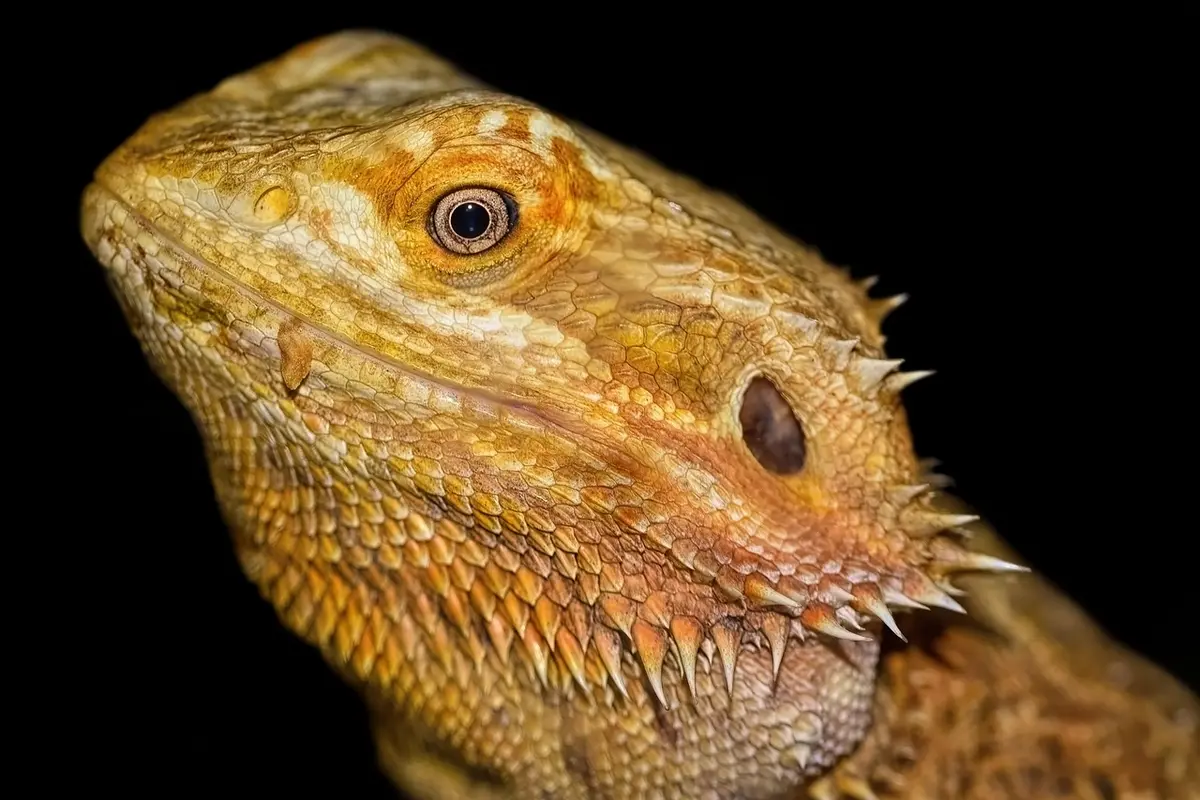
You can perform a few simple checks to get an initial idea of what’s going on with your beardie. I do this with my own dragons whenever they seem a bit off. If your bearded dragon is hiding, that’s often a sign they’re stressed or not feeling right. These checks can help you understand why they’re concerned and what steps to take.
First, gently feel their belly. Start from the chest and move down towards the vent. A healthy belly should feel soft. An impacted belly will have a hard, lumpy, or firm area, usually on the lower left side.
Look for other physical signs. Their back legs might appear weak or they might be dragging them. You might also see a slight arch in their back from the discomfort.
Watch their behavior closely for the less obvious clues. If you’re asking why your bearded dragon won’t eat and what to do about it, you’re not alone. These clues can help you decide when to seek care or adjust care at home. Is your typically hungry dragon suddenly refusing food? Are they lethargic and spending all day in one spot? A lack of bowel movements, especially if they’ve eaten recently, is a major red flag.
Veterinary Diagnosis
If your at-home checks point toward impaction, it’s time to call your reptile vet. Don’t wait and hope it gets better on its own.
A vet will use tools we simply don’t have at home to see the full picture. They will likely perform a physical palpation of the abdomen, much like you did, but with a trained touch.
The most definitive tool is an X-ray. This isn’t just a guess. An X-ray clearly shows the size, location, and density of the blockage inside your dragon. It can reveal if it’s a mass of substrate, a large insect bolus, or something else entirely. This information is critical for deciding on the correct treatment path.
Treating Bearded Dragon Impaction
At-Home Remedies
For very mild cases, you can try a few safe, at-home methods. I’ve had success with these, but you must proceed with caution and stop if there’s no improvement.
A warm bath is your first and best line of defense. Fill a shallow container with warm (not hot) water, about up to their shoulders. Let them soak for 15-20 minutes. The warmth can help relax their muscles and stimulate bowel movements. Gently massage their belly from the chest down towards the vent while they’re in the water.
Offer extra hydration. You can try offering water via a dropper on their snout. Some owners have success with a drop or two of pure, unsweetened apple or prune juice mixed with water. The natural sugars can act as a mild laxative, but use this sparingly and only for mild cases.
Stick to very easy-to-digest foods if they are still eating. Pureed pumpkin (plain, not pie filling) or sugar-free applesauce can help. Never, ever use mineral oil or any other oil without direct vet instruction.
Veterinary Treatments
When home care isn’t enough, your vet has several options to help your dragon. I’ve had to take a dragon in for this, and the relief was immediate once the pros took over. Regular health checkups can catch issues early, and knowing when to seek emergency care is crucial. For bearded dragons, a quick guide covers whether they need vet visits, what to expect, and which signs mean it’s an emergency.
The vet may administer fluids, either orally or through an injection. This rehydrates your dragon and helps soften the impaction from the inside out. If dehydration is suspected, follow your vet’s guidance on how to hydrate your bearded dragon. Adequate hydration is essential for recovery and can help relieve impaction.
They might use medication. This can include laxatives or pro-kinetic drugs that help get the digestive tract moving again safely.
In severe cases, an enema performed by the vet may be necessary to clear the blockage. This is a medical procedure and should never be attempted at home.
Surgery is the last resort. If the blockage is complete and won’t move, surgical removal is the only option to save your dragon’s life. This is why early detection and vet consultation are so vital-it can help you avoid this serious outcome.
Common Causes of Impaction
Substrate and Habitat Risks
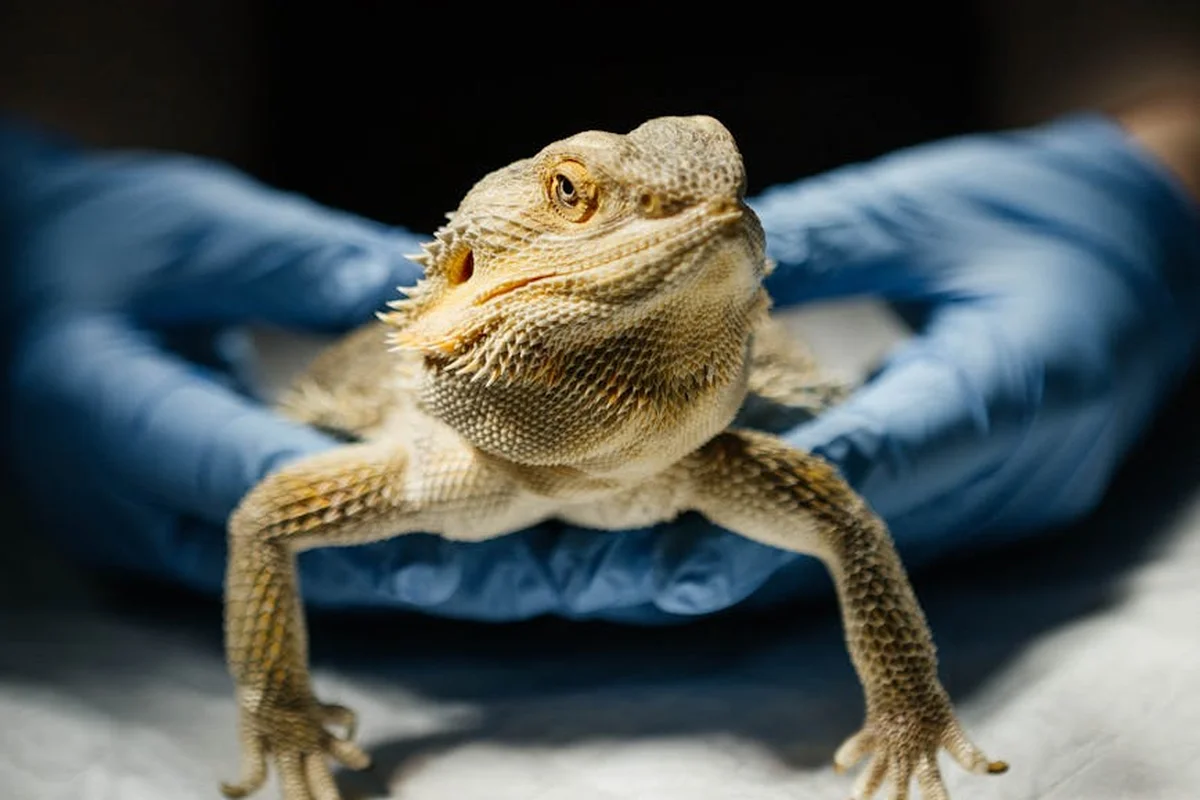
The floor of your dragon’s home is a major risk factor. I learned this the hard way when one of my first dragons, Puff, got a small piece of loose substrate stuck after a frantic feeding session.
Loose, particulate substrates are the most common culprits for causing a dangerous blockage. Your dragon’s tongue is incredibly sticky, and it’s easy for them to grab a mouthful of sand, walnut shell, or wood chips along with their food.
- Calcium Sand: This is especially dangerous. Its sweet smell and taste can encourage your dragon to eat it, and it clumps together like cement when wet.
- Reptile Bark and Coconut Fiber
- Gravel or Small Pebbles
- Moss and Loosely Packed Dirt Mixes
Beyond the floor covering, other habitat issues can lead to trouble.
- Inadequate basking temperatures can slow their digestion to a crawl.
- A habitat cluttered with small, loose objects they might accidentally ingest.
- An enclosure that is too small, limiting their movement and natural exercise.
Diet and Hydration Factors
What you feed your dragon and how you serve it plays a huge role in their digestive health.
Feeder insects that are too large are a primary cause of intestinal blockages. A good rule I follow is to never offer a bug wider than the space between your dragon’s eyes.
Dehydration is a silent partner to impaction. Their bodies need moisture to push waste through their system.
- Feeding hard-shelled insects like superworms or large crickets as a staple.
- Not providing a consistent, clean source of fresh water.
- Offering too many fatty, hard-to-digest insects and not enough fibrous greens.
- A lack of regular soaks, which helps with hydration and can stimulate bowel movements.
I always watch my dragons closely during feeding time to ensure they are chewing properly and not just gulping things down whole.
Preventing Impaction in Your Bearded Dragon
Safe Substrate Choices
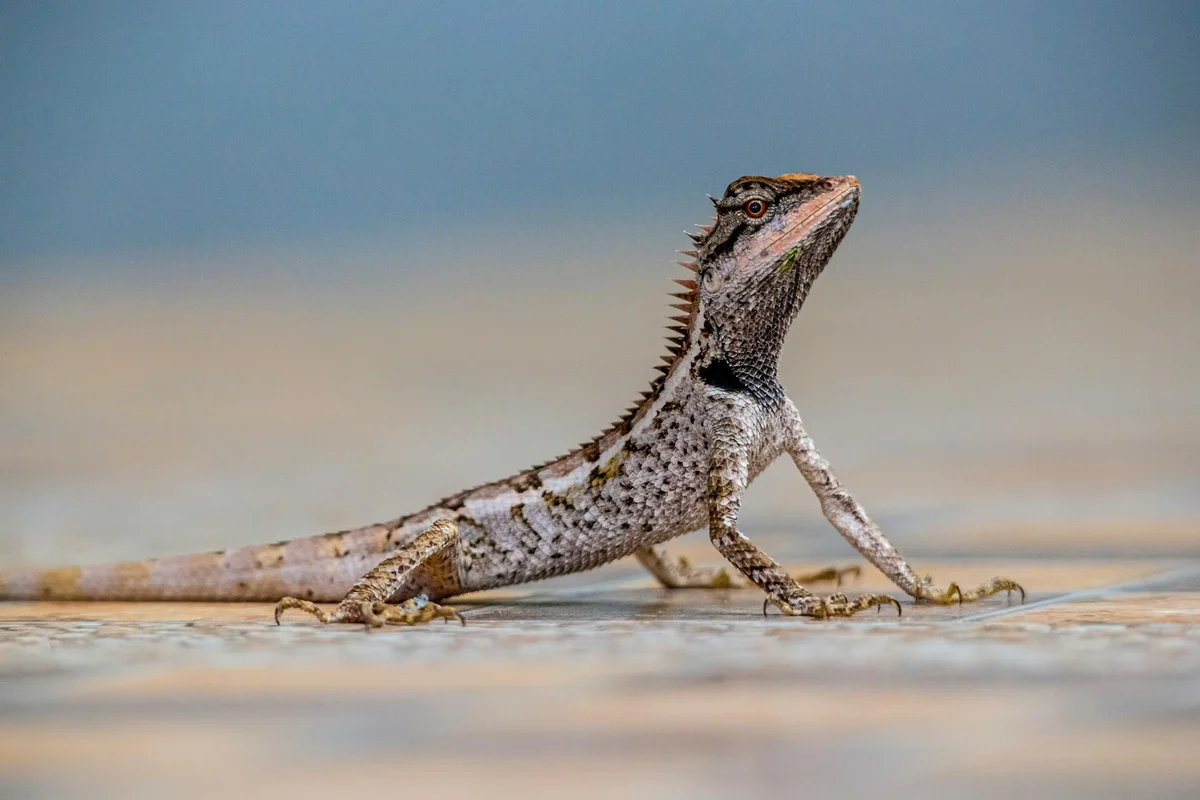
Choosing the right substrate is your first and best line of defense. After my scare with Puff, I switched all my enclosures to safer options and have never looked back.
Solid, flat surfaces are the safest choice for bearded dragons of all ages. They are easy to clean and present zero risk of ingestion. That principle ties into our bearded dragon substrate guide, which covers safe options and unsafe materials. It also outlines best practices for substrate choice and maintenance.
- Slate or Ceramic Tile: My personal favorite. It files down their nails naturally and holds heat from the basking lamp beautifully.
- Non-adhesive Shelf Liner
- Reptile Carpet (though it needs frequent washing to avoid bacteria)
- Paper Towel or Butcher Paper (excellent for quarantine or sick dragons)
If you absolutely desire a loose substrate for a bioactive setup or digging enrichment, use it with extreme caution.
- Only use a soil/sand/clay mix, never pure sand.
- Reserve it for large, well-established enclosures and experienced owners.
- Always feed your dragon in a separate, bare-bottomed area.
Optimal Diet and Feeding Practices
A thoughtful diet is proactive healthcare for your scaly friend.
Proper prey size and variety are the cornerstones of a gut-healthy diet. I make a weekly chart for my dragons to ensure they get a good rotation of feeders and greens.
- Staple feeders should be soft-bodied, like dubia roaches, black soldier fly larvae, and appropriately sized crickets.
- Always gut-load your insects with nutritious veggies 24 hours before feeding.
- Dust insects with a quality calcium powder to support muscle function, including the gut muscles.
- Provide a shallow water dish with fresh water daily, and don’t be afraid to drop water on their snout with a dropper.
I also give my adult dragons a weekly warm bath for 15-20 minutes. This encourages hydration and often results in a healthy bowel movement right in the water. If you’re wondering how long to bathe them, 15-20 minutes is a common range for adults. After the bath, let your bearded dragon bask to dry off and rewarm.
Habitat and Health Maintenance
Your dragon’s environment needs to support their internal processes.
Correct temperatures are non-negotiable for a functioning digestive system. A cold dragon is a constipated dragon.
- Basking spot surface temperature should be between 95-110°F for adults.
- Use a digital thermometer or a temperature gun for accurate readings.
- Provide a clear temperature gradient so your dragon can cool down and warm up as needed.
Regular activity is just as important for them as it is for us.
- Ensure the enclosure is large enough (a 4x2x2 foot enclosure is the recommended minimum for an adult).
- Allow for supervised exploration outside the tank to encourage movement.
- Schedule annual check-ups with a reptile-savvy vet to catch any subtle health changes early.
Frequently Asked Questions
Can bearded dragon impaction lead to death?
Yes, if left untreated, impaction can be fatal as the blockage may cause intestinal rupture, sepsis, or organ failure due to the buildup of toxins and pressure.
What is the typical cost for bearded dragon impaction surgery?
Surgery costs can range from $200 to over $1,000, depending on factors like the vet’s expertise, geographic location, and the complexity of the procedure.
Are there any long-term effects after treating impaction?
In severe cases, impaction can cause permanent damage to the digestive tract, potentially leading to chronic digestive issues or a higher risk of future blockages.
Final Thoughts
Dealing with a potentially impacted bearded dragon can feel scary, but now you know what signs to look for and the immediate steps to take. Your quick recognition of symptoms like a lack of bowel movements, a firm belly, and lethargy is your dragon’s first line of defense. From warm baths to pureed pumpkin, you have several safe, initial remedies to try at home before seeking a vet. If lethargy appears, it’s a common warning sign with several potential causes—dehydration, temperature issues, impaction, or underlying illness. Knowing these can help you decide when to worry and seek veterinary care promptly.
Ultimately, the best treatment is always prevention. Focusing on proper temperatures, a safe enclosure, and a suitable diet is the most powerful way to keep your bearded dragon’s digestive system running smoothly. These are exactly the tips you’d expect in a take care bearded dragon complete beginners guide. Starting with prevention sets you up for long-term health and easy, manageable care. In my own experience, a little extra attention to their habitat setup saves so much worry down the line.
Further Reading & Sources
- Bearded Dragon Impaction: Everything You Need to Know – Dragon’s Diet
- Bearded Dragon Impaction: Causes, Symptoms & Treatment | Petco
- Impaction – ReptiFiles®
Bearded Dragon Lair is the ultimate resource for bearded dragon enthusiasts, offering expert advice and practical tips to ensure the health and happiness of your scaly companion. With years of experience in reptile care, we are dedicated to providing accurate, up-to-date information to support your bearded dragon journey.
Signs of Illness