
How to Safely Bathe Your Bearded Dragon
If you’ve ever wondered whether your scaly friend needs a bath or stared at your sink wondering where to even begin, you’re in the right place.
As a longtime beardie owner who’s helped many first-timers, I’ll walk you through the entire process based on what actually works in real life, not just theory.
We’ll cover exactly how often to bathe them, what products are reptile-safe, and my step-by-step method for a stress-free experience for both of you.
How Often to Bathe Your Bearded Dragon
This is one of the most common questions I get, and the answer isn’t the same for every dragon. Think of it like this: some people need a daily shower, while others are fine with a couple of times a week. Your beardie has a similar spectrum. If your dragon isn’t as active as usual, that’s a signal to check its environment and daily routine. You can try enrichment and proper care changes, and seek vet advice if inactivity persists.
For a typical, healthy adult bearded dragon, a bath once a week is a great maintenance schedule. This weekly soak helps with general hydration and keeps their skin and scales in good condition. It’s a perfect routine for a pet that isn’t dealing with any special issues. Want more detail on how often to bathe your beardie? Our complete soaking guide covers frequency and safe soaking steps.
But life, and dragon care, isn’t always typical. You’ll need to adjust the schedule based on what’s happening with your scaly friend.
When to Bathe More Frequently
- During a Shed: When you see their skin getting dull and tight, increase baths to 2-3 times a week. The warm water loosens the old skin and makes the process much more comfortable for them. I always watch my dragon, Puff, get visibly relieved during a shed bath.
- After a Messy Poop: If they have a particularly messy bowel movement and step in it, a quick, immediate bath is the best way to clean them up. You don’t want that sitting on their skin.
- If They Are Constipated: A warm bath can help stimulate bowel movements. If it’s been a few days since they’ve gone, a soak can often do the trick.
- In Warmer Months: If your home is particularly warm and dry, an extra bath can offer a nice hydration boost.
When to Bathe Less Frequently
- Very Young Juveniles: Tiny dragons can get stressed more easily and lose body heat quickly. I bathe my juveniles less often, maybe once every 10-14 days, unless they are shedding or dirty.
- If They Show Signs of Stress: Some dragons just don’t like baths. If yours consistently panics, turns black, or gapes, forcing it is counterproductive. Scale back and make baths a very short, positive experience.
- During Brumation: If your dragon is in its long winter sleep, do not disturb it with baths. Let them rest.
What You Need for a Bearded Dragon Bath
You don’t need a fancy kit or expensive products. In fact, simpler is almost always better and safer for your pet. Gathering everything you need before you get your dragon makes the entire process smooth and low-stress for both of you. Here’s my go-to checklist.
- A Small Plastic Tub or Container: I don’t use my sink or bathtub. A dedicated tub gives me full control and prevents any exposure to harsh cleaning chemicals. It should be small enough that your dragon can easily touch the bottom and feel secure.
- Dechlorinated Water: Straight tap water contains chlorine and chloramines that can irritate their skin and eyes. I always use a reptile-safe water conditioner, the same kind I use for their drinking water. It’s an easy step for their wellbeing.
- A Reliable Thermometer: This is non-negotiable. The water must be warm, not hot. Your target temperature is a cozy 85°F to 100°F (29°C to 38°C). Test it with your elbow or wrist-it should feel pleasantly warm, like a baby’s bath.
- A Soft-Bristled Toothbrush: This is your ultimate bathing tool. It’s perfect for gently scrubbing away any stuck shed or dirt on their scales and spikes. The soft bristles mimic the feeling of grooming and most dragons seem to enjoy it.
- A Clean Towel: Have a soft, clean towel ready and waiting. Bearded dragons need to be dried off completely after their bath so they don’t get chilled.
What NOT to Use
This is just as important as what you *should* use. I see this mistake made with the best intentions.
- No Soaps or Shampoos: Never, ever use human or other pet soaps. Their skin is very different from ours and absorbs chemicals easily. It can make them very sick.
- No Rough Sponges or Brushes: Anything abrasive can damage their delicate scales and skin. Stick to the soft toothbrush.
- No Deep Water: The water level should never be higher than your dragon’s shoulders when standing. They are not natural swimmers and can easily panic and inhale water.
Step-by-Step Bearded Dragon Bathing Guide
Preparing the Bath Water
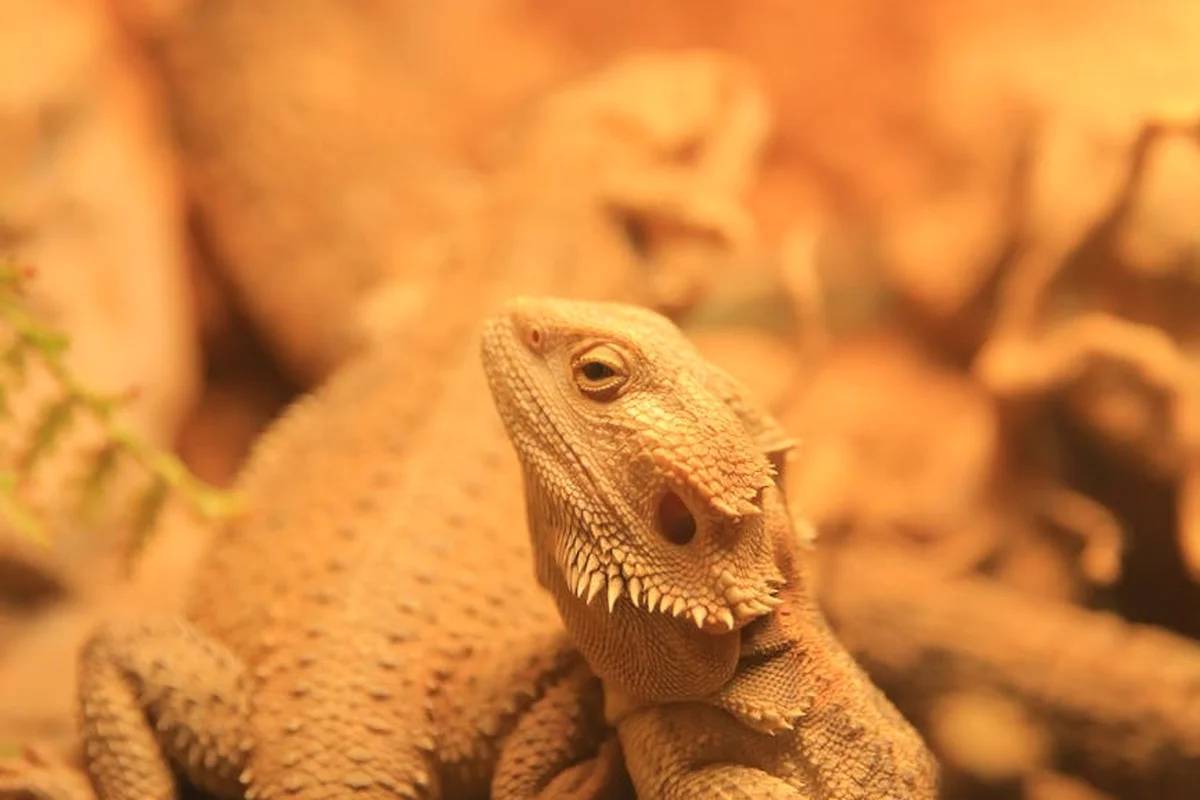
Getting the water right is your first and most important job. I always use a clean plastic tub or container that my dragons can’t see through, as clear sides can sometimes stress them out.
The perfect bath water should feel lukewarm to your wrist, just like you’d test for a baby’s bottle. I aim for a temperature between 85°F and 100°F (29°C – 38°C). Too hot can cause serious burns, and too cold can send them into shock.
Water depth is critical for safety. It should never be deeper than your dragon’s shoulders when they are standing on all fours. For a juvenile, this might only be an inch of water.
Introducing Your Dragon to the Bath
Never just plop your dragon into the water. Gently lower them in, feet first, and let them get their bearings. Some of my dragons walk right in, while others need a moment to realize they’re safe.
Always keep one hand near your dragon to support them if they slip or panic. A calm, confident demeanor from you helps them feel secure. Talk to them in a soft, reassuring voice throughout the process.
Watch their body language closely. Puffing their beard, trying to scramble out, or a black beard are clear signs of stress. If you see this, the bath time might need to be cut short that day.
Cleaning During the Soak
Let your dragon soak for about 10 to 15 minutes. The warm water will help loosen any dirt or dried skin. You don’t need to scrub them vigorously.
I use my bare hands or a brand-new, ultra-soft toothbrush reserved just for this purpose. Gently stroke their back and legs with your fingers or the soft bristles to help remove loose shed and grime. Pay special attention to their toes and tail tip, where stuck shed is common.
Avoid their face, eyes, and nostrils entirely. If their vent area (where they poop) is dirty, a gentle swipe with your finger is usually enough to clean it.
Rinsing and Ending the Bath
If you used any cleaning product, even a reptile-safe one, you must rinse your dragon with fresh, clean lukewarm water. I use a small cup to gently pour water over their back. To stay consistent and safe, follow a regular bearded dragon tank cleaning schedule with simple methods. A bearded dragon tank cleaning guide can help you choose safe solutions and timing for cleanings.
Lift your dragon out and immediately wrap them in a soft, clean towel. Gently pat and rub them dry. Bearded dragons can get chilled easily, so getting them mostly dry is a key step. When you do bathe them, keep the soak brief—about 5–10 minutes—to avoid chilling. After drying, give your dragon a chance to bask under a warm light so they can dry completely and regulate their temperature.
I always return my dragons to their warm enclosure right after their towel dry. They often scamper straight under their basking light to warm up completely.
Choosing Safe Bathing Products
When it comes to soaps and shampoos, my rule is simple: don’t use them. A dragon’s skin is nothing like ours and can easily absorb harsh chemicals. In this guide, we’ll cover soap-safe options for bearded dragons and answer other common product questions.
For 99% of baths, plain, dechlorinated lukewarm water is the only thing you should ever use. It is perfectly effective for general cleaning and hydration.
In rare cases where a dragon gets into something toxic or extremely dirty, your only safe option is a product specifically formulated for reptiles and recommended by your exotic veterinarian. Never use human, dog, or cat shampoo. Also, refer to the bearded dragon substrate guide for safe options and avoid unsafe materials. Following best-practice care helps keep your dragon healthy and clean.
- Safe to Use: Plain water, a soft-bristled toothbrush for gentle scrubbing.
- Never Use: Soaps, detergents, dish soap, hand sanitizer, or any human cleaning products.
Bathing to Help with Shedding
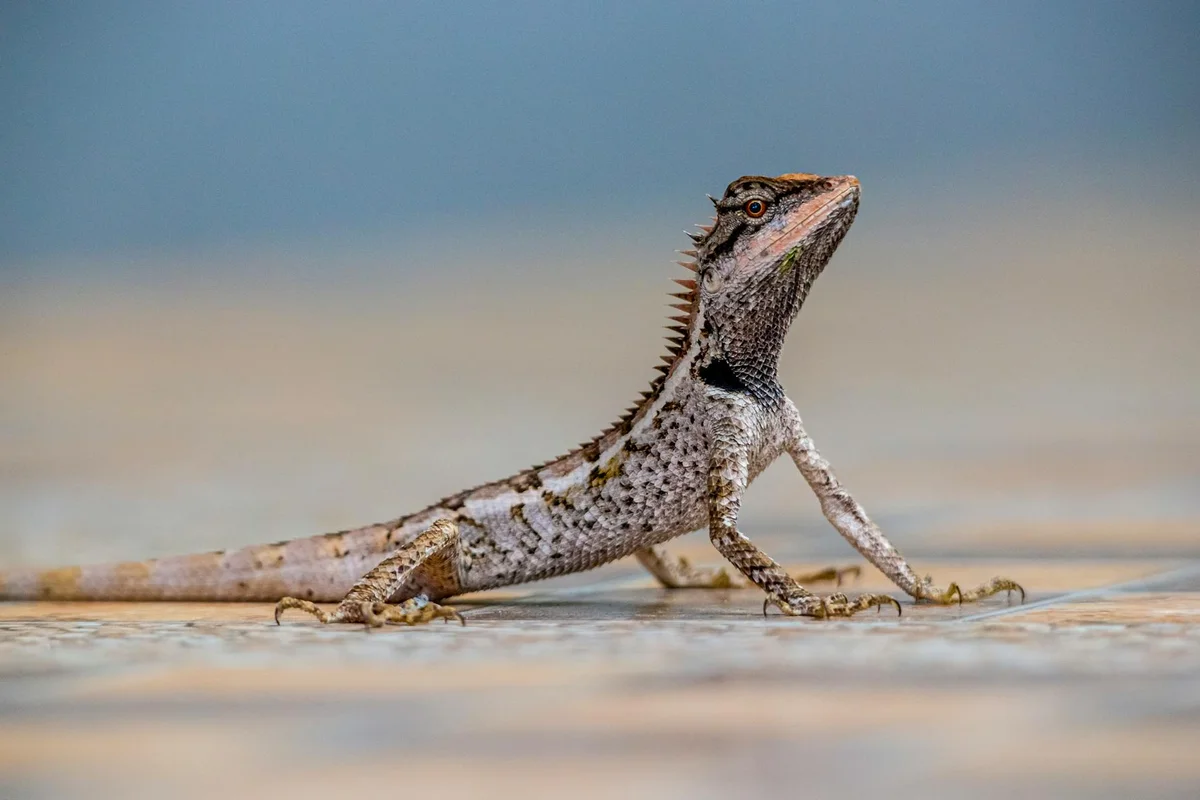
Bathing is a fantastic tool when your dragon is shedding, which looks like patches of dull, grayish skin. The water helps hydrate the old skin, making it easier to peel off naturally. Learn how to help your bearded dragon shed and what to do about stuck shed.
Increase baths to 2-3 times a week during a heavy shed, but remember you are a helper, not a participant. Let the water do the work. The loose skin will come off when it’s ready.
I see many owners make the painful mistake of pulling the shed. This can tear their new, delicate skin underneath and cause serious injury. If you see a piece of shed that’s been loose for days and is clearly ready, you can gently rub it with your thumb, but if it resists, leave it alone.
Focus your gentle rubbing on their toes, tail tip, and spikes, as these are common trouble spots for stuck shed that can cut off circulation.
Bearded Dragon Bathing Safety Tips
Bath time should be a calm, positive experience for your scaly friend. I’ve learned through many splashes and a few startled dragons that a little preparation makes all the difference.
Setting Up a Safe Bathing Area
You don’t need a fancy tub. I use a simple plastic storage bin or my clean kitchen sink.
- Water Depth: The water should never be deeper than your dragon’s shoulders when they are standing. For a juvenile, this might only be an inch. For a full-sized adult, it can be up to their elbows.
- Water Temperature: This is non-negotiable. Use lukewarm water, around 85-100°F (29-38°C). Test it with your wrist or elbow-it should feel warm, not hot, just like a baby’s bath.
- Provide a Grip: Place a small towel or a flat rock in the bottom of the tub. This gives them something to grip, which makes them feel much more secure and less likely to panic.
- No Soaps or Shampoos: Never, ever use human or other animal soaps. Their skin absorbs chemicals, and these products can be toxic. Plain, dechlorinated water is all you need.
Supervision is Everything
This is the most critical rule. I never, ever walk away from a bathing dragon, not even for ten seconds.
- Constant Watch: A dragon can slip, get water over its head, or try to scramble out in a panic in an instant.
- Gentle Handling: Let them move around freely. You can gently place a hand on their back to reassure them, but don’t restrain them unless absolutely necessary for their safety.
- Watch for Stress: Signs of stress include a black beard, frantic swimming, gaping mouth, or trying to leap from the tub. If you see these, bath time is over. Try again another day.
Drying and Aftercare Post-Bath
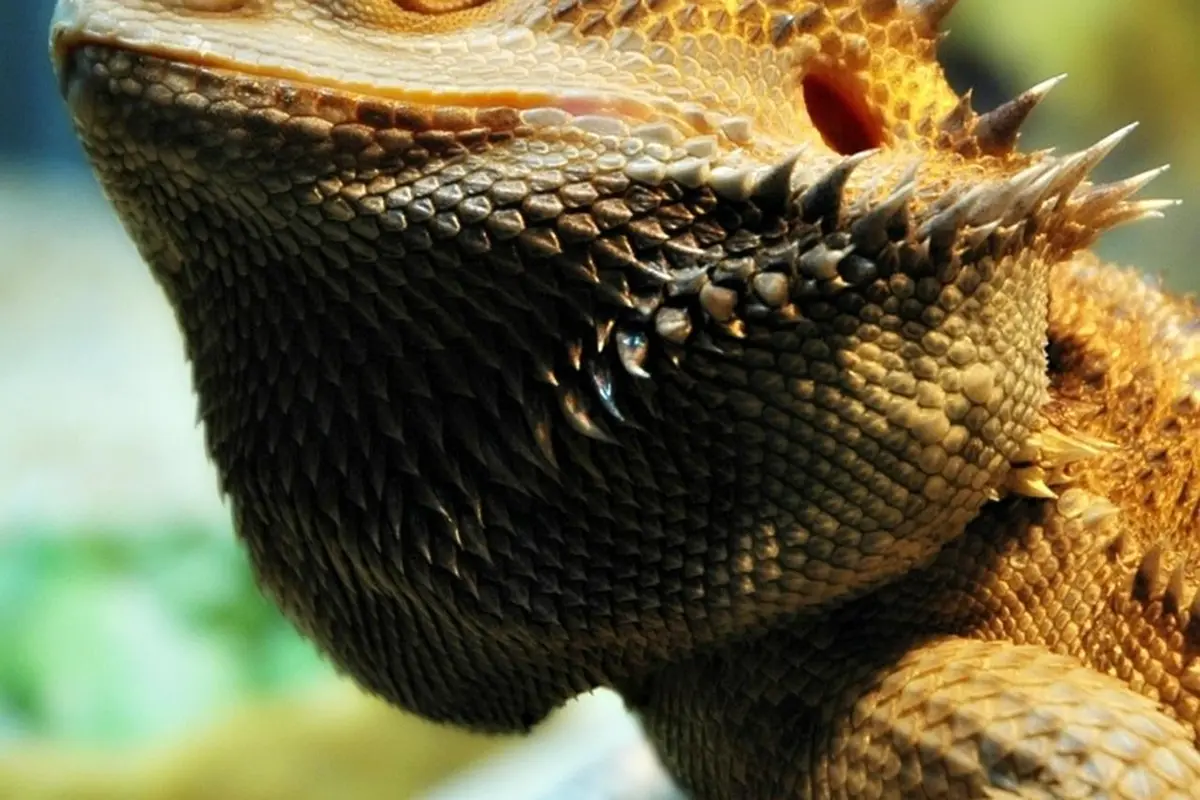
Getting them clean is only half the job. How you finish up is just as important for their health and comfort.
How to Dry Your Bearded Dragon Properly
A wet, cold dragon is an unhappy and potentially sick dragon. I always have a soft, clean towel ready before I even start the bath.
- Pat Dry Gently: Lift them from the water and place them directly onto the towel. Gently pat and blot them dry. Avoid vigorous rubbing, as this can damage their sensitive skin.
- Mind the Toes and Folds: Be sure to gently dab between their toes and in the skin folds around their legs and neck. Leftover moisture in these areas can lead to scale rot.
- Never Use a Hair Dryer: The heat is far too intense and can easily burn their delicate skin. The noise is also terrifying for them.
Post-Bath Warm-Up
Your dragon’s core temperature drops in the water, so they need to warm up efficiently.
- Return to Their Basking Spot: Place them back in their enclosure under their basking lamp immediately after drying. The heat helps them regulate their body temperature and completely dry off any remaining dampness.
- Observe Their Behavior: A happy, warm dragon will often flatten out to maximize their surface area under the light. This is a great sign they are comfortable and enjoying the warmth.
- Offer Hydration: After they are warm and dry, you can offer them water. Sometimes the bath stimulates them to drink. I often see mine lap up water droplets from their nose or the sides of the tub.
Frequently Asked Questions
What should I do if my bearded dragon poops during its bath?
If this happens, immediately remove your dragon from the water and clean the tub thoroughly before refilling it with fresh, dechlorinated water for a quick rinse. This prevents any risk of infection from contaminated water and ensures their skin stays clean. For a complete guide on whether you should bathe your bearded dragon, including safety tips, shedding considerations, and when to use tap water, see our bearded dragon bathing guide.
How can I make bath time less stressful for a bearded dragon that seems anxious?
Start with very short sessions of just a few minutes, use a shallow water level, and speak in a calm, reassuring voice to help them feel secure. Gradually increase the duration as they become more comfortable with the experience to build positive associations.
Is it necessary to bathe a bearded dragon if it doesn’t like water?
While baths are beneficial for hydration and shedding, if your dragon consistently shows extreme stress, focus on providing a humid hide and misting instead for hydration. Always prioritize their comfort and well-being over forced bathing to avoid long-term anxiety. Many bearded dragon hydration guides emphasize misting, a shallow water dish, and light spraying as core hydration tools. Use them to maintain humidity and encourage drinking without stressing your dragon.
Final Thoughts
Ultimately, giving your bearded dragon a bath is a helpful tool for hydration and spot-cleaning, not a strict weekly chore. I always remind fellow owners that a simple soak in shallow, lukewarm water is all you need—no soaps, no fuss. It’s a great way to bond and check on their health, but it shouldn’t be a source of stress for either of you. For those wondering how to bathe a bearded dragon, here’s a quick step-by-step guide. Start with a shallow dish of lukewarm water, gently place your dragon in for a few minutes, then dry thoroughly with a soft towel.
The best advice I can give is to always listen to your dragon. If they seem to enjoy their bath time, wonderful! If they clearly hate it, keep sessions very short and infrequent. Their comfort and well-being are what truly matter most. Happy dragon, happy life!
Further Reading & Sources
- Your Bearded Dragon Bath Guide: How to Bathe a Bearded Dragon in 7 Eas – Dragon’s Diet
- How to Bathe Your Pet Reptile
- r/BeardedDragons on Reddit: Can I bathe a bearded dragon?
Bearded Dragon Lair is the ultimate resource for bearded dragon enthusiasts, offering expert advice and practical tips to ensure the health and happiness of your scaly companion. With years of experience in reptile care, we are dedicated to providing accurate, up-to-date information to support your bearded dragon journey.
Bath Time Fun