How Long Should You Bathe and Let Your Bearded Dragon Bask?
Published on: February 20, 2026 | Last Updated: February 20, 2026
Written By: Beardie Joe
Finding the perfect balance for your bearded dragon’s bath and bask time is one of the most common questions new owners face.
With years of hands-on experience caring for my own dragons, I can guide you through the simple steps to get it right for your pet’s well-being.
You’ll learn the ideal duration for both activities, how to spot signs your dragon needs more or less time, and my personal tips for a stress-free routine.
Bearded Dragon Bathing Basics
Bathing your bearded dragon isn’t just about getting them clean – it’s a vital part of their care that supports hydration and helps with shedding. I’ve seen my own dragons perk up after a soak, especially when they’re struggling to shed those stubborn patches of skin. Regular baths can prevent dehydration and make the shedding process much smoother for your pet. If dehydration is a concern, you can also support hydration with gentle soaks and a shallow water dish. For more information, check out this guide on how to hydrate bearded dragons; you can also explore alternatives like hydrating a bearded dragon and other bearded dragon hydration tips. If hydration doesn’t improve or signs worsen, consult a reptile veterinarian.
How often you bathe them depends on their age, health, and the time of year. Juvenile beardies might need baths 2-3 times a week because they grow fast and shed frequently, while adults often do well with once a week. If your dragon is dealing with health issues like constipation, more frequent soaks can help. In warmer months, I sometimes bump up bath time to keep them comfortable. For a complete soaking guide on how often to bathe your bearded dragon, see our step-by-step resource. It covers frequency by age and health plus safety tips.
- Promotes hydration, especially if they’re not drinking enough from their bowl.
- Aids in shedding by loosening dead skin.
- Helps with digestion and can relieve mild constipation.
- Provides a chance to bond and check for any health concerns.
Ideal Bathing Duration for Bearded Dragons
Most bearded dragons do best with a bath lasting 10 to 20 minutes. I stick to this range because it’s long enough for them to absorb water and relax, but not so long that they get stressed. Watch your dragon’s behavior closely—if they start paddling frantically or trying to climb out, it’s time to end the bath early. This is part of a complete guide on whether you should bathe your bearded dragon, including safety considerations, shedding, and how to use tap water safely. When giving a bath, ensure the water is lukewarm and shallow, and supervise at all times.
Factors like water temperature and your pet’s mood can affect how long they should soak. If the water feels cool or your beardie seems anxious, shorten the session. On the flip side, a calm dragon in warm water might enjoy the full 20 minutes.
- Start with 10 minutes and extend if they’re calm.
- Use a timer to keep track-it’s easy to lose track of time!
- If you see signs of stress, like a black beard or rapid movements, gently lift them out and try again another day.
Setting the Right Bath Environment
Water depth is critical for safety-I always make sure it’s no deeper than my dragon’s shoulders to prevent any risk of drowning. A shallow plastic tub or sink works perfectly. Fill the container just enough to cover their legs, so they can sit comfortably without struggling.
Water temperature should feel lukewarm to your wrist, around 85-100°F. I test it with a reptile-safe thermometer to be precise. Too hot or cold can shock their system and cause stress.
- Choose a quiet spot away from loud noises or other pets.
- Use a non-slip mat at the bottom to help them feel secure.
- Keep the room warm to avoid chills after the bath.
Bearded Dragon Basking Fundamentals
Basking is non-negotiable for bearded dragons-it fuels their digestion and allows them to absorb UVB light, which is essential for calcium metabolism. Without it, they can develop serious issues like metabolic bone disease. I’ve noticed my dragons become more active and eat better when their basking spot is just right.
A proper basking setup includes a heat lamp that provides both warmth and UVB, along with a sturdy platform for them to lounge on. This mimics their natural habitat and supports everything from immune function to overall vitality.
- Essential for breaking down food and preventing impaction.
- Enables vitamin D3 synthesis from UVB exposure.
- Supports bone health and energy levels.
Recommended Basking Time and Duration
Bearded dragons typically need 10 to 14 hours of basking time each day, aligned with a natural daylight cycle. I use a timer on my lamps to keep things consistent—lights on at 7 AM and off at 9 PM works well for my crew. Consistency in their basking schedule helps regulate their internal clock and reduces stress. Be aware that their sleep hours can extend during brumation-like periods or cooler seasons, and baby bearded dragons often have different sleep patterns with more frequent naps.
Younger, growing dragons might bask more often, up to 12-14 hours, while adults may settle into 10-12 hours. Bearded dragons grow quickly in their first year, typically reaching adult size by 12-18 months. As they mature from hatchling to adult, you may notice changes in basking patterns and daily activity that reflect their growing needs. If your beardie is less active or older, you might see them basking in shorter bursts throughout the day.
- Juveniles: 12-14 hours daily for growth and energy.
- Adults: 10-12 hours, with flexibility for napping.
- Adjust based on activity-observe if they’re seeking heat or avoiding it.
Creating an Optimal Basking Spot
The basking area should be kept between 95-110°F, with juveniles needing the warmer end of that range. I use a digital thermometer with a probe to monitor the temperature accurately. Place the heat lamp overhead but at a safe distance to prevent burns-usually 6-12 inches from the basking surface.
Tools like thermostat controllers can help maintain steady temperatures, and I always opt for ceramic heat emitters or dedicated basking bulbs. Safety is key to avoid overheating or accidental contact.
- Use a rock or branch as a basking platform-it holds heat well.
- Check temperatures at different times of day to ensure stability.
- Never use heat rocks, as they can cause severe burns.
Recognizing and Addressing Common Issues
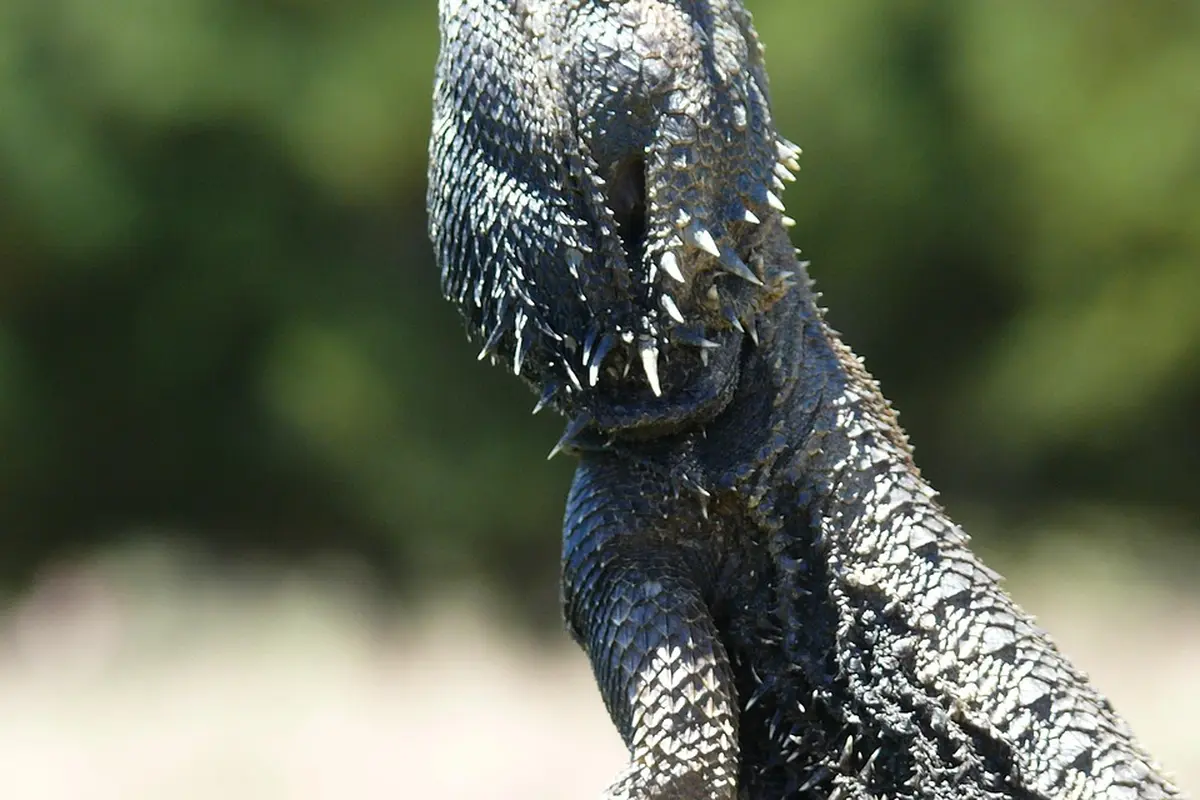
Your dragon will tell you everything you need to know if you learn to read their body language. Stress signs are not subtle; they are a clear plea for you to change the situation.
Identify Signs of Stress
- Frantic swimming or scrambling to climb out of the bath.
- Turning their beard black, which is a classic sign of distress.
- Gaping (holding their mouth open) while in the water.
- Glass surfing against the side of the tub or tank immediately after a bath.
- Hiding from their basking light or consistently staying on the cool side of the enclosure.
Avoid Over-Bathing
I learned this the hard way with one of my first dragons. Too many baths can strip their skin of natural oils. Over-bathing leads to dry, flaky skin and can actually cause shedding problems, not solve them. It’s also a significant source of stress. Stick to the 10-15 minute, 2-3 times a week schedule unless your dragon has a specific medical need for more. Healthy shedding should occur with the skin peeling safely in manageable pieces, not raw or torn. If you see stuck shed, handle it gently or seek veterinary advice to avoid injury.
Adjusting Your Routine
- If you see stress signs, immediately end the bath and gently return your dragon to their enclosure.
- For a dragon that hates baths, try reducing the frequency to once a week and ensure the water is very shallow.
- If they are avoiding the basking spot, check the temperature with a reliable digital thermometer. It might be too hot or not hot enough.
- Give them a few days to settle after a routine change before you try something new.
Age and Seasonal Adjustments
A baby dragon’s needs are wildly different from a senior’s. Adjusting your care for their life stage is one of the most compassionate things you can do as an owner.
Bathing and Basking by Age
- Juveniles (0-6 months): They are tiny and dehydrate quickly. Short, 5-10 minute baths 2-3 times a week are perfect. Their basking spot is non-negotiable for growth and must be consistently available.
- Adults (18+ months): They are more resilient. A 15-20 minute soak once or twice a week is usually sufficient. They still need a proper basking area to digest their meals.
- Seniors: They often become less active. Monitor them closely in the bath and provide a slightly lower basking temperature if they seem to struggle with the heat.
Seasonal Guidance
Your dragon’s metabolism is tied to heat and light. In colder months or climates, you might notice your dragon enters a period of lower activity called brumation. During this time, they may not want to bask or bathe at all. Do not force it. In hot, dry climates, an extra bath per week can help with hydration.
Precautions for Juveniles vs. Adults
- Always use much shallower water for babies. I only fill the tub to their elbows.
- Never leave a juvenile unattended, not even for 10 seconds. They are fragile and can drown in very little water.
- Adults are sturdier but can still panic. Your calm presence is the best safety tool.
Post-Bath and Basking Care
What you do after the bath is just as important as the bath itself. A proper drying routine prevents chilling and keeps your dragon comfortable. If you do wash your bearded dragon, you should use a mild reptile-safe cleanser or plain warm water. Rinse thoroughly and allow time for a thorough air-dry in a warm, draft-free spot.
Safe Drying and Handling
- Gently lift them from the bath and place them on a soft, clean towel.
- Pat them dry rather than rubbing. I like to use a paper towel for their underside to be extra gentle.
- Let them sit on the towel in your lap or a secure spot until they are completely dry to the touch, especially in their skin folds.
- Once dry, place them directly back into their warm enclosure, ideally near their basking spot.
Hydration and Observation
Many dragons will drink during their bath, which is fantastic. Always offer fresh, clean water in their enclosure after a bath to encourage further hydration. Watch them for the next hour. Are they basking normally? Are they active and alert? This tells you the experience was positive. You can also explore 10 proven methods to get your bearded dragon to drink water. These tips can offer additional hydration ideas.
Basking Spot Safety
Before you return them, do a quick safety check. Make sure their basking platform is stable and the right distance from the heat lamp. Feel the spot with your hand-it should be warm, not scorching. A safe return to a perfect basking spot helps them regulate their body temperature and digest properly after their soak.
Frequently Asked Questions
When is the best time to bathe my bearded dragon?
It’s ideal to bathe your bearded dragon during their active daytime hours, such as mid-morning or early afternoon, after they’ve had time to warm up under their basking light to reduce stress and support natural behavior. If you’re new to bathing bearded dragons, here’s a quick step-by-step guide for bathing and drying. This helps keep bath time calm and safe.
What is the ideal water temperature for a bearded dragon bath?
The water should be lukewarm, between 85-100°F, to mimic their natural environment and prevent discomfort or shock; always test it with a thermometer for accuracy.
What are some essential bathing tips for bearded dragons?
Always use shallow water no deeper than their shoulders, provide a non-slip surface in the bath, and keep sessions brief while closely monitoring for any signs of stress like frantic movement.
Final Thoughts
Getting the timing right for baths and basks is one of the most caring things you can do for your scaly friend. I stick to a simple rule of thumb: 10 to 20 minutes for a shallow, lukewarm bath and at least 2 hours of dedicated, uninterrupted basking time afterward. This routine supports their health from the inside out.
Ultimately, your bearded dragon will tell you what they need if you watch their behavior closely. A happy dragon is one that gets to soak, warm up properly, and then go about their day feeling clean and comfortable. Trust your instincts – you’ve got this. To tell if your bearded dragon is healthy, use a complete health check guide. It outlines key signs to watch, like appetite, hydration, weight, and overall appearance.
Further Reading & Sources
- How To Bathe A Bearded Dragon (The Hassle-Free Guide)
- How to Give a Bearded Dragon a Bath: 11 Steps (with Pictures)
- Bearded Dragon Basking Habits – The Reptile Networks “Replicate, Emulate, Stimulate”
Bearded Dragon Lair is the ultimate resource for bearded dragon enthusiasts, offering expert advice and practical tips to ensure the health and happiness of your scaly companion. With years of experience in reptile care, we are dedicated to providing accurate, up-to-date information to support your bearded dragon journey.
Heating and Lighting