
Bearded Dragon Hydration Guide: Misting, Water Bowls & Spraying
Published on: February 8, 2026 | Last Updated: February 8, 2026
Written By: Beardie Joe
Keeping your bearded dragon hydrated is a common concern for many pet owners, and getting it right makes all the difference for their health.
I’ve cared for multiple bearded dragons over the years and have professional reptile care training, so I can help you navigate this with confidence.
This guide will walk you through the ins and outs of misting, using water bowls effectively, and proper spraying methods to keep your scaly friend well-hydrated.
Understanding Bearded Dragon Hydration
Why Hydration is Non-Negotiable
I’ve seen what happens when a bearded dragon gets dehydrated, and it’s a fast track to serious health issues. Proper hydration isn’t just about preventing thirst; it’s the foundation for every single bodily function. Knowing how to hydrate a bearded dragon and what to do if it’s dehydrated can make all the difference.
Hydration is the silent partner to good digestion, nutrient absorption, and healthy kidney function. When my beardie, Spike, is well-hydrated, he passes urates that are soft and white. Dehydrated dragons pass hard, chalky, and often yellowish urates, which is a clear sign their kidneys are under stress. Observing how he uses his water bowl—whether he drinks right away, lingers nearby, or even naps by it—can offer practical clues about his hydration needs and daily rhythms. Explaining these behaviors, such as his tendency to relax in the water bowl, helps us understand why a bearded dragon might sit by the water bowl, drink at certain times, or seem sleepy when hydration levels shift. For more insights on bearded dragon water bowl behavior, you can check out this link: Bearded dragon water bowl behavior.
It also directly impacts shedding. A hydrated dragon will shed in large, clean pieces. A dehydrated one will have stuck shed, particularly on their toes and tail tips, which can constrict blood flow and lead to loss of the digit.
How Their Environment Affects Thirst
Your dragon’s habitat setup plays a huge role in their hydration levels. It’s a delicate balance that you control when you manage the humidity levels in their enclosure.
The ambient humidity in the tank is a major player, and getting it wrong can cause problems from both ends. Too low, and your dragon will lose moisture through its skin and respiratory system far too quickly. Too high, and you risk creating a breeding ground for nasty respiratory infections.
Basking temperature is another key factor. The intense heat they need to digest their food also speeds up dehydration. Think of it like sitting in a sauna; you need to drink more water to compensate for what you’re losing. A proper thermal gradient allows them to self-regulate and find a comfortable spot that doesn’t zap all their moisture.
How Bearded Dragons Naturally Drink Water
Hydration from Their Food
In the wild, a significant portion of a bearded dragon’s water intake comes directly from what they eat. We can and should replicate this in captivity. This is also covered in our bearded dragon daily water guide, which explains how much water they should drink each day. We also note how to adjust intake based on age, diet, and humidity.
Feeding water-rich, gut-loaded insects and fresh greens is one of the most effective ways to keep your dragon hydrated from the inside out. I always make sure the crickets and roaches I feed have been munching on water-rich veggies like carrots and zucchini for at least 24 hours beforehand. Additionally, I offer a shallow water dish with clean tap water for drinking. Since bearded dragons don’t absorb meaningful moisture through their skin, I make sure the water is safe—often using filtered or dechlorinated tap water and letting it sit to dissipate chlorine.
Your salad is another prime opportunity. Offer these greens frequently:
- Bell peppers (all colors)
- Cucumber (peeled)
- Zucchini
- Butternut squash
- Fresh herbs like cilantro and basil
These foods not only provide vitamins but also deliver moisture in a way their bodies are naturally designed to absorb.
Using a Water Bowl in the Habitat
I always keep a water bowl in my dragons’ enclosures. While they might not drink from it like a dog or cat, it serves as a vital hydration station and helps maintain a healthy microclimate. It’s a simple piece of equipment, but getting it right makes a big difference, especially when using water for your bearded dragons in any form.
Choosing the Right Water Dish
Not all bowls are created equal for a bearded dragon. You need to think about their safety and how easy it is for them to use.
- Material: I prefer ceramic or heavy-duty resin dishes. They are sturdy, hard to tip over, and easy to clean and disinfect.
- Size and Depth: The bowl should be large enough for your dragon to soak its entire belly if it chooses, but shallow enough that a baby dragon can’t drown. A depth of 1-2 inches is usually perfect.
- Safety First: Avoid any bowl with sharp or rough edges. I once had a plastic bowl that developed a tiny sharp burr from their claws; I noticed it just in time before it could cause any harm.
- Low Profile: Choose a bowl with a low entry point. This makes it easy for your dragon to walk in and out without struggling, encouraging them to use it for a quick soak.
Water Temperature and Quality
The water in the bowl needs to be fresh and inviting.
- Temperature: Always use lukewarm water. I test it with my wrist, just like you would for a baby’s bottle. Cold water can shock their system and lower their body temperature too much.
- Quality: I only use treated water. Regular tap water often contains chlorine and chloramines, which can irritate their eyes and skin during soaks. I use a simple reptile-safe water conditioner, or you can use bottled spring water.
- Freshness is Key: Change the water daily without fail. They track substrate, poop, and food into it, and stagnant water is a breeding ground for bacteria.
Misting Your Bearded Dragon for Hydration
Misting is one of my favorite ways to interact with and hydrate my dragons. Seeing them lap up droplets from their snouts is a clear sign you’re meeting a fundamental need. It mimics the morning dew they might encounter in the wild.
Creating a Misting Schedule
How often you mist depends on your dragon’s age and your home’s climate.
- For Babies and Juveniles: I mist my younger dragons lightly once or twice a day. They are growing rapidly and can dehydrate faster than adults.
- For Adults: A thorough misting 3-4 times a week is usually sufficient, but watch for signs of thirst.
- Watch Their Cues: Your dragon will tell you what it needs. If it immediately starts licking the water off its face and the enclosure decorations, it was thirsty. If it puffs up and tries to escape, it’s had enough.
- Focus on the Head: Aim the fine mist spray at the front of the enclosure and their head, letting the droplets settle on them. Avoid spraying directly into their face or nostrils.
Evening Misting and Humidity Control
Timing your misting sessions is just as important as the act itself.
- The Evening Advantage: I find the best time to mist is in the early evening, as the lights and heat are starting to dim. This gives the enclosure time to dry out overnight, preventing a constant state of high humidity which can lead to respiratory infections.
- Monitor Humidity: Always keep a digital hygrometer in the enclosure. The ideal humidity range is between 30% and 40%. A heavy misting will cause a temporary spike, which is fine as long as it drops back down.
- Ventilation is Your Friend: Proper screen tops and cross-ventilation are essential to allow that moisture to escape after a misting session. A stagnant, wet tank is an unhealthy tank.
Spraying Techniques for Direct Hydration

I find that a direct spray is one of the best ways to connect with your dragon and ensure they’re getting water. It’s more than just squirting a bottle; it’s about technique and paying attention.
The goal is to mimic a gentle, warm morning rain, not startle them with a cold shock.
Reading Your Dragon’s Post-Spray Behavior
Watch your dragon closely after you spray them. Their body language tells you everything about how they feel about the experience.
- The Happy Lap: If they immediately start lapping water droplets from their snout, the enclosure walls, or even their own skin, you’ve hit the jackpot. This is a clear sign they are thirsty and appreciate the drink.
- The Relaxed Soak: Some dragons will simply sit there, close their eyes, and flatten their bodies a little. They are absorbing the moisture and enjoying the humidity. I see this often with my older dragons; it’s like a spa day for them.
- The Quick Shake: A single, full-body shake is normal. They are just shedding excess water, much like a dog would.
- The Stress Signals: If your dragon puffs up their beard, turns a darker color, or scrambles away quickly, they are telling you they hate it. Always respect a “no” from your pet and try a different hydration method. I had one dragon who would only drink from a moving drip; spraying was a hard limit for her.
Spotting and Solving Dehydration
Catching dehydration early is a critical skill for any bearded dragon owner. These desert animals are masters at hiding weakness, so you need to know the subtle signs. In fact, there are 7 critical signs of dehydration to look for when you suspect dehydration. Recognizing them early can greatly influence the outcome for your dragon.
Regularly checking for these symptoms can help you catch a problem before it becomes an emergency.
Early and Advanced Signs
| Early Signs | Advanced Signs (Vet Visit Needed) |
|---|---|
| Loose, wrinkly skin on the back and sides | Sunken, dull-looking eyes |
| Loss of skin elasticity (a gentle pinch stays tented) | Lethargy and loss of appetite |
| Thick, stringy saliva | Wrinkled skin around the spine and head |
| Reduced urate production or chalky, hard urates | Refusing to eat or move |
Emergency Rehydration Steps
If you suspect serious dehydration, you need to act calmly but quickly. These steps have helped me nurse dragons back to health.
- Offer a Warm Bath: Place your dragon in shallow, lukewarm (not hot) water that only reaches their elbows. The warmth can encourage them to drink and helps with hydration through the vent.
- Try an Electrolyte Soak: You can use a reptile-specific electrolyte product or make a very weak, unflavored Pedialyte bath. This helps replace lost minerals.
- Drip Water on the Nose: Use a clean syringe (no needle) or your finger to place a drop of water on the tip of their snout. Be patient. Let them lick it off before offering another drop.
- Consult a Veterinarian: For advanced signs, a vet can provide subcutaneous fluids (fluids under the skin) for immediate relief. Never force-water a lethargic dragon, as they can easily aspirate.
Bathing for Hydration and Health
While many reptiles get their water from misting and drinking, a good soak is a fantastic multi-tool for your bearded dragon’s well-being. I’ve found that a weekly bath is a perfect baseline for most adult dragons to help with hydration and skin health. It’s a relaxing ritual for both of us. Wondering how often to bathe your dragon? This complete soaking guide walks you through frequency, duration, and safety to tailor baths to your pet’s needs.
How Often to Bathe for Hydration
Bathing frequency isn’t one-size-fits-all. You need to watch your dragon and adjust. I base my schedule on a few key factors.
- Adults (Over 18 months): A bath once or twice a week is usually perfect. This helps with general hydration, especially if they aren’t big drinkers from their bowl.
- Juveniles (Under 18 months): They can be bathed 2-3 times a week. They are growing fast and can use the extra hydration support.
- During Shedding: Increase baths to every other day. The warm water softens the old skin, making the shed much more comfortable for them.
- If Constipated: A warm bath can often help get things moving. I’ll offer one daily until the situation resolves.
Always use lukewarm water-test it with your wrist, it should feel warm but not hot. The water should only be as deep as your dragon’s shoulders when standing; safety and comfort are the top priorities. I never leave my dragons unattended during bath time, not even for a minute.
Building a Daily Hydration Routine
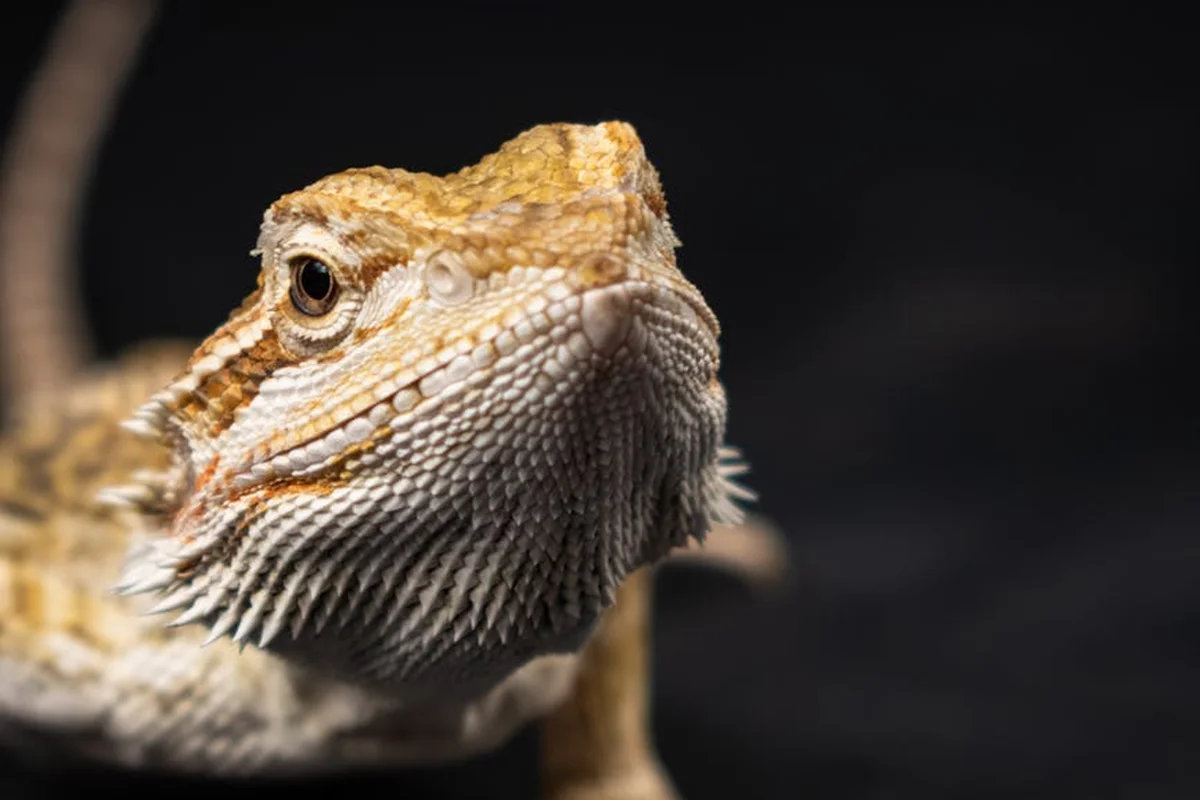
Consistency is everything. A predictable routine reduces stress for your pet and ensures they stay happily hydrated. This is the simple daily check I run through with my own dragons.
- Morning Misting: First thing in the morning, I give the tank glass and decor a light mist. This spikes the humidity briefly and encourages them to lick droplets, kickstarting their hydration for the day.
- Fresh Water Bowl: I dump, scrub, and refill the water bowl with fresh water daily. Stagnant water is a breeding ground for bacteria.
- Salad Spray Down: Right before I offer their morning salad, I spritz the greens with water. This adds crucial moisture directly to their diet and makes the greens more appealing.
- Evening Check: I observe the water bowl level and check their skin elasticity by gently pinching a bit of skin on their back. If it snaps back quickly, they’re well-hydrated.
Watch for your dragon’s personal habits. Bearded dragons eat spring mix as a base for their greens, so you can build the perfect salad around it. Add a few safe vegetables to round it out and keep things tasty and balanced. One of my beardies always drinks after her salad, so I make sure her bowl is extra clean and full at that time. Your dragon will show you what works best for them; you just have to pay attention.
Frequently Asked Questions
What is a water fountain for a bearded dragon?
A water fountain is a device that circulates and filters water, providing a moving source that may encourage drinking, but it requires frequent cleaning to prevent bacterial buildup and is not a replacement for other hydration methods.
What is the water temperature for bearded dragons?
Water should be lukewarm, tested by feeling it on your wrist like you would for a baby’s bottle, to prevent temperature shock and ensure it’s comfortable for drinking or soaking.
What are dehydration signs in bearded dragons?
Key signs include loose, wrinkled skin that tents when gently pinched, sunken or dull eyes, and thick, stringy saliva, which indicate a need for prompt rehydration to avoid health complications.
Final Thoughts
Keeping your bearded dragon hydrated boils down to a simple, multi-method approach. I always provide a clean, shallow water bowl, use daily misting for drinking and humidity, and offer regular baths for extra hydration and a good soak. This combination has never let me or my dragons down. Want more ideas? I cover how to make your bearded dragon drink water in a dedicated guide. It expands on practical tweaks beyond bowls, misting, and baths to boost hydration.
The most important tool in your hydration kit is your own observation. Watch for bright eyes, elastic skin, and active behavior-these are the true signs of a happy, well-hydrated pet. Trust your instincts, use these methods together, and you’ll master their care in no time.
Further Reading & Sources
- Is Your Bearded Dragon Dehydrated? Here’s How to Tell & What to Do Abo
- Bearded Dragon Hydration: What You Need to Know – Zen Habitats
- How to Keep Your Bearded Dragon Hydrated – ABDRAGONS
Bearded Dragon Lair is the ultimate resource for bearded dragon enthusiasts, offering expert advice and practical tips to ensure the health and happiness of your scaly companion. With years of experience in reptile care, we are dedicated to providing accurate, up-to-date information to support your bearded dragon journey.
Hydration Needs