
How to Humanely Euthanize a Bearded Dragon at Home
Published on: September 18, 2026 | Last Updated: September 18, 2026
Written By: Beardie Joe
Facing the decision to euthanize your bearded dragon is one of the most heartbreaking moments in pet ownership.
Having cared for many reptiles over the years, I want to guide you through this difficult process with the compassion and clarity your dragon deserves.
This article will walk you through recognizing when it’s time, the most humane at-home method, and the important aftercare steps for your beloved pet.
Recognizing When Euthanasia Is the Kindest Choice
Watching a beloved pet decline is one of the hardest parts of being a guardian. I’ve been there, sitting with one of my dragons, hoping for a turnaround that never came. Knowing when to let go is an act of profound love, not a failure of care. It’s about prioritizing their comfort over our own desire for more time. For bearded dragons, regular vet checkups with a reptile specialist are part of responsible care. Knowing the warning signs and when to seek emergency help can make a critical difference.
Look for these clear signs that your bearded dragon’s quality of life has faded:
- Complete and prolonged loss of appetite, even for favorite treats.
- Chronic, unresponsive pain that makes them flinch or hide constantly.
- Difficulty breathing or moving without obvious strain.
- Advanced stages of incurable illnesses like metabolic bone disease or organ failure.
- No longer showing interest in their environment, basking, or interaction.
Palliative care-like hand-feeding, pain medication, and adjusting their habitat-can offer comfort for a while. I’ve set up hospital tanks with softer substrates and easier-to-reach heat sources. But there comes a point when these measures are no longer enough to mask the underlying suffering. When every day is a struggle, the kindest choice is to end that struggle.
You should never make this decision alone. A veterinarian’s confirmation is an essential, responsible step. They can provide a professional diagnosis, confirm that treatment options are exhausted, and help you see the situation clearly through the fog of your emotions.
Understanding Your Euthanasia Options
Once the difficult decision is made, you face another one: how to proceed. This is where you must balance your own emotional needs with what is safest and most humane for your pet.
Home euthanasia is a topic that comes up often in reptile communities. The idea of saying goodbye in a familiar place can feel comforting. However, the risks of causing pain, distress, or a botched procedure at home are incredibly high. Methods often suggested online, like freezing or physical trauma, are inhumane and cause immense suffering. They have no place in a compassionate end-of-life plan.
Proper, painless euthanasia requires two stages: deep sedation (anesthesia) that renders the animal completely unconscious, followed by a method that stops the heart. This process is nearly impossible to replicate safely and humanely outside a clinical setting. Animal welfare laws and ethical considerations also heavily favor methods that eliminate all potential for suffering.
Veterinary-Assisted Euthanasia
This is the method I have personally chosen and always recommend. The process is peaceful and designed for zero pain.
- The vet will typically administer a powerful injectable anesthetic. Your dragon will gently fall into a deep, irreversible sleep.
- Once fully unconscious, a second injection stops the heart. They feel nothing.
- Costs can vary, but many clinics offer compassionate pricing for euthanasia services.
The greatest benefit is the absolute certainty that your pet’s passing is calm and pain-free. It also spares you the immense stress and potential trauma of performing the procedure yourself. You can focus entirely on being present with your pet for their final moments.
Home Euthanasia Considerations
If you are still considering a home option, you must proceed with extreme caution and only under direct veterinary guidance.
- Some mobile vets may offer in-home euthanasia services, bringing the clinical standard of care to you.
- Attempting any method without professional supervision and prescribed sedatives is unsafe and unethical.
- The necessary supplies for a humane process are controlled substances that only a licensed vet can provide.
Before you decide, get a second opinion from another reptile vet on your end-of-life plan. They can reinforce why a professional setting is the gold standard for welfare. Your dragon has given you their trust; honoring that trust means ensuring their final experience is one of peace, not fear. If you’re unsure where to find a reptile veterinarian, ask local herpetology groups or your primary care vet for referrals. They can connect you with qualified reptile specialists in your area.
Preparing for a Humane Home Euthanasia
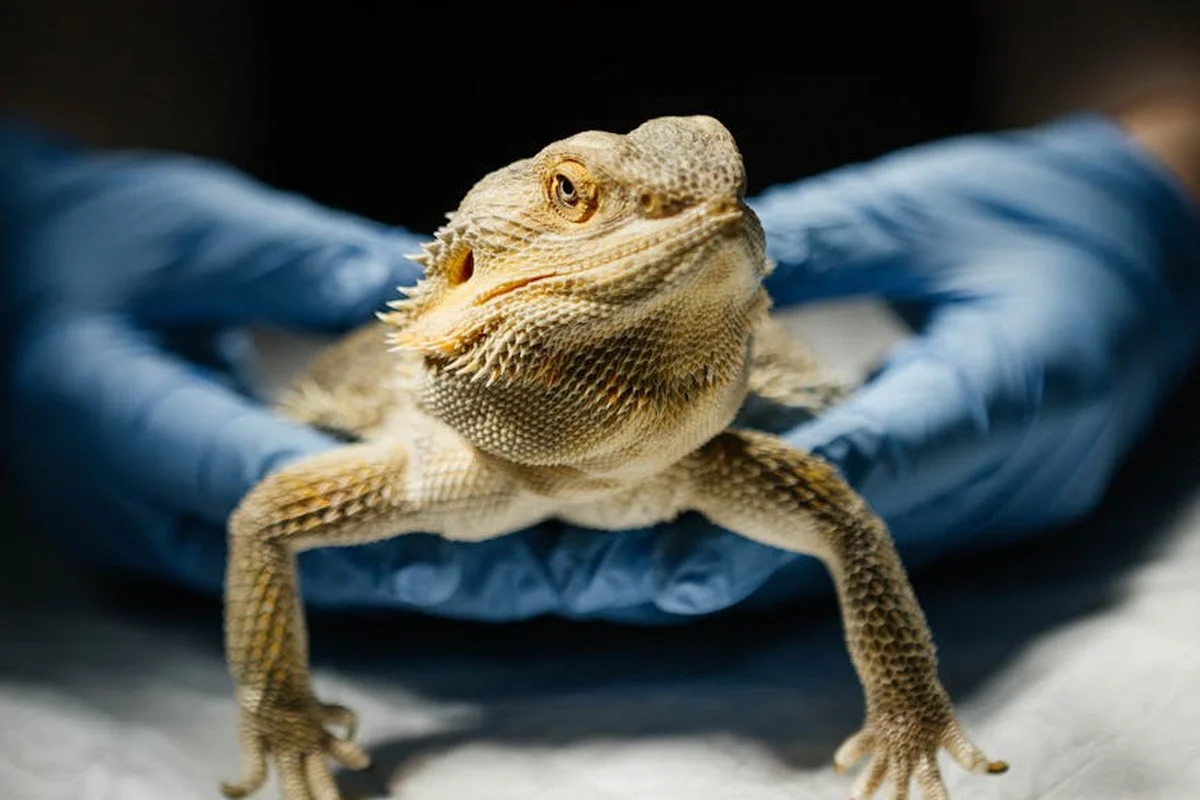
This is one of the hardest decisions you will ever make for your pet. My personal rule is to always, always start with a veterinary consultation, even if you plan to proceed at home. A vet can confirm the necessity of euthanasia and is your best resource for guidance.
Here are the steps to take before the procedure begins.
- Consult with a Veterinarian. Discuss your dragon’s condition and your decision. Many vets will provide you with the necessary euthanasia solution and sedation, along with precise, weight-based dosage instructions. They can talk you through the entire process.
- Perform a Legal Check. Laws regarding the possession and use of euthanasia solutions vary by location. Your veterinarian will inform you of the legalities and may require you to bring your dragon in for the procedure.
- Gather Your Equipment. You will need the prescribed sedation and euthanasia solution, syringes, a small towel, and a quiet, comfortable box or container lined with a soft cloth.
- Create a Calm Environment. Choose a quiet room with dim lighting. Have a trusted friend or family member with you for support. Having someone to help you stay calm directly benefits your dragon, as they can sense your stress.
- Have Emergency Contacts Ready. Keep your veterinarian’s phone number and the number for an emergency animal poison control center visibly nearby, just in case.
Step-by-Step Guide to Home Euthanasia
This guide assumes you have obtained the proper materials and instructions from a qualified veterinarian. Never attempt this process without professional veterinary guidance and approved substances.
Sedation and Anesthesia Administration
The goal here is to ensure your bearded dragon is in a deep, painless sleep before the final step.
- Calculate the exact dosage of sedative based on your dragon’s precise weight, as directed by your vet.
- Gently wrap your dragon in a small towel, leaving the intended injection site exposed. For bearded dragons, this is often the front half of the body cavity.
- Have your helper hold your dragon securely and calmly. Speak to your pet in a soft, reassuring voice throughout the entire process.
- Administer the sedative via an intramuscular or intracoelomic injection as your vet instructed. This is typically a clear liquid.
- Place your dragon in their prepared, comfortable container. They will gradually become lethargic and fall into a deep state of unconsciousness. This can take several minutes. You will know they are fully sedated when they do not respond to any touch or stimulus.
Euthanasia Procedure and Confirmation
Once your dragon is fully anesthetized and feels no pain, you can proceed. The euthanasia solution works by stopping the heart quickly and peacefully. Common bearded dragon surgeries include mass removal, wound repair, and fracture stabilization, all performed under veterinary anesthesia. Licensed veterinarians monitor the dragon throughout the procedure to ensure safety and humane handling.
- Draw the correct dose of euthanasia solution (often a pink liquid) into a new, clean syringe.
- Locate the heart. In a sedated dragon, you can often see or feel a faint heartbeat in the chest area.
- Administer the solution directly into the heart or the body cavity, following your vet’s specific instructions. This action is swift, and death follows almost immediately.
- Confirm passing. Gently check for a heartbeat and breathing for at least a full minute. There should be no movement, no breath, and no blink reflex if you gently touch the eye.
- Allow yourself a moment. Wrap your dragon in their soft cloth and hold them if you wish. This is a profound moment of loss, and it’s okay to grieve.
Post-Euthanasia Care and Disposal
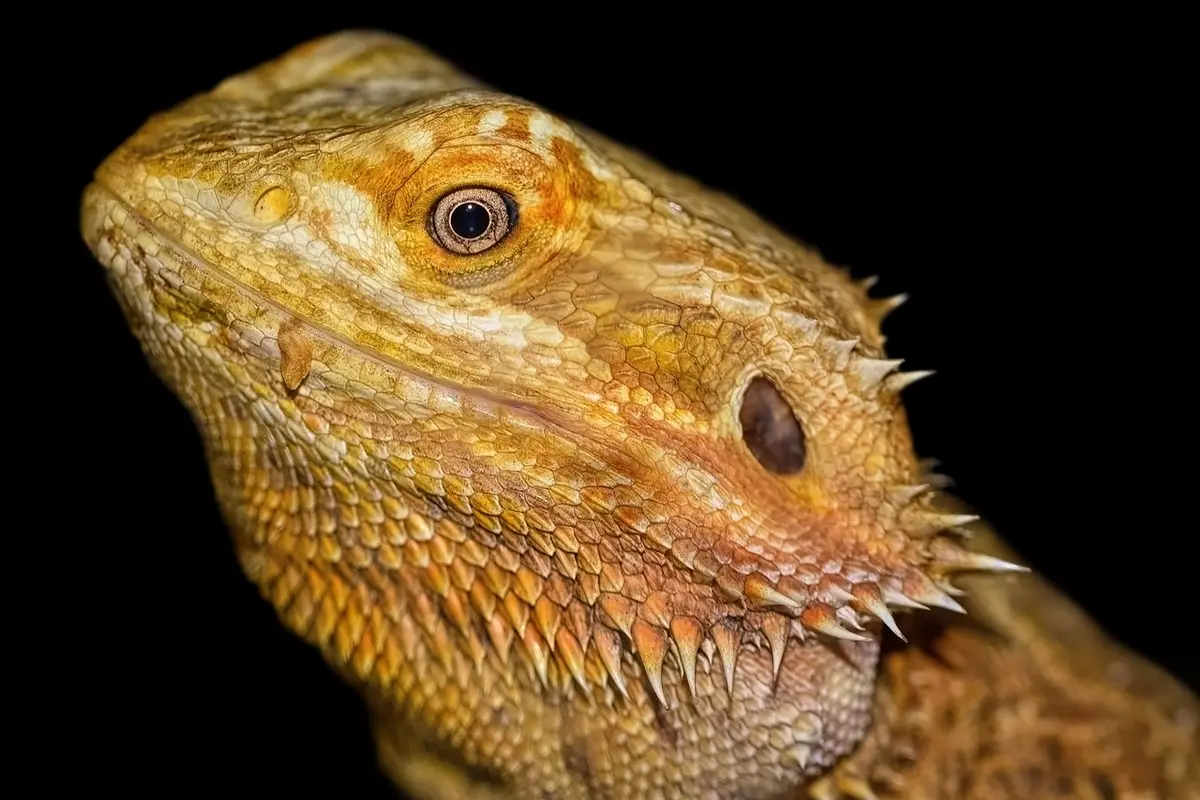
Once your dragon has peacefully passed, the immediate care you provide for their body is a final act of love. I always handle my dragons with the same gentleness I showed them in life, wrapping them in a soft, small cloth. In bearded dragon end life care, this gentle handling helps ensure a dignified transition. It also gives you space to grieve and reflect. This respectful handling honors the bond you shared and provides a moment of quiet closure.
Your Options for Final Resting Place
You have a couple of main paths for laying your friend to rest. I’ve personally chosen both burial and cremation at different times, depending on my living situation and what felt right for that particular dragon. For new bearded dragon owners, a complete beginner’s guide to taking care of bearded dragons covers housing, feeding, and daily care. It also helps you plan for all stages, including end-of-life decisions with compassion.
- Home Burial: Find a meaningful spot in your yard, if local laws permit. Dig a deep hole, at least three feet down, to prevent other animals from disturbing the site. I like to wrap my dragon in their favorite fleece blanket before gently placing them in the ground. You can mark the spot with a stone or plant a bush in their memory.
- Cremation: Many veterinary clinics offer cremation services, even if the euthanasia was performed at home. You can often choose between a communal cremation or a private one where you receive the ashes back in a special urn. This option provides a permanent keepsake if you move homes frequently or prefer to keep your dragon’s remains with you.
Documenting Their Memory
After saying goodbye to one of my first dragons, I found immense comfort in creating a small memory box. This doesn’t have to be complicated. I simply gathered a few of his favorite items—a smooth rock he always basked on, a few photos, and his tiny leash. Creating a physical record of your pet’s life can be a powerful step in your personal healing journey. If you’re considering a bearded dragon or starting out as a first-time owner, a quick first-time owner’s guide can help you know what you need to learn before bringing one home. You could also write down your favorite memories or make a paw-print impression if you feel up to it.
Navigating Legal and Emotional Aftermath
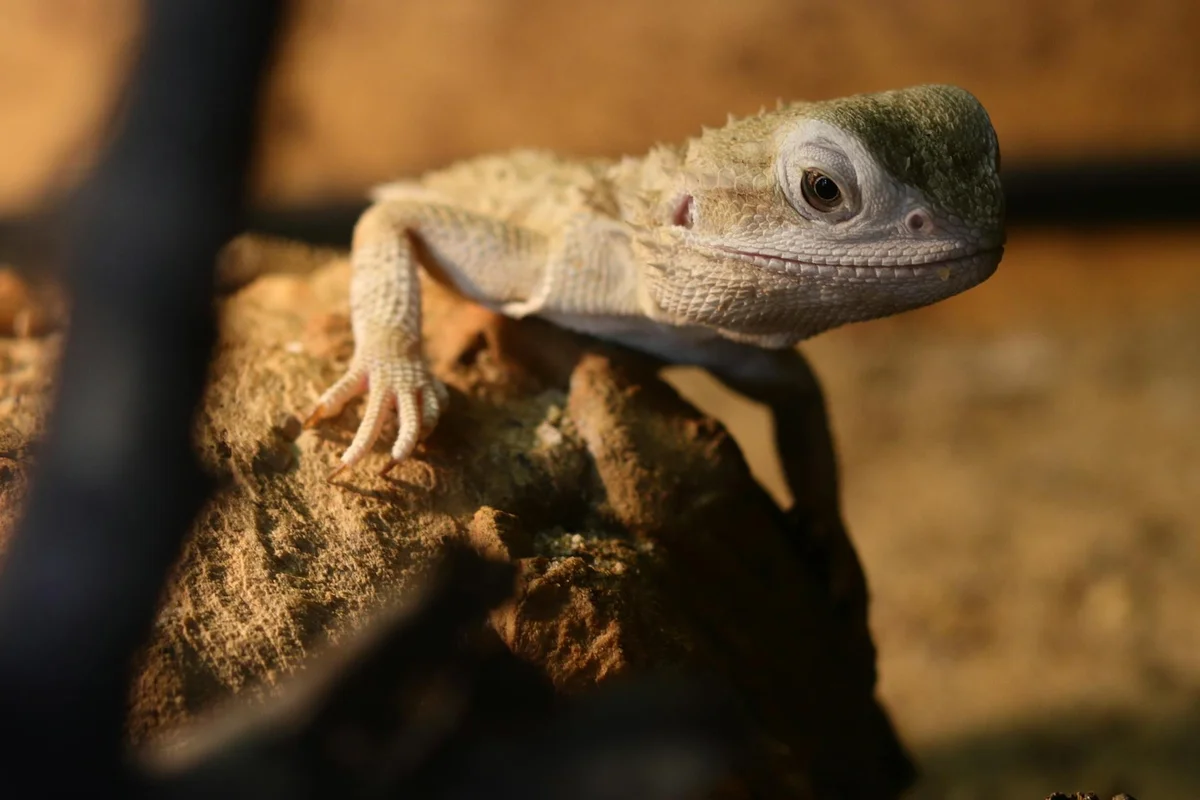
The practical and emotional steps that follow are just as critical as the act itself. It’s a time to be gentle with yourself while ensuring you’ve done everything correctly.
Understanding Animal Welfare Laws
Laws regarding at-home euthanasia for reptiles can vary by city, county, and state. Your absolute first step should be a quick online search for your local ordinances or a discreet phone call to a vet’s office to ask about the legality of your methods. Using a method that is considered inhumane or improper disposal of the body can unfortunately have legal consequences. When in doubt, consulting a professional is always the safest and most legally sound path, especially if you have any concerns about the health of your reptile, such as noticing unusual symptoms like vomiting in a bearded dragon.
Resources for Your Grief
Losing a pet is profoundly painful, and your grief is valid. I’ve cried over my scaly friends more times than I can count, and it’s okay for you to do the same.
- Pet Loss Hotlines: These are staffed by compassionate people who understand this unique pain. The ASPCA Pet Loss Hotline is one excellent, confidential resource.
- Online Communities: Forums and social media groups for reptile owners are filled with people who truly get it. Sharing your story with others who understand the unique personality of a bearded dragon can be incredibly validating.
- Talk to Someone: Don’t bottle up your feelings. Confide in a friend, family member, or consider a few sessions with a grief counselor. There is no shame in seeking support.
A Personal Note on Coping
From my own experience, the sharpness of the pain does fade, leaving behind the warm, funny memories. Be patient with yourself. Some days will be harder than others. Honor your dragon by remembering the excellent life you provided, a life full of warmth, full bellies, and kindness that many reptiles never know. That love doesn’t disappear; it simply changes form. To get your bearded dragon to like you, build trust through gentle handling, consistent routines, and quiet, patient time together. Over time, that trust blossoms into a calm, affectionate bond.
Frequently Asked Questions
What financial assistance is available for pet euthanasia?
Many veterinary clinics offer payment plans or sliding scale fees, and organizations like the Humane Society may provide low-cost options. Always inquire about compassionate pricing or local animal welfare grants to help cover costs.
How do I safely dispose of unused euthanasia materials?
Consult your veterinarian or a local pharmacy for guidance on proper disposal, as these are controlled substances. Avoid flushing or trashing them to prevent environmental contamination and legal issues.
How can I support children or other pets grieving the loss?
Use age-appropriate language to explain the situation to children and maintain routines for other pets to provide stability. Encouraging shared memories or creating a memorial together can help everyone process the loss.
Final Thoughts
Making the decision to say goodbye to your bearded dragon is one of the most difficult responsibilities we face as pet owners. The most humane path is always to seek professional veterinary assistance, ensuring a painless and peaceful passing for your companion. If an at-home method is your only option, preparation and a deep respect for your dragon’s dignity are non-negotiable. If your bearded dragon is sick or dying, refer to a reputable bearded dragon emergency care guide to act quickly while you contact your veterinarian. Having a clear, step-by-step plan on hand can help you keep your dragon as comfortable as possible during those critical moments.
Afterwards, allow yourself to grieve. Handle your dragon’s remains with care, whether through burial, cremation, or another meaningful method that brings you closure. If you’re trying to understand what happened, many bearded dragon deaths are linked to common health and husbandry issues. From improper temperatures and UVB lighting to dehydration, infections, or metabolic bone disease, these are frequent causes explained. Remember the wonderful life you provided, and take comfort in knowing your final act was one of profound love and responsibility.
Further Reading & Sources
- How to Humanely Euthanize a Bearded Dragon: Expert Advice
- Transmucosal administration of pentobarbital and phenytoin solution induces euthanasia in bearded dragons (Pogona vitticeps) in: American Journal of Veterinary Research Volume 85 Issue 6 (2024)
- Transmucosal administration of pentobarbital and phenytoin solution induces euthanasia in bearded dragons (Pogona vitticeps) – PubMed
Bearded Dragon Lair is the ultimate resource for bearded dragon enthusiasts, offering expert advice and practical tips to ensure the health and happiness of your scaly companion. With years of experience in reptile care, we are dedicated to providing accurate, up-to-date information to support your bearded dragon journey.
First Aid Tips