Bearded Dragon Surgery: Common Procedures and Post-Op Care
Published on: December 29, 2025 | Last Updated: December 29, 2025
Written By: Beardie Joe
Hearing that your bearded dragon needs surgery can send a chill down any owner’s spine, and it’s okay to feel that worry.
I’ve been right where you are with my own dragons, and my experience in reptile care allows me to offer you clear, practical support.
We’ll look at the most frequent surgeries, from removing impactions to spaying, and then dive into the critical aftercare steps for a successful recovery.
Recognizing When Your Bearded Dragon Needs Surgery
It can be scary when your scaly friend isn’t acting like themselves. I’ve been there, watching one of my dragons, Bob, become lethargic and lose his appetite, and that gut feeling that something was seriously wrong is unforgettable. Trust your instincts-you know your pet better than anyone.
Here are specific signs that often point toward a surgical problem:
- A visible, hard lump in her belly that doesn’t pass, which could mean egg binding.
- Any sudden, abnormal swelling or a distinct mass you can see or feel on their body.
- A limp leg, an awkwardly bent limb, or an inability to bear weight, suggesting a possible fracture.
- Prolonged lack of appetite paired with weight loss or a swollen abdomen.
- Straining without producing feces or urates, which can indicate a serious blockage.
Your veterinarian will always try conservative treatments first, like fluids, medication, or assisted laying for eggs. Surgery becomes the necessary path when these gentler methods fail to resolve the issue. This is often the case with large tumors, complicated fractures that won’t heal on their own, or eggs that are physically stuck and cannot be passed.
You are your dragon’s first line of defense. Monitor them daily for subtle changes. A small cut can become a major infection. Watch for pus, unusual redness, or a foul smell from any wound. Lethargy that lasts more than a day, hiding constantly, or refusing all food are major red flags. Any of these abnormal behaviors warrant an immediate call to your exotic vet. If illness or a potential emergency is suspected, treat it as urgent. Our emergency care guide for sick or dying bearded dragons walks you through immediate steps to take while you contact your exotic vet.
Common Bearded Dragon Surgical Procedures Explained
Soft Tissue Surgeries
Spay and Neuter Procedures
Many owners don’t realize that spaying is a common and highly beneficial procedure for female bearded dragons. I chose to spay my female, Saffron, as a preventative measure. For those wondering, do female bearded dragons have periods? They do not menstruate like mammals; instead, their reproductive cycle centers on egg development and laying. Spaying (an ovariohysterectomy) completely removes the ovaries and oviducts, eliminating the risk of egg binding and other reproductive diseases. It also stops the taxing process of egg production, which can drain a female’s calcium reserves and shorten her lifespan.
- The dragon is placed under general anesthesia.
- The surgeon makes a small incision on the side of the belly.
- The reproductive organs are carefully removed.
- The incision is closed with sutures or surgical glue.
The expected outcome is a healthier, longer-lived dragon free from the stresses and dangers of reproduction.
Tumor and Cyst Removal
Finding a lump on your dragon can be terrifying. The process begins with a diagnosis, which may involve a fine-needle aspirate or a biopsy to determine what the growth is. If the mass is problematic, the entire growth is surgically excised with a margin of healthy tissue to ensure it’s all gone.
The removed tissue isn’t just thrown away. It’s sent to a lab for histopathology. This test tells your vet if the cells are benign or cancerous, which dictates what happens next. This follow-up care is critical for planning any further treatment and giving you an accurate prognosis.
Reproductive Surgeries
Egg Binding Surgery
Egg binding, or dystocia, is a life-threatening condition where a female cannot lay her eggs. This can happen if she is malnourished, the eggs are too large, or she has a physical deformity. Surgery is required when medical interventions like calcium and oxytocin injections fail to induce laying.
The procedure is essentially an emergency spay. The surgeon opens the dragon and removes the eggs and the entire reproductive tract. This is a high-risk surgery because the patient is often already very sick and stressed. Survival rates are good with an experienced reptile vet, but they depend heavily on how quickly the dragon receives treatment. The sooner you act, the better her chances.
Orthopedic Surgeries
Fracture Repair
Bones can break from a fall, a bad landing, or even from metabolic bone disease (MBD) which weakens them. Repairing a fracture in a bearded dragon is delicate work. Methods include using tiny pins, wires, or external fixators to hold the bone fragments in place while they heal. For some simpler breaks, a well-padded splint might be sufficient. Managing MBD is central to recovery and prevention. The bearded dragons recover from MBD: treatment, prevention, and recovery guide offers practical steps to support healing.
The surgery is only half the battle. The real work begins with post-op rehab. You must strictly enforce activity restriction, often by keeping your dragon in a small, bare hospital tank. This prevents them from re-injuring the site. Follow your vet’s instructions for re-check x-rays to monitor the healing progress closely.
Preparing for Your Bearded Dragon’s Surgery

Getting your dragon ready for surgery starts at home. I’ve been through this a few times, and a little preparation makes a world of difference for their recovery. If your dragon is brumating, the approach shifts toward a quiet, low-stress routine rather than surgical prep. What to do during brumation includes minimizing handling and keeping their environment stable and well hydrated, and consulting your vet if you notice anything concerning.
The first and most critical step is fasting. You must withhold food from your bearded dragon for 12 to 48 hours before the procedure, as directed by your veterinarian. This is not to be mean; it’s a vital safety measure. A full stomach can lead to regurgitation and aspiration under anesthesia. My vet once explained it to me like putting them into a very deep sleep where their body’s reflexes are paused. Water is usually okay until you leave for the clinic, but always double-check with your vet. Babies can sometimes fast longer during brumation, especially if kept in cooler conditions. If your young dragon has been going without meals for an extended period outside of a planned procedure, consult your vet to rule out brumation or health issues. For more information, you can read about fasting during brumation in babies.
Next, get the recovery habitat ready before you even leave for the vet. You want to come home to a safe, sterile, and stress-free environment.
- Swap loose substrate like sand or soil for plain paper towels. This prevents debris from getting into the incision and makes it easy to monitor for any bleeding or discharge.
- Remove any sharp-edged decorations or tall climbing structures. Your dragon will be groggy and uncoordinated, and you need to prevent falls.
- Ensure your heat and UVB lights are working perfectly. Consistent, proper temperatures are non-negotiable for healing.
- Create a simple, quiet space. I often move the enclosure to a low-traffic area of the house to minimize stress.
Your consultation with the vet is the time to ask all your questions. Don’t be shy. Ask specifically about their anesthesia protocol for reptiles and what kind of intraoperative monitoring they use. A good exotic vet will use gas anesthesia (like Isoflurane or Sevoflurane) delivered via a tiny tube, and they should monitor heart rate, respiration, and blood oxygen levels throughout the entire surgery. This detailed monitoring is what gives me peace of mind.
Finally, gather your post-op supplies. Having everything on hand means you can focus entirely on your pet when you get home.
- Critical Care carnivore mix or a similar recovery food your vet recommends.
- Small syringes (without needles) for feeding and giving oral medication.
- Any prescribed pain medication or antibiotics.
- Betadine solution for gentle wound cleaning, if advised.
- An infrared temperature gun to spot-check basking areas accurately.
The Surgery Process: Anesthesia and Intraoperative Care
It’s natural to feel anxious about what happens while your dragon is in the operating room. Knowing the process helped calm my nerves immensely. That’s where a calm guide on de-stressing your bearded dragon becomes incredibly reassuring. Simple steps—quiet handling, consistent routines, and a soothing space—can help make recovery smoother.
Anesthesia is typically induced with a gas anesthetic like Isoflurane. Your dragon will be gently placed in a small induction chamber where they breathe the anesthetic gas until they are asleep. Once they are under, the vet will place a tiny endotracheal tube to maintain a steady flow of anesthesia and oxygen directly to their lungs. This method gives the veterinarian precise control over the depth of sleep. Bearded dragons, like many reptiles, can display a variety of sleep postures. Some even sleep standing up, which is one of several unusual sleeping habits that this article explains.
Intraoperative monitoring is sophisticated and continuous. Your dragon is not just left alone. The surgical team will use equipment to track heart rate, respiration, body temperature, and blood oxygen saturation throughout the procedure. I’ve seen the monitors in action during a neuter, and it’s reassuring to know they have a constant read on your pet’s vital signs. Heat pads are always used to maintain their body temperature, as reptiles cannot regulate it under anesthesia.
Pain management begins before they even feel pain. Analgesia, or pain relief, is administered before the first incision is made. This is called pre-emptive analgesia, and it keeps your dragon comfortable and reduces the amount of general anesthesia needed. They often receive injectable opioids or other reptile-safe pain medications. Fluids are also given, either subcutaneously or intravenously, to maintain blood pressure and support organ function during the stress of surgery.
So, what’s actually happening in there? The veterinary team is a well-orchestrated unit. The surgeon performs the procedure while a dedicated technician monitors the anesthesia and vitals, adjusting levels as needed. The environment is sterile, focused, and entirely dedicated to the safety and well-being of your pet. Seeing the care and precision firsthand made me appreciate the skill involved in reptile surgery.
Essential Post-Operative Care Steps
Immediate Aftercare
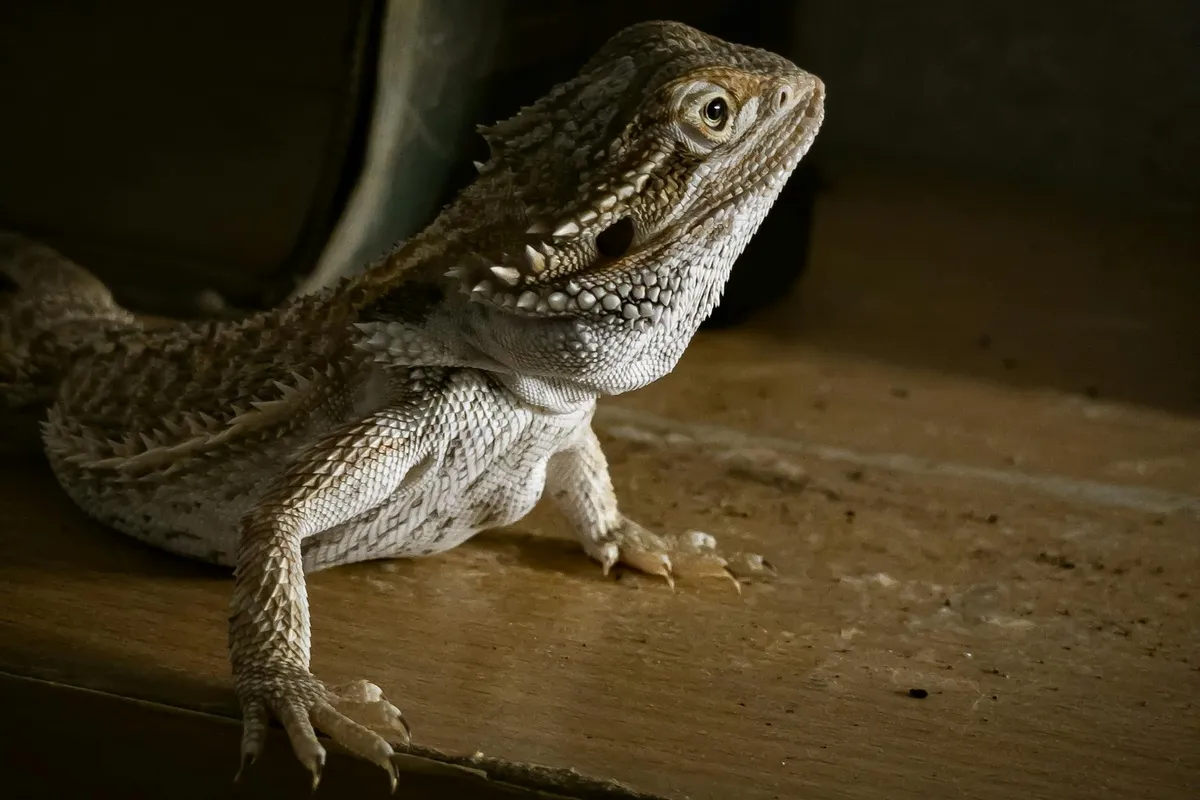
Bringing your dragon home from the vet is a delicate time. Their little bodies have been through a lot. Your first job is to make them as comfortable as possible. The first 24-48 hours are absolutely critical for setting the stage for a smooth recovery, especially when you’re taking care of a bearded dragon as a beginner.
- Pain Management: Your vet will prescribe pain medication, often Meloxicam. Give it exactly as directed, even if your dragon seems fine. Reptiles are masters at hiding discomfort. I never skip a dose; it’s a simple act of kindness that makes a huge difference.
- Temperature Control: Keep their basking spot at the warm end of their ideal range (around 95-100°F). This warmth is not for digestion right now, but for boosting their immune system and promoting healing. The cool side should still be available so they can thermoregulate.
- Humidity Adjustments: Keep the enclosure a bit drier than usual. Increased humidity can turn a clean incision into a breeding ground for bacteria. I aim for 30-40% and avoid misting the main tank, focusing hydration efforts elsewhere.
- Quiet, Stress-Free Space: Move their enclosure to a low-traffic room. No loud TVs, no other pets peering in, and no handling unless it’s for medication. I cover three sides of the tank with a towel to make them feel more secure. Think of it as creating a quiet reptile hospital room.
Wound Healing and Medication
This is where your nursing skills really come into play. You are your dragon’s primary caregiver now, and careful observation is your best tool.
- Incision Care: Look at the incision site at least twice a day. It should look clean and gradually get less red. A small amount of clear or pink-tinged fluid is normal for the first day; pus, swelling, or a foul smell is not. Do not apply any ointments unless your vet specifically tells you to.
- Watching for Infection: Red flags include persistent redness, swelling, gaping of the wound, or any colored discharge. If you see this, call your vet immediately. Infections can escalate quickly in reptiles.
- Suture Removal Timelines: If your dragon has external sutures or skin staples, your vet will typically remove them in 4-6 weeks. Do not attempt this yourself. Their skin heals slower than ours, and removing them too early can cause the wound to reopen.
- Administering Medication: For liquid antibiotics or other meds, use the syringe provided. Gently slide the tip into the side of their mouth and slowly depress the plunger. I always give my dragons a little chin rub afterwards as a reward for being a good patient. Finish the entire course of antibiotics, even if your dragon seems 100% better.
Nutrition and Activity Management
Your dragon’s appetite will likely be low for a few days. This is normal. The goal is to provide easy, tempting, and highly digestible food. If your dragon doesn’t begin eating after a few days, you may want to investigate why it won’t eat.
- Nutrition Support:
- Offer soft, easy-to-eat foods like squash or sweet potato baby food (ensure there’s no salt or additives).
- For insect-eaters, offer only small, soft-bodied feeders like small hornworms or waxworms if they’ll take them.
- Do not offer large or hard-shelled insects like superworms or large crickets until fully healed.
- Hydration: Hydration is paramount for recovery. I gently drip water on their snout with a syringe for them to lick off, or offer a shallow warm bath for 10-15 minutes to encourage drinking. Always supervise baths and ensure the incision site stays dry.
- Activity Restriction: Remove any tall decor they could climb and fall from. Keep the tank setup simple: a basking spot, a hide, and a water dish. This prevents them from re-injuring themselves.
- Gradual Reintroduction: After about a week, if your vet agrees, you can slowly add back one piece of climbing decor at a time. Resume normal handling only after the vet gives the all-clear, usually after suture removal. Start with just a few minutes of calm lap time.
Managing Surgery Costs and Finding the Right Veterinarian
Facing surgery is stressful, and the financial aspect adds another layer of worry. Being prepared can ease that burden significantly.
- Average Cost Ranges: Be prepared for a significant investment. A routine spay (ovariohysterectomy) can cost between $400 and $800. Repairing a fractured limb is more complex, often ranging from $600 to $1,200 or more. These costs typically include the procedure, anesthesia, and initial medications.
- Finding an Exotic Animal Vet: Do not go to a standard cat-and-dog vet for surgery. Search for a “Board-Certified Veterinary Specialist” in reptile and amphibian practice. Use the Association of Reptilian and Amphibian Veterinarians (ARAV) website to find a qualified professional near you. I called three different clinics before choosing one, and I asked each about their specific experience with bearded dragon surgeries.
- Factors That Affect Costs:
- Procedure Complexity: A simple mass removal is less expensive than intricate internal surgery.
- Diagnostic Imaging: Costs for X-rays or a CT scan, which are often necessary, are additional.
- Hospitalization: If your dragon needs to stay overnight for monitoring, this will increase the bill.
- Follow-up Care: Remember to budget for recheck exams, potential medication refills, and suture removal appointments.
Frequently Asked Questions
What is the typical cost for bearded dragon prolapse surgery?
Prolapse surgery typically costs between $300 and $700, depending on the severity of the condition and the veterinarian’s experience. This range often includes the procedure, anesthesia, and initial medications.
What is the survival rate for bearded dragon surgeries?
With an experienced exotic veterinarian, survival rates for common surgeries like spays or impaction removals are generally high, often exceeding 80-90%. However, outcomes depend on factors like the dragon’s health and how quickly treatment is received.
How much does bearded dragon aneurysm surgery cost?
Aneurysm surgery is rare and complex, with costs typically starting around $500 and potentially exceeding $1,500 due to specialized care. Survival depends on early diagnosis and the success of the procedure, but it carries higher risks than more routine surgeries.
Final Thoughts on Your Dragon’s Surgery Journey
Seeing your scaly friend need an operation is stressful, but modern veterinary medicine makes many procedures highly successful. The key is choosing a qualified reptile vet and then committing fully to the aftercare plan they provide. From my own experience, that post-op period is where you, as a pet parent, truly make the difference in their recovery.
Stay observant, keep their habitat pristine, and don’t hesitate to call your vet with any concerns, no matter how small they seem. Your vigilant care and calm presence are the most powerful medicines your bearded dragon can receive after surgery. You’ve got this. Do bearded dragons need routine vet checkups? Regular vet visits and a clear emergency plan are essential parts of responsible care.
Further Reading & Sources
- An Introduction to Reptile Surgery: A Chance to Cut is a Chance to Cure – WSAVA 2015 Congress – VIN
- r/BeardedDragons on Reddit: Nervous about possible surgery
- Pre- and Post-Surgical Evaluation of Bearded Dragons Undergoing …
Bearded Dragon Lair is the ultimate resource for bearded dragon enthusiasts, offering expert advice and practical tips to ensure the health and happiness of your scaly companion. With years of experience in reptile care, we are dedicated to providing accurate, up-to-date information to support your bearded dragon journey.
First Aid Tips