
Can Bearded Dragons Get High? The Truth About Secondhand Smoke and Pet Safety
Published on: September 30, 2026 | Last Updated: September 30, 2026
Written By: Beardie Joe
You might be wondering if the smoke from your environment can actually get your bearded dragon high, and it’s a question I’ve personally had to research for the safety of my own pets.
As a long-time bearded dragon owner with hands-on experience in reptile care, I’m here to give you clear, compassionate guidance based on real knowledge.
We’ll cover exactly how secondhand smoke affects your dragon, the immediate signs of distress to watch for, and the straightforward changes you can make to protect them.
How Secondhand Smoke Enters a Bearded Dragon’s Body
Many owners don’t realize just how easily smoke infiltrates their pet’s system. A bearded dragon’s body is a master of absorption, which works against them in a smoky environment. Consult a safe bearded dragon guide for choosing non-toxic plants, safe woods, and suitable substrates. Using those recommendations helps prevent toxin buildup and smoke exposure in their enclosure.
Their primary intake is through their respiratory system. A bearded dragon’s lungs are much simpler than ours, lacking the complex filtration and delicate alveoli, making them incredibly vulnerable to airborne irritants. Every particle you see hanging in the air is a potential toxin entering their lungs directly, especially if you notice heavy or labored breathing in your pet.
But that’s not the only pathway. Their skin is another major entry point. I’ve noticed with my own dragons how dust seems to just stick to them. Their dry, scaled skin readily absorbs microscopic toxins and chemical residues from the air, which then pass directly into their bloodstream. That’s why pore care matters for bearded dragons too, including their femoral pores. A practical guide on cleaning bearded dragon pores can help prevent clogged pores, and it can outline considerations like nose plugs to keep dust away from the snout.
There’s a third, often overlooked, method. Bearded dragons are curious and use their tongues to “taste” their world. When they lick surfaces coated in smoke residue-their decor, the glass walls of their tank, even their own skin-they are ingesting those concentrated toxins directly. It’s a triple threat to their health that happens silently. This raises the question: are bearded dragons venomous or poisonous? In reality, they are not venomous; any toxicity they encounter comes from environmental toxins, not from their biology.
Recognizing the Signs of Smoke Exposure in Your Bearded Dragon
Your dragon can’t tell you they feel sick, so you must become a detective. Watch for subtle shifts in their behavior and physical state. From my experience, the signs often start small before escalating. Know what healthy looks like—bright eyes, alert posture, and normal appetite. When those cues change, you’re spotting signs and symptoms of illness.
Respiratory Distress Symptoms
This is the most direct sign of a problem. Their breathing should be quiet and effortless.
- Wheezing, clicking, or popping sounds when breathing
- Open-mouth breathing or gasping when not basking
- A persistent, mucus-like bubble in their mouth or nostrils
- Lethargy and lack of appetite, often the first thing I notice in mine
Behavioral and Physical Changes
Smoke exposure affects their entire system. Look for changes that seem out of character.
- Sudden lack of interest in food, even their favorite live insects
- Unusual lethargy or weakness; they struggle to climb or move normally
- Irritation in the eyes, like squinting or excessive discharge
- Stress marks that appear dark and don’t fade, especially on their beard and belly
If you observe any respiratory symptoms, you should contact a reptile veterinarian immediately, as this can quickly become a severe respiratory infection. Their bodies are too small to fight it off alone.
For behavioral changes, your first action is always to remove the source of smoke and provide fresh, clean air. Prevention isn’t just a best practice; it’s a core responsibility of protecting an animal that depends on you completely. I make it a firm rule to never allow smoking anywhere near the room where my dragons live. Their health is worth that boundary.
The Real Health Risks: What Secondhand Smoke Does to Reptiles
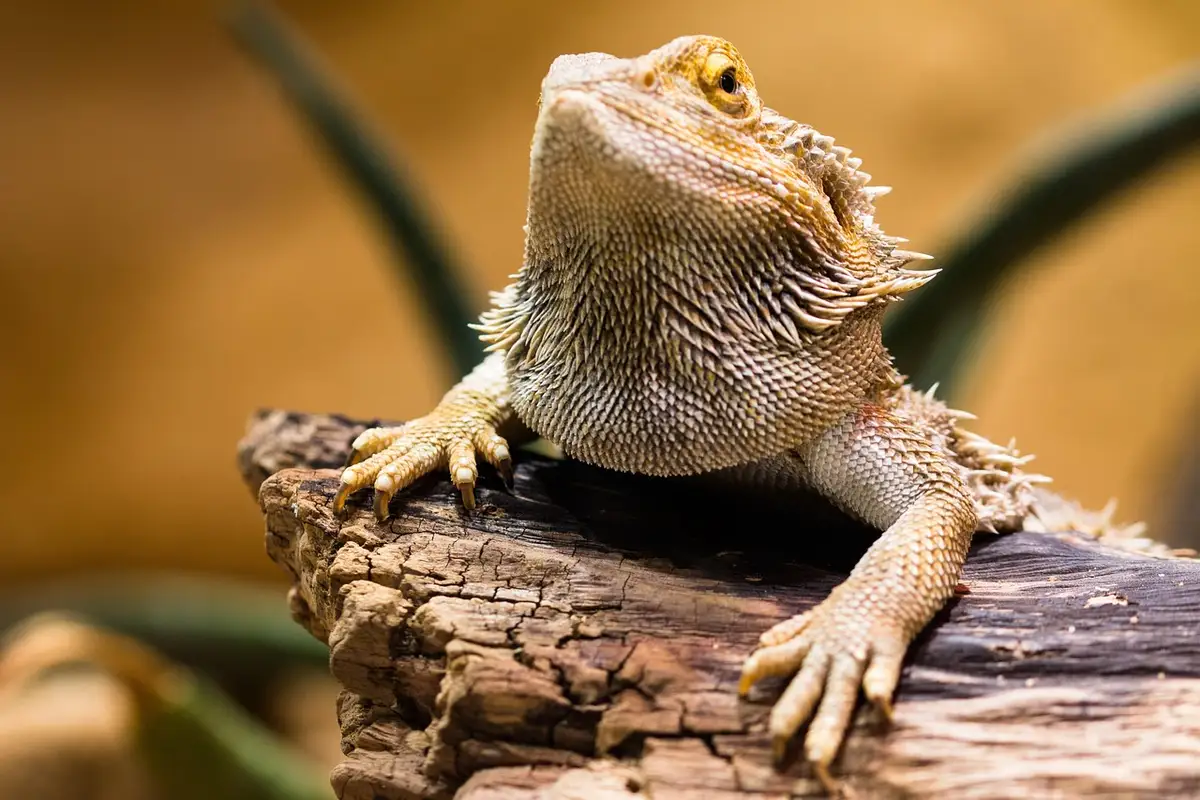
Many people think a reptile’s tough scales make them immune, but their respiratory systems are incredibly delicate. I’ve seen dragons start wheezing after just one minor incident near an aerosol spray. Their lungs are not designed to filter out the complex chemical cocktail found in smoke. If a bearded dragon wheezes or coughs, consult a reptile vet for possible respiratory infection and treatment options. Also watch for other common issues like metabolic bone disease or mouth infections.
Here’s what happens inside their bodies when they inhale secondhand smoke:
- Respiratory Distress: Smoke particles and toxins irritate the delicate lining of their lungs and air sacs. This can lead to inflammation, making it difficult for them to breathe properly.
- Neurological Impact: While they aren’t “getting high” in the human sense, the nicotine and other chemicals can cross into their bloodstream and affect their nervous system. You might see lethargy, a loss of coordination, or unusual twitching.
- Long-Term Organ Damage: The toxins are processed by their liver and kidneys. Over time, even low-level exposure can silently strain these vital organs, leading to premature failure.
- Suppressed Immune System: Constant exposure to an irritant wears down their natural defenses. A dragon living in a smoky home is far more likely to develop secondary infections, from simple respiratory illnesses to more serious issues.
Creating a Safe Space: Protecting Your Dragon from Household Smoke
After one of my own dragons showed signs of irritation from cooking fumes years ago, I became militant about their air quality. Your dragon’s tank should be a sanctuary. The single most effective rule is to make your dragon’s room a completely smoke-free zone, always. That same vigilance belongs in your bearded dragon tank setup, including essential equipment and safe decor. A proper setup prioritizes heat, UVB, safe substrate, and non-toxic decorations.
Protecting them is about consistent, simple habits:
- Ventilation is Non-Negotiable: If smoking happens elsewhere in your home, use high-quality HEPA air purifiers. Open windows to create cross-ventilation long after the smoke has cleared, as particles can linger in the air and settle on surfaces.
- Wash Your Hands: Always wash your hands thoroughly with soap and water before handling your dragon or anything inside their enclosure. Residue on your skin can transfer directly to them.
- Change Your Clothes: If you’ve been in a smoky environment, change into a fresh shirt before you interact with your pet. Smoke clings to fabric.
- Secure the Enclosure: Ensure the tank’s screen top is secure and that there are no large, uncovered gaps where airborne contaminants can easily drift in.
Emergency Response: If Your Bearded Dragon Is Exposed to Smoke
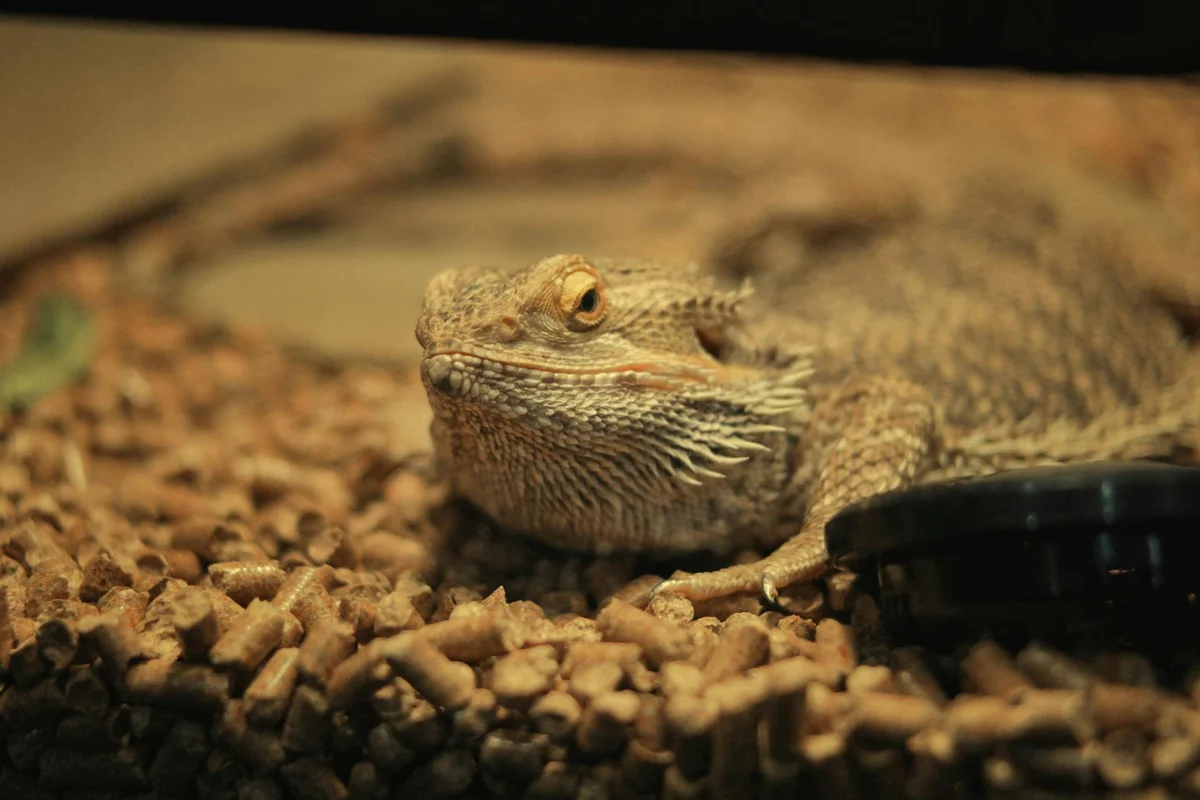
Accidents happen. Maybe a guest lit up without thinking, or a nearby fire filled your home with smoke. Stay calm. Your quick action can make a big difference.
Follow these steps immediately:
- Remove the Dragon: Gently and calmly move your bearded dragon to a well-ventilated room with completely clean air. A bathroom with an exhaust fan running is a good temporary spot.
- Observe for Symptoms: Watch closely for any signs of distress. Key things to look for are gaping (open-mouthed breathing when not hot), wheezing or clicking sounds, lethargy, loss of balance, or fluid from the nose or mouth.
- Contact Your Veterinarian: Call your exotic vet right away, even if symptoms seem mild. Describe the exposure and what you are observing. They are your best resource and will tell you if an emergency visit is necessary.
- Do Not Induce Bathing: Unless specifically instructed by your vet, do not try to bathe them. Stress can worsen their condition, and water won’t clear their lungs.
- Keep Them Warm and Hydrated: Ensure their temporary space is at a proper warm temperature to help their metabolism. You can offer water by gently dripping it on their snout with a syringe.
Clearing the Air: Improving Indoor Air Quality for Pet Health
Living with my dragons has made me hyper-aware of the air we all breathe. Their tiny lungs are so much more sensitive than ours. Creating a clean-air environment is one of the most direct ways we can protect our pets every single day. Bearded dragons benefit from following the Thrive Complete Care Checklist, which prioritizes air quality. Air quality is a practical, everyday item on that checklist.
Actionable Steps for a Fresher Home
You don’t need to overhaul your entire life. Small, consistent changes make a huge difference for your dragon’s respiratory health.
- Invest in a HEPA Air Purifier: I run one in the same room as my dragons’ enclosures. It silently pulls dust, dander, and other microscopic irritants out of the air, and I’ve noticed a real difference.
- Ventilate, Ventilate, Ventilate: Open those windows whenever the weather permits! Stagnant air allows contaminants to build up. A cross-breeze is like a reset button for your home’s atmosphere.
- Establish a Strict No-Indoor-Smoking Rule: This is non-negotiable for pet owners. Smoke doesn’t just disappear; the residue settles on every surface, including the walls of your dragon’s tank.
- Rethink Harsh Chemicals: That pine-scented cleaner might smell “clean” to you, but it’s a chemical assault on your dragon. I switched to vinegar-based solutions and steam cleaning for a truly safe shine.
- Be Mindful of Aerosols: Hairspray, air fresheners, and scented candles are all sources of volatile organic compounds (VOCs). Use them in a well-ventilated bathroom far away from your pet’s room, or better yet, find natural alternatives.
Myth vs. Reality: Debunking Common Misconceptions
I’ve heard all sorts of wild theories in online forums and from well-meaning friends. Let’s set the record straight with some solid facts.
“A Little Weed Smoke Won’t Hurt Them”
This is a dangerous assumption. THC and other cannabinoids are toxic to reptiles and can cause severe neurological distress. They don’t have the same endocannabinoid system we do. What relaxes you can cause seizures, lethargy, and loss of coordination in your dragon.
“Vaping is Safe Because It’s Just Water Vapor”
This is a complete myth. Vape aerosol is not harmless water vapor. It’s an ultrafine mist of chemicals, flavorings, and often nicotine that can deeply irritate their delicate lung tissue. The sweet smell can even be attractive to them, which is an added risk.
“My Dragon Seems Fine, So It Must Be Okay”
Reptiles are masters at hiding illness. It’s a survival instinct. By the time you notice obvious symptoms like wheezing or lethargy, the damage to their respiratory system may already be significant. Don’t wait for a sign; prevent the problem altogether.
“I Only Smoke in Another Room, So They’re Safe”
Air currents don’t respect closed doors. Smoke and aerosol particles are incredibly mobile. They will travel through ventilation systems and under doorways, eventually contaminating the entire living space. The only safe distance is outside, away from open windows and air intakes.
Frequently Asked Questions
Can I use essential oil diffusers in the same room as my bearded dragon?
No, essential oils and diffusers can release volatile compounds that irritate your dragon’s sensitive respiratory system and may be toxic if inhaled or absorbed through their skin. It’s safest to avoid any scented products in their living area to prevent potential health issues. Bearded dragons typically don’t smell bad when their enclosure is kept clean. Odors mainly come from waste or dirty substrate, so regular cleaning and good ventilation help keep things fresh.
Is it safe to transport my bearded dragon in a car where people have smoked?
No, smoke residue lingers in enclosed spaces like cars and can quickly expose your dragon to harmful toxins through inhalation and skin contact. Always use a clean, well-ventilated vehicle and never allow smoking near your pet during transport to minimize risks.
What type of air purifier is most effective for a bearded dragon’s habitat?
A HEPA air purifier is ideal, as it captures microscopic particles like smoke, dust, and allergens that can harm your dragon’s lungs. Place it near their enclosure and run it consistently to maintain clean, safe air quality in their environment.
The Bottom Line
To put it plainly, you should never let your bearded dragon be exposed to any kind of smoke, whether it’s from tobacco, cannabis, or a campfire. Their delicate respiratory systems simply cannot handle it, and what might be a mild buzz for a human can be a life-threatening toxin for them, much like other toxic substances they should avoid in their diet.
Creating a completely smoke-free environment is one of the most straightforward and vital acts of care you can provide for your scaly friend. From my own experience, the only “high” your dragon needs is the healthy, happy one they get from a warm basking spot, a nutritious meal, and your dedicated attention.
Further Reading & Sources
- r/BeardedDragons on Reddit: Will my lil dude be fine if I smoke
- Can Bearded Dragons Get High? (Complete Guide With Video) – Reptiles Time
- second-hand smoke | Health
Bearded Dragon Lair is the ultimate resource for bearded dragon enthusiasts, offering expert advice and practical tips to ensure the health and happiness of your scaly companion. With years of experience in reptile care, we are dedicated to providing accurate, up-to-date information to support your bearded dragon journey.
First Aid Tips