
Are Bearded Dragons Venomous or Poisonous? The Real Story
If you’ve ever watched your bearded dragon and wondered if that friendly face hides a venomous bite or poisonous skin, you’re asking the right question.
As a long-time owner of multiple bearded dragons, I’ve combined personal experience with expert reptile care knowledge to give you the straight facts.
We’ll clear up the confusion between venom and poison, examine what science says about their bite, and highlight why they’re generally safe pets with proper handling.
Venomous vs. Poisonous: What’s the Difference for Your Reptile Pet?
Many people use these words like they mean the same thing, but in the reptile world, the difference is everything. It all comes down to how the toxin gets into you.
A poisonous animal is one you have to touch or eat to be affected. Think of a Poison Dart Frog. Its skin secretes toxins. If you handle it and then touch your mouth or eyes, you could get very sick. You are harmed by coming into contact with the animal itself.
A venomous animal, on the other hand, actively delivers its toxin. It uses a specialized apparatus, like fangs or a stinger, to inject venom directly into your system. A rattlesnake is a perfect example. Venom must be injected to cause harm.
So, where does that leave your bearded dragon? Based on these definitions, they are neither. You can safely handle your beardie, and you certainly don’t have to worry about them injecting you with anything… or do you? That balance is what makes bearded dragons the right pet for many owners. They often have a candid look that you won’t get with every reptile, but they do come with clear pros and cons.
The Surprising Truth About Bearded Dragon Venom
This is where the story gets fascinating. For a long time, we thought bearded dragons were completely toxin-free. Then, groundbreaking research revealed something that shocked the reptile community. That discovery now guides a practical question: what leaves can bearded dragons eat safely? Our leaves bearded dragons eat guide breaks down safe leafy varieties and the toxic ones to avoid.
Australian scientists discovered that bearded dragons, along with many other lizards like Komodo dragons and monitor lizards, produce a very mild form of venom. This finding completely changed our understanding of lizard evolution. This raises questions about where bearded dragons originated and how they evolved in Australia. Understanding their Australian origins helps explain their place in lizard evolution.
Now, before you panic and look at your gentle pet side-eyed, let me be very clear. I’ve kept beardies for over a decade, and their “venom” is nothing to lose sleep over. It is extremely weak and poses no threat to humans or other large animals. The purpose of this venom is to help them subdue small prey in the wild, not to defend against you.
How Bearded Dragon Venom Delivery Actually Works
This isn’t a snake-like system with hollow fangs. Bearded dragons deliver their venom in a much more primitive way.
- They have glands in their lower jaw that produce the mild venom.
- When they bite down on small prey, the venom travels through grooves in their teeth.
- The venom then enters the wound created by the bite.
- For a cricket or a mouse, this can cause dizziness and weakness, making the prey easier to consume.
The delivery relies entirely on the pressure of the bite to work the venom into the wound. It’s a crude, passive system. For you, a human, the mechanical damage from a bite would be the main concern, not the venom. I’ve been bitten a few times by startled juveniles, and it feels like a sharp pinch. The idea of venom was the furthest thing from my mind.
So, while your bearded dragon is technically venomous in the strictest biological sense, they are functionally harmless to you. Their venom is an evolutionary relic, not a self-defense tool. You can continue to handle and love your scaly friend with absolute confidence. To get your bearded dragon to like you and build trust, pair gentle handling with a calm, predictable routine. Let them approach you on their own terms and offer rewards like tasty treats to reinforce positive interactions.
Assessing the Real Risk of a Bearded Dragon Bite
What to Expect if You Get Bitten
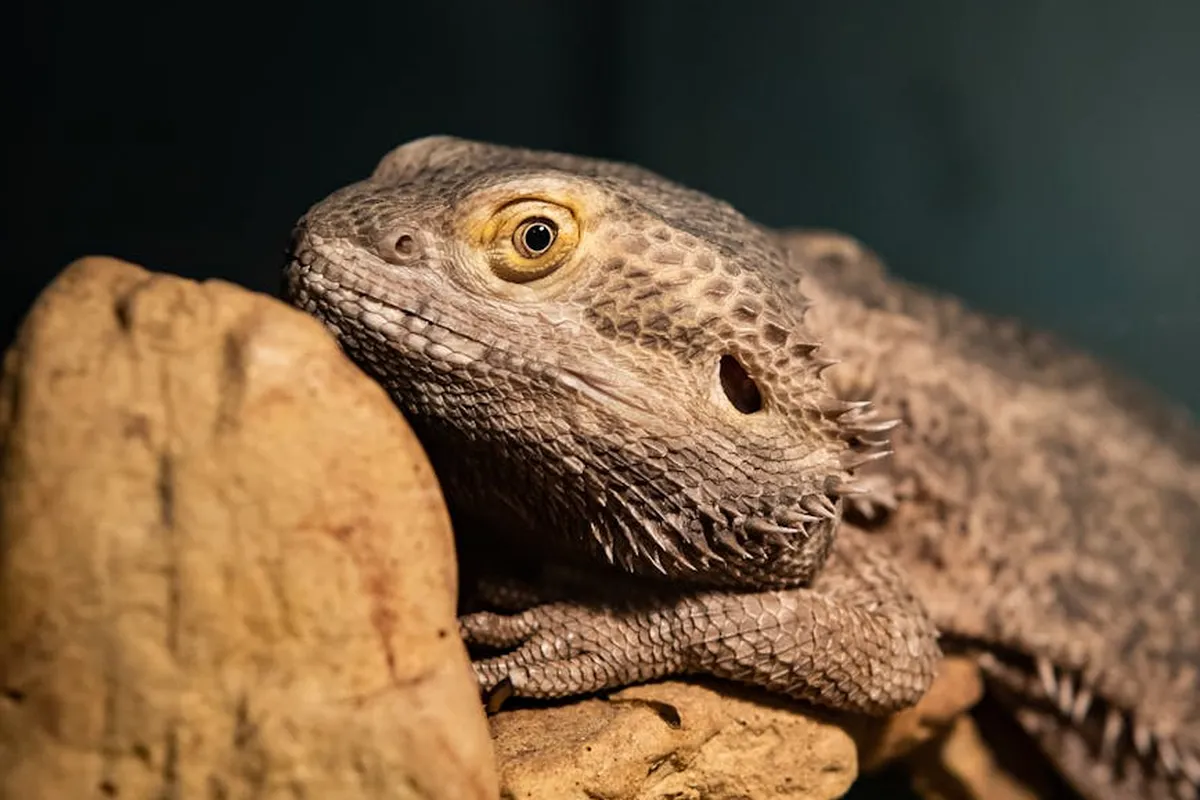
In all my years of caring for these lizards, I’ve been nipped a handful of times. It’s almost always a case of mistaken identity-a wiggling finger looking a lot like a worm. The sensation is more surprising than painful. You’ll feel a quick pinch, much like a firm snap from a clothespin. It rarely breaks the skin.
If your beardie does bite down hard enough to draw blood, here’s what you should do immediately:
- Stay calm and gently encourage your dragon to release. Don’t pull away forcefully.
- Wash the wound thoroughly with warm water and soap.
- Apply an antiseptic cream and cover with a bandage.
- Keep an eye on the area for any signs of infection, like redness or swelling.
A bite from a well-cared-for pet bearded dragon carries an extremely low risk of serious infection. The biggest concern isn’t venom, but the general bacteria that can be present in any animal’s mouth. Bearded dragons can bite, typically when frightened or stressed. Understanding why they bite helps prevent it. I’ve never had a bite become infected, and basic first aid has always been sufficient.
Debunking Common Bearded Dragon Toxicity Myths
Misinformation spreads quickly in pet communities, so let’s clear the air on a few persistent myths.
Myth 1: Bearded dragons are poisonous to the touch. This is completely false. You cannot get poisoned by simply handling or petting your beardie. Their skin is dry and scaly, not slimy or toxic. I handle mine daily without a single concern. That aside, feeding safety is also important: some foods are toxic and must be avoided. In our bearded dragon eating guide, we’ll cover which items to avoid and safe, balanced alternatives.
Myth 2: Their saliva contains a potent venom. While that 2005 study discovered proteins similar to those in some venom, the context is everything. The “venom” in a bearded dragon is so mild it has no noticeable effect on humans. It’s a fascinating evolutionary footnote, not a medical warning.
Myth 3: They are a danger to children or other pets. With proper supervision, bearded dragons are one of the safest reptile pets. The real risk is the other way around—a larger pet could injure your gentle dragon. Always prioritize safe and supervised interactions. For readers wondering how cats and bearded dragons can share a home, see the bearded dragons cats safely coexist complete guide for practical, step-by-step safety tips. It covers introductions, habitat setup, and ongoing supervision to minimize risk.
The most significant health consideration is actually Salmonella. All reptiles can naturally carry Salmonella bacteria in their gut without being sick themselves. This is easily managed with proper hygiene. Always wash your hands with soap and water after handling your dragon or cleaning its habitat. This simple step protects both you and your pet.
Beyond Venom: Practical Pet Safety and Hygiene
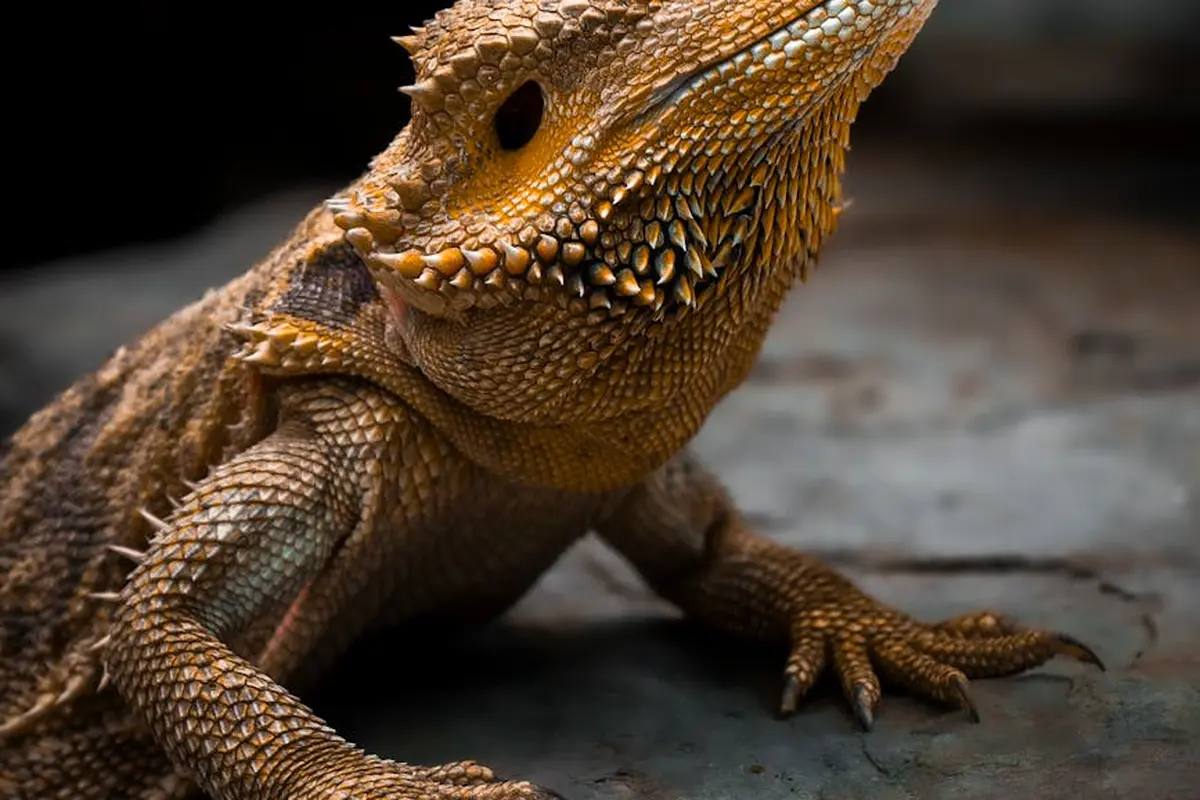
Let’s get one thing straight from my own experience: you will get scratched. Their claws are designed for climbing rock faces, not for being gentle on human skin. Keeping their nails properly trimmed is the single best way to prevent accidental scratches during handling. I use a small pair of pet nail clippers and only take off the very tip, being extra careful to avoid the quick.
A bite is far less common and usually happens by accident, like if your finger smells like a superworm. I’ve been nipped a handful of times over the years. The sensation is more of a surprising, strong pinch than a painful bite, and it rarely breaks the skin. If it does, simply wash the area thoroughly with soap and warm water, just as you would with any minor cut from a pet.
Caring for Your Scaly Pet with Confidence
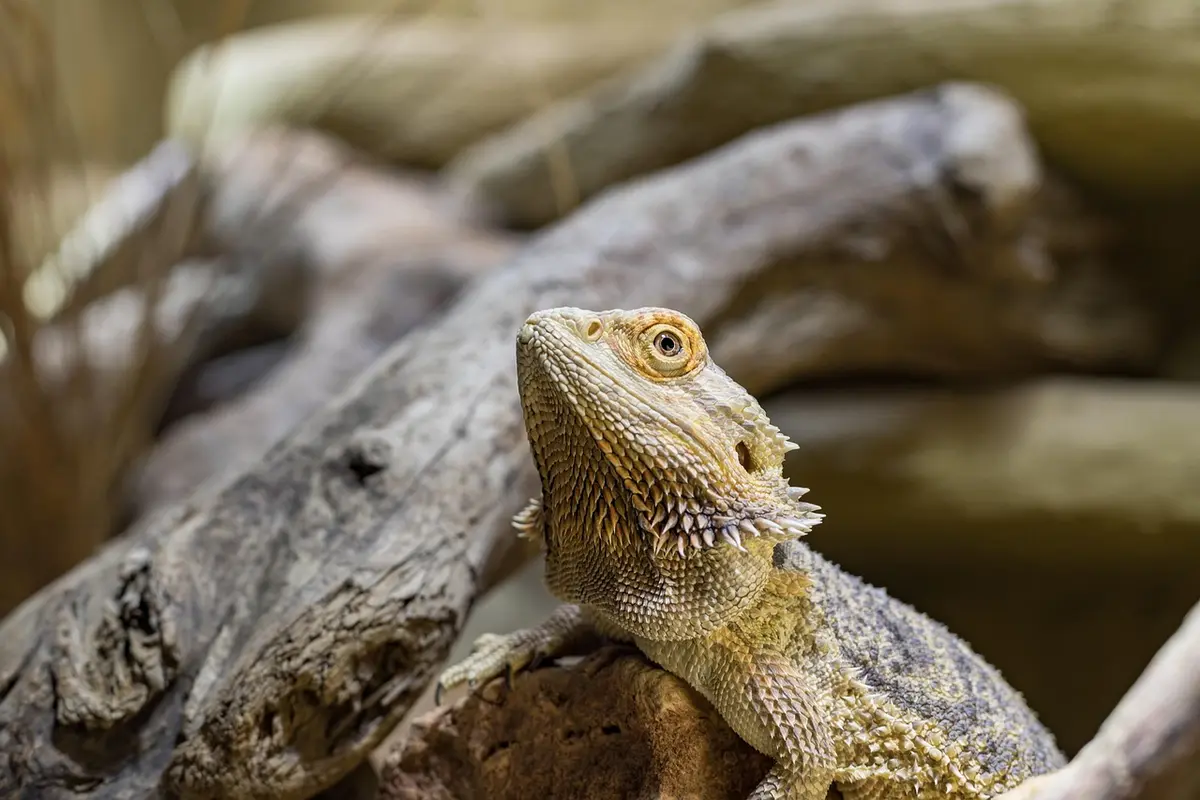
The real safety concern with bearded dragons isn’t venom or poison; it’s bacteria. Like all reptiles, they can carry Salmonella. This is a normal part of their gut flora, but it can make people sick. Practicing good hygiene makes sharing your life with a bearded dragon perfectly safe. I’ve never had an issue because I’m diligent about cleaning.
Here is my non-negotiable hygiene routine after any dragon interaction:
- Wash your hands thoroughly with soap and water immediately after handling your dragon or anything in its enclosure.
- Never kiss your bearded dragon or let it roam on kitchen countertops where food is prepared.
- Clean their habitat and decorations regularly outside your home, or in a dedicated sink or tub, not the kitchen sink.
- Supervise all interactions between your dragon and young children, who are more susceptible to illness.
Think of it this way: you wash your hands after handling raw chicken. Applying that same simple, mindful practice to your reptile care eliminates nearly all the health risks. This allows you to relax and truly enjoy the unique companionship these amazing creatures offer.
Frequently Asked Questions
Do all bearded dragon species produce venom?
Yes, all species within the bearded dragon genus possess venom glands, as this is a shared evolutionary trait among them, though it remains harmless to humans.
Can bearded dragon venom cause any long-term effects in humans?
No, the venom is extremely mild and has no documented long-term effects on humans, with any bite-related concerns typically involving minor wound care instead.
Is there any way to neutralize bearded dragon venom if bitten?
No antivenom is needed because the venom poses no threat to humans; focus on cleaning the bite area with soap and water to prevent bacterial infection.
Final Takeaway
So, are bearded dragons venomous or poisonous? The definitive answer is no – they are not a threat to you or your family in this way. Their mild venom is a fascinating evolutionary leftover, not a functional weapon, and they possess no poisonous qualities in their skin or body. In the wild, bearded dragons are opportunistic predators of insects and other small prey. When threatened, they defend themselves with displays like puffing up their beard, darkening their throats, and, if necessary, biting.
From my own experience, the biggest risk from a bite is a minor pinch and maybe a small scratch. Focus on gentle handling and proper care to build a trusting bond, and you’ll have nothing to fear from their tiny teeth. Bearded dragons are not typically dangerous, but bites can happen if they’re stressed. Understanding their signals helps you stay safe. Your bearded dragon is a wonderful, safe companion.
Further Reading & Sources
- r/BeardedDragons on Reddit: Venomous
- Are Bearded Dragons Venomous? Here’s What You Need to Know – Dragon’s Diet
- Are Bearded Dragons Poisonous? Bite Risks & How To Prevent Them | Hepper Pet Resources
Bearded Dragon Lair is the ultimate resource for bearded dragon enthusiasts, offering expert advice and practical tips to ensure the health and happiness of your scaly companion. With years of experience in reptile care, we are dedicated to providing accurate, up-to-date information to support your bearded dragon journey.
Common Diseases