
What Do Bearded Dragons Need to Thrive? (A Complete Care Checklist)
Published on: February 13, 2026 | Last Updated: February 13, 2026
Written By: Beardie Joe
You’ve got a new bearded dragon, or you’re thinking about getting one, and now you’re faced with the big question: what does this amazing creature actually need to live a full and happy life?
I’ve cared for my own little crew of bearded dragons for years, and I’m here to share my real-world experience to help you get it right from the start.
We’ll walk through the absolute must-haves, from their home setup and lighting to their diet and daily handling, giving you a clear and simple checklist to follow.
Creating the Ideal Bearded Dragon Enclosure
Your dragon’s tank is their entire world, so getting it right is one of the most loving things you can do. I’ve set up more enclosures than I can count, and seeing a dragon finally relax in a perfectly appointed home is the best feeling.
Choosing the Right Tank Size
Think of it this way: a small tank stunts their spirit. You want a palace, not a prison.
- Juveniles (Babies): Start with a 40-gallon breeder tank. They’re tiny but active, and this gives them space to grow without feeling lost.
- Adults: This is non-negotiable. You must upgrade to a 120-gallon (4x2x2 feet) enclosure as an absolute minimum. I learned this the hard way with my first beardie, Thor; his personality completely bloomed once he had room to truly run and explore.
Substrate Options: The Great Debate
What you put on the floor matters immensely for safety and hygiene.
- Tile, Paper Towel, or Reptile Carpet (Safest Choices): These are my go-to recommendations, especially for new owners. They are digestible if accidentally ingested and incredibly easy to clean. I use slate tile in most of my tanks-it’s handsome, files their nails, and wipes clean in seconds.
- Loose Substrates (Sand, Soil Mixes): This is for advanced keepers only. While a bioactive, soil-based mix can be wonderful, plain calcium sand is a huge impaction risk. If you choose a loose substrate, it must be meticulously managed and your dragon’s health must be flawless.
Essential Enclosure Decor
Furnish their home with purpose. Every item should serve a need.
- Basking Spot: A wide, flat stone or sturdy driftwood piece directly under the heat lamp. It absorbs warmth and provides a perfect lounging area.
- Hides: One on the warm end and one on the cool end. Every creature needs a private, secure spot to decompress. Without hides, they live in constant low-grade stress.
- Climbing Decor: Branches, ramps, and rocks. Bearded dragons are semi-arboreal and love to climb. This enrichment keeps their minds and bodies active and healthy.
Mastering Lighting and Temperature for Your Beardie
This is the engine room of your dragon’s health. Get the lighting and heat wrong, and nothing else will work properly. They can’t digest their food, regulate their mood, or process calcium without it.
The Critical Role of UVB Lighting
UVB is not optional; it’s a medical requirement. Think of UVB as their substitute for sunshine, allowing them to produce Vitamin D3 and absorb calcium for strong bones. Without it, they will develop Metabolic Bone Disease (MBD), a painful and crippling condition.
- Use a long, tube-style UVB light that spans at least half the enclosure’s length.
- Place it alongside your heat lamp over the basking area.
- Replace the bulb every 6-12 months, as the invisible UVB rays fade long before the light itself burns out.
Heating and the Temperature Gradient
Your dragon is a cold-blooded solar panel. They need a choice of temperatures to thermoregulate.
- Basking Spot Surface Temperature: 95-110°F (35-43°C) for adults. Juveniles often like it a touch warmer, up to 110°F.
- Cool Side Ambient Temperature: 75-85°F (24-29°C). This is their retreat to cool down.
- Nighttime Temperature: Can safely drop to 65-75°F (18-24°C). If your house gets colder, use a ceramic heat emitter, which produces heat without light.
You create this gradient by placing the heat lamp and UVB over one end of the tank, leaving the other end unheated. Always use digital thermometers and a temperature gun for accurate readings; those little stick-on dials are notoriously unreliable.
Humidity Levels and Monitoring
Bearded dragons hail from arid Australian outbacks, so their humidity needs are low but specific.
- Maintain an enclosure humidity between 30% and 40%.
- High humidity can lead to nasty respiratory infections.
- Use a digital hygrometer to keep track. I keep one on the cool side of each tank.
- If humidity is too high, improve ventilation or use a smaller water dish. If it’s too low, a very light misting of their greens can help.
Feeding Your Bearded Dragon: A Balanced Diet
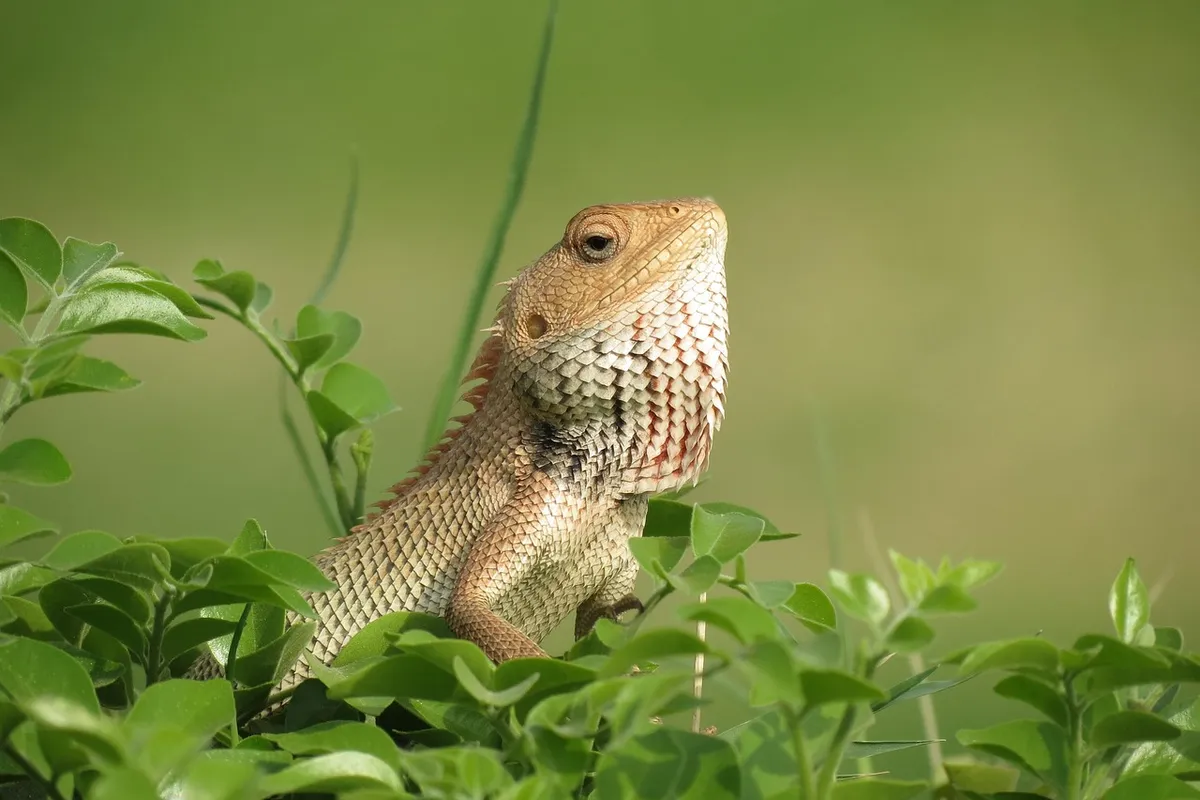
Getting their diet right is one of the most impactful things you can do for your bearded dragon’s health. I’ve learned through my own dragons that a proper diet prevents a host of issues and keeps them active and bright-eyed. Their nutritional needs shift dramatically as they grow, moving from a protein-heavy menu to a plant-based one. It’s a fascinating transition to witness and support. To make this transition easier, a complete guide on safe foods for bearded dragons can help you plan meals with confidence. It outlines safe options at each life stage and how to balance protein and greens.
The Three Pillars of a Bearded Dragon Diet
Think of their meals as being built on three key components. Getting the balance between them correct is the secret to a thriving dragon.
- Insects (Live Prey): This is their primary source of protein. Staple feeders include dubia roaches, crickets, and black soldier fly larvae. I always avoid feeding my dragons fireflies or wild-caught insects, as they can be toxic or carry parasites.
- Greens & Vegetables (Salad): This should form the bulk of an adult dragon’s diet. My go-to greens are collard greens, dandelion greens, and mustard greens. You can mix in other veggies like bell peppers, squash, and shredded carrots for variety.
- Fruits (Occasional Treats): Fruits are like candy for bearded dragons. I offer small amounts of berries, mango, or papaya as a special treat no more than once or twice a week. Too much sugar can lead to health problems.
Boosting Nutrition: Gut Loading and Supplementation
You can’t just drop a cricket in the tank and call it a day. The real nutritional magic happens before your dragon even takes a bite, through a process called gut loading. This means feeding your feeder insects a highly nutritious diet (like commercial gut load food, oats, and fresh veggies) for at least 24 hours before offering them to your pet. A well-fed insect is a vitamin-packed meal.
Even with perfect gut loading, supplementation is non-negotiable in captivity. Here’s my simple routine:
- Calcium with Vitamin D3: I lightly dust almost every insect meal with a calcium powder that contains D3. Vitamin D3 is critical because it allows your dragon to actually absorb and use the calcium, preventing Metabolic Bone Disease, a common and devastating illness.
- Multivitamin: Once or twice a week, I swap the calcium dust for a reptile-specific multivitamin to cover all their nutritional bases.
Feeding Schedules by Age
How much and how often you feed is entirely dependent on your dragon’s life stage. I’ve raised several from babies to adults, and adjusting this schedule is key. A complete feeding schedule tells you how often you should feed a bearded dragon and what to offer at each life stage. Following that plan helps keep nutrition balanced and consistent.
Baby Bearded Dragons (0-5 months)
- They are growing machines and need loads of protein.
- Offer as many appropriately-sized insects as they can eat in 10-15 minutes, three times a day.
- Always have a fresh salad available, even if they mostly ignore it at this stage. This gets them used to eating greens early on.
Juvenile Bearded Dragons (5-18 months)
- Their growth starts to slow down.
- Feed insects twice a day, again allowing them to eat for 10-15 minutes per session.
- Their salad should become a more prominent part of their daily diet.
Adult Bearded Dragons (18+ months)
- Their diet makes a major flip. An adult dragon’s diet should be about 80% fresh greens and vegetables and only 20% insects.
- Offer a large, fresh salad every single day.
- Insect feedings should be reduced to just every other day or even 2-3 times per week.
Daily and Weekly Beardie Care Routine
Getting into a consistent rhythm with your bearded dragon is the secret to a happy, healthy pet. I’ve found that a predictable routine makes my dragons more relaxed and interactive, as they know exactly what to expect from their day. Let’s break down the tasks that will keep your scaly friend thriving.
Your Daily To-Do List
These are the non-negotiable tasks you’ll do every single day. They don’t take long, but they are vital for your dragon’s immediate well-being.
- Fresh Food and Water: Offer a salad of fresh, leafy greens and appropriate veggies first thing in the morning. For juveniles, provide live insects like dubia roaches or crickets 2-3 times a day. Adults only need insects once a day or every other day.
- Hydration Check: Bearded dragons often don’t drink from a standing water bowl. I watch for clear eyes and supple skin. I also lightly mist their salad with water and offer a shallow, lukewarm bath a few times a week to encourage hydration through their skin.
- Spot Cleaning: Keep the enclosure tidy by promptly removing any uneaten insects and cleaning up waste. This prevents bacteria growth and keeps the habitat smelling fresh.
Your Weekly Responsibilities
Once a week, set aside about an hour for a more thorough maintenance session. This deep clean prevents long-term issues and lets you catch any potential health concerns early.
- Full Enclosure Cleaning: Remove your dragon and all decor. Scrub the tank walls and floor with a reptile-safe disinfectant or a vinegar-water solution. Rinse everything thoroughly and let it dry completely before adding fresh substrate and putting decor back.
- Health Inspection: This is your hands-on time. Gently check your dragon’s weight, look for clear and alert eyes, and ensure their nose and vent are clean. Run your fingers gently along their body, feeling for any lumps, bumps, or retained shed, especially on their toes and tail tip.
Handling and Building a Bond
Regular, gentle handling is crucial for taming your bearded dragon and reducing their stress during necessary interactions, like tank cleanings.
- Start Slow: Begin with just putting your hand in the tank without touching them. Then progress to gently petting their side and back.
- Proper Support: Always scoop them up from below, fully supporting their chest and all four legs. Never grab them from above, as this mimics a predator.
- Keep Sessions Short: Start with 5-10 minute sessions a day. I always handle my dragons when they are most calm, usually in the late morning or afternoon after they’ve had time to bask.
- Read Their Body Language: A flat, pancake-like body means they are content and absorbing heat. A black, puffed-out beard and an open mouth are clear signs of stress or fear-it’s best to give them space. Learning to respect their communication is the foundation of a trusting relationship.
Supporting Health and Wellness in Bearded Dragons
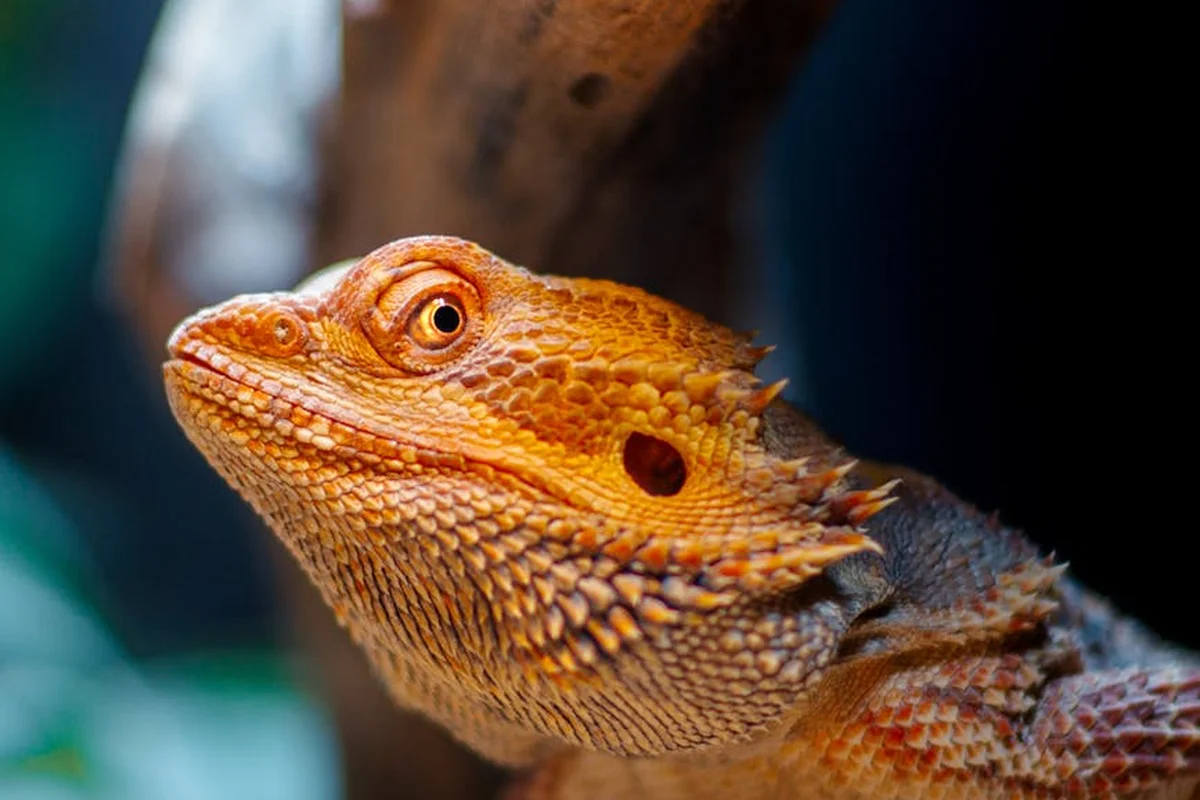
Keeping a close, daily eye on your bearded dragon is the single best thing you can do for their long-term health. I’ve learned that spotting a small change early is often the key to preventing a big problem later. A healthy dragon is alert, has bright, clear eyes, and a firm, well-rounded body. Their skin should look smooth, and they should be active and curious, especially when it’s time to eat. For a structured assessment, a complete health check guide walks you through the signs to watch and how to interpret them. It helps you tell if your bearded dragon is healthy and when to seek veterinary care.
Spotting a Healthy Dragon vs. Common Problems
You’ll quickly learn your dragon’s normal behavior. A content beardie will often sit with their mouth slightly open to regulate temperature, a behavior called “gaping.” They should have a good appetite for their size and age. One of the most common wellness events you’ll witness is shedding. If your bearded dragon isn’t eating, it could be due to factors like temperature, lighting, or stress, and identifying the cause matters for the right solution. Here are common causes and practical solutions.
- Signs of Good Health:
- Bright, alert eyes without any discharge or swelling.
- Strong, even grip with all limbs.
- Consistent appetite and regular, well-formed droppings.
- Active and basks regularly under their heat lamp.
- Common Shedding Issues:
- Your dragon’s skin will turn a dull, grayish-white before it sheds.
- They may seem irritable or rub against decor to help loosen the skin.
- Stuck shed, especially on the toes, tail tip, and around the eyes, is a common problem. Never, ever pull off the shedding skin, as this can seriously injure the new skin underneath.
When It’s Time to Call the Vet
Reptiles are masters at hiding illness, so by the time they show obvious signs, they can be very sick. Don’t hesitate to seek professional help. I always tell new owners it’s better to make a “worrywart” vet visit than to wait and regret it.
- Lethargy or lack of movement for more than a day.
- No interest in food for several days, especially in a juvenile dragon.
- Runny, foul-smelling, or bloody droppings.
- Swollen joints, limbs, or jaw.
- Difficulty breathing, which can sound like a clicking or wheezing noise.
- Persistent shedding problems that don’t resolve with proper humidity.
Keeping Your Dragon Hydrated
Many bearded dragons don’t recognize a still water dish as a drinking source. In the wild, they get moisture from morning dew and the food they eat. Providing hydration in a way they instinctively understand is a game-changer for their health. I use a combination of methods with my own dragons to keep them perfectly hydrated.
- Misting: Gently mist your dragon and the enclosure walls with a spray bottle a few times a week. They will often lick the water droplets right off their snout and the decor. This mimics morning dew.
- Lukewarm Baths: A shallow bath once a week helps with hydration and can assist with difficult sheds. The water should only come up to their elbows. Always supervise bath time closely to prevent any accidents.
- Hydrating Foods: Offer water-rich vegetables like bell peppers, cucumber, and zucchini. Gut-loading your feeder insects with fresh veggies also passes that hydration on to your dragon.
Enrichment and Handling for a Happy Beardie
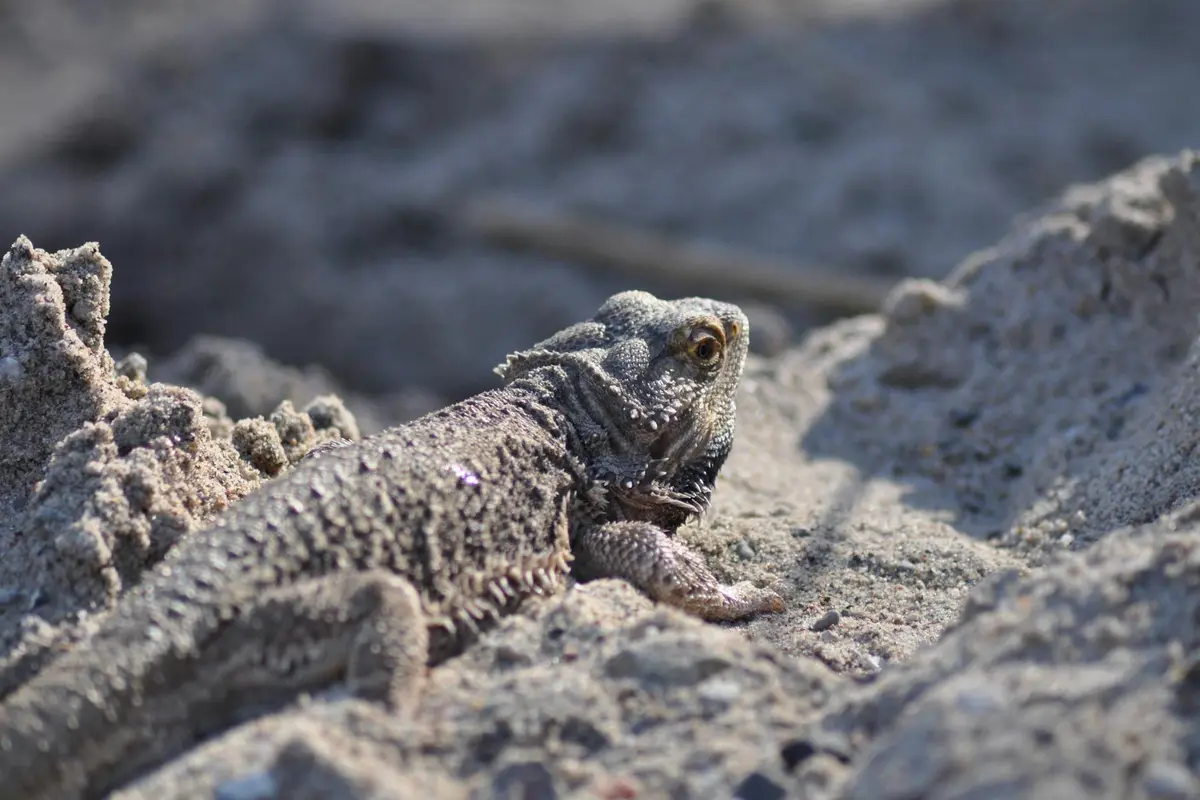
Think of your dragon’s enclosure as their personal apartment. You wouldn’t want to live in a room with just a bed, right? Enrichment is what turns a boring tank into a stimulating home, keeping your beardie both physically active and mentally sharp. If you’re looking for bearded dragon enrichment ideas, here are a few simple options to try. I’ve seen my own dragons become much more curious and engaged after I started regularly switching up their environment.
Fun Enrichment Ideas
You don’t need fancy, expensive toys. Enrichment is about providing novelty and encouraging natural behaviors.
- Climbing Structures: Use sturdy branches, reptile hammocks, and stacked slate rocks to create a multi-level landscape for climbing and basking.
- Foraging Fun: Instead of always using a food bowl, hide some of their daily greens or worms in a clean, shallow box with crinkled paper or reptile-safe leaf litter.
- Textural Variety: Offer different surfaces like flat stones, rough tiles, and a small patch of reptile-safe sand for digging.
- Supervised Exploration: Let your dragon have safe, supervised time outside their enclosure. A secure, beardie-proofed room lets them explore new sights and smells.
Gentle Handling Builds Trust
Building a bond with your bearded dragon is one of the most rewarding parts of pet ownership. Always move slowly and predictably when you interact with your dragon to avoid startling them. I always approach my beardies from the side and below their line of sight, never from above like a predator would. With patience and consistent, gentle interactions, you can get your bearded dragon to like you and build trust. This trust makes handling and daily care easier and more enjoyable for both of you.
Follow these steps for stress-free handling:
- Wash your hands thoroughly before and after handling.
- Gently slide one hand under their chest and front legs for support.
- Use your other hand to support their back legs and tail.
- Lift them smoothly and hold them securely against your chest.
- Keep handling sessions short at first, just 5-10 minutes, and always end on a positive note.
Recognizing Stress Signals
Our scaly friends communicate with their bodies. It’s our job to listen. Learning to read your bearded dragon’s body language is the key to ensuring all interactions are positive. Pushing a stressed dragon to interact can damage the trust you’ve worked so hard to build.
Watch for these common signs of stress:
- Beard Puffing & Darkening: A black beard is a very clear sign of stress, fear, or agitation.
- Gaping Mouth: While they sometimes gape to regulate temperature, a wide-open mouth during handling can be a defensive posture.
- Hissing: This is a vocal warning to back off.
- Frantic Scratching: If they are desperately trying to get away from you, it’s time to put them back.
- Flattened Body: They may pancake themselves to the ground to appear larger and more intimidating.
Frequently Asked Questions
What are the most common mistakes new bearded dragon owners make?
New owners often overlook the importance of having a reptile-savvy veterinarian on standby for emergencies and may skip regular health checks, leading to delayed treatment. Another frequent error is not providing enough hiding spots or incorrect handling too soon, which can cause unnecessary stress.
Where can I find reliable bearded dragon care advice from experienced owners?
Online communities like the Bearded Dragon subreddit offer real-world tips, such as using bioactive setups for enrichment and sharing handling techniques to build trust. These forums are great for getting quick, peer-supported answers to specific care questions.
Are there comprehensive books or downloadable guides for bearded dragon care?
Yes, books like “The Bearded Dragon Manual” by Philippe de Vosjoli provide detailed insights into advanced care, while many reputable pet care websites offer free PDF care sheets for quick reference. These resources are ideal for beginners seeking structured, in-depth information beyond basics.
Your Blueprint for a Thriving Dragon
Providing a great life for your bearded dragon boils down to three pillars: a proper habitat with the right heat and UVB lighting, a varied diet of greens and live insects, and your consistent, watchful care. Getting these fundamentals right is what transforms basic survival into a vibrant, active, and long life for your scaly friend. This is exactly the kind of practical, beginner-friendly guidance you’ll find in our complete beginners guide to taking care of a bearded dragon.
From my own experience, the daily routine of feeding, spot-cleaning, and just watching them bask is incredibly rewarding. Your attentive care is the final, and most important, ingredient in their happiness and well-being.
Further Reading & Sources
- The Ultimate Bearded Dragon Care Checklist
- Bearded Dragons – Care Sheet
- Bearded Dragon Care Sheet | PetMD
Bearded Dragon Lair is the ultimate resource for bearded dragon enthusiasts, offering expert advice and practical tips to ensure the health and happiness of your scaly companion. With years of experience in reptile care, we are dedicated to providing accurate, up-to-date information to support your bearded dragon journey.
Heating and Lighting