
Pet Store vs. Online Breeder: Where to Buy Your Bearded Dragon
Published on: November 2, 2026 | Last Updated: November 2, 2026
Written By: Beardie Joe
You’re ready for a bearded dragon, but you’re stuck on the big question: should you walk into a pet store or search for an online breeder?
As someone who shares my home with several happy, healthy ‘beardies’, I’ll use my reptile care experience to help you navigate this important choice.
We’ll compare the health guarantees, ethical sourcing, and true costs of each option to find the safest path for your new pet.
What You Must Know Before Bringing Home a Bearded Dragon
Essential Habitat and Care Setup
Before you even think about where to buy your dragon, you need to have its home ready. I learned this the hard way with my first beardie, Spike. I brought him home to a half-setup tank, and the stress for both of us was immense. Your dragon’s enclosure is its entire world, and getting it right from day one is non-negotiable. A DIY bearded dragon enclosure building guide can help you nail it from day one. It walks you through sizing, heating, lighting, humidity, and enrichment to build a safe, thriving habitat from the ground up.
Here is what you absolutely need to have running for at least 24 hours before your new pet arrives:
- The Enclosure: A 40-gallon tank is the bare minimum for a juvenile, but an adult will need a 120-gallon (4x2x2 feet) enclosure. I always recommend starting with the adult size to save money and stress later.
- Lighting & Heating: This is the most common mistake. You need two separate bulbs: a dedicated UVB light tube that spans half the tank and a basking bulb for heat. Without proper UVB, they cannot process calcium and will become critically ill.
- Temperature Gradient: One end of the tank must be a warm basking spot (around 95-110°F), and the other end must be a cooler zone (around 75-85°F). Your dragon needs to thermoregulate by moving between them.
- Substrate: For beginners and babies, skip loose sand. Use reptile carpet, ceramic tile, or paper towel. It’s safer and prevents impaction, a deadly gut blockage.
- Decoration: Include a sturdy basking rock and at least one good hiding spot. They need to feel secure.
Understanding the Real Costs
The price tag on the lizard is just the beginning. I’ve spent more on a single vet visit than I have on some of my dragons. Being blindsided by the ongoing costs is a fast track to heartbreak and financial strain. Plan for this like you would a new family member.
Let’s break down the numbers you need to budget for:
- Initial Setup: This is your biggest one-time cost. A proper enclosure, lighting fixtures, bulbs, decor, and thermometers can easily run you $400 to $800.
- Recurring Monthly Costs:
- Food: Live insects (like dubia roaches and crickets) and fresh greens. For a growing juvenile, this can be $40-$60 a month.
- Electricity: Those lamps run 12-14 hours a day. Expect a small increase in your power bill.
- Supplements: Calcium and multivitamin powders are a must for dusting insects. A few dollars a month.
- Unexpected/Vet Costs: This is the big one. An exotic vet visit for a simple check-up can be $75-$100. Treatments for parasites or other illnesses can run into the hundreds. Please, have a small emergency fund for your pet.
The Pet Store Experience: Weighing the Immediate vs. The Unknown
Pros of Buying from a Pet Store
I’ve walked into a pet store, seen a cute little face, and brought a dragon home the same day. The immediacy is a powerful draw. The main advantage of a pet store is pure convenience and the ability to see the animal in person right away.
- Instant Gratification: You see it, you like it, you can take it home. The entire process can be completed in an afternoon.
- Physical Inspection: You can visually check for obvious signs of health-clear eyes, alertness, and a well-fleshed body-before you commit.
- Access to Supplies: You can purchase your entire setup and your new pet in one single trip, which is incredibly handy.
- Perceived Lower Cost: The initial price for the animal itself is often cheaper than from a specialized breeder.
Cons of the Pet Store Route
This is where my experience as a long-time owner makes me very cautious. That low upfront cost often comes with hidden price tags. The biggest risk with a pet store dragon is the lack of history and the potential for underlying health issues.
- Unknown Genetics and History: You rarely know the dragon’s age, its parentage, or how it was bred. This can lead to unexpected genetic problems or a much shorter lifespan.
- Higher Risk of Illness: Pet stores are high-stress environments with animals from multiple sources. I’ve seen far too many cases of parasites, respiratory infections, and adenovirus come from otherwise “healthy-looking” pet store dragons.
- Lack of Specialized Knowledge: The store employees are often generalists. They may give you outdated or incorrect care advice about lighting, diet, or habitat size.
- Support Ends at the Door: Once you leave the store, their support typically ends. You are on your own if you have questions about your specific dragon’s behavior or needs.
Choosing an Online Breeder: Transparency and Genetics at a Distance

Benefits of a Reputable Online Breeder
When I expanded my bearded dragon family, I turned to online breeders for specific traits and found some real gems. Reputable online breeders often specialize in unique color morphs and robust genetic lines that local pet stores simply don’t carry. You get access to a wider variety, from classic citrus to rare witblits, which can make your dragon truly one-of-a-kind. The genetics behind morph breeding play a huge role in this diversity.
- Access to specialized genetics and rare morphs not available in chain stores.
- Direct communication with breeders who share detailed lineage and care history.
- Health guarantees and support that often outlast what big-box stores provide.
- Opportunity to support small-scale, passionate breeders focused on animal welfare.
Challenges with Online Breeder Purchases
Buying a dragon online isn’t all sunshine; I’ve had a shipment delayed, and the stress on the animal was heart-wrenching. You can’t physically inspect the dragon before purchase, which means relying heavily on photos and the breeder’s honesty. Shipping live animals introduces risks like temperature fluctuations and handling mishaps that can impact their health.
- Inability to see the dragon in person to check for subtle health issues.
- Shipping stress can weaken the dragon’s immune system initially.
- Higher risk of scams or misrepresentation if the breeder lacks reviews.
- Return policies might be complicated, adding hassle if problems arise.
Critical Health and Ethical Checks Before You Buy
Verifying Animal Health and History
Before I bring any dragon home, I ask for a full health rundown-it saved me from a potentially sickly one last year. Always request clear, recent photos and videos that show the dragon’s eyes, limbs, and activity level to spot red flags. A healthy dragon should have bright eyes, a plump tail base, and no visible sores or stuck shed. It’s crucial to know how to spot these signs, which is why I always follow this guide for a complete health check.
- Ask for proof of vet checks and parasite screenings.
- Inquire about feeding habits and weight records over time.
- Look for signs of alertness and steady growth in provided media.
- Verify the dragon’s age and any previous health issues disclosed.
Assessing Seller Ethics and Reputation
Ethics matter deeply to me; I avoid breeders who can’t answer basic care questions about their own animals. Check online reviews and reptile forums to see if other buyers report positive experiences and healthy dragons long-term. A good breeder will happily discuss their breeding practices, enclosure setups, and how they handle animal welfare.
- Research the breeder’s history on social media and reptile communities.
- Ask about breeding frequency to avoid supporting mill-like operations.
- Ensure they follow ethical practices, like not overbreeding females.
- Look for transparency in policies on returns, guarantees, and support.
Cost and Logistics: A Side-by-Side Comparison
Breaking Down the Total Price
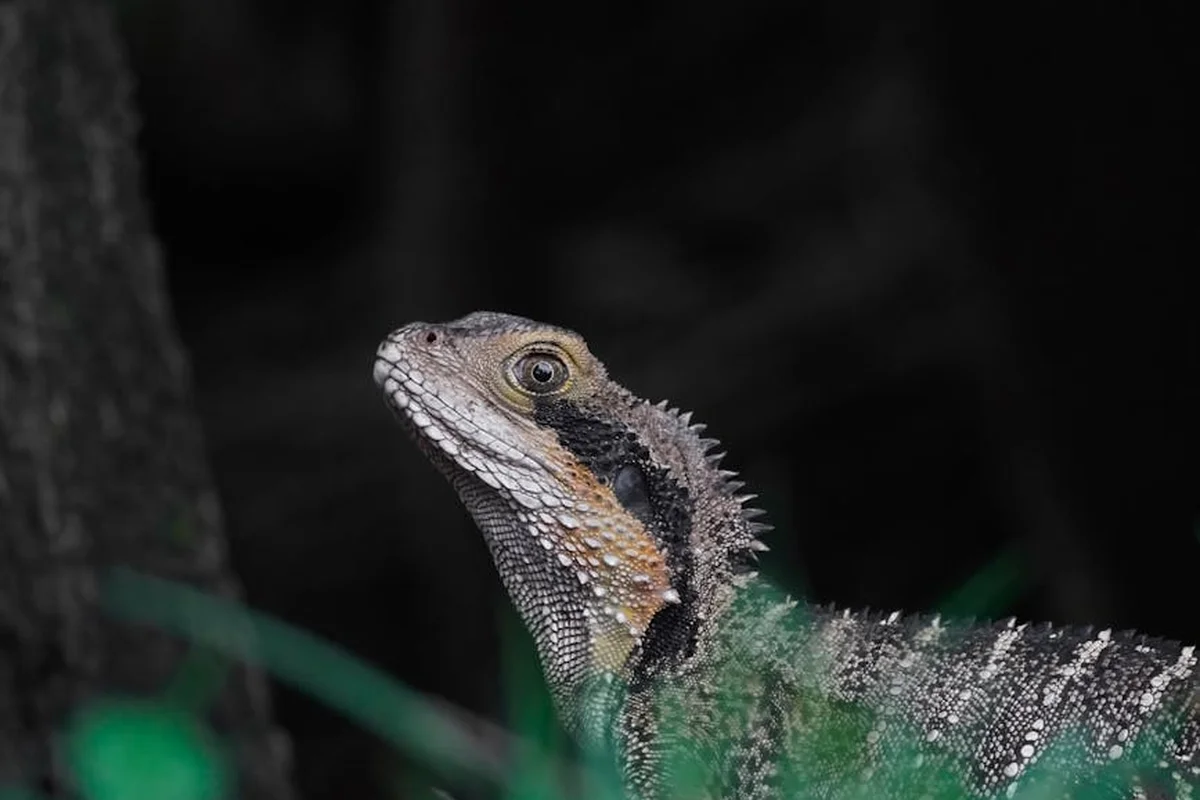
Looking at just the price tag on the animal is a common mistake. The true cost of your new bearded dragon involves several factors you need to add up. I’ve bought from both sources, and the final number can surprise you. To do a thorough cost analysis, factor in the initial purchase, setup costs and ongoing expenses. That way you can budget for year one and beyond.
Here’s a simple breakdown of what you’re actually paying for:
- Pet Store Base Price: Often seems lower, typically $50-$100. This is the most visible cost.
- Online Breeder Base Price: Usually higher, ranging from $100 to over $500 for rare morphs. You are paying for specific genetics and dedicated breeding.
- The “Hidden” Health Cost: This is the big one. A pet store dragon with parasites will need a vet visit. I budget at least $150 for an initial check-up and fecal exam, which can erase any initial savings.
- Shipping Fees: Online breeders charge for this, often $50-$100. It’s a dedicated cost you see upfront.
In my experience, a healthy animal from a reputable source, even with a higher initial price, almost always costs less in the long run. You are investing in a pet with a stronger start in life, which means fewer vet bills and less heartache later.
Shipping vs. Local Pickup Considerations
How your dragon comes home is a major logistical difference. I’ve done both, and each has a distinct feel.
Bringing a dragon home from a local store is straightforward. You see the animal, pay for it, and take it home in a small box or carrier. The immediate benefit is zero travel stress from shipping for the animal. The trip is short. Consideration of adoption options can also be part of the plan, as many rescues offer documented care histories. A complete guide on adoption vs buying can help you weigh costs, care needs, and long-term commitment before bringing a bearded dragon home.
Shipping from an online breeder is a more complex process designed for safety.
- Breeders use specialized reptile shipping services, often for next-day morning delivery.
- The dragon is packed in an insulated box with a heat or cool pack, depending on the weather.
- You must be home to receive the package immediately upon delivery.
Watching your new pet arrive in a box can feel nerve-wracking, but reputable breeders are experts at safe, low-stress shipping. The dragon is typically shipped overnight to minimize time in transit. The first time I experienced it, I was anxious, but the dragon was perfectly calm and healthy inside its secure container.
Your Step-by-Step Guide to a Responsible Purchase
Pre-Purchase Questions to Ask Any Seller
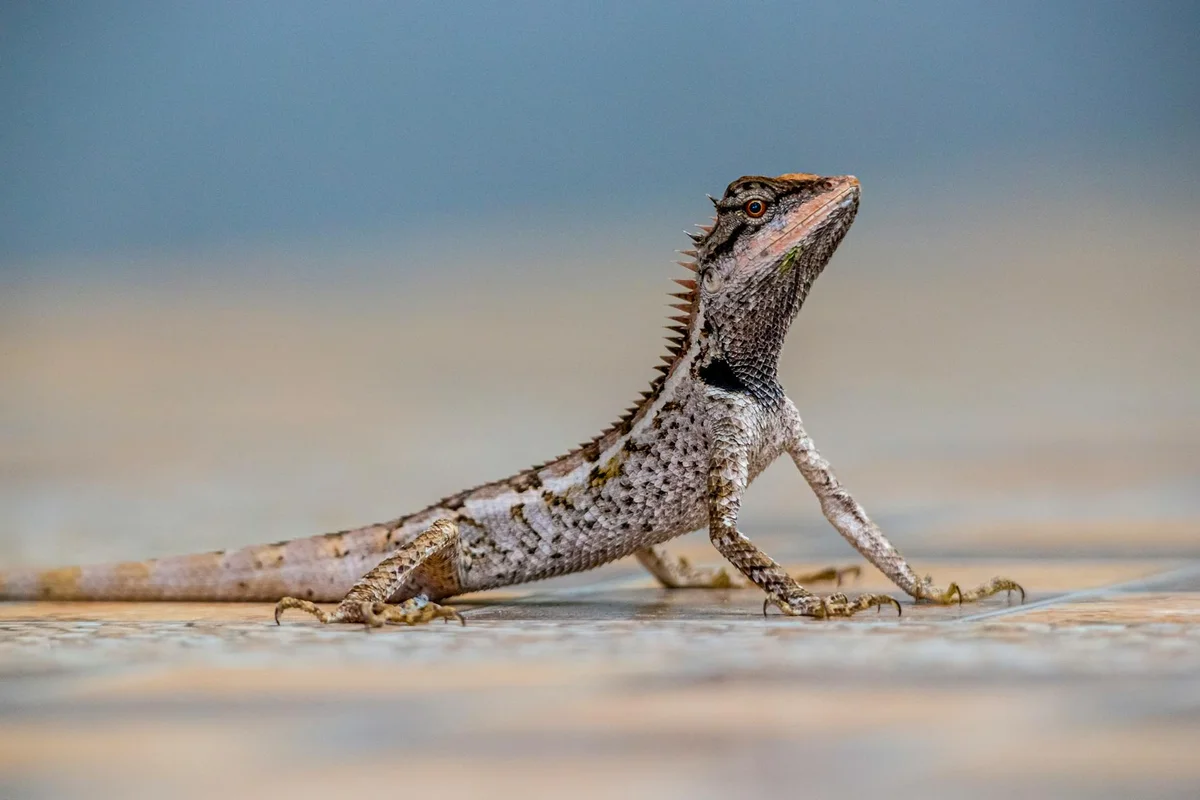
Never be shy about asking questions. A good seller will welcome them. Your goal is to gauge their knowledge and the animal’s history. This is your best defense against bringing home a sick dragon. This approach is essential in bearded dragon adoption and rehoming situations—whether you’re adopting, surrendering, or selling. Staying informed helps you ensure a healthy, well-cared-for dragon.
Make this your mandatory checklist:
- What is the dragon’s exact hatch date?
- What and how often are you feeding it? (Ask for specifics like “small dubia roaches dusted with calcium”)
- Can you send recent photos or a video of the specific dragon moving around?
- What is your guarantee or health policy?
- For breeders: What are the genetics of the parents? (This prevents inbreeding issues)
- For pet stores: What is your source for reptiles? Can you tell me about their care here?
If a seller hesitates or gives vague answers, see it as a red flag. A transparent seller is a trustworthy seller, period. I’ve walked away from purchases when the answers felt wrong, and it saved me from potential tragedy.
Post-Purchase Quarantine and Acclimation
Your job isn’t over once you pay. The first few weeks are critical for your new dragon’s long-term health. A proper quarantine is non-negotiable, especially if you have other reptiles. I have a dedicated quarantine tank for this exact purpose. Following a bearded dragon quarantine procedure—keep them isolated for a set period, monitor appetite, droppings, and behavior, and only reintroduce after clearance. This careful step protects both your dragon and any existing pets.
Follow these steps for a smooth transition:
- Set Up a Quarantine Enclosure: Use a simple, easy-to-clean setup with paper towel substrate. This is for observation, not decoration.
- Isolate Completely: Keep the new dragon in a separate room from other reptiles for at least 60-90 days. No shared air space.
- Handle Tools Separately: Use dedicated feeding tongs, cleaning sponges, etc., for the quarantine tank to prevent cross-contamination.
- Let Them Settle: For the first week, minimize handling. Focus on providing fresh food, water, and proper heat and UVB.
- Schedule a Vet Visit: Take a fresh fecal sample to an exotic vet within the first two weeks to check for parasites, even if the dragon looks healthy.
This process minimizes stress on the animal and protects your existing pets from potential illness. Watching them slowly relax, start eating eagerly, and show curious behaviors is one of the most rewarding parts of responsible dragon ownership. Knowing how to calm a stressed bearded dragon can make all the difference during the introduction phase.
Frequently Asked Questions
What is the average lifespan of a bearded dragon, and does the source affect it?
Bearded dragons typically live 8-12 years with proper care, but dragons from reputable online breeders often have longer, healthier lives due to selective breeding for robust genetics. Pet store dragons may face higher risks of genetic issues or early health problems, potentially shortening their lifespan. For more information on the lifespan of bearded dragons and how to maximize it, visit Bearded Dragon Lair.
What should I do if the bearded dragon I bought has undisclosed health problems?
Contact the seller immediately with details and evidence, such as vet reports, to discuss their health guarantee or return policy. If unresolved, seek advice from exotic vet communities and consider sharing your experience to warn others about the seller’s practices.
How does the diet change as a bearded dragon grows from juvenile to adult?
Juveniles require a protein-heavy diet with live insects offered daily, while adults need more leafy greens and vegetables with insects only a few times a week. Always dust food with calcium and vitamin supplements to prevent nutritional deficiencies as they age.
Final Thoughts
Choosing where to bring your new dragon home from is one of your first and most important decisions as a keeper. While a pet store offers immediate convenience, a reputable online breeder consistently provides a healthier, better-started animal with a transparent history. Your dragon’s long-term health and temperament are almost always worth the extra effort and potential wait. If you’re weighing options, consider local pet stores, reputable online sources, or established bearded dragon breeders. Look for clear origin, health histories, and a solid return policy to help ensure you’re getting a healthy dragon, whether you shop nearby or online.
I have brought home dragons from both sources over the years, and the difference in their initial hardiness was undeniable. Prioritizing a breeder who is passionate about their lineage and care is the single best way to set your scaly friend up for a long, vibrant life with you.
Further Reading & Sources
- Buy Bearded Dragons With Overnight Delivery | Big Apple Herp
- READ BEFORE BUYING – How To Identify Excellent Bearded Dragon Breeders – The Critter Depot
- r/reptiles on Reddit: Where do I buy a bearded dragon?
Bearded Dragon Lair is the ultimate resource for bearded dragon enthusiasts, offering expert advice and practical tips to ensure the health and happiness of your scaly companion. With years of experience in reptile care, we are dedicated to providing accurate, up-to-date information to support your bearded dragon journey.
Finding Homes for Hatchlings