
How Long Do Bearded Dragons Live? A Complete Guide
Published on: February 12, 2026 | Last Updated: February 12, 2026
Written By: Beardie Joe
If you’re wondering how many years you’ll share with your bearded dragon, you’re asking the right question. Their lifespan is one of the biggest commitments and joys of reptile ownership.
I’ve cared for multiple bearded dragons over the years and studied reptile health, so I’ll help you understand their lifespan from my hands-on experience and a deep care for their welfare.
We’ll compare their lifespan in captivity versus the wild, and I’ll share my proven tips to help your dragon live a long, vibrant life.
Bearded Dragon Lifespan: The Core Numbers
When you bring one of these amazing reptiles home, you’re starting a long-term friendship. The average lifespan of a well-cared-for Pogona vitticeps, the most common pet species, is a solid 8 to 12 years in captivity.
Out in the wilds of Australia, it’s a much tougher story. Their life is a constant struggle for survival. The average wild bearded dragon is lucky to see 5 to 8 years, with many not making it past their first year. In captivity, a bearded dragon age guide helps determine life stages—from hatchling to adult. This helps tailor care as they grow.
Here’s a quick look at how gender can play a role in those captivity numbers. From my own experience and talking with other owners, this is the general trend I’ve observed.
| Gender | Average Lifespan in Captivity | Notes |
|---|---|---|
| Male | Often 10-12+ years | Generally larger and less prone to the physical stresses of egg-laying. |
| Female | Often 8-10 years | Can experience shorter lifespans due to the energy demands and risks of reproductive issues like egg-binding. |
While the Central Bearded Dragon is the pet shop staple, size and species matter. Larger subspecies, like the German Giant morph, can sometimes have shorter lifespans due to the strain their size puts on their bodies. Smaller species, like the Rankin’s Dragon, typically live a bit less, around 6-10 years. Growth trajectories vary by subspecies and individual, with some dragons reaching larger adult sizes than others. Tracking these size growth patterns helps owners anticipate how big their pet will become and plan for housing, diet, and care as they mature.
Why Captive Bearded Dragons Live Longer
I often look at my dragon’s enclosure and feel a deep sense of relief. It’s a world away from the harsh realities of the Australian outback. A proper tank is a sanctuary that removes the daily fight for survival.
In the wild, a bearded dragon’s life is filled with constant threats that we, as owners, can completely eliminate. Their natural predators are always present, but in captivity, they can live stress-free.
- Predators: Birds of prey, snakes, and even larger lizards see them as a meal.
- Food Scarcity: Finding enough insects and greens is a daily challenge, especially during droughts.
- Disease & Parasites: In the wild, there’s no vet to treat infections or a heavy parasite load.
- Environmental Extremes: They face scorching heatwaves, freezing nights, and a lack of consistent water.
Our job is simple yet profound. We provide a stable, safe, and nourishing environment where they can simply thrive. Consistent meals, perfect temperatures, and protection from harm are gifts we can easily give.
Key Factors That Shape Your Dragon’s Lifespan
Getting your dragon to live a long, healthy life comes down to four main pillars. I think of them as the cornerstones of great reptile care.
- Genetics: This is the hand your dragon is dealt. A dragon from a reputable breeder with a history of healthy, long-lived animals has a fantastic head start. You can’t change genetics, but you can choose a healthy baby.
- Diet & Nutrition: This is everything. A poor diet leads to metabolic bone disease, organ failure, and obesity. Providing the right balance of insects, greens, and vital supplements is non-negotiable for a long life.
- Environment & Habitat: Their tank is their entire world. Proper UVB lighting for calcium absorption, the correct temperature gradient for digestion, and a clean, spacious enclosure are not optional extras. They are the foundation of health.
- Proactive Healthcare: Don’t wait for a problem to become an emergency. Regularly observing your dragon’s behavior and weight, along with annual check-ups with a reptile vet, can catch small issues before they become big ones.
Essential Husbandry for a Long, Healthy Life
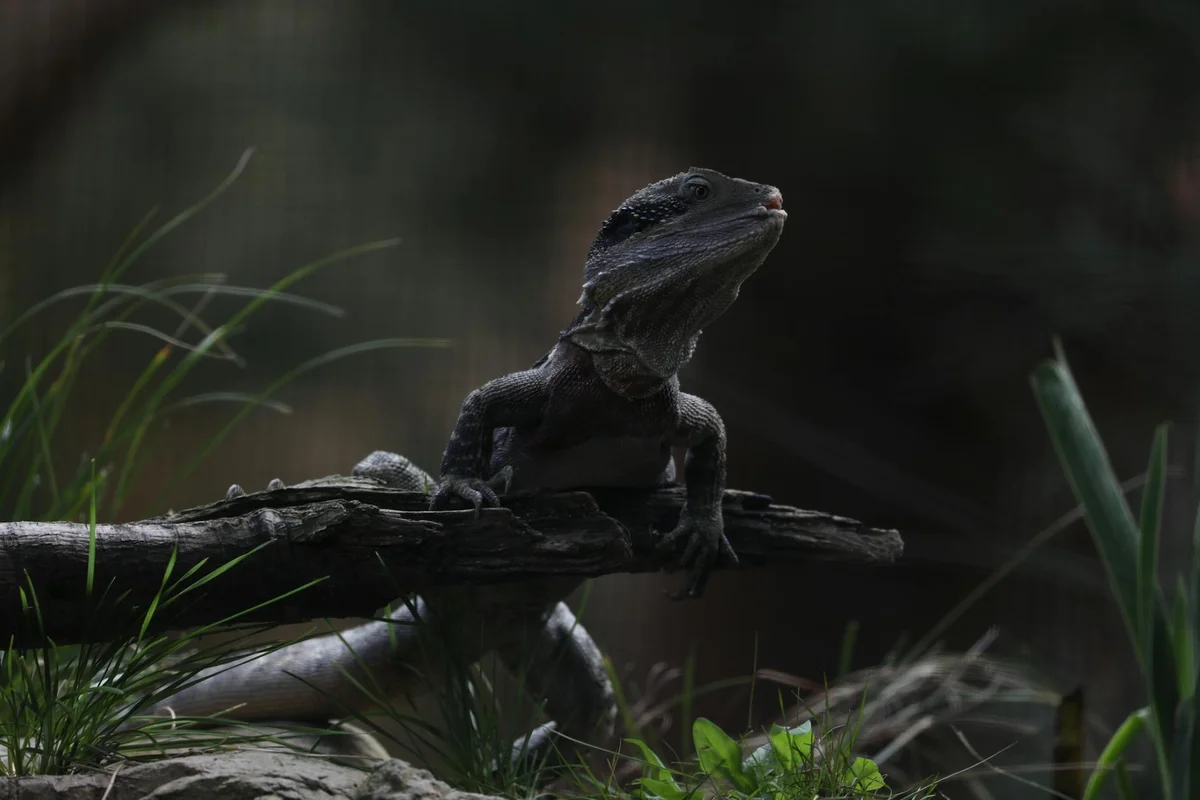
Think of your bearded dragon’s care routine as a daily investment in their future. Getting these fundamentals right is the single most impactful thing you can do to help them reach their full lifespan potential. I’ve seen the dramatic difference it makes in my own dragons’ vitality and longevity. Proper care is the foundation of a healthy and happy life for them.
Lighting and Heating: The Non-Negotiable Duo
This is the cornerstone of bearded dragon health. Without the right light and heat, nothing else in their care will work properly. Proper lighting and heating are not optional; they are the bedrock of your dragon’s metabolism and skeletal health. Learn about UVB requirements, heat lamp setup, and daily light cycles to keep them thriving. A consistent lighting schedule supports digestion, activity, and overall well-being.
- UVB Lighting is for Life: A high-output, long, tube-style UVB light (like a T5 HO) is essential. It allows your dragon to synthesize Vitamin D3, which is needed to absorb calcium from their food. Without it, they will develop Metabolic Bone Disease (MBD), a painful and crippling condition. I replace my UVB bulbs every 6 months, even if they still look fine, because their output diminishes.
- Create a Temperature Gradient: Your dragon needs choices. One end of the enclosure must be a warm basking area, and the other end must be cooler for resting.
- Basking Spot Surface Temperature: 95-110°F (35-43°C) for adults. Juveniles often prefer the higher end of this range.
- Warm Side Ambient Temperature: 85-90°F (29-32°C)
- Cool Side Ambient Temperature: 75-80°F (24-27°C)
- Nighttime Temperature: Can drop to 65-75°F (18-24°C). If your home gets colder, use a ceramic heat emitter which provides heat without light.
Use digital thermometers and a temperature gun for accurate readings. The basking spot is where they digest food, so an incorrect temperature can lead to serious gut issues.
Diet and Hydration: Building Blocks of Health
What you feed your dragon, and when, changes dramatically as they grow. Getting this transition right prevents obesity and organ strain in adulthood. A balanced diet is your primary tool for preventing common health issues and promoting a robust immune system.
- Juvenile Diet (0-12 months): These are fast-growing kids with huge energy needs! Their diet should be roughly 80% live, protein-rich insects and 20% fresh greens.
- Offer insects like dubia roaches, black soldier fly larvae, and crickets 2-3 times daily.
- Always have a shallow dish of fresh, chopped greens like collard, mustard, and dandelion greens available.
- Adult Diet (18+ months): Their growth has slowed, and their diet must flip. It should now be about 80% fresh greens and 20% insects.
- Offer a large salad daily.
- Feed insects only once a day or every other day to maintain a healthy weight.
- Fruits like berries or mango can be a rare treat, no more than once a week.
Supplementation is non-negotiable for preventing nutritional deficiencies. Here is the simple schedule I follow with my dragons:
- Calcium without D3: Lightly dust insects at every feeding.
- Calcium with D3: Lightly dust insects one feeding per week.
- Multivitamin: Dust insects one feeding per week (on a different day than the D3 calcium).
For hydration, most bearded dragons won’t drink from a standing water bowl. I provide water by gently misting their salad greens each morning and offering a shallow, lukewarm bath once or twice a week for 10-15 minutes. They often absorb water through their vent and may also drink during their soak. If you’re wondering how often to bathe your bearded dragon, our complete soaking guide covers it. It explains frequency, duration, and safety tips.
Enclosure and Enrichment: More Than Just a Tank
Your dragon’s home should be a safe, stimulating sanctuary that minimizes stress. A stressed dragon is an unhealthy dragon. A thoughtfully designed habitat directly supports their mental well-being and encourages natural, healthy behaviors.
- Correct Enclosure Size: Start with a 40-gallon breeder tank for a juvenile, but plan for the adult minimum of a 4x2x2 foot (120-gallon) enclosure. More space is always better.
- Safe Substrates: Loose substrates like sand can cause impaction if ingested, especially with poor husbandry. I use and recommend:
- Slate or ceramic tile (easy to clean, files down nails)
- Non-adhesive shelf liner
- Reptile carpets (though they require frequent washing)
- Hiding Spots: Provide at least two hides-one on the warm side and one on the cool side. This gives them a secure place to retreat and regulate their body temperature.
- Climbing and Basking Opportunities: Use sturdy branches, rocks, and reptile hammocks to create a varied landscape. A flat basking rock under the heat lamp gives them a perfect place to thermoregulate effectively.
Beyond the setup, enrichment is key. Letting them explore a secure, dragon-proofed room under supervision, or simply rearranging their tank furniture every few months, provides mental stimulation that keeps them active and engaged.
Proactive Health Care for Lifespan Maximization
In my years of caring for these amazing reptiles, I’ve learned that the secret to a long life isn’t just reacting to problems-it’s about building a lifestyle that prevents them from ever starting. Think of yourself not as a paramedic who shows up for an emergency, but as the architect of a world where emergencies are rare. This proactive mindset is the single biggest factor you can control.
Your At-a-Glance Health Checklist
A healthy bearded dragon has a certain “spark.” You’ll learn to recognize it. Here’s a quick checklist of what to look for during your daily interactions. For a full assessment, consult our complete health check guide to tell if your bearded dragon is healthy.
| Category | Signs of Good Health |
|---|---|
| Appetite & Hydration | Eagerly eats offered food; drinks when misted; firm, well-formed droppings. |
| Activity & Behavior | Alert, bright-eyed, and active during the day; regularly basks and explores. |
| Physical Condition | Clear, bright eyes; nose and vent are clean; skin is shed in large, complete pieces. |
| Body & Weight | Strong, muscular limbs; full, rounded tail base (not bony); no visible hip or spine bones. |
Common Health Issues That Shorten Lifespan
Catching these issues early makes all the difference. I’ve dealt with a few of these myself, and vigilance is your best tool.
- Metabolic Bone Disease (MBD): This is a heartbreaker. Caused by insufficient UVB or calcium, it leads to soft, rubbery jaws, tremors, and difficulty walking. Prevention through proper lighting and supplementation is nearly 100% effective.
- Impaction: This is a life-threatening bowel blockage, often from loose substrate, oversized food, or low tank temperatures. Signs include lethargy and a lack of droppings. Feeling their belly can sometimes reveal a hard lump.
- Respiratory Infections: Look for mucus around the nose and mouth, wheezing, or labored breathing. These often stem from an enclosure that is too cold or damp.
- Parasites: A sudden loss of appetite, weight loss, or unusually smelly, runny droppings can signal a parasitic overload. This is very common and easily treated if caught early.
The Non-Negotiable: A Reptile-Savvy Veterinarian
I consider my exotic vet a partner in my dragons’ care. Don’t wait for a crisis to find one. Establishing a relationship with a vet who specializes in reptiles is one of the most responsible decisions you can make. They perform annual check-ups, including fecal exams for hidden parasites, and can offer tailored advice. When my dragon, Smaug, once went off his food, it was that pre-existing relationship that got us an immediate appointment and a quick diagnosis. That peace of mind is priceless.
Choosing a Healthy Dragon: Your First Step to Longevity
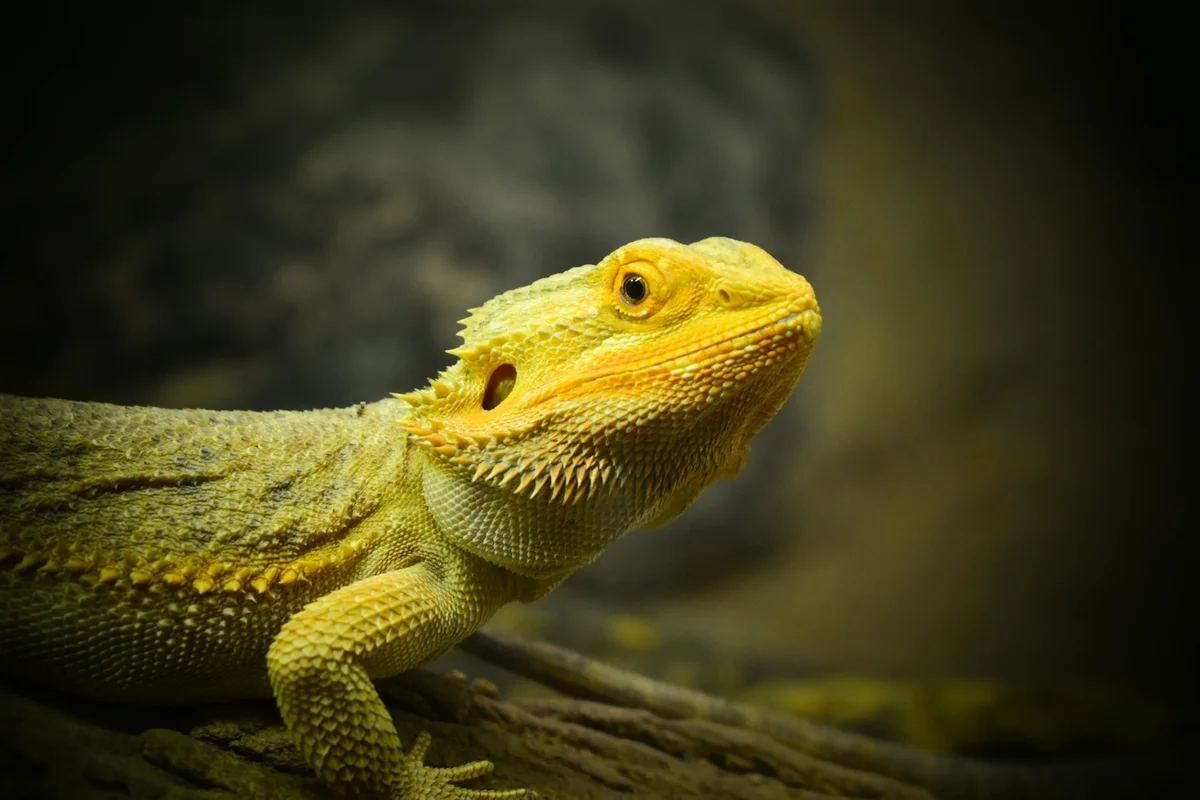
Where you get your bearded dragon sets the stage for their entire life. I’ve brought home dragons from both breeders and rescues, and that initial choice truly matters. Selecting a robust, well-started dragon is the single most impactful decision you can make for their long-term health. If you’re new to bearded dragons, a quick guide for first-time owners will tell you what you need to know before bringing one home. It covers the basics—housing, lighting, temperatures, feeding, and daily care—so you can start strong.
Finding a Dragon with Strong Genetic Potential
You want a dragon that’s set up for success from day one. Look for these signs of a thriving, genetically sound animal:
- Bright, alert, and curious behavior. They should track your movement.
- Clear, bright eyes with no swelling or crust.
- A well-fed but not obese body. Their hips and ribs should not be visible.
- A strong, steady gait when they walk. No limping or dragging of limbs.
- Clean vent area, free of any stuck substrate or waste.
I always ask to see a dragon eat. A good appetite is a fantastic sign of health. A dragon that eagerly chases down crickets or greens is showing you they have a strong will to thrive.
Breeder vs. Adoption/Rescue: A Caring Comparison
Both paths are valid and come with different joys and responsibilities.
Reputable Breeder
- Pros: You often get detailed health history and genetics. You know the exact hatch date. Breeders typically socialize babies early, leading to calmer pets.
- My Take: I’ve had wonderful experiences with breeders who are transparent, answer all my questions, and keep pristine facilities.
Adoption or Rescue
- Pros: You are giving a deserving animal a second chance at a great life. Adults are often already past the delicate baby stage.
- My Take: Rescuing is incredibly rewarding. My rescue dragon, Ember, came to me with a rough past, but the bond we built was immense. Be prepared for potential unknown health issues and a period of rehabilitation.
Red Flags to Avoid When Choosing Your Pet
Trust your gut. If something feels off, it probably is. Walk away from any situation where you see:
- Lethargic or unresponsive dragons sleeping all day.
- Visible bones in the tail, hips, or skull, indicating malnourishment.
- Mucus around the nose or mouth, or labored breathing, which can signal respiratory infection.
- Stuck shed on toes, tail tips, or eyes, which can lead to serious injury.
- Dirty enclosures with old food, feces, or obviously sick cage mates.
A seller who refuses to answer questions or let you see where the animals are kept is a major warning sign. Your future scaly friend deserves a confident and informed start with you.
Frequently Asked Questions
How does Metabolic Bone Disease affect a bearded dragon’s lifespan?
Metabolic Bone Disease (MBD) can drastically reduce a bearded dragon’s lifespan, often leading to severe pain, deformities, and premature death if untreated. With immediate veterinary intervention and corrected husbandry, some dragons may recover and live a normal lifespan, but prevention through proper UVB lighting and calcium supplementation is essential. This bearded dragon recovery, treatment, and prevention guide outlines practical steps for recovery and ongoing prevention. It covers signs to watch for, treatment options, and daily husbandry adjustments to minimize relapse.
Does the size or morph of a bearded dragon influence its lifespan?
Yes, larger subspecies or morphs like German Giants may have slightly shorter lifespans due to increased bodily strain, while smaller species such as Rankin’s Dragons typically live 6-10 years. Regardless of size, providing a balanced diet and ideal habitat can help maximize their longevity.
What is the expected lifespan for a pet bearded dragon?
A pet bearded dragon should live 8 to 12 years on average with proper care, including a nutritious diet, appropriate enclosure, and regular health checks. Knowing their lifecycle stages helps in providing the right care at each stage. Exceptional care and genetics can sometimes extend their life beyond this range.
Final Thoughts
So, how long do bearded dragons live? In a loving home, a decade or more is a wonderful, achievable goal. Their long-term health is truly a direct reflection of the care and environment we provide for them every single day. It’s a commitment I take seriously with my own dragons, and it’s one that brings years of rewarding companionship.
Focus on that powerful trio: a nutritious diet, a proper habitat with the right heat and UVB lighting, and consistent, gentle handling. By getting these fundamentals right, you are actively writing the story of a long, happy, and vibrant life for your scaly friend.
Further Reading & Sources
- r/BeardedDragons on Reddit: How long do they live realistically
- Fascinating Facts About Bearded Dragons | V.E.T. Care Hospital
- Bearded Dragon
Bearded Dragon Lair is the ultimate resource for bearded dragon enthusiasts, offering expert advice and practical tips to ensure the health and happiness of your scaly companion. With years of experience in reptile care, we are dedicated to providing accurate, up-to-date information to support your bearded dragon journey.
Wild vs. Domesticated