How Much Calcium Do Bearded Dragons Need? (And Can You Give Too Much?)
Published on: December 5, 2025 | Last Updated: December 5, 2025
Written By: Beardie Joe
Getting your bearded dragon’s calcium right is one of the most common worries for new and experienced owners alike.
After years of caring for my own dragons, I’m here to give you the clear, simple guidance I wish I’d had when I started.
We’ll cover exactly how much calcium they need, the best ways to provide it, and the real risks of giving too much.
Understanding Bearded Dragon Calcium Requirements
Calcium Needs by Age and Size
How much calcium your beardie needs isn’t a one-size-fits-all answer. It changes dramatically as they grow. I’ve raised several from tiny juveniles to full-grown adults, and adjusting their calcium is one of the most important routines you’ll master.
Here’s a simple breakdown based on their life stage:
- Baby & Juvenile Bearded Dragons (0-8 months): These little ones are building their entire skeleton and growing at an incredible rate. They need the most calcium to support this rapid development. I dust the insects for my juveniles with a calcium supplement at nearly every single feeding.
- Sub-Adult Bearded Dragons (8-18 months): Growth starts to slow, so you can pull back a bit. A good rule is to dust insects for 4-5 feedings per week.
- Adult Bearded Dragons (18+ months): Your fully-grown dragon’s needs are much lower for maintenance. I dust my adult’s insect meals about 2-3 times a week. For gravid (egg-carrying) females, however, you must ramp this back up to daily dusting to support eggshell production.
The Role of Phosphorus and UVB Lighting
Calcium doesn’t work alone. It has two critical partners, and ignoring them is like trying to start a car without a key.
The first is phosphorus. In a beardie’s body, calcium and phosphorus need to be in a specific balance. The ideal calcium-to-phosphorus ratio in their overall diet is 2:1. This means they need twice as much calcium as phosphorus.
Why does this matter? Phosphorus binds with calcium in the gut. If there’s too much phosphorus, it locks up the calcium and prevents your dragon from absorbing it, leading to a deficiency even if you’re dusting religiously.
The second, non-negotiable partner is UVB lighting. This is the engine that makes everything go. Without proper UVB exposure, your bearded dragon cannot produce the vitamin D3 required to absorb calcium from their food. Bearded dragons are cold-blooded (ectothermic) and rely on external heat and light to regulate their body temperature and metabolism. That means UVB light isn’t just about bone health—it’s also a key part of their overall bearded dragon temperature regulation and activity. I can’t stress this enough; the most expensive calcium powder is useless without a high-quality UVB tube light that is replaced every 6-12 months.
Recognizing Calcium Imbalance: Deficiency and Overdose
Signs of Calcium Deficiency (Hypocalcemia)
Seeing the signs of a deficiency early can save your dragon from a world of pain. Metabolic Bone Disease (MBD) is the tragic result of long-term deficiency, and it’s heartbreaking to witness.
- Soft or Rubbery Jaw: This is often one of the first signs. Gently feel your dragon’s jaw; it should be firm and solid.
- Twitching, Tremors, or Seizures: Calcium is vital for proper nerve function. Muscle spasms are a major red flag.
- Swollen Limbs or Difficulty Walking: Their legs may look bent or they may struggle to lift their body off the ground.
- Lethargy and Loss of Appetite: A general lack of energy and refusal to eat are common symptoms of many illnesses, including hypocalcemia.
Signs of Calcium Overdose (Hypercalcemia)
Yes, you can have too much of a good thing. While less common than deficiency, an overdose is serious and usually stems from over-supplementing, especially with vitamin D3.
- Loss of Appetite and Lethargy: Similar to a deficiency, a dragon feeling unwell from too much calcium will often stop eating and become sluggish.
- Constipation: Excess calcium can be hard on their digestive system, leading to a backup.
- Kidney Stones or Renal Failure: The kidneys have to process the excess calcium, which can lead to the formation of painful stones and, in severe cases, permanent kidney damage.
- Muscle Calcification: In extreme cases, calcium can be deposited in soft tissues, including muscles and organs, impairing their function.
The safest approach is to follow a consistent supplementation schedule tailored to your dragon’s age and always provide a source of fresh, clean water to help their kidneys flush out any excess minerals. In terms of feeding, bearded dragons are typically fed daily, with babies needing more frequent meals and adults needing smaller portions. Following a daily feeding guide that covers babies, juveniles, and adults helps ensure balanced nutrition.
How to Supplement Calcium Correctly

Getting the calcium into your dragon is one thing. Getting their body to actually use it is another. Proper technique is what bridges the gap between simply offering a supplement and ensuring it’s effectively absorbed. I’ve found a consistent routine prevents both deficiencies and accidental over-supplementation.
Calcium Dusting Techniques
Think of dusting more like seasoning a salad, not breading a piece of chicken. You want a light, even coating.
- The Light Coat Method: Place feeder insects in a bag or container with a small pinch of calcium powder. Gently shake until they have a light, dusty film. The insect’s shape should still be visible. This is my go-to method for most feedings.
- The Heavy Dusting Method: Completely coat the insect until it looks snowy-white. I reserve this for specific situations, like for a gravid female or a juvenile in a major growth spurt, and only on the advice of my vet.
- Pro Tip for Success: Always dust insects right before you offer them. If you dust them and then leave them in the enclosure, the powder just falls off and gets wasted in the substrate.
Gut-Loading Insects for Better Nutrition
Gut-loading is my secret weapon for superior nutrition. You are what you eat, and your bearded dragon is what its food eats. Feeding your crickets, roaches, and worms a nutrient-rich diet for 24-48 hours before offering them supercharges their nutritional value. Worms benefit from gut-loading just like other prey. In a bearded dragons eat worms guide, you’ll find tips on safe, nutritious worm diets and how to choose the right worms.
I keep a dedicated container of “bug food” in my fridge. Here’s what I feed them:
- Dark leafy greens like collard, mustard, and dandelion greens
- Shredded carrots and sweet potato
- Organic rolled oats
- Commercial high-quality gut-loading formulas
Avoid gut-loading with low-nutrient items like potato or iceberg lettuce. You want to pack those insects with as many vitamins as possible before they become a meal.
Choosing the Right Calcium Supplement
Walking down the reptile supplement aisle can be overwhelming. Choosing the right calcium isn’t just about the mineral itself, but what’s paired with it. The wrong choice can lead to serious health issues, which is why I’m so meticulous about what I buy.
Calcium With Vitamin D3 vs. Without D3
This is the biggest decision you’ll make. Vitamin D3 is essential for calcium absorption.
- Calcium with D3: Use this if your bearded dragon does not receive consistent, high-quality UVB light. This includes dragons in tanks with old UVB bulbs (replace them every 6 months!) or those who mostly live indoors. The D3 acts as a substitute for what they’d naturally produce from sunlight.
- Calcium without D3: This is for dragons under a powerful, brand-new UVB light that is properly replaced. Their bodies are efficiently making their own D3, so adding more can lead to overdose over time.
In my own collection, I use calcium with D3 for a light dusting 3-4 times a week, as my dragons are indoors. It provides a safety net.
Forms of Calcium: Carbonate, Gluconate, and Citrate
Not all calcium is created equal. The “type” of calcium refers to what it’s bound to, which affects how well it’s absorbed.
- Calcium Carbonate: This is the most common and affordable form. It’s perfectly effective for healthy adult bearded dragons and is what I primarily use. It requires stomach acid to break down.
- Calcium Citrate: This form is more easily absorbed and is less dependent on stomach acid. It can be a better option for older dragons or those with known digestive issues.
- Calcium Gluconate: You’ll typically find this in liquid forms. It’s very useful for critical care situations, like treating a severe deficiency, but isn’t usually the first choice for daily dusting.
For most owners, a high-quality calcium carbonate powder is the perfect, cost-effective foundation for their supplementation plan. Don’t overcomplicate it unless you have a specific reason to.
Diet and Environmental Factors in Calcium Absorption

Getting the calcium amount right is only half the battle. Your dragon’s body must also be able to absorb and use that calcium effectively, and this is where diet and habitat setup become non-negotiable. I’ve seen dragons with a perfect diet still develop issues because their environment was working against them.
Calcium-Rich Foods and Feeder Insects
Not all foods are created equal when building strong bones. Think of your dragon’s diet in layers, with some items being calcium powerhouses and others being occasional treats.
Here are my top picks for calcium-rich foods:
- Collard, Mustard, and Dandelion Greens: These are the leafy green champions in my house. I rotate them daily to keep meals interesting and nutritious.
- Butternut Squash: Grated butternut squash is a huge hit with my crew and provides a nice calcium boost.
- Calci-Worms® (Black Soldier Fly Larvae): These are fantastic. They have an almost perfect calcium-to-phosphorus ratio right out of the container, making them a staple feeder for me.
For other common feeder insects, you absolutely must “gut-load” them. Gut-loading means feeding your crickets or dubia roaches highly nutritious foods 24-48 hours before they become your dragon’s dinner. I use a mix of leafy greens and commercial gut-load products to turn the insects into living, hopping vitamin packs.
Optimizing UVB and Basking for Health
You could feed your bearded dragon a mountain of calcium, but without proper UVB light, it’s practically useless. UVB light is the magical key that allows your dragon’s skin to synthesize Vitamin D3, which then enables calcium absorption in the gut. It’s a biological chain reaction you must get right. To put that into practice, a complete guide to what bearded dragons eat covers safe foods and proper portions. It also explains how to balance calcium with Vitamin D3 to support a healthy, active dragon.
Here is how I set up my tanks for optimal health:
- Use a Tube-Style UVB Bulb: Avoid the compact coil bulbs. A long, tube-style UVB light (like a T5 HO) covers a much larger area and provides consistent, effective output.
- Place it Correctly: The bulb should be mounted inside the screen top (if the screen is fine mesh) or just above it, no more than 12 inches from your dragon’s main basking spot.
- Provide a Proper Basking Zone: Your dragon needs a warm spot between 95-110°F to properly digest food and regulate its metabolism. This heat works in tandem with the UVB.
I replace my UVB bulbs every 6-12 months, even if they still look fine, because their invisible UVB output degrades over time. This is one of the most common hidden mistakes I see, and it can silently lead to metabolic bone disease.
Debunking Common Calcium Myths
The world of reptile care is full of well-meaning but dangerous advice. Let’s clear up a couple of the biggest calcium-related myths I encounter all the time.
The Truth About Calcium Sand and Substrates
This is a hill I will die on: Calcium sand is one of the most dangerous products marketed for bearded dragons. The name is a trap. It sounds like a good idea-a substrate that provides extra calcium-but the reality is a life-threatening risk.
Bearded dragons are curious and will lick their environment. They can’t tell the difference between calcium powder and calcium sand. When ingested, this sand does not dissolve; it clumps together in their gut. This can cause a fatal impaction, a horrible condition where their digestive system becomes blocked. That’s also why a proper bearded dragon eating guide emphasizes avoiding toxic foods. Be mindful of what you offer—foods like avocado, rhubarb leaves, onions, and garlic can be harmful or fatal. I only use non-particle substrates like slate tile or reptile-safe liner to completely eliminate this risk.
Are Calcium Baths Beneficial?
You might see suggestions online to add calcium powder to your dragon’s bath water. Please, do not do this. A calcium bath provides zero benefit to your bearded dragon and can actually be stressful for them. In practice, calcium powder should be given by dusting your dragon’s prey a few times per week, not in bath water. This helps ensure proper calcium intake for healthy bones.
Bearded dragons do not absorb calcium or any significant nutrients through their skin. Their hydration comes from drinking the water, not soaking it in. The only thing a calcium bath does is create messy, chalky water that your dragon certainly does not want to drink. Stick to plain, lukewarm water for soaks to aid with hydration and shedding, and keep the calcium for their food and water bowls, especially when considering water quality for bearded dragons.
Monitoring and Testing for Calcium Levels
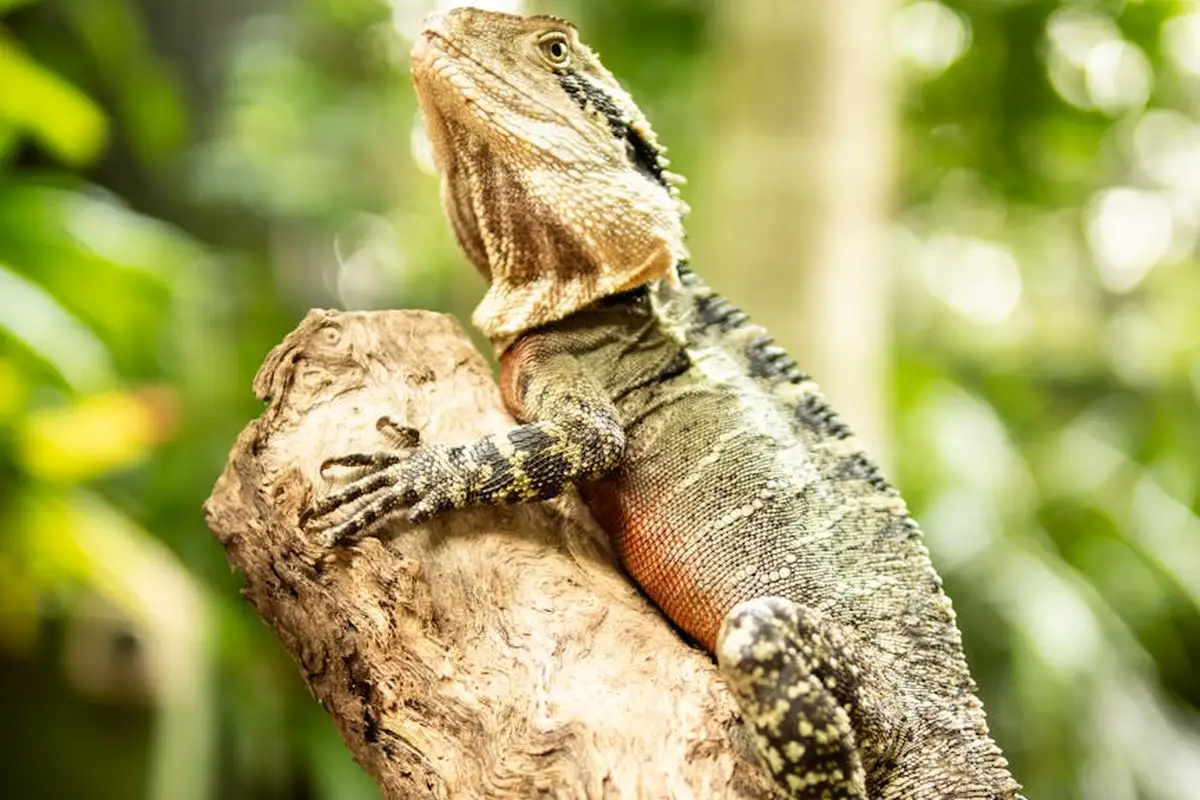
Keeping an eye on your bearded dragon’s calcium status isn’t something you do with a single glance. You become a detective, looking for a combination of subtle physical cues and behavioral changes over time. Knowing the healthy baseline versus sick signs and symptoms in bearded dragons helps you catch issues early. From my own experience, the signs often start quietly before becoming a serious health issue.
Physical Signs of Calcium Imbalance
Your dragon’s body will give you signals if something is off. Watch for these key indicators.
- Soft or Rubbery Jaw (Early Metabolic Bone Disease): Gently feel the lower jaw. It should be firm and solid. A flexible or soft jaw is a major red flag for calcium deficiency.
- Swollen Limbs or Tremors: Look for subtle shaking in the legs or tail when they are at rest. Limbs might appear slightly thickened or bent.
- Difficulty Walking or Lifting Their Body: They might seem clumsy or drag their belly instead of walking tall. This points to weakening bones.
- Lethargy and Lack of Appetite: A general disinterest in food and low energy can be linked to many issues, including calcium imbalance.
- Constipation: Proper muscle function, including for digestion, requires calcium. A deficiency can slow everything down.
The Gold Standard: Veterinary Blood Tests
While you can watch for symptoms at home, a veterinarian provides the only definitive answer.
- Ionized Calcium Test: This is the most accurate test. It measures the active, usable calcium in the blood. This is the number your vet will rely on.
- Total Calcium Test: This measures all calcium in the blood, but it can be influenced by other factors like protein levels.
- How It’s Done: The vet will take a small blood sample, often from a vein in the tail or neck. It’s a quick and relatively stress-free procedure.
I make it a point to get a baseline blood test for any new dragon I bring into my home, and then follow up with annual checks for healthy adults. It gives me immense peace of mind and catches problems I could never see.
Why You Can’t Test Calcium at Home
You might wish for a simple home test strip, like for a swimming pool, but reptile physiology is too complex.
- Calcium levels fluctuate throughout the day based on diet, UVB exposure, and activity.
- Home kits are not designed for reptile blood and would give wildly inaccurate results.
- Interpreting the results requires veterinary expertise to understand the full context of your dragon’s health.
Trust me, trying to guess based on symptoms alone is a risky game. What looks like a calcium issue could sometimes be a parasite problem or a kidney concern. A proper diagnosis is an act of responsible pet ownership.
An Alternative Insight: Fecal Tests
While a fecal test doesn’t measure blood calcium, it is a critical piece of the puzzle. I do these routinely for all my dragons.
- It rules out internal parasites that can steal vital nutrients, including calcium, from your pet.
- A healthy gut is essential for proper calcium absorption. If parasites are present, you could be supplementing perfectly, and your dragon still wouldn’t benefit.
Think of it this way: a fecal test ensures the calcium you’re providing is actually going to your dragon’s bones and not to unwanted guests in their intestines.
Frequently Asked Questions
What is bearded dragon calcium powder?
Bearded dragon calcium powder is a finely ground dietary supplement used to coat feeder insects and greens, ensuring your pet gets the necessary calcium for strong bones and overall health. Calciu is especially important when used in conjunction with calcium D3 and multivitamins specifically designed for bearded dragons.
What is bearded dragon calcium sand?
Calcium sand is a loose substrate made from calcium carbonate, but it is highly dangerous as ingestion can lead to life-threatening impaction and should never be used in a bearded dragon’s enclosure.
What is bearded dragon calcium bath?
A calcium bath involves adding calcium powder to your dragon’s soak water, but it is ineffective and stressful since bearded dragons cannot absorb calcium through their skin and may refuse to drink the water. For proper hydration, follow a bearded dragon daily water intake guide to learn how much water your dragon should drink each day. This helps you maintain a steady routine without relying on baths for hydration.
Final Thoughts
Getting the calcium balance right is a lifelong part of your dragon’s care, not a one-time task. Stick with a consistent dusting schedule using a phosphorus-free powder to support strong bones and prevent MBD. Just as critical is remembering that more is not always better, as over-supplementation can lead to its own serious health complications.
Your dragon relies on you to read the signs and provide this essential nutrient correctly. The best approach is a balanced one, combining proper UVB lighting, a varied diet, and measured supplementation. Trust your observations, and when in doubt, a chat with a reptile-savvy vet is always the safest bet for your scaled friend’s long-term health.
Further Reading & Sources
- Bearded Dragons, Calcium, and Vitamin D3: Everything You Need to Know – Dragon’s Diet
- Here’s How Much Dusted Calcium Bearded Dragons Need at Any Age…
- Bearded Dragon Calcium Guide – Supplement Schedule – YouTube
Bearded Dragon Lair is the ultimate resource for bearded dragon enthusiasts, offering expert advice and practical tips to ensure the health and happiness of your scaly companion. With years of experience in reptile care, we are dedicated to providing accurate, up-to-date information to support your bearded dragon journey.
Supplements and Vitamins