How Often Should You Feed a Baby Bearded Dragon? (A Complete Feeding Schedule)
Published on: December 12, 2025 | Last Updated: December 12, 2025
Written By: Beardie Joe
Getting your baby bearded dragon’s feeding schedule right is one of the most common worries for new owners, and it directly impacts their rapid growth.
After raising several clutches of bearded dragons, I’ve perfected a feeding routine that supports their health and energy levels, and I’m here to share that straightforward plan with you.
This article will walk you through the ideal daily feeding frequency, the best live insects and greens to offer, and exactly how to adjust portions as your dragon grows.
Understanding Baby Bearded Dragon Nutritional Needs
High Protein Requirements for Growth
Think of your baby dragon as a tiny, scaly bodybuilder. They are in a massive growth phase, and protein is the literal building block for that development. Their diet needs to be heavily skewed towards live insects to support this rapid growth spurt. I’ve raised many clutches, and the difference between a protein-rich diet and an insufficient one is visible in their size and energy levels within weeks.
Your goal is to offer a variety of appropriately-sized insects. The rule of thumb is that no insect should be larger than the space between your dragon’s eyes.
- Staple Feeders: Dubia roaches, black soldier fly larvae, and discoid roaches are excellent, nutritious staples.
- Occasional Treats: Crickets and mealworms can be used, but I find them less ideal as primary feeders due to lower nutritional value and harder chitin.
- Dusting is Non-Negotiable: You must lightly coat these insects in a calcium supplement (without D3 for most feedings) and a multivitamin a few times a week. This prevents Metabolic Bone Disease, a common and heartbreaking ailment in captive dragons.
Importance of Hydration and Greens
While protein is the star of the show for a baby, hydration and greens are the crucial supporting cast. Many new owners don’t realize that a significant portion of a bearded dragon’s hydration comes from their fresh salads, not just a water bowl. I always keep a shallow dish of fresh, chopped greens in the enclosure from day one.
This accomplishes two things. It provides essential moisture and it gets them accustomed to seeing and (hopefully) tasting their veggies early on. A dragon that only learns to eat insects will be a nightmare to convert to a healthy adult salad-based diet later.
- Hydration Heroes: Offer finely chopped collard greens, dandelion greens, and butternut squash. These hold moisture well.
- Salad Introduction: Even if they ignore it at first, the consistent presence is key. I’ve had babies who started nibbling greens as early as eight weeks old.
- Water Bowl vs. Misting: Some dragons will drink from a shallow bowl, but many prefer to lick water droplets off their snout after a gentle misting. Watch your dragon’s behavior to see what they prefer.
Daily Feeding Frequency and Schedule
Optimal Feeding Times Per Day
Baby bearded dragons have ferocious metabolisms. They need multiple meals spread throughout the day to keep their energy up and their growth on track. I recommend offering live insects three to five times daily for dragons under three months old. This might sound like a lot, but each feeding session is typically short, about 10-15 minutes. This is part of a complete feeding schedule you can follow to ensure you’re feeding often enough without overdoing it. As they grow, the plan shifts toward fewer, larger meals and more greens and properly dusted supplements.
They should be allowed to eat as many appropriately-sized insects as they can in that window. A well-fed baby might consume anywhere from 20 to 60+ tiny insects in a single day. Don’t be alarmed by the quantity; this is completely normal and necessary.
Setting a Consistent Feeding Window
Consistency is your best friend in reptile care. Bearded dragons thrive on routine. Plan your feedings for the same general times each day, always after their lights have been on for at least an hour. This gives them time to bask and raise their body temperature, which is essential for proper digestion.
Here is a sample schedule that has worked wonderfully for me:
- First Feeding (9:00 AM): A small offering of live insects.
- Second Feeding (12:00 PM): The main insect meal of the day. Refresh their salad bowl.
- Third Feeding (3:00 PM): A final smaller insect meal.
- Evening: No food for at least two hours before lights out to ensure they can digest fully.
Recognizing Hunger Cues in Your Baby Dragon
You will quickly learn your dragon’s unique personality, including how they tell you they’re hungry. A baby dragon pacing the front of its enclosure, especially right around a typical feeding time, is a very clear sign of anticipation. They might even scratch at the glass, a behavior often called “glass surfing.”
Other hunger cues are more subtle. They might become more active and alert, tracking your movements intently. When you open the enclosure, a hungry baby will often come right to the front, focused and ready. A lack of appetite, on the other hand, can signal stress, illness, or an impending shed. Learning to read these subtle signals is one of the most rewarding parts of building a bond with your pet.
What to Feed Your Baby Bearded Dragon
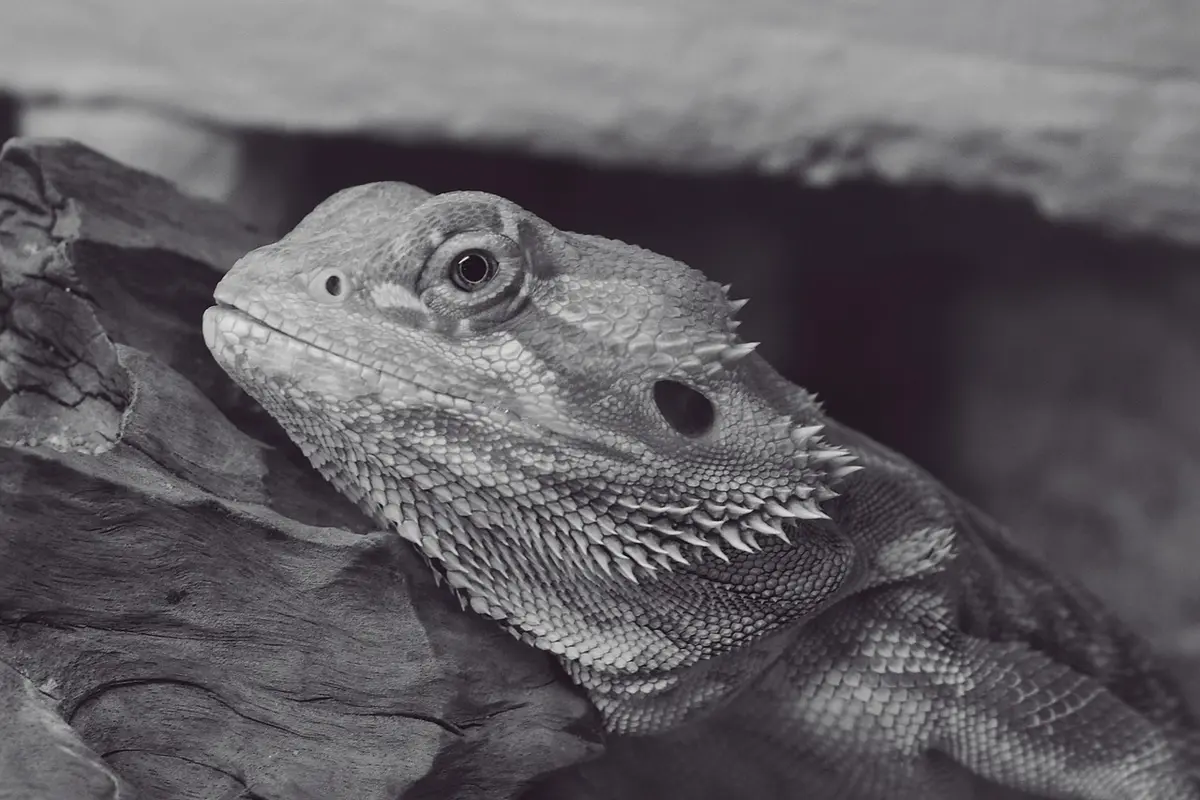
Staple Insect Choices: Crickets and Dubia Roaches
Your baby dragon’s diet needs to be packed with protein, and live insects are the main event. I always keep two primary staples in rotation for my babies.
- Crickets: These are a classic for a reason. They’re readily available and encourage natural hunting behavior. Just be sure to buy them from a reputable source to avoid parasites.
- Dubia Roaches: Personally, I prefer these. They are more nutritious than crickets, quieter, and don’t smell as bad. They’re also less likely to bite your dragon, which is a huge plus in my book.
Variety is the spice of life, even for a bearded dragon. I occasionally offer treats like black soldier fly larvae or small silkworms to keep things interesting and nutritious. Here’s a quick bearded dragon insects eating guide. Focus on safe, non-toxic bugs and avoid any known toxic species.
Introducing Greens and Vegetable Mixes
I know it can be frustrating when your baby dragon completely ignores the beautiful salad you made. They are primarily insectivores at this stage, but you must still offer fresh greens daily.
- Start with Finely Chopped Greens: I use kitchen scissors to chop collard greens, dandelion greens, and mustard greens into tiny, bite-sized pieces.
- Add Color for Appeal: I mix in very small, shredded pieces of yellow squash or red bell pepper. The color can sometimes pique their curiosity.
- Patience is Everything: Don’t be discouraged if they don’t touch it. The goal is to build familiarity so they readily accept veggies as adults. I leave the salad in a shallow dish for a few hours each morning.
Age-Appropriate Food Sizes and Portions
Getting the size right is critical to prevent impaction, a serious gut blockage. I follow a simple rule I learned from a breeder years ago.
- The Space Between the Eyes Rule: No insect should ever be wider than the space between your dragon’s eyes. This is non-negotiable for their safety.
- Portion Control: You’ll feed them as many appropriately-sized insects as they can eat in a 10-15 minute window, multiple times a day. It’s shocking how much they can pack away during a growth spurt.
- Salad Portions: For the veggie mix, a portion about the size of their head is a perfect daily offering.
How to Properly Feed Your Baby Bearded Dragon
Live Insect Feeding Techniques
How you offer live food can make a big difference. Dumping a bunch of crickets into the tank is stressful for your pet and messy for you.
- The Separate Feeding Bin: I always move my dragons to a separate, bare plastic tub for live feedings. This stops insects from hiding in the main habitat and teaches your dragon a feeding routine.
- Hand-Feeding for Bonding: Using soft-tipped feeding tweezers, I’ll sometimes offer a roach or worm by hand. This builds incredible trust and lets you monitor their appetite up close.
- Never Leave Live Prey Unattended: Crickets can and will nibble on your sleeping dragon, causing sores. Always remove uneaten insects after the feeding session.
Using Feeding Dishes and Bowls
The right dishes are a game-changer for cleanliness and reducing your workload.
- Salad Bowls: Use a shallow, sturdy ceramic bowl for daily greens. It keeps the food clean and contained.
- Insect Escape-Proof Dishes: For worms or roaches, a smooth-sided ceramic or plastic dish with sloped sides prevents escapes. A good dish turns mealtime from a chase into a buffet.
- Water Dishes: While they get most hydration from food, a small, shallow water dish is still a good idea. Change the water daily without fail.
Monitoring Eating Behavior and Adjustments
Your dragon can’t tell you when something’s wrong, so you have to become a detective. Their eating habits are your biggest clue.
- Track Their Appetite: A healthy baby dragon is a voracious eater. A sudden drop in appetite is often the first sign of illness, stress, or an impending shed.
- Watch Their Energy: Are they actively hunting, or are they lethargic? A dragon that isn’t chasing food needs a closer look.
- Be Ready to Adapt: I’ve learned that a rigid schedule is less important than a responsive one. If they devour everything one day and eat less the next, that’s normal. But a pattern of refusal means it’s time to check your temperatures, UVB light, or consult a vet.
Essential Supplements and Gut Loading
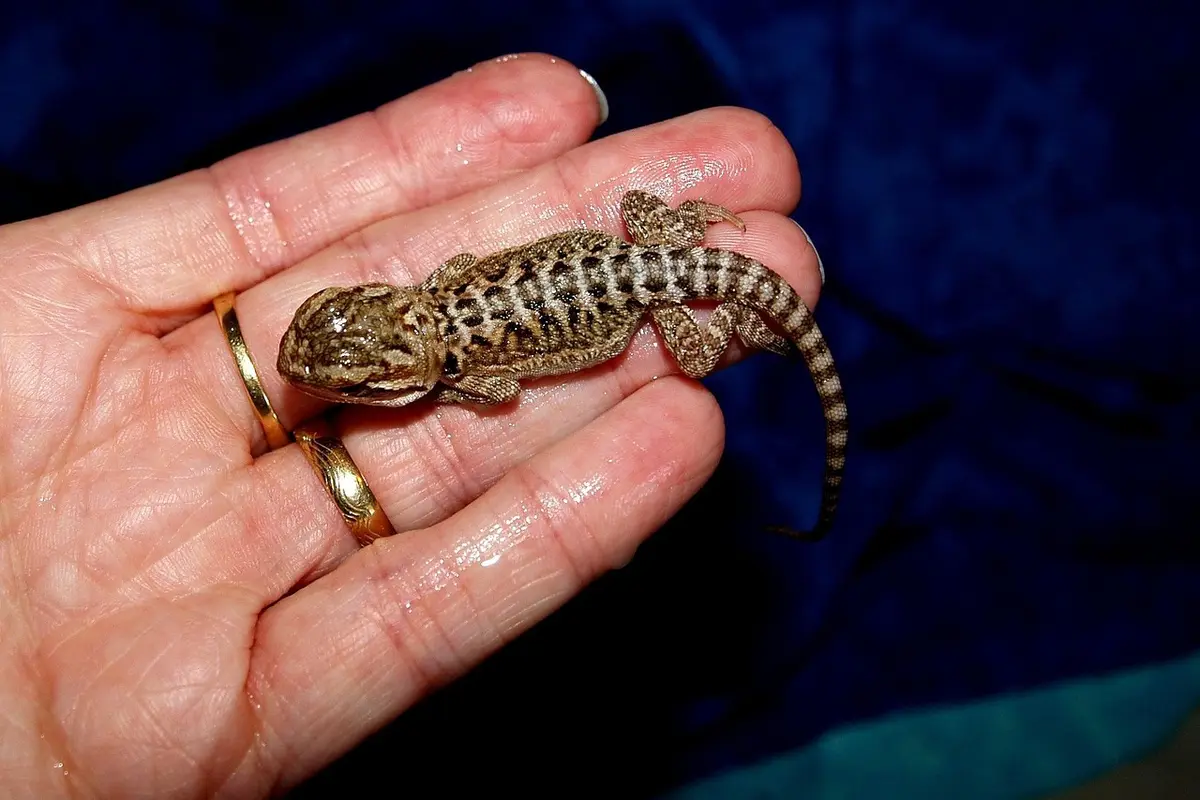
Feeding your baby dragon the right insects is only half the battle. The real secret to a thriving, fast-growing dragon is what you put *into* those insects before they become a meal. I learned this early on, and it completely changed the health of my dragons.
Calcium and Vitamin D3 Supplement Schedule
Think of calcium as the building blocks for your dragon’s bones and overall structure. Without it, they can develop Metabolic Bone Disease (MBD), a serious and heartbreaking condition. Vitamin D3 helps their body actually use that calcium (even from vitamins you buy). However, it’s important to note that not all vitamins are created equal. When choosing supplements, it’s crucial to select ones specifically formulated for bearded dragons.
Here is the simple dusting schedule I follow with all my babies:
- Calcium without D3: Lightly dust insects for 4-5 feedings per week.
- Calcium with D3: Lightly dust insects for 1-2 feedings per week.
- Multivitamin: Lightly dust insects for 1 feeding per week.
A light dusting means the insect looks like it has a faint, ghostly coating-not a powdered donut. Over-supplementing can be just as harmful as not supplementing at all, so stick to this rotation. I keep a little calendar note on my dragon’s enclosures to track it.
Gut Loading Prey for Maximum Nutrition
Gut loading is simply feeding your feeder insects a super nutritious diet 24-48 hours before they become food themselves. You are what you eat, and so is your bearded dragon!
I never feed my crickets or roaches just the flakes from the pet store. Instead, I give them a feast of fresh vegetables. My insects love:
- Sweet potato
- Collard greens
- Butternut squash
- Carrots
- Dandelion greens
By gut loading, you are packing the insect’s gut with vitamins that are then passed directly to your dragon. This is a massive upgrade to their nutrition and costs you almost nothing.
When to Consider Probiotics
A healthy gut means a healthy dragon. Probiotics are beneficial bacteria that support their digestive system. You don’t always need them, but they are a fantastic tool.
I use a reptile-specific probiotic in a few key situations:
- After a course of antibiotics from the vet.
- If my dragon seems lethargic or has runny, smelly stools.
- During times of stress, like after moving to a new enclosure.
Think of probiotics as a reset button for their tummy troubles, helping to repopulate the good gut bacteria. Always check with your vet before starting any new supplement.
Solving Common Baby Bearded Dragon Feeding Issues
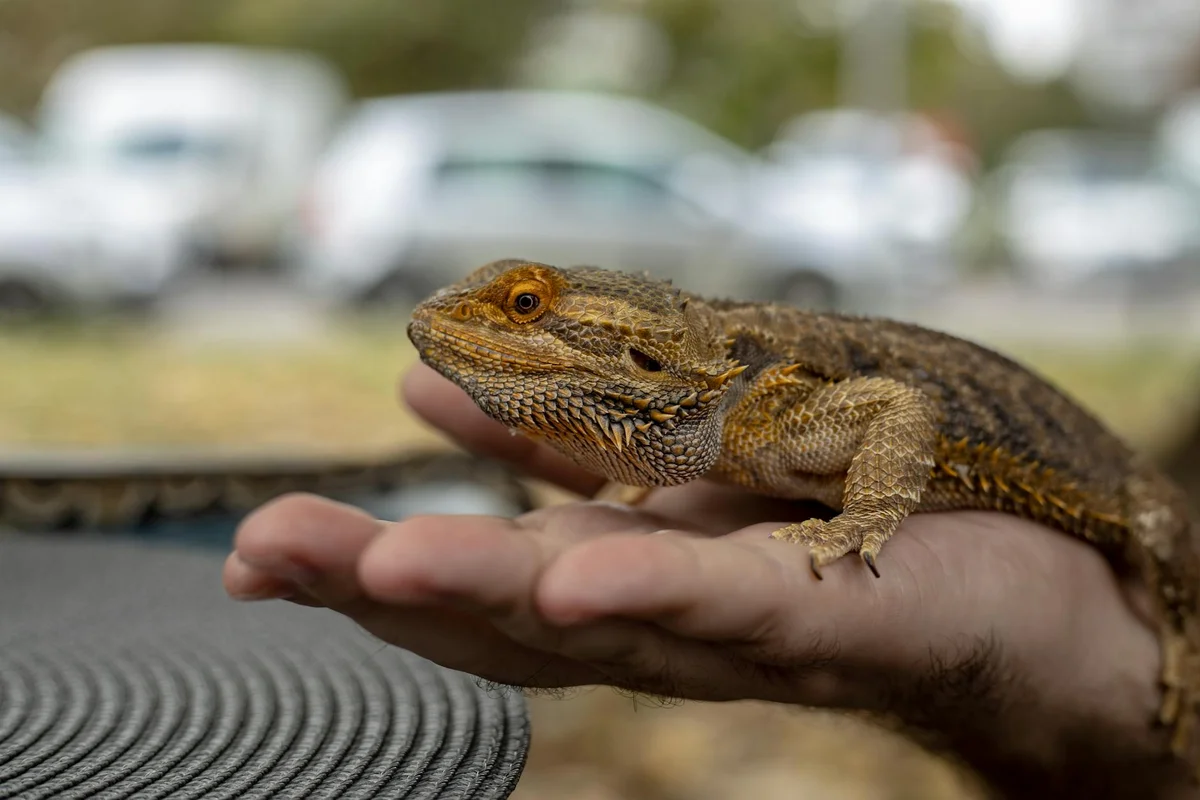
It can be worrying when your little one suddenly stops eating. I’ve been there, staring into the tank, willing them to take just one bite. Most feeding issues are temporary and solvable with a few simple adjustments.
Handling Food Refusal and Hunger Strikes
If your baby dragon turns up their nose at food, don’t panic. First, run through this quick mental checklist.
- Check the temperatures. This is the number one cause. Their basking spot must be 105-110°F for proper digestion. If it’s too cold, they can’t metabolize their food.
- Are they about to shed? Many dragons lose their appetite right before and during a shed. It’s uncomfortable for them.
- Try a different insect. Maybe they’re just bored! If you usually offer crickets, try some small dubia roaches or black soldier fly larvae.
- Reduce stress. Is their enclosure in a high-traffic area? Is a family pet stressing them out? Try covering three sides of the tank with background paper to make them feel more secure.
If the hunger strike lasts more than two to three days for a very young dragon, it’s time to call your reptile vet. Better to be safe.
Ensuring Proper Hydration
Baby bearded dragons often don’t recognize a standing water bowl. In the wild, they get moisture from their food and from licking water droplets off plants. We have to get creative. Do bearded dragons drink from a water bowl? You can offer a shallow, clean bowl with treated tap water; while they may absorb some moisture through their skin, hydration mainly comes from drinking or moist foods. For more information on bearded dragons water bowl safety, check out this resource.
I use a three-part approach to keep my babies hydrated:
- Mist their greens and veggies. This adds a layer of moisture directly to their food.
- Offer a shallow warm bath. 10-15 minutes, two to three times a week. They often drink by lapping at the water. Never leave them unattended!
- Drip water on their nose. Use a dropper to place a drop of water on their snout. They’ll often lick it off, which can trigger them to drink more.
Proper hydration is key for preventing impaction, a dangerous blockage in their digestive tract. Watch for well-formed, moist stools-it’s a great sign they’re getting enough water.
Adjusting the Schedule as Your Dragon Grows
Your dragon won’t be a baby forever, and their diet shouldn’t stay the same either. Their rapid growth starts to slow down around 5-7 months. This is when you begin to transition, not just in terms of diet but in feeding frequency as well, as detailed in our feeding guide for baby, juvenile, and adult dragons.
Here’s a simple growth timeline I follow:
- 5-7 Months (Juvenile): Start offering insects 2-3 times daily. The number of insects per feeding will naturally decrease as they feel full. Salads should be offered daily.
- 8-12 Months (Sub-Adult): Move to one insect feeding per day, or a larger insect feeding every other day. Salads remain daily.
- 12+ Months (Adult): Insect feedings can be reduced to every other day or 2-3 times a week, with a fresh salad offered every single day.
The best indicator is your dragon’s body condition, not just the calendar. A healthy dragon has a plump tail base and a well-rounded body, not a bony spine or sunken fat pads on their head.
Frequently Asked Questions
What is the feeding schedule for an adult bearded dragon?
An adult bearded dragon (12+ months) should be fed a fresh salad daily, while live insect feedings should be reduced to every other day or just 2-3 times per week. This shift reflects their slower metabolism and reduced need for protein for growth. Many keepers wonder how often to feed an adult bearded dragon. The short answer is daily greens with insects kept to a few times per week. For more details on bearded dragon feeding frequency, refer to the linked resource.
How do you feed bearded dragons crickets?
The safest method is to feed crickets in a separate, bare enclosure or a smooth-sided bowl to prevent them from hiding and potentially biting your dragon. Always remove any uneaten crickets after a 10-15 minute feeding session to ensure your pet’s safety.
What is a bearded dragon feeding chart by age?
A feeding chart by age is a visual guide that outlines how the frequency of insect feedings decreases and the proportion of salads increases as a bearded dragon matures from a baby (3-5x daily insects) to a juvenile (2-3x daily) and finally to an adult (insects 2-3x per week). This ties directly into the “how many insects a bearded dragon should eat daily across all life stages” guide by showing how insect allowance changes over time. Following it helps ensure adequate insect intake while gradually increasing greens as the dragon matures.
Final Thoughts on Feeding Your Baby Dragon
Getting your baby bearded dragon’s feeding schedule right is one of the most impactful things you can do for their health. Stick to offering live insects three times a day and a fresh salad daily to fuel their rapid growth. This consistent routine builds a strong foundation for a thriving, happy pet. Learn more about how often you should feed a bearded dragon to ensure you are meeting their dietary needs.
Remember, this intense feeding phase is temporary but absolutely critical. During the juvenile stage, bearded dragons often need frequent, smaller meals, typically several feedings per day, to support rapid growth. Your dedication now pays off with a robust, well-adjusted adult dragon that will be a part of your family for years to come. Trust the process, watch your dragon flourish, and enjoy this special time.
Further Reading & Sources
- How Often Do Bearded Dragons Eat? Feeding Chart by Age – Dragon’s Diet
- Bearded Dragon Complete Food Guide – Zen Habitats
- How To Feed Your Bearded Dragon | Veterinary Hospital
Bearded Dragon Lair is the ultimate resource for bearded dragon enthusiasts, offering expert advice and practical tips to ensure the health and happiness of your scaly companion. With years of experience in reptile care, we are dedicated to providing accurate, up-to-date information to support your bearded dragon journey.
Feeding Guidelines