How Often Should You Feed a Bearded Dragon? (A Complete Feeding Schedule)
Published on: December 10, 2025 | Last Updated: December 10, 2025
Written By: Beardie Joe
Getting your bearded dragon’s feeding schedule right is the foundation of a long, healthy, and happy life for your scaly friend.
With years of hands-on experience caring for my own dragons, I’ve fine-tuned feeding routines that work, and I’ll help you build one that fits your pet perfectly.
We will cover precise feeding frequencies for babies, juveniles, and adults, ideal portion sizes, and the best staple foods to keep your dragon thriving.
Understanding Bearded Dragon Feeding Frequency by Age
Getting the feeding frequency right is one of the most common questions I had when I started. The schedule changes dramatically as your dragon grows from a tiny baby into a majestic adult. Their dietary needs shift from pure growth fuel to lifelong maintenance. In a practical ‘should feed your bearded dragon every day’ guide, you’ll see how the schedule breaks down by life stage—babies, juveniles, and adults. Babies usually need daily meals, while juveniles need more frequent feedings and adults may do best with a daily or slightly reduced plan.
Here’s a quick-glance table to show you how it evolves. I still have this basic framework taped to my reptile cabinet as a handy reminder.
| Life Stage | Insect Feedings | Salad Feedings |
|---|---|---|
| Baby (0-4 months) | 2-3 times daily | Daily, offered all day |
| Juvenile (4-12 months) | 1-2 times daily | Daily, offered all day |
| Adult (12+ months) | 2-3 times weekly | Daily, offered all day |
The reason for this shift is all about their metabolism. Babies are like little eating machines, burning through calories to double or triple their size in just a few months. Adults, on the other hand, have much slower metabolisms. Overfeeding an adult dragon protein is a fast track to fatty liver disease and obesity, which I’ve seen in rescues and it’s heartbreaking to reverse.
Baby Bearded Dragon Feeding Schedule
Watching a baby beardie eat is both fascinating and a little terrifying—they have an unbelievable appetite. You will typically feed a baby dragon live insects two, even three, separate times throughout the day. Each feeding session should last about 10-15 minutes, letting them eat as many appropriately-sized insects as they can. This is part of a complete feeding schedule for a growing beardie. For babies, 2-3 feeding windows per day is a common baseline, with tweaks as they grow.
- Offer live insects like pinhead crickets or small dubia roaches.
- A good portion size is however many they can eat in that 10-15 minute window.
- Always have a fresh, finely chopped salad available from the morning.
- Their bodies are building bone and muscle at an incredible rate.
I remember my dragon, Puff, as a baby-he would easily put away 50+ tiny crickets a day. This intense protein intake is non-negotiable for supporting their rapid growth and preventing metabolic bone disease. Don’t panic if they ignore their greens at this stage; the habit is what’s important.
Juvenile Bearded Dragon Feeding Schedule
The juvenile stage is all about transition. You’ll notice their growth starts to slow a bit. This is when you cut back to one, sometimes two, insect feeding sessions per day. Their appetite will naturally begin to regulate itself.
- Start with one daily insect feeding, see if they still seem hungry.
- If they are, a second, smaller feeding is okay for a few more months.
- This is the perfect time to get serious about their salad intake.
- Introduce a wider variety of greens like collard, mustard, and dandelion.
The goal is to slowly shift the balance from 80% insects/20% salad to a much more even 50/50 split. This gradual change helps their digestive system adapt and prevents them from holding out for only the “good stuff” later on.
Adult Bearded Dragon Feeding Schedule
An adult bearded dragon’s diet is predominantly vegetarian. I feed my adults live insects only two to three times a week, and they get a large, fresh salad every single day. This is the maintenance phase of their life. So, how often should you feed an adult bearded dragon? In most cases, insects are given two to three times a week, with daily greens to balance their diet.
- Insect feedings are a supplement, not a staple.
- A good portion is about 20-30 appropriately-sized insects per feeding.
- Their daily salad should now be the cornerstone of their diet.
- Watch their weight-if their sides are bulging, cut back on insects.
I learned this the hard way with my first dragon. Overfeeding protein to an adult is one of the most common-and preventable-mistakes owners make. A fat dragon is not a healthy dragon; it puts immense strain on their organs. A vibrant, varied salad keeps them lean and provides essential hydration and vitamins.
Portion Sizes and Meal Timing for Optimal Health
How much is too much? This was my biggest worry. There’s a brilliant and simple rule I follow for insect size. Never offer an insect that is wider than the space between your bearded dragon’s eyes. This visual guide prevents choking and impaction risks perfectly. For a quick bearded dragon insect guide, learn which bugs are safe to feed and which are toxic and should be avoided.
For the actual number of insects, let their appetite during a timed session be your guide for babies and juveniles. For adults, I literally count them out. My adult dragons get a set portion of about 25 dubia roaches twice a week, and that’s it. This keeps their weight perfectly stable. This approach is part of a broader daily bug intake guide that covers all life stages. Across babies, juveniles, and adults, daily portions should scale with size and energy needs.
When you feed is almost as important as what you feed. Always offer food, especially insects, after their lights have been on for at least an hour. This gives them time to bask and raise their internal body temperature.
- They need heat to properly digest their food.
- Feeding too early or late in the day can lead to food sitting undigested in their gut.
- I make my dragon’s salad first thing in the morning and offer insects around midday.
- Remove any uneaten insects after the feeding session to reduce stress on your pet.
Getting this timing right makes a world of difference. A warm dragon is a hungry, efficient dragon, ready to process all the nutrients you’re providing. It’s a simple step that supports their entire digestive health.
What to Feed Your Bearded Dragon: A Balanced Diet
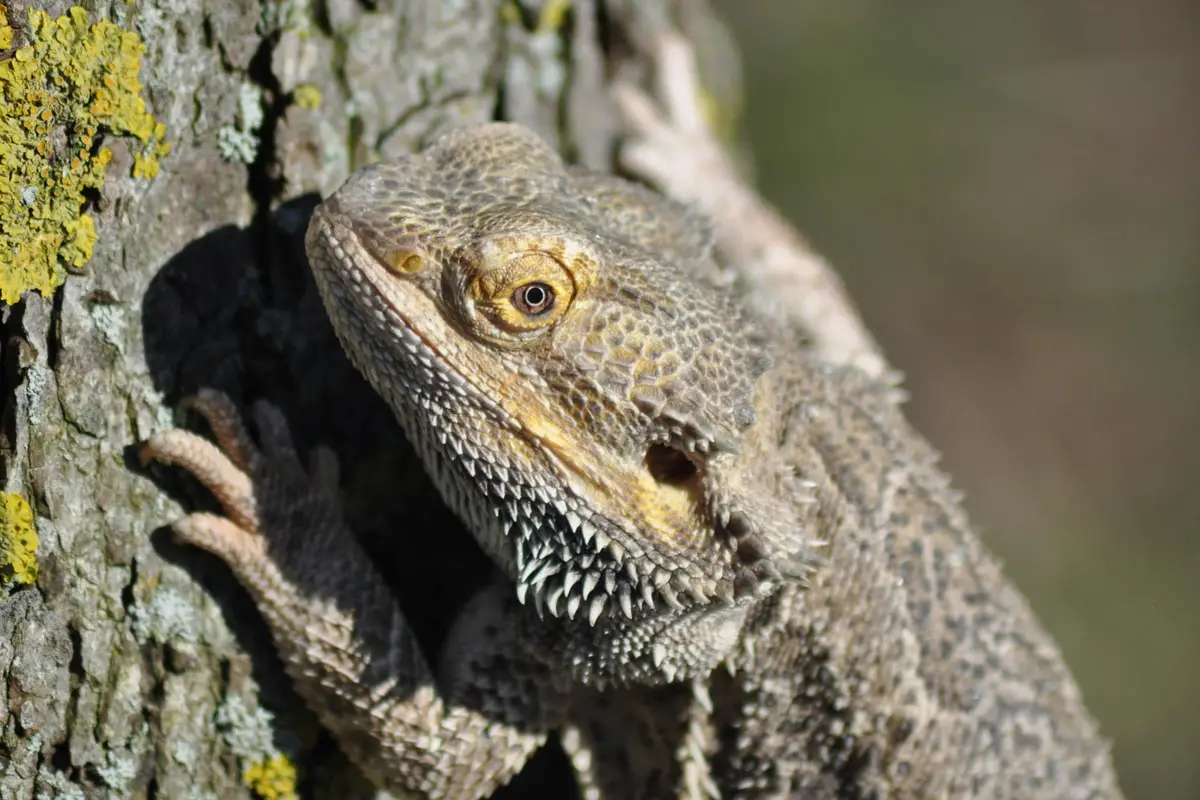
Getting the diet right is the single most important thing you can do for your dragon’s health. I’ve seen so many issues clear up just by fixing what’s in the food bowl. A balanced diet for a bearded dragon is a rotating mix of live insects and fresh, leafy greens. For a complete guide on safe foods for bearded dragons, see our Safe Foods guide. It explains what to feed, how often, and what to avoid.
Staple Insects (Feed Regularly)
These are your go-to, nutritious bugs that should make up the core of their insect intake.
- Dubia Roaches: My personal favorite. They’re meaty, nutritious, and can’t climb smooth surfaces.
- Crickets: A classic choice, but they can be smelly and noisy.
- Black Soldier Fly Larvae (Nutrigrubs): Packed with calcium and a great soft-bodied option.
Occasional Treat Insects (Feed Sparingly)
Think of these like candy for your dragon. Too many can lead to obesity.
- Mealworms: Higher in fat and chitin, which can be hard to digest.
- Superworms: Even higher in fat; a true occasional delicacy.
- Waxworms: Very high in fat. I only use these for putting weight on a sick dragon or as a rare bribe.
Daily Greens and Vegetables
A fresh salad should be available to your dragon every single day, no matter their age. Offering a daily salad encourages them to eat their veggies and provides essential hydration and fiber.
Insect Diet and Gut Loading
You are what you eat, and that goes double for your dragon’s bugs. Gut loading is the practice of feeding your insects a super nutritious diet 24-48 hours before they become dinner. Gut loading essentially turns the insect into a tiny, living, multivitamin for your beardie.
I keep a mix of these items on hand to feed my feeder insects:
- Dark leafy greens (collard, mustard, dandelion)
- Sweet potato
- Carrots
- Organic oats
- Commercial gut load formulas
Greens and Vegetables Daily
Your dragon’s salad bowl should be a colorful mix of textures and nutrients. Variety is key to preventing picky eaters and ensuring a full spectrum of vitamins.
Daily Staples (The Go-To Greens):
- Collard Greens
- Mustard Greens
- Dandelion Greens
- Endive
- Escarole
Great Occasional Add-Ins:
- Butternut squash (shredded)
- Bell peppers (all colors)
- Zucchini
- Parsnip
Avoid these completely: Iceberg lettuce (no nutritional value), spinach, and beet tops (they bind calcium).
Fruit as an Occasional Treat
Fruit is like dessert for bearded dragons. The high sugar content can cause digestive upset and weight gain if given too often. I treat fruit as a special reward, offered no more than once or twice a month in tiny amounts. For a complete, safe feeding guide on which fruits bearded dragons can eat and how to feed them, see our comprehensive guide. It covers safe fruit choices, serving sizes, and balancing fruit with greens.
Safe fruit options include:
- Blueberries (a big hit with my crew)
- Raspberries
- Mango (pitted)
- Papaya
- Watermelon (seedless)
Essential Supplements for Vitamin and Mineral Balance
Even with a perfect diet, captive dragons need a little extra help. In the wild, they get a huge variety of foods and minerals from the soil that we can’t easily replicate. Proper supplementation is non-negotiable for preventing metabolic bone disease, a common and devastating illness.
You will need two main powders: a pure calcium, and a multivitamin.
Calcium with and without D3
This is where many new owners get confused, but it’s simple once you break it down.
- Calcium with D3: Use this if your dragon does not have access to high-quality UVB lighting, or during the winter months when UVB output may be lower.
- Calcium without D3: Use this if your dragon has a proper, strong UVB tube light that is replaced every 6-12 months. The UVB light allows them to produce their own D3.
Dusting Schedule (A General Guide):
- Baby/Juvenile Dragons: Dust insects with calcium at almost every feeding, and multivitamin 3-4 times a week.
- Adult Dragons: Dust insects with calcium 3-4 times a week, and multivitamin 1-2 times a week.
The key is to provide a light, fine coating on the insects-don’t create a powdered donut. UVB lighting is what allows your dragon to actually use the calcium you’re providing, so a good light is just as critical as the supplement itself.
Feeding Techniques and Safety Tips
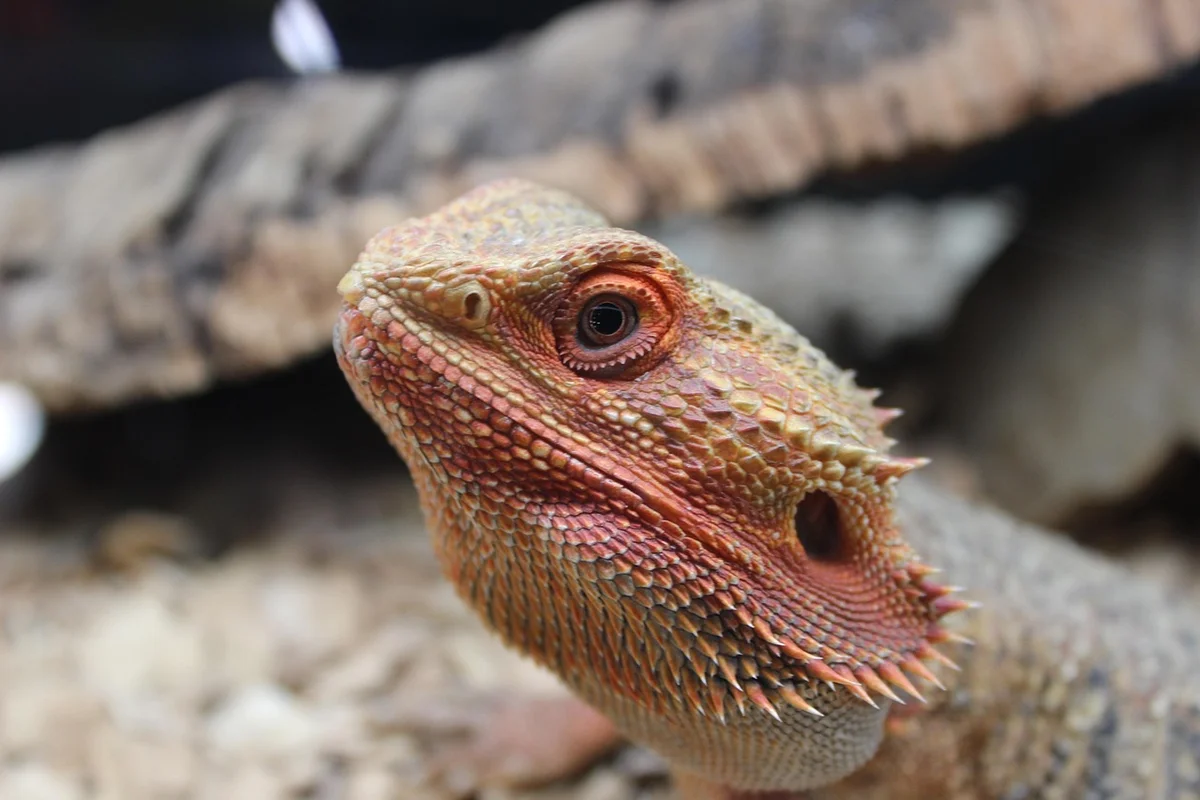
How you offer food is just as important as what you offer. I always use a shallow, smooth-sided ceramic or glass bowl for feeder insects to prevent escapes and keep things tidy. It’s a simple habit that makes a huge difference.
Hand feeding can be a wonderful way to bond with your dragon. I do this with my oldest beardie, Jasper, for his favorite treats. Always offer the food from the front with flat, open fingers so they don’t accidentally mistake your finger for a worm. This builds trust and lets you monitor their eating closely. Whenever you explore worm options, a bearded dragon worm guide can help you choose safe, nutritious worm diets. Feed in moderation and opt for farmed, gut-loaded worms to support overall health.
Overfeeding is a common pitfall, especially with fatty worms like waxworms or superworms. Think of these not as a main course, but as a rare dessert to keep your dragon at a healthy weight. A plump tail base is good; a bulging, sagging belly is not.
Hydration goes beyond the water bowl. Many bearded dragons won’t drink from standing water. I make sure to offer fresh, watery greens like cilantro and bell peppers daily. Another technique I use is gently misting their greens with water right before serving. A warm, shallow bath once or twice a week also helps with hydration and can encourage them to drink. For a practical daily care guide, it’s helpful to know how much water bearded dragons should drink each day and how to adjust for size and environment. This quick daily target helps tailor hydration without overwatering.
Signs It’s Time to Adjust Your Feeding Schedule
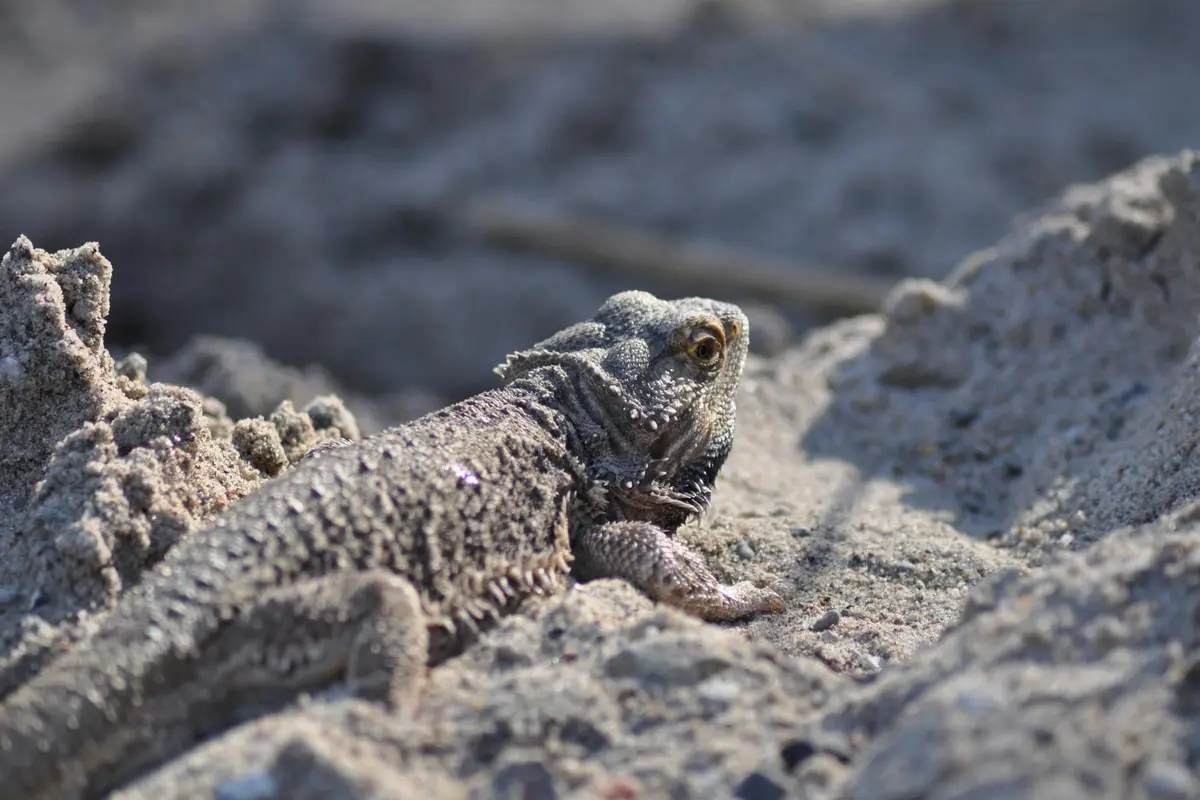
Your bearded dragon’s body and behavior will tell you everything you need to know about their diet. Paying attention to these signals is key to proactive care. If you’re wondering should I feed my bearded dragon daily, a complete feeding guide can help. It covers daily portions and how to balance greens, insects, and calcium.
- Visible Weight Changes: You should be able to see a gentle taper from their body to their tail. If their hip bones or ribs are prominent, they likely need more food. If their belly drags on the ground or they have large fat deposits on their head and tail, it’s time to cut back.
- Decreased Appetite: A sudden loss of interest in food can be a red flag. For adults, this can be normal during cooler months or brumation. For a growing juvenile, a lack of appetite warrants a closer look at their habitat temperatures and a potential vet visit.
- Lethargy or Lack of Basking: A healthy dragon is an alert dragon. If they are spending all day hiding and not thermoregulating under their heat lamp, their metabolism has slowed. This is a clear sign they need less food until their activity levels return to normal.
- Changes in Stool: Runny, overly smelly, or infrequent poop can indicate a dietary issue. Too many watery fruits or large, hard-to-digest insects can upset their system. Consistent, well-formed stool means the diet is working.
- Pacing the Glass or Constant Digging: While sometimes behavioral, this restless energy can also mean they are hungry and searching for more food. It’s a sign to evaluate if their current portion sizes are truly satisfying them.
The most important tool you have is a simple kitchen scale. I weigh my dragons every two weeks. Tracking their weight gives you hard data to spot trends and make informed adjustments before a small issue becomes a big health problem.
Frequently Asked Questions
What type of feeding bowl is safest for bearded dragons?
Opt for a heavy, tip-proof ceramic bowl with smooth sides to prevent injuries and stop insects from climbing out, ensuring a stress-free feeding environment.
Can I feed my bearded dragon at night?
No, avoid feeding at night as they need heat to digest food; always feed during daylight hours after they’ve warmed up under their basking light to support proper digestion.
How do I ensure crickets are a healthy part of my bearded dragon’s diet?
Gut-load crickets with nutritious vegetables before feeding and rotate them with other staple insects to provide variety, while dusting with supplements according to your dragon’s age and needs.
Final Thoughts on Feeding Your Bearded Dragon
The golden rule for feeding your beardie is simple: their age dictates their schedule. Offer protein-rich live insects daily to a growing juvenile and transition to a salad-focused diet with insects just a few times a week for a healthy adult. Sticking to this fundamental shift is the single most important thing you can do for their long-term health.
Ultimately, this schedule is your reliable map, but your dragon’s unique behavior and body condition are the true compass. I always watch my own dragons for cues, adjusting portion sizes based on their appetite and activity level. A consistent, thoughtful feeding routine builds a foundation for a thriving, happy pet you’ll enjoy for years.
Further Reading & Sources
- How Often Do Bearded Dragons Eat? Feeding Chart by Age – Dragon’s Diet
- Bearded Dragon Complete Food Guide – Zen Habitats
- How To Feed Your Bearded Dragon | Veterinary Hospital
Bearded Dragon Lair is the ultimate resource for bearded dragon enthusiasts, offering expert advice and practical tips to ensure the health and happiness of your scaly companion. With years of experience in reptile care, we are dedicated to providing accurate, up-to-date information to support your bearded dragon journey.
Feeding Guidelines