
How Often Should You Feed a Juvenile Bearded Dragon?
Published on: December 13, 2025 | Last Updated: December 13, 2025
Written By: Beardie Joe
Getting the feeding schedule right for your growing bearded dragon is one of the most common questions for new owners.
With several bearded dragons of my own, I’ll share the straightforward schedule that has kept my pets thriving and healthy.
You’ll learn the ideal daily feeding routine, the best food choices, and how to spot if you’re feeding too much or too little.
The Juvenile Bearded Dragon Feeding Frequency Blueprint
Getting the feeding frequency right for a juvenile is your single most important job. Their bodies are growing at an unbelievable rate, and they need constant fuel to support that development. Think of your juvenile beardie as a tiny, scaly teenager with a bottomless stomach and a mission to grow. Figuring out how often to feed them is the cornerstone of a complete feeding schedule. It keeps growth on track while preventing overfeeding.
Crafting the Perfect Daily Feeding Schedule
A consistent routine is your best friend. It keeps your dragon’s metabolism steady and helps you monitor their health. In my own reptile room, I stick to a schedule as if it were a sacred text. Timing your meals matters, too. The best time to feed your bearded dragon is after they’ve had a warm basking period, typically in the morning, when they’re most alert. This predictable rhythm prevents stress and makes mealtimes something your dragon eagerly anticipates.
Morning Insect Session
I always start the day with protein. About 30-60 minutes after their lights turn on, offer their first live insect meal. Their body is warmed up and ready to digest.
- Provide as many appropriately-sized insects as they can eat in a 10-15 minute window.
- I use a dedicated feeding bin to avoid substrate ingestion.
- Always dust the insects with a high-quality calcium supplement.
This first meal kickstarts their energy for the day and satisfies their primary carnivorous instincts.
Afternoon Greens & Veggies
While they’re focused on bugs, this is your chance to build good salad-eating habits for adulthood. I offer a fresh, chopped salad around midday.
- Place the salad in their enclosure, even if they ignore it at first.
- Use vibrant, enticing greens like collard, mustard, or dandelion greens.
- Include a variety of colors from safe veggies like shredded squash or bell pepper.
Persistence is key here; seeing and smelling the salad daily is how they learn it’s food. One of my beardies took weeks to try his greens, but now he munches them happily.
Evening Insect Top-Up
A second insect feeding session, about 4-5 hours before lights out, ensures they have enough nutrients to last through the night. This is not a full-blown feast like the morning.
- Offer a smaller portion of insects than you did in the morning.
- This is a great time to offer a different feeder for variety, like BSFL or dubia roaches.
- Remove any uneaten insects after 10 minutes to prevent them from bothering your dragon overnight.
This final top-up mimics their natural foraging behavior and prevents them from going to bed hungry. A hungry juvenile is a stressed juvenile, and their welfare is always the top priority.
What to Put on the Menu: A Balanced Juvenile Diet
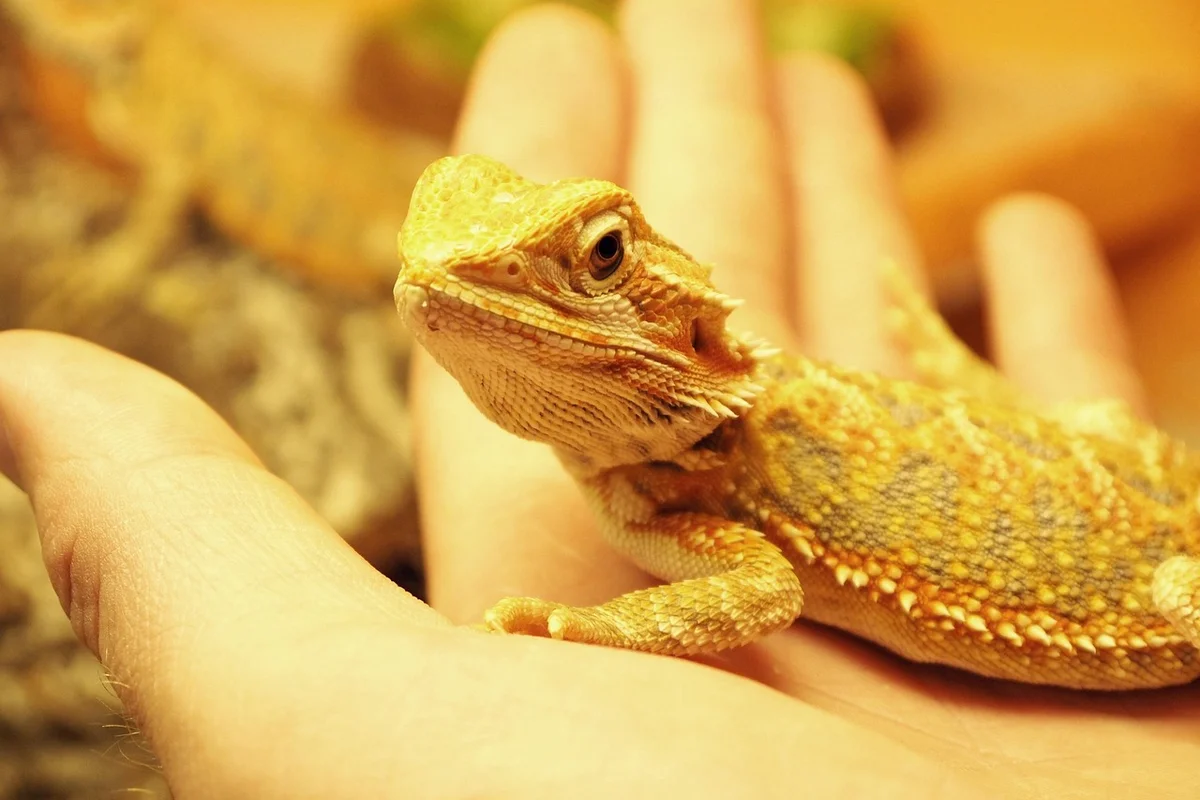
Getting the menu right for a growing ‘juvie’ is one of the most rewarding parts of ownership. I’ve found that a good rule of thumb is to offer a salad daily and live insects two to three times a day. Their little bodies are protein-powered growth machines at this stage.
Best Live Insect Choices
Not all bugs are created equal. You want feeders that are nutritious, the right size, and easy for your dragon to digest.
- Dubia Roaches: My personal top pick. They are protein-rich, not too jumpy, and their soft bodies are easy to digest.
- Black Soldier Fly Larvae (Nutrigrubs): These are a fantastic staple. They’re packed with calcium, so they naturally help with bone health.
- Crickets: A classic choice, but they can be smelly and noisy. Always supervise feeding with crickets, as they can bite your dragon if left uneaten.
- Discoid Roaches: A great alternative to Dubias, especially if you live in a place where Dubias are restricted.
I avoid mealworms and superworms for my juveniles. Their hard chitin shell can be tough on tiny digestive systems.
Essential Greens and Vegetables
Even though they’re insect-focused now, introducing a daily salad is non-negotiable. This habit sets them up for a much easier transition to a more herbivorous adult diet later on. I make a big batch twice a week for all my dragons. For bearded dragons, spring mix makes a perfect base for a daily salad. Build the bowl with chopped greens and a few veggies to create the perfect salad.
- Daily Staples (Go-To Greens): Collard greens, dandelion greens, mustard greens, and endive. These are the backbone of a good salad.
- Great Mix-Ins (2-3 times a week): Butternut squash (shredded), bell peppers (any color), and snap peas.
- Occasional Treats (Once a week or less): Grated carrot, blueberries, or a single raspberry.
I never feed my dragons iceberg lettuce or spinach. Iceberg is all water with no nutrition, and spinach binds calcium, which we work so hard to provide.
Essential Supplementation for Strong Bones
This is the part that can’t be skipped. Even the best diet needs a little boost. Without proper supplementation, juvenile bearded dragons are highly susceptible to Metabolic Bone Disease (MBD), a painful and crippling condition. These supplements help me ensure my bearded dragon gains weight safely and steadily. I monitor growth and adjust his diet accordingly. I keep two powders on hand at all times.
- Calcium with D3: You’ll use this most often. Lightly dust the live insects with this powder right before you offer them. I do this for one feeding, every single day.
- Multivitamin: This provides a range of other essential vitamins. I dust insects with a multivitamin for one feeding, but only twice a week.
A little powder goes a long way-the insects should look like they’ve been in a light snowstorm, not a blizzard.
How to Gut-Load for Maximum Nutrition
Gut-loading is simply feeding your feeder insects a super-nutritious diet before they become dinner. Think of it as nutrient fortification; you are what your food eats, and that applies directly to your dragon. I gut-load my roaches and crickets for at least 24-48 hours before feeding time.
Here is what I feed my feeder insects:
- Leftover bearded dragon greens (collards, dandelion)
- Sweet potato, carrots, or squash
- Commercial gut-loading diets from pet stores
- Whole grain oats or cereals (no sugar added)
I avoid feeding the feeders citrus, onions, or dog/cat food. A well-fed bug is a vitamin-packed meal for your growing dragon. For a bearded dragon’s insect-eating guide, it covers safe bugs and which ones are toxic to avoid. It also explains how to spot risky insects before feeding.
Reading Their Appetite: Signs of Correct Feeding

Getting the frequency right is one thing, but the real test is watching your dragon. Their behavior and body condition will tell you everything you need to know about your feeding schedule. I’ve learned more from watching my dragons than from any book. That’s where a complete feeding schedule comes in—knowing how often to feed, what to offer, and how to adjust as they grow. With a plan in place, you can keep your dragon’s routine steady and healthy.
Is Your Dragon Eating Enough? Spotting Underfeeding
A hungry juvenile is hard to miss once you know the signs. They are growing machines, and their bodies will loudly protest if they aren’t getting enough fuel.
- Constant Glass Surfing: Frantically scratching at the tank walls is a classic sign of a hungry, foraging dragon.
- Visible Hip Bones and a Thin Tail Base: Run your finger gently over their back. If the hip bones are sharp and prominent, they need more food.
- Lethargy and Lack of Basking: A dragon that isn’t eating enough won’t have the energy to properly thermoregulate.
- Black Beard for Extended Periods: While sometimes a sign of stress, a consistently dark beard can indicate hunger or dissatisfaction.
I remember one of my juveniles, Pancake, went through a phase like this. He was so active and ravenous that I realized his two daily feedings weren’t cutting it. We temporarily added a third, smaller meal, and he settled right down.
Could It Be Too Much? Recognizing Overfeeding
It’s easy to get overexcited and offer too much, especially when they seem so eager. But overfeeding has its own set of problems.
- Consistently Leaving Live Prey: If there are always uneaten crickets or dubias roaming the tank after 15 minutes, you’re offering too much.
- A Very Large, Distended Belly After Eating: A little bulge is normal, but a tight, drum-like belly is a sign of overconsumption.
- Loose, Runny, or Extra Smelly Stools: Their digestive system can get overwhelmed by too much protein.
- Unusual Lethargy After Meals: They should be digesting, not comatose. Extreme sluggishness can signal digestive discomfort.
An overfed dragon isn’t a happy dragon; it’s an uncomfortable one on the path to obesity. It’s better to stick to a consistent, measured schedule. Look for signs such as a swollen belly, lethargy, or sudden weight gain, which signal overfeeding and potential fatty liver disease. To prevent this, offer appropriately sized portions, limit treats, and maintain a regular, balanced feeding routine.
Troubleshooting Common Juvenile Feeding Problems
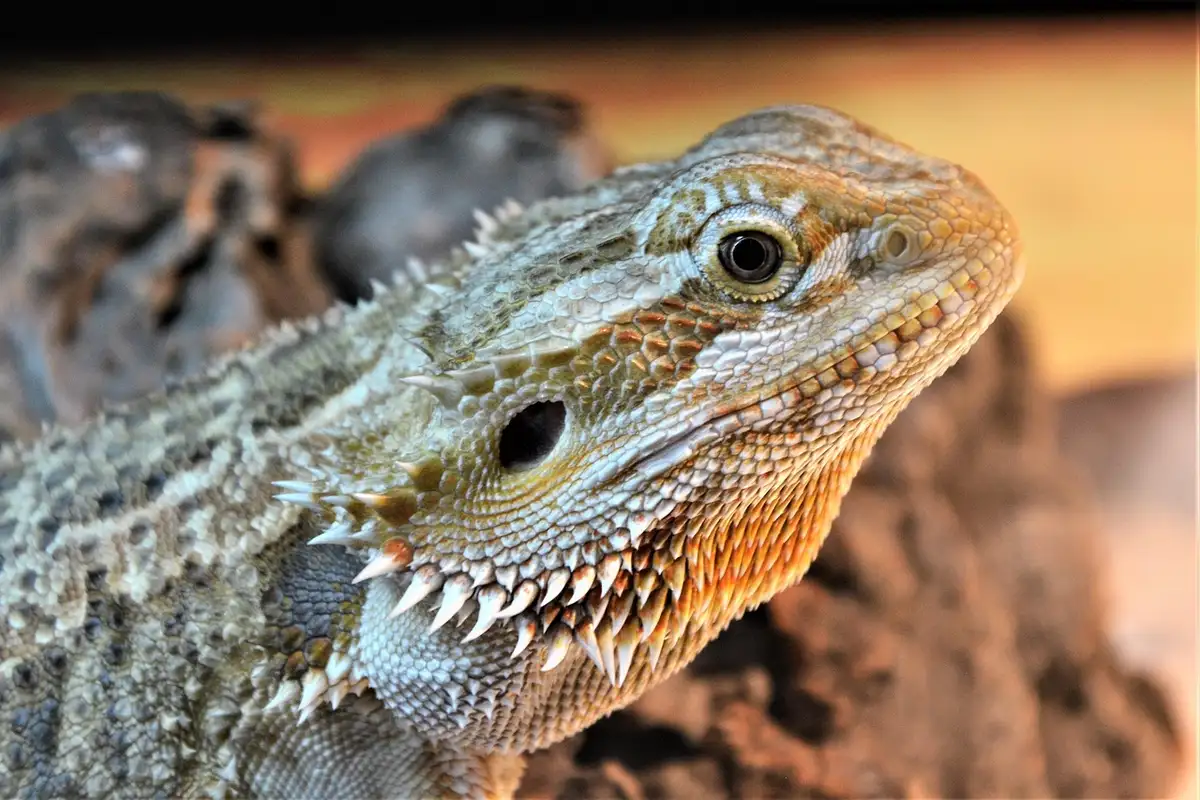
Even with the perfect schedule, you might hit a snag. Don’t panic. Here are the most common issues I’ve encountered and how to tackle them.
Sudden Loss of Appetite
When a usually voracious eater suddenly goes on a hunger strike, it’s worrying. The first thing I always check is their environment.
- Check the temperatures. Is the basking spot between 105-110°F? Is the cool end around 85°F? Incorrect temps are the number one cause of appetite loss.
- Review your UVB light. Is it the correct strength (10.0) and is it due for a replacement? They need it to metabolize their food.
- Consider stress. Have you recently moved their enclosure, introduced new pets, or changed their decor?
- Look for signs of impaction. Are they passing stool normally? A vet visit is crucial if you suspect a blockage.
The Picky Eater
Some dragons develop a strong preference for one type of insect and refuse all others. This is a battle of wills you need to win for their health. For bearded dragons, a variety of insects should be part of their daily diet across all life stages. A simple daily guide helps ensure they get the right amount and variety.
- The best method I’ve found is persistence and “gut-loading.” Offer the less-desired insect first when they are most hungry.
- Try different feeders. If they refuse crickets, try dubia roaches or black soldier fly larvae.
- Always ensure their salads are appealing. Chop greens finely and add colorful, smelly favorites like butternut squash or bell pepper to draw them in.
- Never give in and only feed waxworms or superworms. Treating these as a staple creates a nutritional deficit and reinforces picky behavior.
Frequently Asked Questions
What type of feeding bowl is best for a juvenile bearded dragon?
Use a shallow, heavy-bottomed dish for salads to prevent tipping, and a separate escape-proof bowl or feeding bin for insects to avoid substrate ingestion and ensure easy access.
Is there a feeding chart that shows how much to feed at different ages?
While amounts vary, juveniles typically need insects 2-3 times daily and daily salads, whereas adults transition to insects 2-3 times per week with daily greens, based on their slower metabolism.
How does the feeding schedule change when a bearded dragon becomes an adult?
Adult bearded dragons require fewer insects—only 2-3 times per week—and a daily salad, as their growth plateaus and their diet shifts to be more herbivorous for maintaining health. Regarding feeding frequency, adults are typically offered meals only a few times per week rather than daily. Monitor their weight and adjust as needed to maintain optimal health.
Final Thoughts
Getting your young dragon’s feeding schedule right is one of the most impactful things you can do for their health. Stick to two to three live insect feedings daily, making sure those little bellies are full but not bulging. Understanding how often to feed your baby bearded dragon is part of a complete feeding schedule that you’ll adjust as they grow. A consistent daily plan helps ensure steady growth and long-term vitality.
Don’t forget to introduce that daily salad, even if they mostly ignore it at first. Persistence with fresh greens now builds the healthy habits that will support them into adulthood. Pair this routine with proper lighting and a shallow water bowl, and you are setting your scaly friend up for a thriving, vibrant life.
Further Reading & Sources
- How Often Do Bearded Dragons Eat? Feeding Chart by Age – Dragon’s Diet
- Feeding and Watering – Care of Bearded Dragons (Pogona vitticeps)
- How Often to Feed a Bearded Dragon (Diet by Age Guide)
Bearded Dragon Lair is the ultimate resource for bearded dragon enthusiasts, offering expert advice and practical tips to ensure the health and happiness of your scaly companion. With years of experience in reptile care, we are dedicated to providing accurate, up-to-date information to support your bearded dragon journey.
Feeding Guidelines