When is the Best Time to Feed Your Bearded Dragon?
Published on: December 13, 2025 | Last Updated: December 13, 2025
Written By: Beardie Joe
Feeding your bearded dragon at the right time can make all the difference in their health and happiness.
After caring for my own dragons for years, I’m here to guide you through the simple steps to get their schedule perfect.
We’ll look at morning versus evening feedings, how their age changes everything, and how to build a routine that keeps them thriving.
Best Time of Day for Bearded Dragon Feeding
I always feed my dragons in the morning, and here’s why. Bearded dragons are diurnal, which means they are active during the day, just like us. Their metabolism is primed to kick into gear after they’ve had a chance to bask and warm up under their heat lamp. Feeding them first thing gives their body the entire day to properly digest the food. Many keepers follow a complete feeding schedule that varies with age, typically offering multiple small meals to juveniles and a steady daily ration to adults. This helps ensure they get the right balance of insects, greens, and calcium supplements over time.
Think of it like fueling up for a big day. You wouldn’t eat a huge meal right before bed and expect to feel great. It’s the same for your beardie. Offering their main meal about one to two hours after their lights turn on is the sweet spot. This gives them time to wake up, get their body temperature up, and become alert and hungry.
I make it a part of my morning routine with them. I turn on the lights, say good morning, and then prepare their salad while they warm up. A well-timed meal prevents food from sitting in their gut overnight when their metabolism slows down, which can lead to digestion issues. It just makes for a happier, healthier reptile.
Bearded Dragon Feeding Schedule by Age
Their dietary needs change dramatically as they grow from tiny juveniles into majestic adults. Getting this schedule right is one of the most impactful things you can do for their long-term health.
Juvenile Bearded Dragon Feeding
Baby and juvenile bearded dragons are like little eating machines! They are in a massive growth phase and need a ton of protein to support it. So, how much should baby bearded dragons eat? Here’s a complete feeding guide by age.
- Feed them live insects 2-3 times per day.
- Offer them as many appropriately-sized insects as they can eat in a 10 to 15-minute window.
- Always provide a fresh salad of leafy greens daily, even if they mostly ignore it at this stage. This gets them used to eating their veggies.
- I personally found that offering their first insect meal around 9 AM and a second around 3 PM worked perfectly for my juveniles.
Do not leave uneaten live insects in their enclosure, especially crickets, as they can nibble on and stress your dragon. Always remove any uneaten bugs after the feeding session is over. For a bearded dragon feeding guide, stick to safe insects and avoid toxic bugs to keep your dragon healthy.
Adult Bearded Dragon Feeding
Once your dragon hits about 18 months old, their diet does a complete flip. Their growth has slowed, and their body requires less protein and more vegetables. That shift is exactly what the “Should You Feed Your Bearded Dragon Every Day? Guide for Babies, Juveniles, and Adults” covers. It explains how feeding frequency and portions change as dragons age, with adults needing a different balance than youngsters.
- Their diet should now be about 80% fresh vegetables and 20% live insects.
- Feed them a protein meal (insects) only once a day, or even every other day.
- Their daily salad is now the main event. Make it a generous mix of nutritious greens and other safe veggies.
- An adult dragon that is fed too many insects will quickly become overweight, which brings a host of health problems.
I stick to a simple routine: a big, beautiful salad goes in first thing in the morning, and I’ll offer a smaller portion of insects in the late afternoon if it’s a protein day. This schedule has kept my adult dragons at a perfect, healthy weight for years.
How Basking Time Influences Feeding
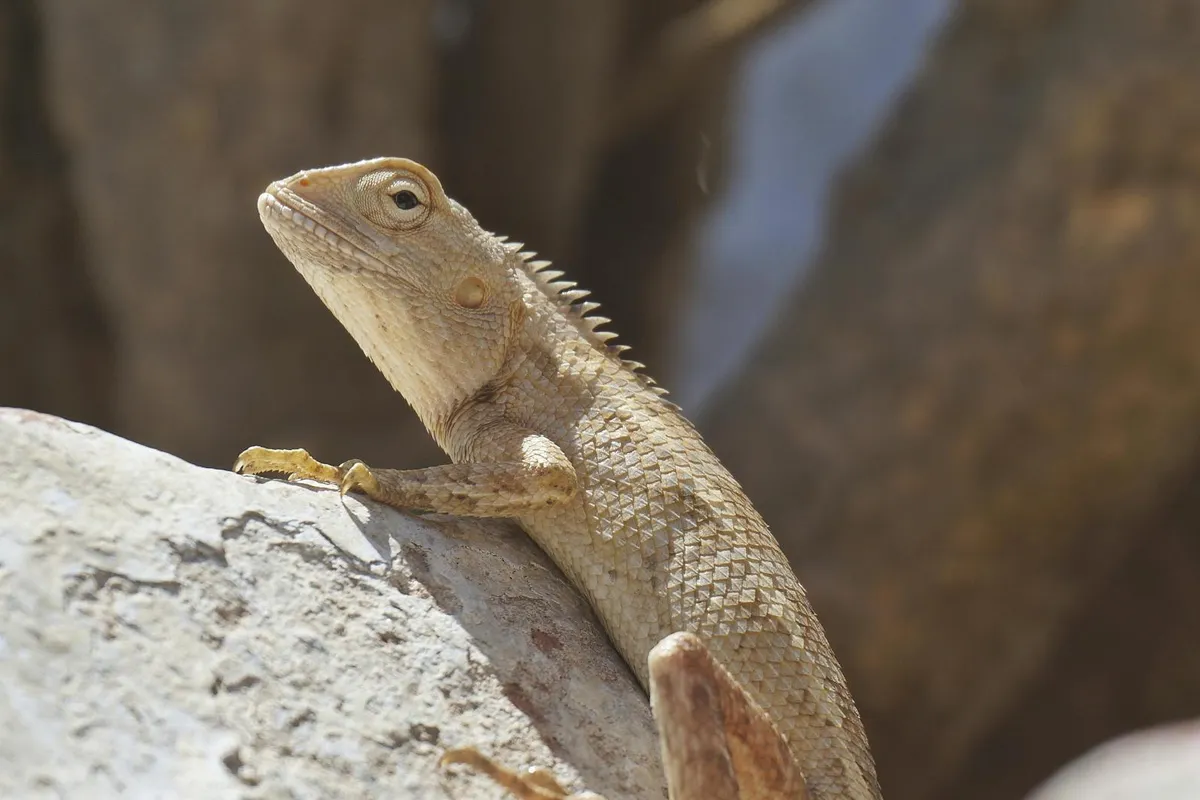
Think of your bearded dragon’s basking spot as their personal digestive engine. That heat isn’t just for comfort; it’s the essential fuel their body needs to process every single meal. Bearded dragons are ectothermic, so they regulate their body temperature from the environment. A proper basking spot helps them stay in the temperature range needed for digestion. Without it, food just sits in their stomach, which can lead to serious health issues.
I learned this the hard way with my first dragon, Puff. If I fed him before his lights had been on long enough, he’d just stare at his food. He wasn’t being picky; his body was too cold to have an appetite.
Here is the non-negotiable routine I follow with all my dragons:
- Turn on their lights and heat lamps first thing in the morning.
- Wait at least 1-2 hours for them to warm up completely before offering any food.
- Their basking surface temperature should be between 95-110°F for adults to kickstart digestion.
This warm-up period is crucial. It allows their metabolism to wake up and get ready for the work of digesting. A cold dragon is a dragon that cannot properly digest its food, plain and simple.
Feeding Frequency and Portion Sizes
How much and how often you feed is not a one-size-fits-all answer. It changes dramatically as your scaly friend grows from a tiny hatchling into a majestic adult.
Getting this right is one of the most impactful things you can do for their long-term health. Overfeeding leads to obesity, while underfeeding stunts growth.
Here is a simple breakdown based on life stage:
- Babies & Juveniles (0-8 months): These little ones are growing machines! They need a lot of protein.
- Feed them live insects 2-3 times per day.
- Offer them as many appropriately-sized insects as they can eat in a 10-15 minute period.
- Fresh greens should be available all day, every day.
- Sub-Adults (8-18 months): Their growth starts to slow down.
- Reduce insect feedings to once per day.
- Continue the “all they can eat in 10-15 minutes” rule.
- Their salad becomes increasingly important-make it a hearty daily offering.
- Adults (18+ months): Their diet shifts significantly toward veggies.
- Live insect feedings drop to just 2-3 times per week.
- A good portion for one feeding is roughly the volume between their eyes.
- A fresh, nutrient-rich salad should be their primary daily meal.
A handy rule I use for insect size is to never offer anything wider than the space between your dragon’s eyes. This prevents choking and dangerous impactions. Watching them hunt is fantastic enrichment, but their safety always comes first.
What to Feed: Insects, Greens, and Supplements
Live Insects for Bearded Dragons
Think of live insects as the main course for your growing dragon. They provide the crucial protein that fuels their busy lives. I always keep a variety of these staples in my own dragon’s rotation.
- Dubia Roaches: My personal favorite. They are packed with protein, not too fatty, and can’t climb smooth surfaces, which makes them easy to contain.
- Crickets: A classic choice, but they can be smelly and noisy. Always remove uneaten crickets from the habitat, as they can nibble on your sleeping dragon.
- Black Soldier Fly Larvae (Nutrigrubs): These are a fantastic source of calcium and are soft-bodied, making them easy to digest for dragons of all ages.
- Hornworms: These are like a juicy, hydrating treat. They are great for a dragon that needs extra fluids, but feed them sparingly due to their size and higher moisture content.
Avoid insects like fireflies, which are highly toxic, and wild-caught bugs from your yard, as they can carry pesticides or parasites.
Greens and Vegetables for Daily Diet
A salad bowl isn’t just a side dish; it’s a vital part of a balanced diet. I make a fresh chop for my dragons every morning, mixing a few different greens and veggies.
- Daily Staples (Go-To Greens):
- Collard Greens
- Mustard Greens
- Dandelion Greens
- Endive
- Occasional Mix-Ins (For Variety):
- Butternut Squash (shredded)
- Bell Peppers (all colors)
- Zucchini
- Fruits as Rare Treats: Offer tiny bits of berries or mango once a month. Fruit is high in sugar, so think of it as dragon dessert.
Stay away from iceberg lettuce-it’s mostly water with little nutritional value-and spinach, which can bind calcium.
Essential Supplements: Calcium and Vitamins
Even the best diet needs a little boost. In the wild, dragons get a broader range of nutrients, so we supplement to fill in the gaps. Whether you’re feeding a bearded dragon as a pet or exploring what wild dragons eat, a complete feeding guide helps you cover all bases. It explains what to offer, how often, and how to supplement to mimic the variety found in the wild.
I keep two shaker bottles right next to my dragon’s food: one with calcium powder and one with a multivitamin.
- Calcium with D3: This is non-negotiable for preventing Metabolic Bone Disease, a common and devastating illness. Lightly dust almost every insect meal with calcium. I do this 5-6 times a week for my adults.
- Multivitamin: This provides a spectrum of other essential vitamins. I dust one insect feeding per week with a multivitamin powder instead of calcium.
If your dragon has a UVB light, you can use calcium without D3, but I find using calcium with D3 is a good safety net for most home setups. In our bearded dragon vitamins guide, we explain what vitamins they need, including calcium with D3 and when a multivitamin is appropriate. It helps you decide when to supplement and how to dose safely.
Preparing and Offering Food: Bowls and Techniques
How you serve the food is just as important as what you serve. A clean, stress-free feeding routine makes a huge difference.
I use a simple, shallow ceramic bowl for salads. It’s heavy enough that it won’t tip over when my dragon climbs on it. For insects, I have two main methods.
- Bowl Feeding: A dedicated escape-proof feeder bowl is perfect for worms and roaches. This prevents them from hiding in the substrate and getting lost.
- Hand-Feeding & Tongs: Using long feeding tweezers is my preferred way to offer crickets and individual bugs. This lets you monitor exactly how much your dragon eats and helps build a bond of trust. It also prevents any accidental finger-nipping!
Always remove any uneaten fresh greens and insects after about 15-20 minutes to keep the enclosure clean and prevent the food from spoiling.
Recognizing Feeding and Digestion Problems
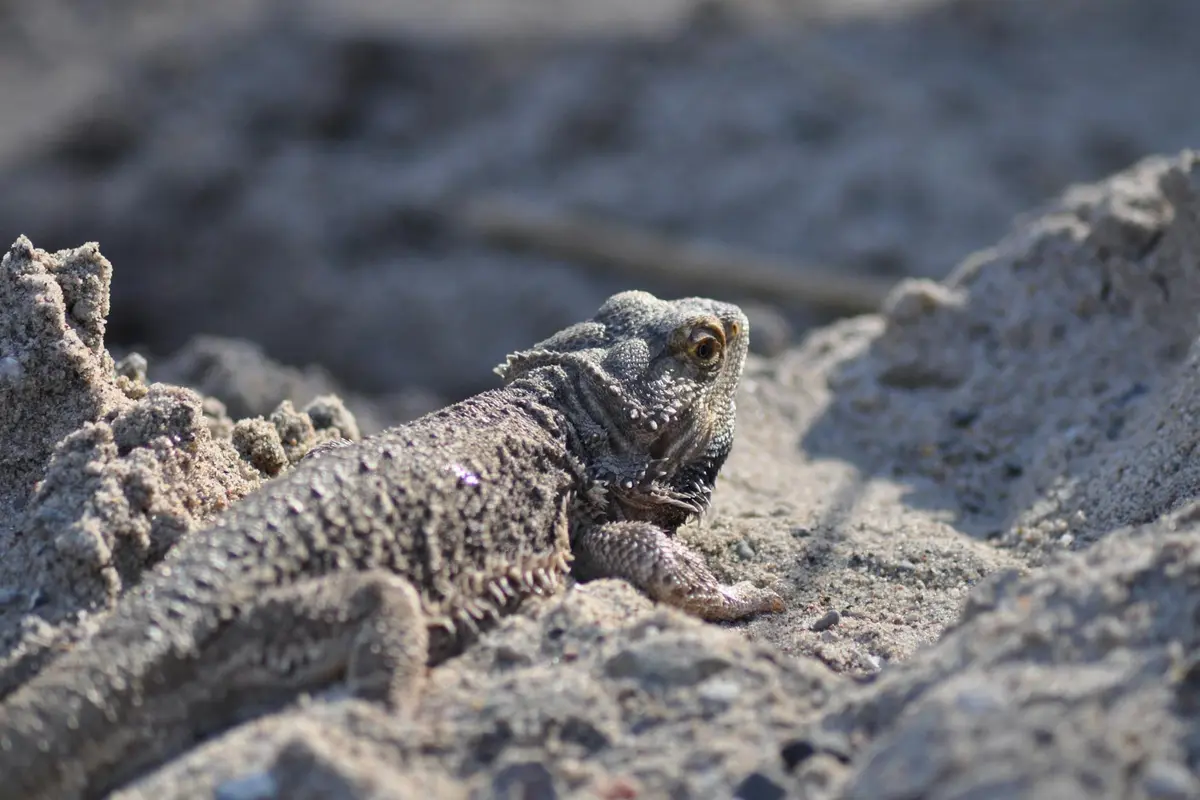
Even with the perfect feeding schedule, things can sometimes go sideways. Your dragon’s body will send you clear signals when their digestive system is unhappy. I’ve learned to watch for these subtle cues over years of caring for my own crew.
Signs of Appetite Trouble
A sudden change in eating habits is often the first red flag. It’s not just a picky day.
- Consistent Food Refusal: Skipping one meal isn’t a crisis, but refusing food for more than two days (for an adult) warrants a closer look.
- Lack of Hunting Drive: A healthy dragon will actively chase crickets or bob their head at moving salad. Apathy towards movement is a concern.
- Spitting Out Food: They might take a bite, only to let it fall out of their mouth. This can signal a mouth injury or a deeper internal issue.
Physical Symptoms of Digestive Distress
Look beyond the bowl. Their physical state tells a powerful story about what’s happening inside.
- Lethargy and Weakness: A dragon that just lies flat, barely moving, and seems too weak to climb is showing a major sign of illness.
- A Bloated or Hard Belly: Their abdomen should feel relatively soft. A firm, swollen belly can indicate impaction or severe gas.
- Visible Straining: If you see them arching their back and pushing excessively without producing a stool, they are likely constipated.
What Their Poop Tells You
I know it sounds strange, but I do a quick check every time I clean the tank. Your dragon’s waste is a direct report card on their digestive health.
- Runny or Watery Stool: This is diarrhea and can lead to dangerous dehydration.
- Very Foul Smell: While dragon poop is never pleasant, an exceptionally potent, sour odor can signal a parasite overload or bacterial infection.
- Undigested Food in Feces: Seeing full, recognizable insect parts in their waste means the food is moving through too quickly without being processed.
- No Poop at All: Adults can sometimes go a week, but if it’s been longer and they’re eating, they may be impacted.
If you spot any of these issues, the first thing I always do is check the basking spot temperature with a reliable thermometer. An insufficiently hot basking area is the most common cause of sluggish digestion. If temps are correct and problems persist for more than 48 hours, it’s time to consult a reptile-savvy vet.
Frequently Asked Questions
Do bearded dragons need a feeding bowl?
Yes, using a shallow, sturdy bowl helps keep food contained, reduces enclosure mess, and prevents accidental ingestion of substrate, which can lead to impaction.
How can I prevent crickets from hiding in the enclosure?
Feed crickets in an escape-proof dish or using feeding tongs to control their movement, and always remove uneaten crickets promptly to avoid stress and potential harm to your dragon. In a comprehensive bearded dragon feeding guide, crickets are often the main staple for babies and juveniles, while adults may require fewer crickets and more variety.
What should a bearded dragon feeding chart include?
A comprehensive chart should list daily feeding frequencies, appropriate food types, and supplement schedules tailored to your dragon’s age to ensure balanced nutrition and consistent care. If you’re wondering whether you should feed your bearded dragon daily, this complete feeding guide explains daily portions and how to adjust by age. Use it to establish the right routine for your dragon.
Wrapping Up
Ultimately, the best feeding schedule for your bearded dragon aligns with their sun-loving nature. Aim for that morning feeding window to give them the whole day to properly digest their food under their heat lamp. This simple routine works with their biology, not against it. A complete feeding schedule helps you plan how often to feed at each life stage. For juveniles, daily meals are common; adults often do better with fewer, more spaced feedings along with daily greens.
Remember, every dragon is an individual with their own personality and appetite. Pay close attention to your specific pet’s behavior and energy levels, as they are the best guide for fine-tuning their mealtime. A consistent, thoughtful schedule is a cornerstone of a happy, healthy life for your scaled friend.
Further Reading & Sources
- How Often Do Bearded Dragons Eat? Feeding Chart by Age – Dragon’s Diet
- How Often to Feed a Bearded Dragon (Diet by Age Guide)
- r/BeardedDragons on Reddit: How often to feed
Bearded Dragon Lair is the ultimate resource for bearded dragon enthusiasts, offering expert advice and practical tips to ensure the health and happiness of your scaly companion. With years of experience in reptile care, we are dedicated to providing accurate, up-to-date information to support your bearded dragon journey.
Feeding Guidelines