Can Bearded Dragons Eat Pineapple? A Complete Guide
Published on: January 14, 2026 | Last Updated: January 14, 2026
Written By: Beardie Joe
That sweet, tropical smell of fresh pineapple can make anyone’s mouth water, and you might be wondering if your scaly friend can have a taste too.
As a long-time beardie owner, I’ve navigated these exact questions and I’m here to help you feed your dragon safely and confidently.
In this guide, we’ll cover the safety of the fruit itself, the important facts about pineapple leaves, and my simple, safe serving tips to follow.
Pineapple Nutrition for Bearded Dragons
Let’s break down what’s actually inside that sweet, juicy fruit. Pineapple offers some beneficial nutrients, but you have to look at the whole picture.
Key Nutrients and Their Benefits
- Vitamin C: This is a powerful antioxidant that supports your dragon’s immune system. It helps their little bodies fight off illness and heal from minor scrapes.
- Fiber: Pineapple contains a good amount of dietary fiber. In small doses, this fiber can help keep your dragon’s digestive system moving smoothly and prevent constipation.
- Hydration: The high water content is a great way to offer a little extra hydration, especially on a warm day.
The Crucial Calcium to Phosphorus Ratio
This is the most critical part of the nutritional discussion. For bearded dragons, we aim for a calcium-to-phosphorus ratio of 2:1 or even higher. Pineapple gets this completely backwards. Too much calcium isn’t better; over-supplementing can cause health problems. Stick to the 2:1 ratio and age-appropriate dosing. To learn more about the calcium needs for bearded dragons, it’s essential to understand the proper supplementation guidelines.
- Pineapple has a Ca:P ratio of about 1:4 or worse.
- This means there is much more phosphorus than calcium.
High phosphorus binds with calcium in the gut and prevents its absorption. Over time, feeding too many high-phosphorus foods can contribute to Metabolic Bone Disease (MBD), a serious and painful condition. This is why pineapple can only ever be a very occasional treat.
Bromelain and Digestive Health
Pineapple is unique because it contains an enzyme called bromelain. From my experience, this is where things get interesting.
- Bromelain is a proteolytic enzyme, meaning it helps break down protein.
- In theory, a tiny amount might even aid in digesting their insect meals.
However, this powerful enzyme is also the reason pineapple can cause irritation. In large quantities, bromelain can be harsh on their sensitive digestive tract, potentially leading to a sore mouth or even stomach upset.
Safety Risks of Feeding Pineapple
Knowing the risks helps you make safe, informed decisions for your scaly friend. I’ve learned to watch for these issues closely.
High Sugar Content and Acidity
This is the one-two punch that makes pineapple a risky regular food.
- High Sugar: Pineapple is packed with natural sugars. A bearded dragon’s body isn’t designed to process high sugar loads. Consistent sugar intake can lead to obesity, tooth decay, and diabetes in reptiles.
- High Acidity: The citric and malic acid give pineapple its tang. This acidity can upset the natural pH balance in your dragon’s stomach, leading to discomfort and digestive issues.
Potential Digestive Upset
When you combine the sugar, acidity, and bromelain, the result can be an unhappy beardie belly. Watch for these signs after offering a new food like pineapple.
- Runny, watery, or unusually smelly stools
- Lethargy or a lack of appetite for their staple foods
- Signs of abdominal discomfort, like glass surfing or a black beard
If you see any of these signs, stop feeding pineapple immediately and stick to their trusted greens and insects. Their digestive systems are more delicate than they look.
Choking Hazards and Texture
Preparation is everything for safety. I always take these steps to prevent any physical dangers.
- Remove the Skin and Core: The tough, fibrous skin and core are impossible for them to digest and are a major choking risk.
- Check for Seeds: While most commercial pineapples are seedless, always check the flesh for any hard, black seeds and remove them.
- Cut into Tiny Pieces: Always chop the soft fruit into pieces no larger than the space between your dragon’s eyes. This ensures they can swallow it safely without obstruction.
How to Prepare Pineapple for Your Beardie
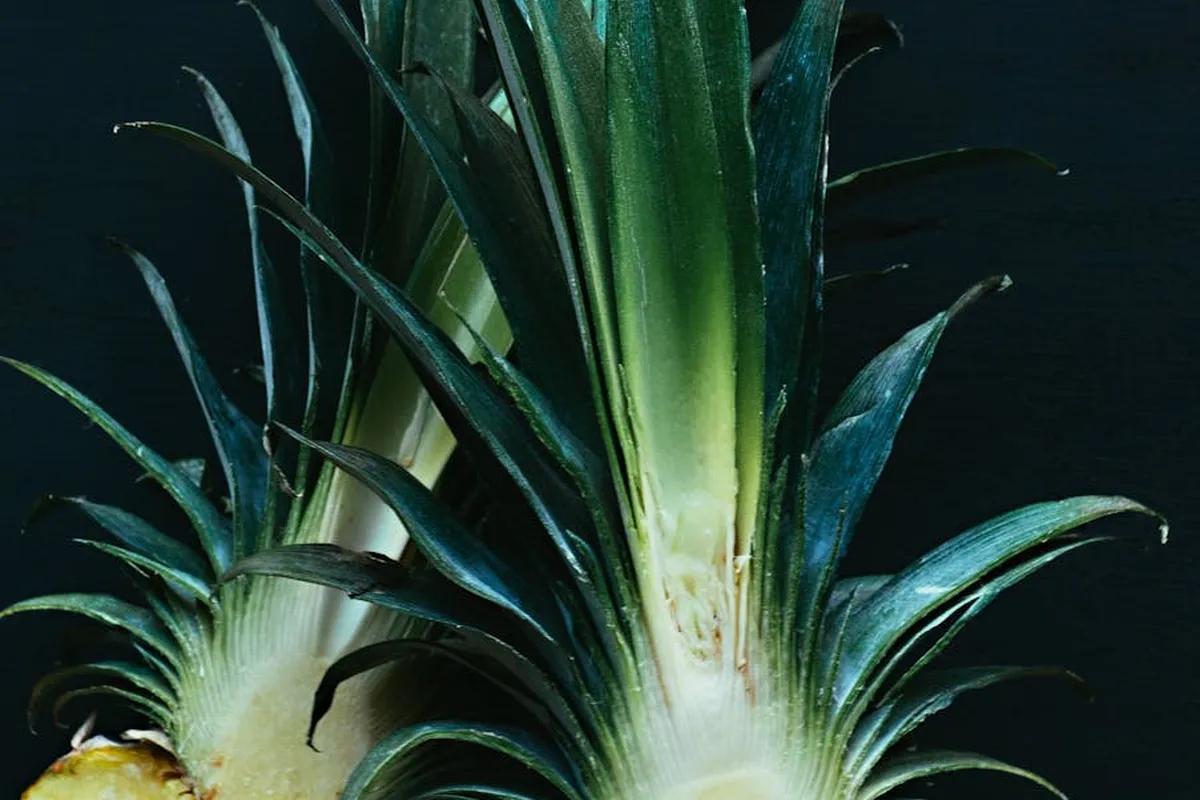
Getting pineapple ready for your dragon is simple, but you must do it right to keep them safe. Proper preparation removes the parts that could cause digestive trouble or pose a choking hazard. I always take these steps with my own crew.
- Wash It Thoroughly: Rinse the whole pineapple under cool running water. This washes off any dirt or chemical residues from the skin that could transfer to the fruit.
- Peel the Skin: Use a sharp knife to completely remove the tough, spiky outer skin. You want only the soft, yellow flesh.
- Remove the Core: Cut the pineapple into slices or chunks and carefully cut out the hard, fibrous core from the center of each piece. The core is difficult to digest and can cause impaction.
- Chop into Bite-Sized Pieces: Dice the soft fruit into pieces no larger than the space between your bearded dragon’s eyes. This is my go-to rule for preventing choking.
Fresh vs. Canned Pineapple
I strongly recommend using fresh pineapple for your pet. Canned pineapple is a definite no-go because it’s packed in sugary syrup. That much sugar is terrible for a bearded dragon’s health and can lead to obesity and other issues. Stick with fresh to give them a pure, safe treat. Bearded dragons can also eat dragon fruit in small amounts as a safe fruit option. Just be sure to offer it sparingly and cut into bite-sized pieces.
Feeding Frequency and Portion Size
Pineapple is a treat, not a staple. Overfeeding this sugary fruit can disrupt their gut flora and lead to health problems over time. I offer it to my dragons no more than once every couple of weeks.
- For Adult Bearded Dragons: A serving of one or two small, properly sized pieces is plenty. This should make up a very small part of their overall salad.
- For Juveniles: An even smaller amount is best-think one tiny piece as a rare surprise. Their primary focus needs to be on growth-friendly greens and insects.
Always mix the pineapple piece into a large salad of staple greens like collard or dandelion greens. This ensures they fill up on the nutritious stuff first and only get the pineapple as a bonus. Watching my dragons hunt for that sweet piece in their bowl is a joy, but I never let the treat overshadow the meal.
Can Bearded Dragons Eat Pineapple Leaves?
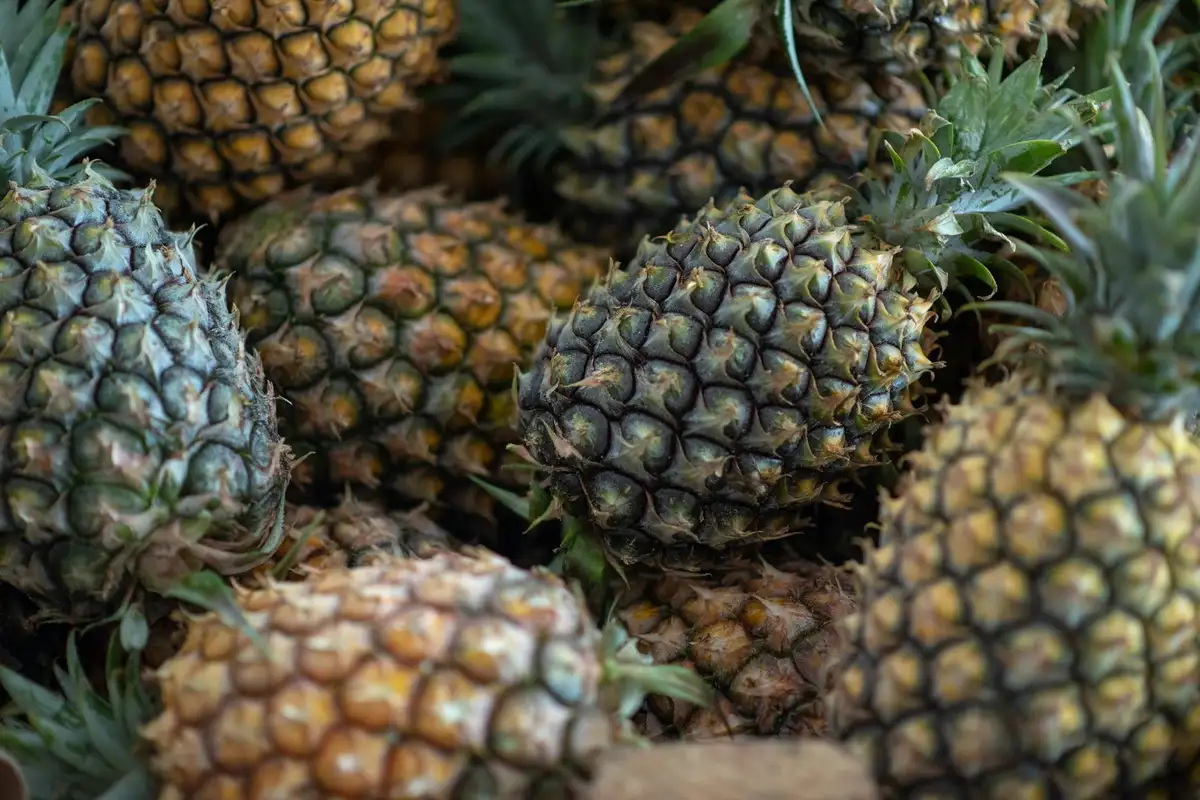
I’ve seen many new owners wonder if the whole pineapple plant is fair game, especially the large, spiky leaves. After caring for my own dragons for years, my advice is a firm no.
Pineapple leaves are not safe for your bearded dragon to eat. Their tough, fibrous, and sharp-edged texture is extremely difficult for a bearded dragon to chew and can easily lead to impaction, a serious and potentially fatal gut blockage. Beyond the physical risk, these leaves also contain sap with enzymes and compounds that can be irritating or mildly toxic to reptiles. This is the kind of item our toxic foods to avoid guide flags for bearded dragons. Pineapple leaves should be kept off the menu altogether.
I once had a curious dragon try to nibble on a different type of decorative plant leaf in his enclosure, and it resulted in a stressful vet visit for a mild stomach upset. That experience solidified my rule: when it comes to plant parts not explicitly listed as safe, it’s always better to err on the side of caution. Stick to the fleshy fruit in tiny amounts and leave the spiky leaves for the compost, especially when it comes to ones like tomatoes.
Healthy Fruit Alternatives to Pineapple
While pineapple can be an occasional treat, there are other fruits that offer a better nutritional profile for your scaly friend. A key factor to look for is a positive or balanced calcium-to-phosphorus ratio, which is vital for bone health.
Here are some of my go-to, safer fruit options that I rotate through for variety:
- Figs: A fantastic choice! They are soft, easy to eat, and have a great calcium content.
- Papaya: Another winner, loaded with beneficial enzymes and a good texture.
- Berries: Raspberries, blueberries, and blackberries are all packed with antioxidants. I just mash them up a bit for my smaller dragons.
- Melons: Watermelon and cantaloupe (seeds removed) are hydrating and generally a big hit on a hot day.
- Mango: A sweet, tropical alternative to pineapple that is safe in similar small, infrequent portions.
Fruits like these should be viewed as the dessert of the bearded dragon world—a tiny, special bonus, not a dietary staple. The bulk of their diet must come from nutrient-dense, dark leafy greens and appropriate vegetables. I make sure fruit makes up no more than 10% of my dragons’ overall food intake to keep them healthy and thriving. For a complete, safe feeding guide on which fruits bearded dragons can eat, see our comprehensive fruit feeding guide. It covers safe fruit choices, typical portion sizes, and preparation tips.
Frequently Asked Questions
Can bearded dragons eat pineapple?
Yes, bearded dragons can eat pineapple as an occasional treat, but it should be fed in small amounts due to its high sugar and acidity, which can cause digestive upset if overfed. For a quick reference, see the ultimate safe food list for fruits and vegetables bearded dragons can eat. Sticking to that list helps keep their diet balanced and safe.
Can bearded dragons eat canned pineapple?
No, canned pineapple is unsafe for bearded dragons because it is typically packed in sugary syrup, which can contribute to obesity and other health issues in reptiles. For a bearded dragon, a complete guide to safe foods helps ensure a balanced diet. It covers safe fruits, vegetables, and protein sources.
Do bearded dragons like pineapple?
Many bearded dragons enjoy the sweet taste of pineapple, but it should only be offered rarely and in tiny portions to avoid negative effects from its sugar content. Similarly, bearded dragons can enjoy berries such as blueberries, strawberries, and raspberries in moderation. These berries provide fiber and vitamins as part of a balanced diet.
Wrapping Up: Pineapple for Your Dragon
So, can bearded dragons eat pineapple? The short answer is a careful yes. The sweet, juicy flesh is a safe, hydrating treat, but only in tiny amounts and very rarely. Always skip the prickly skin, tough core, and the leaves entirely to keep your pet safe from potential hazards and digestive upset. Pineapple is just one example of the fruits bearded dragons may eat. For a complete list of safe and unsafe fruits, see our guide.
From my own experience, a single, well-chopped cube every few months is the perfect way to let your dragon enjoy this tropical fruit without any nutritional downsides. Sticking to this “less is more” approach ensures your scaly friend gets a fun taste adventure while their main diet stays packed with the greens and insects they truly need. This complements their regular feeding schedule perfectly.
Further Reading & Sources
- Can Bearded Dragon Eat Pineapple? Risks, Health Benefits, and More – Dragon’s Diet
- Can Bearded Dragons Eat Pineapple? – ABDRAGONS
- r/BeardedDragons on Reddit: Spike’s second time eating pineapple! Her favorite food!
Bearded Dragon Lair is the ultimate resource for bearded dragon enthusiasts, offering expert advice and practical tips to ensure the health and happiness of your scaly companion. With years of experience in reptile care, we are dedicated to providing accurate, up-to-date information to support your bearded dragon journey.
Feeding Guidelines