What Fruits and Vegetables Can Bearded Dragons Eat? (The Ultimate Safe Food List)
Published on: December 1, 2025 | Last Updated: December 1, 2025
Written By: Beardie Joe
If you’re wondering what to put in your bearded dragon’s food dish, you’re not alone-figuring out their ideal diet can feel overwhelming at first.
As a long-time owner of multiple bearded dragons, I’ve spent years perfecting their nutrition, and I’m here to give you clear, safe advice that prioritizes your pet’s health.
This guide will walk you through a complete safe food list, explain proper feeding frequencies, and highlight which foods to always avoid to prevent health issues.
Why the Right Fruits and Vegetables Matter for Your Bearded Dragon
In the wild, bearded dragons are opportunistic omnivores. This means they’ll happily munch on a wide variety of insects, greens, and the occasional fruit they come across. As pets, we need to replicate this balanced approach for their long-term health. I’ve seen firsthand with my own dragons how a proper plant-based diet leads to brighter eyes, more energetic behavior, and a much healthier-looking beard. In a complete feeding guide for bearded dragons eating vegetables, you’ll find exactly which vegetables to include and how often to offer them. This helps you balance greens with insects for a well-rounded, long-term diet.
Plant matter isn’t just filler; it provides essential vitamins, minerals, and hydration that insects alone cannot offer. Getting this balance right is one of the most important parts of being a responsible owner.
Key Nutritional Concepts You Must Know
- The Calcium to Phosphorus Ratio is King: You’ll hear this constantly in reptile care, and for good reason. Aim for foods with a 2:1 calcium-to-phosphorus ratio or better. Calcium is vital for preventing Metabolic Bone Disease (MBD), a common and devastating illness. Too much phosphorus binds calcium, making it unusable by your dragon’s body.
- Moderation is Your Guiding Principle: Not all healthy foods are created equal. Some, like spinach, contain compounds that can be harmful in large quantities. Variety is the secret sauce to a balanced diet, preventing any single nutrient from becoming a problem.
- Hydration from Food: Many vegetables, like bell peppers and cucumbers, have high water content. This is a fantastic way to keep your dragon hydrated, especially if they aren’t big drinkers from their water bowl.
Common Diet Myths and Mistakes I See Often
- Myth: Iceberg lettuce is a good green. Truth: It’s mostly water and offers little nutritional value. It can also cause diarrhea. Always choose nutrient-dense greens like collard or mustard greens instead.
- Mistake: Feeding only one type of green. Just like us, dragons get bored and need a varied nutrient profile. I make a “salad mix” for my dragons each week with 2-3 different staple greens.
- Mistake: Thinking fruit is a daily food. Fruit is a treat, not a staple. Its high sugar content can lead to obesity and other health issues over time.
Safe Fruits Your Bearded Dragon Can Enjoy
Think of fruit as the dessert of the bearded dragon world. It’s a special, sweet treat that should make up no more than 10% of their overall plant-based intake. I usually offer fruit to my dragons just once or twice a week, and they get so excited when they see it coming! For a complete safe feeding guide, pair fruit with greens and insects and keep portions to 10% or less of the diet. Always wash fruit thoroughly, remove any pits or seeds (which can be toxic or a choking hazard), and chop it into bite-sized pieces.
- Berries (Blueberries, Raspberries, Strawberries): A fantastic source of antioxidants. I mash blueberries slightly for my older dragon. Serve once a week.
- Apples: A great crunchy treat. You must peel them and remove all seeds, as apple seeds are toxic. My beardie loves the texture. Serve once a week.
- Mango: Packed with Vitamin A and fiber. It’s very sweet, so a small piece goes a long way. Remove the tough skin and large pit. Serve once every other week.
- Papaya: Excellent for digestive health due to its enzymes. It’s also a good source of calcium. Serve the soft flesh only, without seeds. Serve once a week.
- Pears: A hydrating and soft option. Just like apples, they must be peeled and deseeded. Serve once a week.
- Watermelon: Perfect for a hydrating snack on a hot day. It’s mostly water and sugar, so offer a single, small, seedless cube very occasionally. This is a rare treat in my house, given only a few times a summer.
The key with all fruit is to offer a tiny amount as part of a varied salad, never as a meal by itself. Seeing your dragon’s reaction to a new fruit is one of the small joys of pet ownership, but their long-term health depends on your restraint.
Nutritious Vegetables for a Healthy Bearded Dragon Diet

Building a vibrant salad bowl for your bearded dragon is one of the most rewarding parts of their care. I’ve spent years fine-tuning the veggie mixes for my own dragons, and seeing them thrive on fresh greens is a joy. Your dragon’s daily salad should be a colorful foundation of leafy greens, supplemented with other chopped vegetables for texture and variety. If you’re looking for a quick guide on bearded dragons eat lettuce and safe greens, this can help you choose the best options. A short lettuce guide helps you keep their greens varied and nutritious.
Top Leafy Greens to Feed Daily
These greens are the bedrock of a healthy diet. They are packed with vital nutrients and should make up the bulk of the vegetable portion.
- Collard Greens: A superstar in my kitchen, these are a fantastic, calcium-rich staple that my dragons consistently devour.
- Dandelion Greens: Don’t dismiss these as weeds! They are incredibly nutritious and a favorite among many bearded dragons.
- Mustard Greens: These offer a peppery kick that seems to entice picky eaters and are loaded with vitamins.
- Turnip Greens: Another excellent, high-calcium option that adds great diversity to the food bowl.
- Kale: Once feared for goitrogens, kale is now considered a safe and healthy green when rotated with others. It shouldn’t be the *only* green you use.
Other Beneficial Vegetables to Mix In
These veggies add crucial hydration, different vitamins, and exciting colors to keep mealtime interesting. Always chop them into bite-sized pieces.
- Butternut & Acorn Squash: Grated squash is a wonderful source of Vitamin A and adds a lovely sweet note.
- Bell Peppers (all colors): My dragons go crazy for the crunch and bright red color. They are full of Vitamin C and low in oxalates.
- Green Beans: A great source of fiber, just make sure they are fresh or thawed from frozen, not canned with salt.
- Cucumber: Excellent for hydration, especially on hot days, but it’s mostly water. Use it as a hydrating treat, not a staple.
- Carrot: Grated carrot is a good source of beta-carotene. I use it as an occasional mixer because it’s higher in sugar.
- Broccoli: This is a “sometimes” food in my house. It’s nutritious but can cause gas in large amounts, so I offer it sparingly.
From my experience, the key to a truly robust diet is never letting things get boring. Rotating through at least three different greens each week ensures your dragon gets a wide spectrum of nutrients and prevents them from fixating on a single food. I like to create a weekly mix, using one base green like collards and then mixing in one or two others from the list to keep their palate excited and their body well-fueled.
Foods to Avoid to Keep Your Bearded Dragon Safe
Just like with any family member, you want to feed your bearded dragon the very best. Knowing what not to feed them is just as critical as knowing their favorite treats. From my own experience, a simple mistake can lead to a stressful vet visit, so let’s get this right. In this complete feeding guide for bearded dragons kept as pets, we’ll cover exactly what they should eat and how their dietary needs compare to what wild dragons nibble on.
Outright Toxic and Dangerous Foods
Some foods are an immediate and serious danger to your dragon’s health. These items should never, ever find their way into their habitat.
- Avocado: This is public enemy number one. It contains persin, a substance that is highly toxic to bearded dragons and can cause serious illness or worse.
- Rhubarb: The leaves are incredibly poisonous, but it’s safest to avoid the plant entirely due to its high concentration of oxalates.
- Fireflies (or any glowing insects): I can’t stress this enough-even one lightning bug contains lucibufagins, a toxin that is rapidly fatal to reptiles.
Problematic Vegetables to Steer Clear Of
Some veggies seem healthy but contain compounds that interfere with your dragon’s nutrition over time.
- Spinach and Beet Tops: These are packed with oxalates (oxalic acid) that bind to calcium. This prevents your dragon from absorbing that crucial calcium, which can lead to metabolic bone disease.
- Kale, Cabbage, Broccoli, and Brussels Sprouts: These contain goitrogens, which can disrupt thyroid function and potentially lead to goiter if fed in large, frequent amounts.
- Lettuce (Iceberg, Romaine): Most lettuces are mostly water and offer little to no nutritional value. Feeding them can cause watery stools and fill your dragon up without providing any real nutrients.
Fruits and Other Items That Cause Trouble
Even some fruits can be problematic due to their nutritional makeup or potential for harm.
- Citrus Fruits (Oranges, Lemons, Grapefruit): These are too acidic for your dragon’s digestive system and can cause stomach upset.
- Bananas: While not toxic, they are very high in phosphorus. A high phosphorus level blocks calcium absorption, so they are best avoided.
- Onions, Leeks, and Chives: These can cause blood abnormalities and digestive irritation.
- Wild-Caught Insects: Bugs from your backyard can carry parasites or have been exposed to pesticides and herbicides.
How to Prepare and Serve Fruits and Vegetables
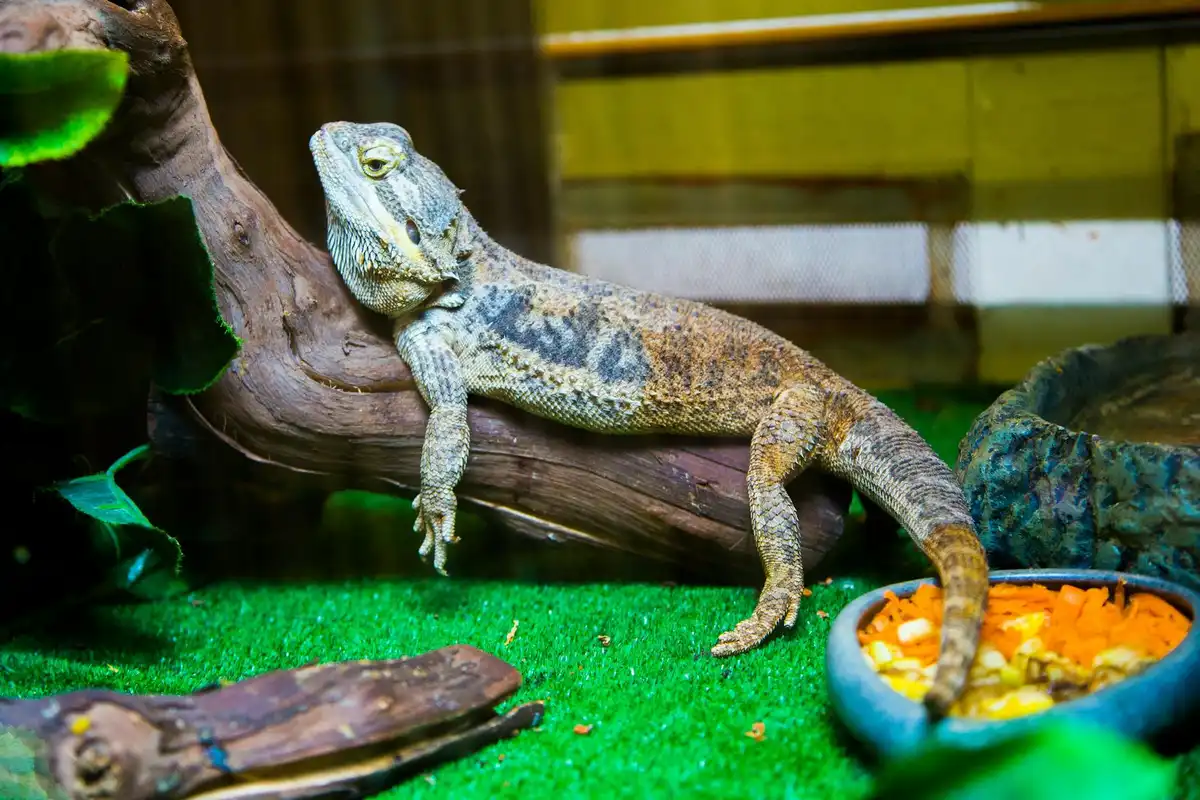
Getting your bearded dragon’s salad just right starts long before it hits the bowl. Proper preparation is your first line of defense against potential health issues and ensures your pet actually eats the good stuff. I’ve learned through trial and error with my own dragons that a little extra care here makes all the difference. That naturally leads into a bearded dragons eat grapes guide—covering safe grape types, how to prepare them, and key safety tips. I’ll walk you through choosing safe varieties, removing seeds, and offering grapes in moderation.
Step-by-Step Food Prep for Safety
Follow these steps every time to make meals safe and easy to eat. Choking is a real risk, so I never skip the chopping step, especially for my faster eaters.
- Wash Everything Thoroughly: Rinse all fruits and vegetables under cool, running water. I use a soft brush for items like squash or apples to remove any pesticide residue or dirt that could harm your dragon.
- Chop to the Right Size: Cut everything into pieces no larger than the space between your bearded dragon’s eyes. For my adult dragons, I aim for bite-sized chunks, but for juveniles, I make the pieces even finer.
- Pat Dry if Needed: Some greens, like romaine, can hold a lot of water. I often give them a gentle pat with a paper towel to prevent the salad from getting soggy too quickly in the bowl.
- Present in a Manageable Way: Scatter the food loosely or place it in a shallow dish to mimic natural foraging and prevent your dragon from gulping large mouthfuls.
Choosing and Using a Food Bowl
A good feeding dish is a simple tool that promotes clean eating habits. I always use a heavy, ceramic bowl because it’s stable and easy to sanitize, preventing spills and bacterial growth. Here are my best practices for feeding:
- Select a shallow, wide bowl that your dragon can easily access without climbing in.
- Place the bowl in a consistent spot within the enclosure to reduce stress.
- Remove uneaten fresh food after a couple of hours to keep the habitat clean.
- Wash the bowl with hot, soapy water daily-I do this right after my morning coffee routine.
Mixing for Maximum Appeal and Nutrition
Bearded dragons can be picky, so variety is key to a balanced diet. I create what I call a ‘salad mix’ by combining 2-3 different greens with one colorful fruit or vegetable to stimulate their appetite visually and nutritionally. My dragon, Ember, goes crazy for these mixes—especially when I use a spring mix as the base.
- Start with a base of staple greens like collard or mustard greens.
- Add a smaller amount of a crunchy vegetable, like shredded carrots or bell peppers, for texture.
- Incorporate a tiny portion of a sweet fruit, like a few blueberries or mango bits, as a natural lure.
- Rotate ingredients weekly to provide a spectrum of vitamins and prevent boredom.
Feeding Schedule and Portion Sizes for Bearded Dragons
Getting the schedule right is just as important as picking the right foods. I learned this the hard way with my first dragon, Spike. His appetite changed so much as he grew, and I had to adapt. Your dragon’s age is the single biggest factor in determining their diet plan.
Juvenile vs. Adult Feeding Guide
Young dragons are like tiny, growing athletes-they need a lot of fuel!
- Juveniles (Under 12 months): Offer a small salad of finely chopped veggies daily. At this stage, they might ignore it to chase bugs, and that’s okay. The goal is to build the habit. Their primary nutrition (about 80%) should come from live insect protein.
- Adults (Over 18 months): This is where the big shift happens. Their salad becomes the main event. Offer a fresh, substantial salad every single day. Insect feedings should drop to only about 2-3 times per week, making plants about 80% of their overall diet.
Portion Sizes and Balancing the Plate
Portion control prevents waste and keeps your dragon at a healthy weight. I use a simple visual guide for my crew.
- The Salad Bowl: The daily vegetable portion should be roughly the size of your dragon’s head, once chopped and assembled.
- Fruit as a Garnish: Think of fruit as a tiny treat. A couple of small pieces, no larger than the space between their eyes, once or twice a week is perfect.
- Balancing with Bugs: On insect days for adults, I offer a set number of appropriate-sized bugs (no larger than the space between their eyes) in a separate feeding 10-15 minutes after they’ve had their salad. This encourages them to eat their greens first!
Spotting Feeding Problems
Your dragon will tell you if the diet is off; you just need to know the signs.
Signs of Overfeeding:
- Consistently leaving a large amount of salad uneaten.
- Weight gain, particularly fat pads on the head becoming very prominent or a swollen, firm belly.
- Lethargy and lack of interest in movement.
Signs of Underfeeding:
- Visible hip bones or a very thin tail base.
- Excessive pacing or glass surfing around typical feeding times.
- Lethargy and lack of energy, which can also signal other issues.
Keeping a close eye on their body condition and energy levels is your best tool for fine-tuning their meals. A little observation goes a long way in ensuring they thrive.
Where to Find and Store Safe Foods for Your Bearded Dragon
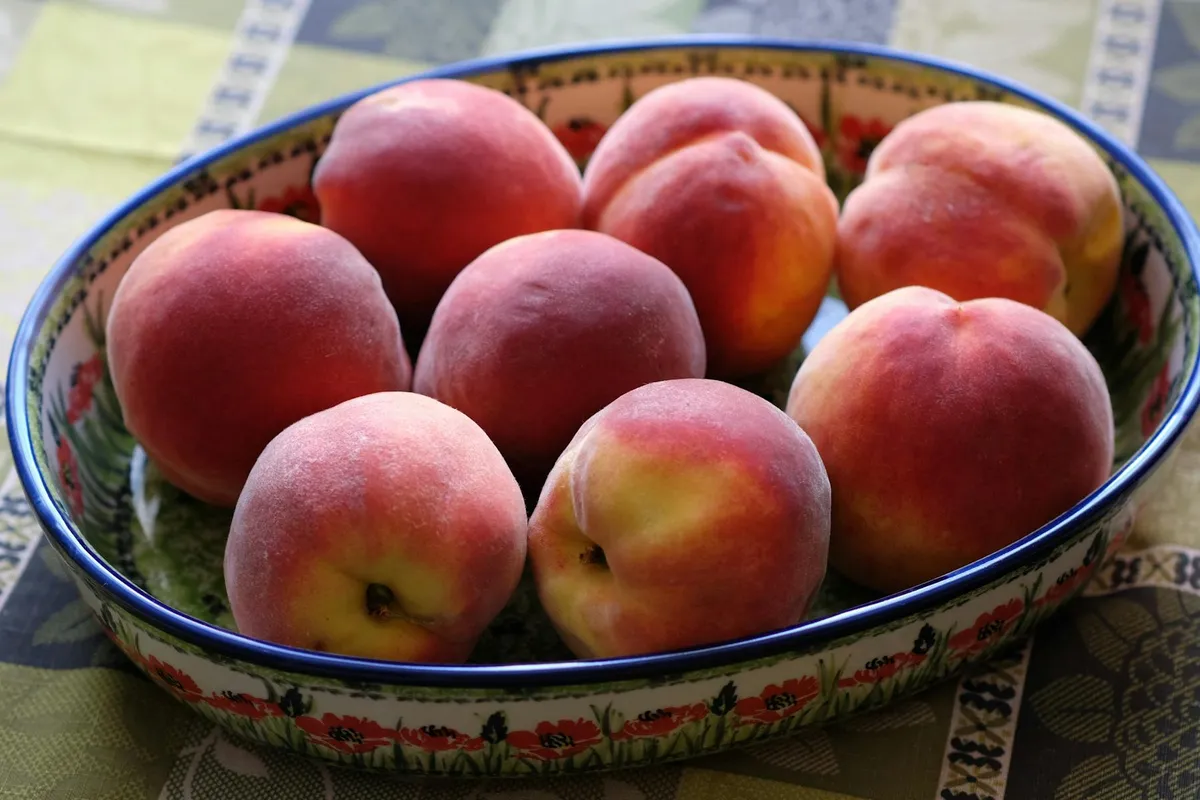
Finding high-quality, fresh food for your scaly friend is easier than you might think. I make it a habit to check the produce section of my local grocery store first, as they often have a great selection of staple greens like collard greens, mustard greens, and bell peppers. For the most nutritious options, I lean towards organic whenever my budget allows, as it minimizes the risk of pesticide exposure.
- Grocery Stores & Supermarkets: Your regular stop for common veggies. Always give them a good wash, even if they’re labeled “pre-washed.”
- Farmers’ Markets: A fantastic source for ultra-fresh, often locally grown, and sometimes organic produce. You can sometimes find unique, dragon-safe items here.
- Your Own Garden: If you have the space, growing your own dandelion greens, basil, or squash is the ultimate way to control quality and freshness.
Once you have your dragon’s groceries, proper storage is key to making them last. I’ve found that storing leafy greens in airtight containers lined with a paper towel is a game-changer; the towel soaks up excess moisture and keeps everything crisp for much longer. It prevents that sad, wilted lettuce situation we all want to avoid.
- For most vegetables, use the high-humidity drawers in your refrigerator.
- Keep fruits separate and use them quickly due to their high sugar content.
- Never feed your bearded dragon produce that has become slimy, moldy, or has started to rot.
Keeping track of what’s safe can feel overwhelming. To make life easier, I always recommend having a printable bearded dragon food list PDF on your fridge or in your feeding area for a quick, no-fuss reference. You can find a reliable, vet-approved one on our website’s resources page; it’s the same one I use in my own reptile room to double-check those occasional “is this okay?” foods. A bearded dragon complete guide to safe foods is exactly what you need for quick, confident feeding decisions. Keep it handy alongside your printable list.
Frequently Asked Questions
What is the bearded dragon foods chart?
A bearded dragon foods chart is a visual guide that categorizes safe and unsafe foods, helping owners quickly reference what to feed and avoid for optimal health without needing to read through lengthy lists. It often highlights greens that bearded dragons eat, with a complete safe/unsafe list showing which greens are appropriate and which should be avoided. This makes it easier to balance a diet with leafy greens and other essentials while steering clear of risky options.
Where can I find bearded dragon food near me?
You can find safe fruits, vegetables, and insects at local pet stores, grocery stores with fresh produce sections, or online retailers that specialize in reptile supplies, ensuring convenience and variety.
What is a bearded dragon food bowl?
A bearded dragon food bowl is a shallow, stable dish designed to hold fruits, vegetables, or insects, making it easy for your pet to eat while preventing spills and maintaining cleanliness in their habitat.
Final Thoughts on Feeding Your Bearded Dragon
Ultimately, a thriving bearded dragon enjoys a varied diet built on a foundation of nutritious greens and supplemented with occasional fruits. Think of leafy greens like collards and dandelion greens as the daily staple, with vibrant fruits like berries and melon as the special weekend treat. For a collard and mustard greens guide, these greens are among the safest daily staples for bearded dragons. Just be sure to wash, chop, and rotate with other greens to maintain a balanced diet. This balance provides the nutrients they need without the excess sugar.
From my own experience, watching your dragon’s reaction to new foods is part of the joy. You now have the knowledge to confidently offer a rainbow of safe options, ensuring your scaly friend is not just fed, but truly nourished. Trust this list, observe your pet, and enjoy the journey of caring for your amazing companion.
Further Reading & Sources
- The Bearded Dragon’s Diet: What Can They Eat? | Falls Road Animal Hospital | Baltimore Vet
- Bearded Dragon Diet | Gillette Veterinarians
- The Bearded Dragon’s Diet: What Can They Eat?
Bearded Dragon Lair is the ultimate resource for bearded dragon enthusiasts, offering expert advice and practical tips to ensure the health and happiness of your scaly companion. With years of experience in reptile care, we are dedicated to providing accurate, up-to-date information to support your bearded dragon journey.
Feeding Guidelines