
Bearded Dragon Tank Plants Guide: Safe Live and Fake Plant Options
Published on: February 11, 2026 | Last Updated: February 11, 2026
Written By: Beardie Joe
Choosing the right plants for your bearded dragon’s tank can be tricky, but getting it right makes their world so much better.
With years of experience caring for my own dragons, I’ll help you pick safe, enriching options that support their wellbeing.
We’ll compare the pros and cons of live versus fake plants and list my top safe picks for a beautiful, hazard-free habitat.
Why Add Plants to Your Bearded Dragon’s Enclosure?
Think of a plant-filled tank as more than just decoration; it’s an upgrade to your dragon’s entire quality of life. I’ve seen my own bearded dragons become more active and curious when I introduce new greenery into their space. Plants provide crucial mental stimulation, encouraging natural behaviors like exploring and hiding. A bare tank can be boring, but a planted one is a dynamic world filled with enrichment ideas for your bearded dragon.
Beyond entertainment, plants serve very practical purposes. They help maintain humidity levels by releasing moisture into the air, which is perfect for those all-important shedding periods. Live plants can even contribute to cleaner air and help break down waste, creating a healthier mini-ecosystem. They offer shady spots to cool down and visual barriers that make a skittish dragon feel secure and safe.
Choosing Safe Live Plants for Bearded Dragons
Safety is your number one priority when picking any tank addition. The wrong plant can be toxic if ingested or have sharp edges that can cause injuries. You must always research a plant thoroughly before introducing it to your dragon’s home. I stick to a simple rule: if I’m not 100% sure it’s safe, it doesn’t go in the tank.
Preparing store-bought plants is a critical step that many new owners skip. These plants are often treated with systemic pesticides and fertilizers that are harmful to reptiles. You need to wash the leaves and roots thoroughly and repot the plant in organic, fertilizer-free soil for at least a few weeks before tank introduction. This “quarantine” period lets any chemicals work their way out of the plant’s system.
Edible Live Plants Your Bearded Dragon Can Nibble
This is my favorite category because it doubles as a snack bar! Planting edible greens directly in the enclosure allows your dragon to graze naturally. It’s a fantastic way to provide fresh, chemical-free nutrients and enrichment at the same time. Just remember, these should supplement a balanced diet, not replace your primary feeding routine. For greens, you’ll want to reference a complete safe/unsafe list to know which varieties are OK and which to avoid. It’s a handy guide to keep your dragon’s greens both tasty and safe.
- Aloe Vera: Soothing for the skin and safe to eat. My dragons occasionally take a curious bite.
- Hibiscus: The flowers and leaves are non-toxic and a delightful, colorful treat.
- Collard Greens & Mustard Greens: Staple greens in salad form that grow well in a tank.
- Nasturtiums: Both the leaves and bright flowers are edible and add a pop of color.
- Herbs like Basil and Mint: Safe in small amounts and they make the tank smell wonderful.
Best Live Plants for Specific Tank Conditions
Bearded dragon habitats are harsh environments for many plants, combining intense heat, strong UVB light, and low humidity. Choosing the right plant for the right spot in the tank is the key to long-term success. You need hardy, drought-tolerant survivors. For a safe, plant-friendly setup, many herbs, succulents, and other live plants can be used when they’re non-toxic and properly maintained.
For the hot and dry basking area, you want succulents. They store water in their leaves and thrive in the sun. Haworthia and Echeveria are excellent choices because they are soft, spineless, and can handle the heat. I’ve had great luck with Jade plants as well, but monitor them as they can grow quite large over time.
If you have a slightly more humid corner or a cooler part of the tank, consider these sturdy options:
- Snake Plant (Sansevieria): Nearly indestructible. It tolerates low light and infrequent watering.
- Spider Plant: Non-toxic and resilient. It’s a classic for a reason.
- Bromeliads: They add incredible texture and color and are perfectly safe for your dragon.
Artificial Plant Options for Bearded Dragon Tanks
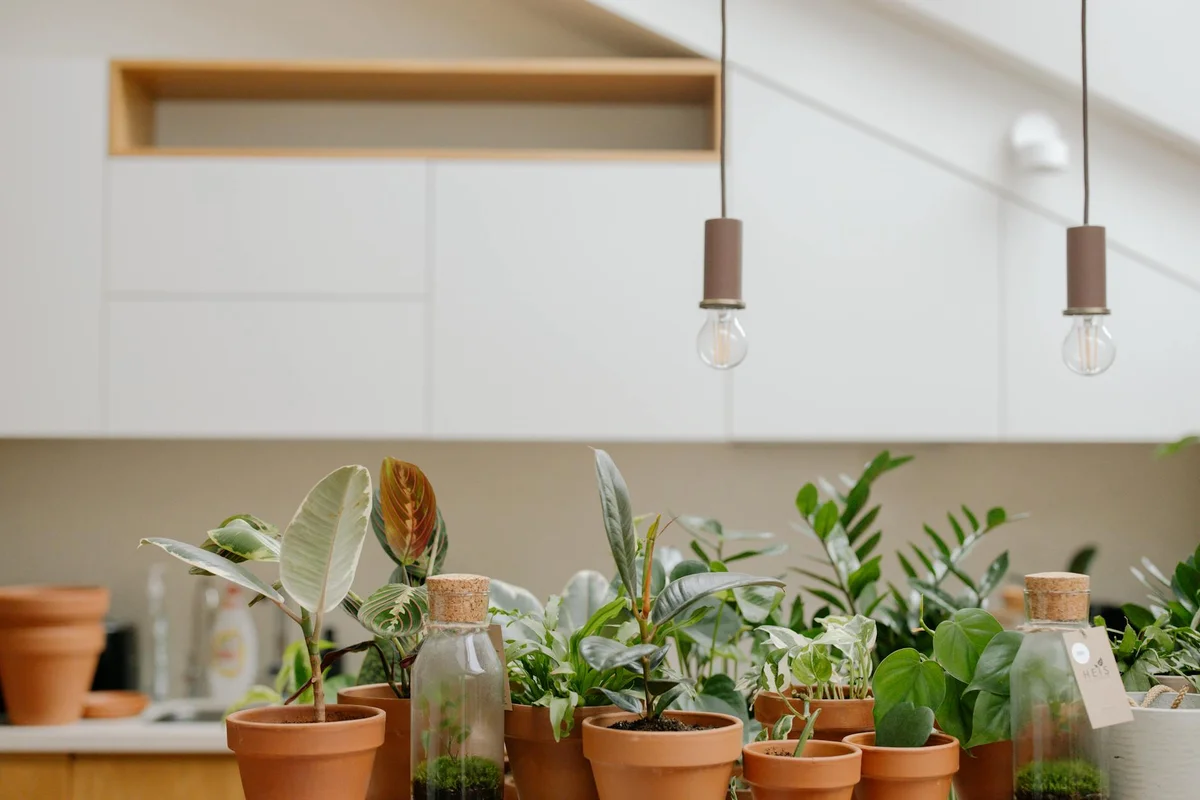
Fake plants can be a fantastic, low-maintenance way to bring a touch of the wild into your beardie’s home without the fuss of watering or worrying about toxic leaves. I often use a mix of artificial and live plants in my own enclosures to create a vibrant, textured landscape that’s easy to manage. That approach translates well to a bearded dragon bioactive enclosure setup. In such setups, a careful blend of sturdy live plants, safe artificial greens, and a small cleanup crew can enhance enrichment while keeping maintenance simple.
Using Fake Plants for Basking and Climbing Decor
You can get really creative with how you place fake plants. They aren’t just for looks. I love using taller, sturdy fake vines or leafy bushes to create shaded areas and climbing pathways. Strategically placing a broad, silk leaf near the basking spot gives your dragon a perfect place to lounge and absorb heat safely. This approach is a perfect example you’ll see in a DIY bearded dragon enclosure building guide, helping you plan heat, shade, and climbing layouts as you build. It also makes it easier to choose safe substrates and decor that fit your space.
Look for plants with these features:
- Soft, fabric leaves (silk is great) that won’t scratch delicate belly scales.
- A sturdy, weighted base so the plant doesn’t tip over during climbing adventures.
- No small, detachable parts like plastic berries that could be a choking hazard.
- Realistic colors; avoid anything overly bright or dyed that might leach chemicals.
My go-to move is to secure a long, viney plant to the background or a branch with aquarium-safe silicone. This creates a permanent, stable climbing structure that my dragons use every single day.
Live vs. Fake Plants: Pros and Cons for Your Beardie
Choosing between live and fake plants isn’t about one being definitively better. It’s about what fits your lifestyle and your dragon’s personality. I’ve used both extensively, and each has its place.
The Case for Fake Plants
- Zero Maintenance: No watering, no soil, no need for grow lights. You just dust them off during tank cleanings.
- Always Perfect: They won’t die, get eaten, or wilt, providing consistent decoration and cover.
- Absolutely Safe: When chosen carefully, they pose no risk of pesticides or toxicity from being nibbled.
- Durability: A good quality fake plant can withstand a heavy beardie and last for years.
The biggest drawback is that they don’t contribute to the enclosure’s humidity or air quality like live plants do. They also need to be cleaned regularly to prevent dust buildup.
The Case for Live Plants
- Natural Benefits: They help purify the air, manage humidity levels, and can even provide a occasional, safe snack.
- Behavioral Enrichment: A living environment feels more natural and can encourage natural foraging behaviors.
- Stunning Aesthetics: Nothing beats the look and feel of a real, thriving bioactive setup.
The trade-off is the significant increase in care and setup requirements. You need the right soil, proper lighting for the plants, and you must be certain every plant is 100% non-toxic.
In my tanks, I find a hybrid approach works best. I use sturdy, realistic fake plants for high-traffic climbing and basking areas, and I incorporate safe, hardy live plants in other sections to reap the biological benefits. This gives you the beauty and function of live plants without the worry of them being destroyed in a day by a rambunctious dragon. If you’re using a bearded dragon leaves-eat guide, you’ll want to know which leaves are safe and which are toxic. That way you avoid toxic varieties while choosing edible greens for your dragon.
How to Set Up Plants in Your Bearded Dragon’s Tank
Plant Placement for Optimal Enclosure Layout
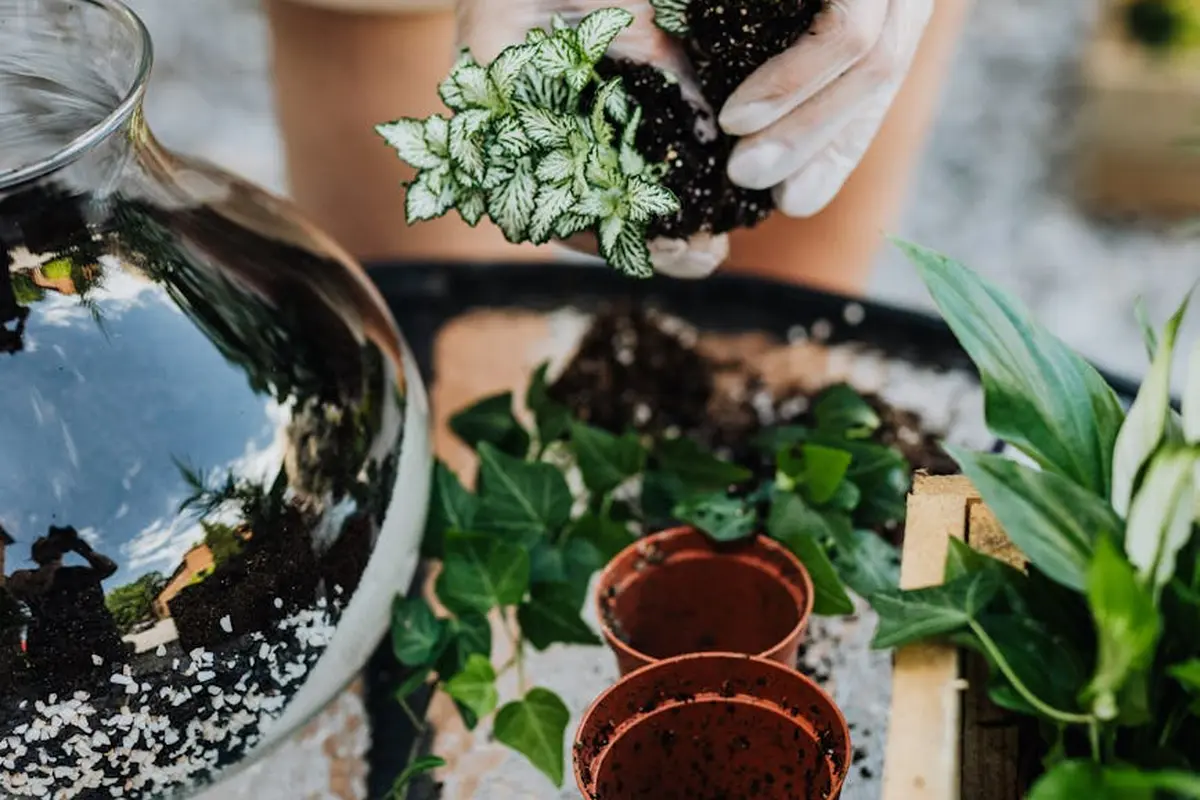
Arranging plants isn’t just about making the tank look pretty; it’s about creating a functional environment that supports your dragon’s natural behaviors. I’ve spent years tweaking my own setups to get this right.
Think of the tank in three key zones: the hot basking area, the middle ground, and the cool hide zone. Your plant placement should directly support the purpose of each of these temperature zones.
In the hot basking area, use hardy, low-growing plants that can tolerate intense heat and light.
- Aloe or a small Haworthia can thrive here and provide a little shade at the base of the basking platform.
- Avoid tall plants that could block the crucial UVB and heat from reaching your dragon.
The middle of the enclosure is your playground for creating visual barriers and enrichment.
- This is the perfect spot for taller, leafier plants like a sturdy Schefflera to create a sense of security.
- Place plants to break up the line of sight, which encourages exploration and reduces stress from feeling exposed.
For the cool side, focus on plants that add humidity and create a perfect hiding spot.
- I often use a larger Boston fern here; it loves the slightly higher moisture and its fronds make a fantastic natural cave.
- This setup gives your dragon a true retreat where they can feel completely hidden and safe.
Always leave clear pathways for your dragon to move around easily. Clutter can be stressful, but a well-planned jungle makes for a happy, active pet. I like to use a combination of potted plants and those planted directly in the substrate to create different levels and textures.
Maintaining Live Plants in a Bearded Dragon Habitat
Ensuring Plant Health Under Reptile Lighting
The same lights that keep your bearded dragon healthy can be a challenge for plants. In a bearded dragon lighting guide, UVB requirements and proper heat lamp placement, plus a consistent daily light cycle, are essential. It’s a balancing act I’ve learned to manage through trial and error in my own reptile room.
Your standard reptile UVB bulb does not provide the full light spectrum most plants need for photosynthesis. You will likely need to supplement with a dedicated plant grow light to keep your live plants thriving.
Choose a full-spectrum LED grow light that produces minimal heat.
- Place it on a timer for about 12 hours a day to mimic a natural day/night cycle for the plants.
- Position it so it shines directly on the plant areas without overheating your dragon or disrupting their light cycle.
Watering is another critical factor. Overwatering can spike humidity to dangerous levels for your dragon.
- Water plants deeply but infrequently, only when the soil is dry an inch or two down.
- I always water my tank plants in the morning so any excess moisture can evaporate during the day’s heat cycle.
- Using a well-draining soil mix is non-negotiable for preventing soggy roots and mold.
You must also be vigilant about fertilizers and pesticides. Never use chemical fertilizers or pest control sprays in your dragon’s enclosure; the residues are highly toxic. Also, consult a bearded dragon substrate guide to choose safe options and avoid unsafe materials. This is a key part of best practices for enclosure setup.
- If a plant needs nutrients, repot it with fresh, organic soil or use a very mild, organic fertilizer like worm castings.
- For pests like aphids, I manually remove them or rinse the plant thoroughly before returning it to the tank.
Regularly trim dead or dying leaves. This not only keeps the plant healthy but also prevents mold growth and keeps the tank clean for your dragon. A little weekly maintenance goes a long way in creating a beautiful, symbiotic habitat.
Frequently Asked Questions
Where can I buy plants that are safe for my bearded dragon?
Look for reputable reptile-specific stores or online retailers that label plants as safe for herbivorous reptiles and free from pesticides. Always verify the source and consider quarantining new plants before adding them to the enclosure.
What are the key signs that a plant is unsafe for bearded dragons?
Avoid plants with milky sap, thorns, or a known history of toxicity, such as ivy or oleander. Always cross-reference with trusted reptile-safe plant lists to prevent potential health risks.
How much of a bearded dragon’s diet can come from the plants in their tank?
Tank plants should only serve as occasional snacks for grazing and enrichment, not as a primary food source. Ensure the main diet consists of a balanced mix of fresh vegetables and insects for proper nutrition.
Final Thoughts
Choosing the right plants for your bearded dragon’s home boils down to safety and enrichment. Live plants can boost humidity and create a more natural ecosystem, while artificial plants offer unbeatable durability and zero risk of pesticides. I always have a mix of both in my own tanks to give my dragons the best of both worlds. In my safe bearded dragon guide, I cover dragon-safe woods and substrates and how to avoid pesticides. That way your setup stays natural, secure, and easy to maintain.
No matter which path you choose, your dragon’s well-being is the top priority. Always double-check that every single item in the enclosure is non-toxic and securely arranged to prevent any accidents. A thoughtfully planted tank doesn’t just look beautiful—it provides a stimulating and secure habitat for your scaly friend to thrive in. In a bearded dragon tank setup guide, you’ll find the essentials—equipment, decor, and safety tips—to help you create a healthy, safe enclosure. Prioritize heat, UVB, secure lids, and non-toxic decor as core safety and setup rules.
Further Reading & Sources
- 5 Safe Plants To Use In A Bearded Dragon Habitat – Zen Habitats
- Bearded Dragon Starter Plant Pack – The Bio Dude
- Safe plants for bearded dragon tanks and soil requirements
Bearded Dragon Lair is the ultimate resource for bearded dragon enthusiasts, offering expert advice and practical tips to ensure the health and happiness of your scaly companion. With years of experience in reptile care, we are dedicated to providing accurate, up-to-date information to support your bearded dragon journey.
Decoration and Enrichment