What Greens Can Bearded Dragons Eat? (A Complete Safe and Unsafe List)
Published on: December 26, 2025 | Last Updated: December 26, 2025
Written By: Beardie Joe
Staring at the produce aisle, wondering which greens are safe for your bearded dragon, is a common worry for many owners.
As someone who has cared for multiple bearded dragons for years, I am here to clear up the confusion and help you choose the best foods for your scaly friend.
This guide will walk you through a full list of safe greens, highlight the dangerous ones, and share my personal tips for creating a healthy, varied diet.
Why Greens Are Essential for Your Bearded Dragon’s Health
I learned the importance of greens the hard way with my first beardie, Spike. I thought he was thriving on a diet of insects, but he became lethargic. A varied salad isn’t just a side dish; it’s the cornerstone of their long-term health and vitality. These leafy foods provide essential vitamins and minerals that bugs alone cannot.
They are packed with hydration, which is crucial for a species that originally hails from arid environments. The high water content in fresh greens helps support their kidney function and prevents dehydration. A well-hydrated dragon is an active, alert dragon.
Perhaps the most critical reason is calcium. Bearded dragons are prone to Metabolic Bone Disease (MBD), a devastating and painful condition. Leafy greens are a primary source of usable calcium, which builds and maintains strong bones and supports nerve function. The right greens have a perfect calcium-to-phosphorus ratio, ensuring their bodies can actually absorb what they eat. Fruits and vegetables also contribute essential nutrients and variety to a bearded dragon’s diet. For quick guidance, refer to the ultimate safe food list of fruits and vegetables bearded dragons can eat.
Finally, greens provide necessary roughage. The fiber in these plants promotes a healthy digestive system and helps prevent impaction. Watching your dragon chomp down on a big, crunchy leaf is also a sign of great natural behavior.
The Ultimate List of Safe Greens for Bearded Dragons
Top Tier, Calcium-Rich Staples
These are the rockstars of the salad bowl. I make sure one of these is the base of my dragons’ salads almost every single day. You can confidently feed these greens daily as the foundation of their vegetable intake. They have an ideal calcium-to-phosphorus ratio.
- Collard Greens
- Dandelion Greens (ensure they are from a pesticide-free area!)
- Escarole
- Endive
- Turnip Greens
- Mustard Greens
Excellent Rotational Greens & Herbs
This group adds wonderful variety and different nutrients to the mix. I rotate these in a few times a week to keep meals interesting. Offering a mix of these greens prevents dietary boredom and provides a broader spectrum of vitamins.
- Bok Choy (green parts)
- Spring Mix (check for spinach!)
- Arugula
- Frisée
- Cilantro
- Basil
- Mint
- Parsley
Greens to Offer in Moderation
These greens are safe but come with a small caveat. They contain compounds like goitrogens or moderate levels of oxalates, which can bind to calcium if fed in excess. I treat these as occasional “treat” greens, offered no more than once or twice a week. They are not suitable for daily use.
- Kale
- Swiss Chard
- Beet Greens
- Carrot Tops
- Spinach (Due to high oxalates, this is very rare in my home)
Greens to Avoid: The Unsafe and Toxic List
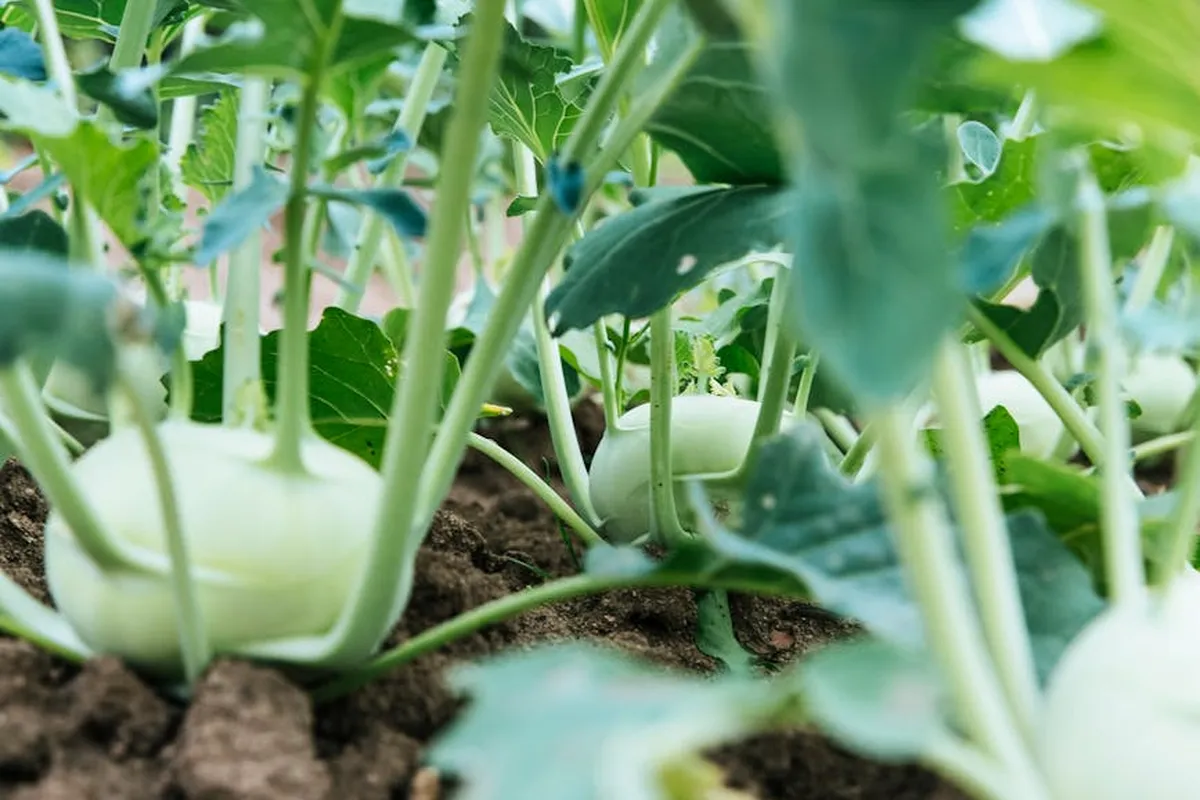
Just like some foods don’t agree with us, some greens are downright dangerous for your bearded dragon. I’ve learned through my own research and conversations with exotic vets that it’s not just about what’s “unhealthy”—it’s about what can cause serious harm. This is where a reliable bearded dragon eating guide comes in—showing which foods are toxic and must be avoided. Identifying these toxic foods to avoid helps you prevent harm and keep your dragon thriving. Keeping this list handy is one of the best things you can do for your dragon’s long-term health.
Here are the greens and vegetables you should never feed your bearded dragon:
- Spinach and Swiss Chard: These are the big ones many new owners get wrong. They bind to calcium, preventing your dragon from absorbing it, which can lead to metabolic bone disease.
- Beet Greens: Similar to spinach, they are high in oxalates that cause calcium deficiencies.
- Rhubarb: This is highly toxic and can cause kidney failure. Never let it near your pet’s enclosure.
- All types of Lettuce (Iceberg, Romaine, Butterhead): I see this mistake all the time. These are mostly water and have almost no nutritional value. They can cause runny stools and fill your dragon up without giving them any real nutrients.
- Wild-Gathered Plants: Never pick greens from your yard unless you are 100% certain of their identity and that they are free of pesticides and herbicides.
- Fireflies (Lightning Bugs) and any other insects that glow: While not a green, this is a critical warning. They are extremely toxic and even one can be fatal.
How to Build a Balanced Daily Salad
Creating the perfect salad is easier than you think. I like to think of it as a daily “power bowl” for my dragons. The goal is a mix that provides a wide range of vitamins and minerals. A colorful plate is usually a good sign you’re on the right track.
Follow this simple formula for a balanced daily meal:
- Start with a Staple Green (50-60%): This is the base of your salad. Pick one or two from the safe staples list, like collard greens, dandelion greens, or escarole.
- Add Colorful Veggies (30-40%): Mix in other safe vegetables for variety and extra nutrients. This is where you can use grated squash, finely chopped bell peppers, or a few green beans.
- Include a Treat (10% or less): Sprinkle in something extra tasty to entice them, like a few berries, a single flower like a hibiscus petal, or a small piece of sweet fruit.
Remember, younger dragons need more protein from insects, so their salad portion will be smaller. For adults, the salad should be the main event. Spring mix makes a great base for a perfect bearded dragon salad. It helps you build a balanced mix for your dragon. Observing which greens your dragon eagerly eats will help you tailor their salads to their personal taste.
Washing and Preparing Greens Safely
I never skip this step. Proper washing removes potential pesticides, dirt, and bacteria that could make your dragon sick. It’s a simple routine that makes a huge difference.
Here is my foolproof method:
- Rinse: Hold each leaf under cool, running water. Rub the surface gently with your fingers to dislodge any grit.
- Soak (Optional but Recommended): For leafy greens like kale or collards, I give them a 5-10 minute soak in a bowl of cold water with a splash of white vinegar. This helps loosen any stubborn residues.
- Rinse Again: Give everything a final thorough rinse with fresh water to wash away the vinegar and any loosened debris.
- Dry: Use a salad spinner or pat the greens dry with a clean paper towel. Excess water on greens can dilute your dragon’s gut flora and lead to digestive issues.
- Chop Appropriately: Chop the greens into bite-sized pieces, no larger than the space between your dragon’s eyes to prevent choking.
Answers to Common Bearded Dragon Greens Questions
Can Bearded Dragons Eat Lettuce?
This is one of the most frequent questions I get, and I totally understand why. Lettuce is the first thing we think of for a “salad.”
The short answer is yes, but you should rarely offer it. Think of lettuce as the empty calories of the reptile world. In a bearded dragon feeding guide, vegetables are a key part of a healthy diet. This complete guide explains which vegetables are safe, how to prepare them, and how often to offer them.
Iceberg and Romaine lettuce are mostly water and fiber. They fill up your dragon’s belly without providing the vital vitamins and minerals they desperately need. Feeding too much can even cause diarrhea. Some bearded dragon care guides note that celery leaves and stalks can be offered as a small, occasional addition. Always wash celery well and feed in moderation as part of a varied, safe diet.
From my own experience, I’ll sometimes use a single, crisp romaine leaf as a “bed” to keep more nutritious greens from drying out so quickly. It’s a hydration helper, not a meal.
Your dragon is much better off with these powerhouse greens instead:
- Collard Greens
- Dandelion Greens
- Mustard Greens
- Endive
- Escarole
How Often Should My Bearded Dragon Eat Greens?
This completely depends on your dragon’s life stage. Their dietary needs shift dramatically as they grow.
I’ve raised several from tiny juveniles to grand old adults, and getting this schedule right is a game-changer for their health.
For juvenile bearded dragons (under 12 months), offer a small plate of fresh greens every single day. In terms of frequency, juveniles should be fed daily, often in 2-3 small meals. Their bodies are growing machines, and they need a ton of protein. They might only nibble, and that’s okay. The goal is to build the habit. This daily schedule supports growth and helps establish healthy eating patterns.
For adult bearded dragons (over 18 months), greens should become the cornerstone of their diet. Their metabolism has slowed, and too many insects can lead to obesity. I offer a substantial salad to my adults daily, making sure to include safe greens such as those recommended in this guide.
Here is a simple feeding schedule I follow:
- Baby & Juvenile Dragons: 80% insects, 20% greens. Offer greens daily.
- Adult Dragons: 80% greens, 20% insects. Offer a hearty salad daily.
The key is consistency and variety. Rotate their greens throughout the week to provide a broad spectrum of nutrients and keep them interested in their food. A bored dragon is a hungry dragon that might start refusing their salad.
Frequently Asked Questions
Is there a quick-reference chart for bearded dragon greens?
While this article provides detailed lists, a visual chart can help you quickly identify safe and unsafe greens; you can create one by categorizing the staples, rotational options, and toxic greens mentioned here for easy daily use.
What greens are commonly available for bearded dragons in the UK?
In the UK, safe staples like collard greens, dandelion greens, and endive are often found in supermarkets or pet stores; always choose organic, pesticide-free options to ensure your dragon’s health. These greens are among the best safe staples for a bearded dragon’s diet. When you branch out, offer small, infrequent treats in moderation to keep mealtime interesting.
Are there any Australian-specific greens that are safe for bearded dragons?
While bearded dragons originate from Australia, it’s safest to stick with cultivated greens like those on the safe list; avoid wild plants due to potential pesticides or toxins, and focus on staples such as mustard greens and bok choy available locally.
Final Thoughts
Providing a rotating menu of safe greens is one of the most powerful things you can do for your bearded dragon’s long-term health. I’ve seen firsthand how a varied diet leads to brighter eyes, more energy, and a much happier dragon. Stick to the staple greens as the foundation of their salads and use the occasional treats for a fun surprise. Be sure to check out our complete guide to safe foods for bearded dragons to ensure you’re offering them the best nutrition.
Always double-check any new food against the unsafe list, and when in doubt, leave it out. Your careful attention to their plate is what will help your scaly friend thrive for years to come.
Further Reading & Sources
- Best Greens for Bearded Dragons: Daily and Weekly Staples – Dragon’s Diet
- r/BeardedDragons on Reddit: What do you feed your beardie daily? (Greens)
- 10 Bearded Dragon Veg Options to Keep Your Pet Healthy and Happy
Bearded Dragon Lair is the ultimate resource for bearded dragon enthusiasts, offering expert advice and practical tips to ensure the health and happiness of your scaly companion. With years of experience in reptile care, we are dedicated to providing accurate, up-to-date information to support your bearded dragon journey.
Feeding Guidelines